
Psychoactive Drugs: What They Are and How They Affect You
Psychoactive drugs influence the central nervous system, swiftly modifying mood, perception, and consciousness by directly impacting brain function. Are you seeking NJ rehab treatment? Get facts about rehab and psychoactive drug detox treatment in New Jersey. Learn about the top symptoms to watch out for and when to get help.
Editor Yamilla Francese
Clinically Reviewed by Lauren Barry, LMFT, MCAP, QS
Medically Reviewed by Ali Nikbakht, PsyD
Updated on May 21, 2026 — Editorial Policy | Research Policy
Psychoactive drugs are substances that change how your brain works. They can affect how you think, feel, act, and see the world. Some psychoactive drugs are legal and used as medicine. Others are illegal or misused for the way they make a person feel.
If you or someone you love is struggling, you may feel confused or afraid. You may wonder what these drugs really do to the brain and body. This guide gives clear psychoactive drugs information. My goal is to help you understand the risks and know that support is available at We Level Up Lawrenceville NJ.
What Are Psychoactive Drugs?
Psychoactive drugs are chemicals that affect the central nervous system. This system includes your brain and spinal cord. When a person takes these drugs, they change brain signals. That is why mood, behavior, and thinking may shift.
Some psychoactive drugs are prescribed by doctors. These include medicines for pain, anxiety, or attention problems. When used the right way, they can help people live better lives. Problems begin when a person misuses the drug or takes it without medical care.
Other psychoactive drugs are illegal. These drugs are often used to feel high, calm, or energized. Over time, repeated use can lead to dependence or addiction. That is when psychoactive substance abuse treatment may be needed.
Types of Psychoactive Drugs
There are several main types of psychoactive drugs. Each type affects the brain in a different way. Understanding these groups can help you see how they work.
Depressants
Depressants slow down the brain and body. They can make a person feel relaxed or sleepy. Alcohol, benzodiazepines, and some sleep medicines are examples.
While they may calm anxiety at first, high doses can slow breathing and heart rate. Long-term misuse can lead to addiction and serious health problems. Mixing depressants with other drugs increases psychoactive drug risks.
Stimulants
Stimulants speed up brain activity. They can make a person feel alert, confident, and full of energy. Cocaine, methamphetamine, and some ADHD medicines are stimulants.
These drugs raise heart rate and blood pressure. Over time, they can cause anxiety, paranoia, and heart damage. Strong cravings often follow repeated use.
Opioids
Opioids are powerful pain relievers. They include heroin, morphine, and prescription pain pills. These drugs attach to special receptors in the brain.
Opioids can create a strong sense of pleasure and relief. However, they also slow breathing and can lead to overdose. Many people need detox and therapy to recover safely.
Hallucinogens
Hallucinogens change how a person sees and hears things. LSD, psilocybin, and PCP are examples. These drugs can cause strange thoughts and visions.
Some users feel intense fear or panic during use. Long-term use may affect mental health. The psychoactive drugs impact on thinking can last long after the drug leaves the body.


Skip To:
Get Help. Get Better. Get Your Life Back.
Searching for Accredited Drug & Alcohol Rehab Centers Near You? Or Mental Health Support?
Even if you have failed previously, relapsed, or are in a difficult crisis, we stand ready to support you. Our trusted behavioral health specialists will not give up on you. Call us when you feel ready or want someone to speak to about therapy alternatives to change your life. Even if we cannot assist you, we will lead you wherever you can get support. There is no obligation. Call our hotline today.
FREE Addiction Hotline – Call 24/7How Psychoactive Drugs Affect the Brain
Your brain uses chemicals called neurotransmitters to send messages. Psychoactive drugs change how these chemicals work. Some drugs increase dopamine, which controls pleasure and reward.
When dopamine levels rise quickly, the brain remembers that feeling. This can lead to repeated use. Over time, the brain may depend on the drug to feel normal.
The psychoactive drugs impact can also affect memory, focus, and decision making. A person may struggle at school or work. Relationships can suffer as behavior changes.
Short-Term and Long-Term Risks
All psychoactive drugs carry risks. Some effects appear right away. Others develop slowly over time.
Short-term psychoactive drug risks may include:
- Poor judgment
- Risky behavior
- Mood swings
- Trouble sleeping
- Fast or slow heart rate
Long-term use can cause deeper harm. The body may build tolerance, meaning more of the drug is needed. Dependence can follow, making it hard to stop without help.
Long-term risks may include:
- Liver or heart damage
- Mental health disorders
- Memory loss
- Relationship problems
- Financial stress
Understanding these dangers can help families make informed choices.
Why Do People Misuse Psychoactive Drugs?
Many people do not plan to become addicted. Some start using drugs to cope with stress or trauma. Others may try them out of curiosity or peer pressure.
Mental health conditions often play a role. Anxiety, depression, or past trauma can increase risk. Without healthy coping skills, drugs may feel like a quick fix. Over time, the brain changes. What started as a choice can become a strong urge. That is why psychoactive substance abuse treatment focuses on both addiction and mental health.

Get Your Life Back
Find Hope & Recovery. Get Safe Comfortable Detox, Addiction Rehab & Mental Health Dual Diagnosis High-Quality Care at the We Level Up Treatment Centers Network.
Hotline (877) 378-4154Signs of Psychoactive Drug Abuse
It can be hard to know when use has become a problem. Still, there are warning signs to watch for.
Common signs include:
- Using more than planned
- Hiding drug use
- Mood changes
- Falling grades or work problems
- Losing interest in hobbies
- Physical health issues
If you see these signs in yourself or someone you love, early support can make a big difference. Treatment works best when started sooner rather than later.
Treatment for Psychoactive Substance Abuse
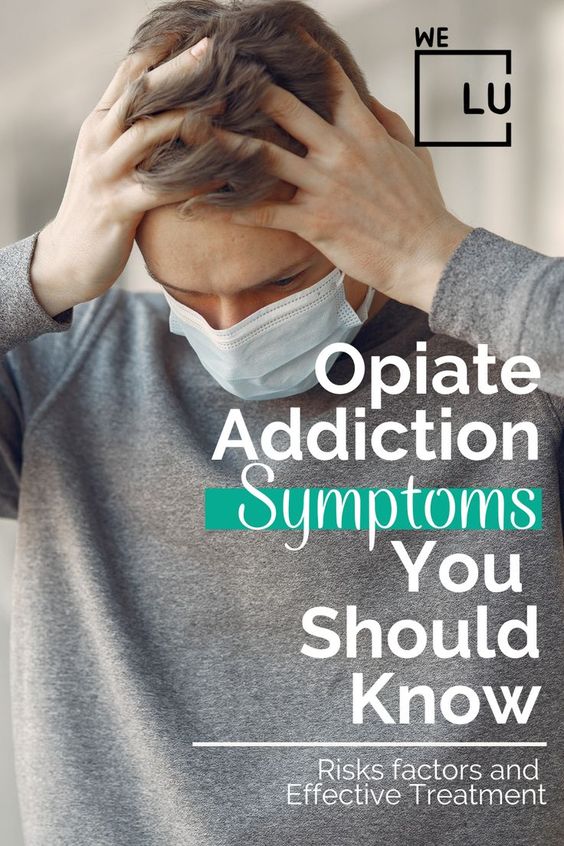
Recovery is possible with the right care. Treatment plans depend on the type of drug and the person’s health history. Many programs begin with detox. During detox, the body clears the drug under medical supervision. This step helps manage withdrawal symptoms safely.
After detox, therapy becomes the focus. Effective psychoactive substance abuse treatment often includes:
- Individual counseling
- Group therapy
- Family therapy
- Medication when needed
- Mental health care
Programs may offer inpatient or outpatient care. The best plan is one that fits your needs and keeps you safe.
The Importance of Mental Health Support
Addiction and mental health often connect. When both issues are treated together, outcomes improve. This approach is called dual diagnosis care.
Therapists help patients learn new coping skills. They work on stress management, communication, and healthy habits. Over time, confidence grows. Family support also plays a strong role. Loved ones can attend therapy sessions and learn how to help. Healing becomes a shared journey.
Comfortable Facilities & Amenities
High-Quality Addiction & Mental Health Rehabilitation Treatment
Rehab Centers TourRenowned Addiction Centers. Serene Private Facilities. Inpatient rehab programs vary.
Addiction Helpline (877) 378-4154Proven recovery success experience, backed by a Team w/ History of:
15+
Years of Unified Experience
100s
5-Star Reviews Across Our Centers
10K
Recovery Success Stories Across Our Network
- Low Patient to Therapist Ratio
- Onsite Medical Detox Center
- Comprehensive Dual-Diagnosis Treatment
- Complimentary Family & Alumni Programs
- Coaching, Recovery & Personal Development Events
Preventing Psychoactive Drug Misuse
Prevention starts with education. Clear psychoactive drugs information helps young people make safer choices. Honest conversations at home build trust.
Healthy habits protect the brain. These include regular sleep, exercise, and supportive friendships. When stress rises, talking to a counselor can prevent risky behavior. Communities can also support prevention. Schools and health programs provide education and early screening. Together, these efforts reduce psychoactive drug risks.
When to Seek Help
If drug use feels out of control, help is available. You do not have to wait for a crisis. Even small concerns deserve attention.
Warning signs that urgent help is needed include:
- Overdose symptoms
- Severe mood changes
- Thoughts of self harm
- Strong cravings that feel unmanageable
Reaching out is a brave step. Treatment centers offer private and caring support. A simple phone call can start the path to recovery.
World-class, Accredited, 5-Star Reviewed, Effective Addiction & Mental Health Programs. Complete Behavioral Health Inpatient Rehab, Detox plus Co-occuring Disorders Therapy.
CALL (877) 378-4154End the Addiction Pain. End the Emotional Rollercoaster. Get Your Life Back. Start Drug, Alcohol & Dual Diagnosis Mental Health Treatment Now. Get Free No-obligation Guidance by Substance Abuse Specialists Who Understand Addiction & Mental Health Recovery & Know How to Help.
FAQs
What are psychoactive drugs?
Psychoactive drugs are substances that change how the brain works. They can affect mood, thoughts, and behavior.
Are all psychoactive drugs illegal?
No. Some are legal and prescribed by doctors. Problems occur when they are misused or taken without guidance.
What are common psychoactive drug risks?
Risks include addiction, health damage, mental health problems, and overdose. The level of risk depends on the drug and amount used.
Can someone recover from psychoactive drug addiction?
Yes. With medical care, therapy, and support, many people recover and build healthy lives.
How do I know if someone needs treatment?
Warning signs include hiding use, mood changes, health problems, and loss of control. A professional assessment can help.
What does psychoactive substance abuse treatment involve?
Treatment may include detox, therapy, medication, and mental health care. Programs are designed to meet each person’s needs.
Prescription Drug Abuse. Prescription Medication Addiction Recovery & Sobriety Story Video.
Psychoactive drug abuse is a serious and treatable condition that can devastate physical and mental health. Seeking recovery is a bold step towards a healthier and more fulfilling life. Contact a healthcare professional or addiction support network to start your journey towards a drug-free and happier future today.
Experience Transformative Recovery at the We Level Up Treatment Center.
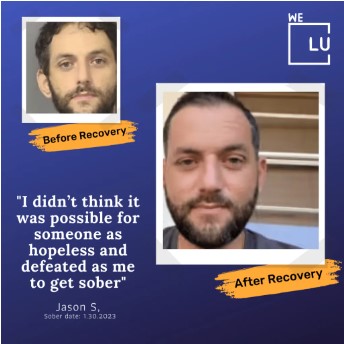
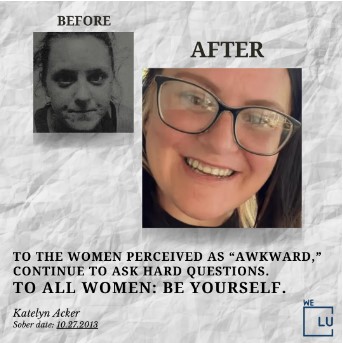
See our authentic success stories. Get inspired. Get the help you deserve.
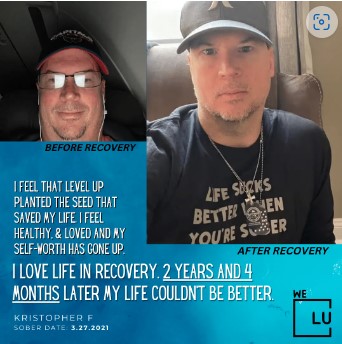
Start a New Life
Begin with a free call to an addiction & behavioral health treatment advisor. Learn more about our dual-diagnosis programs. The We Level Up treatment center network delivers various recovery programs at each treatment facility. Call to learn more.
- Personalized Care
- Caring Accountable Staff
- Comfortable Amenities
- Licensed & Accredited
- Renowned w/ 5-Star Reviews
We’ll Call You
Take a Step Forward
Psychoactive drugs can deeply affect the brain, body, and family life. Some medicines help when used correctly, but misuse can lead to serious harm. If you or someone you love is struggling, you are not alone. Clear information and caring support can change the future. Recovery is possible with the right treatment and guidance. Reach out today to learn more about safe, effective psychoactive substance abuse treatment and take the first step toward healing and hope.
Ready to get started? Call (201)389-9370 or email verifyadmissions@welevelup.com today. A better life is waiting for you.