
What Is Fentanyl: Uses, Risks, and Overdose Dangers
What is Fentanyl? Side Effects, Overdose, Withdrawal, & Addiction Treatment
Editor Yamilla Francese
Clinically Reviewed by Lauren Barry, LMFT, MCAP, QS
Medically Reviewed by Ali Nikbakht, PsyD
Updated on May 5, 2026 — Editorial Policy | Research Policy

What is fentanyl, and why has it become one of the most dangerous drugs affecting communities today? Fentanyl is a powerful opioid that has changed how people face drug use and overdose risk around the world. It is now a major public health concern in many places.
Many people first encounter it through prescriptions. Others take it without knowing through counterfeit pills or illegally made fentanyl products. Even a small amount can cause life threatening problems, especially when mixed with other drugs. This greatly increases the risk of accidental opioid overdose and serious health effects, showing the dangers of fentanyl in everyday situations.
At We Level Up NJ, we provide caring, evidence-based treatment to help people overcome fentanyl addiction and rebuild their lives safely.
Table of Contents
What Is Fentanyl?
Fentanyl is a synthetic opioid made for pain management. Doctors use it to treat severe or long-lasting pain. It is much stronger than many other opioids used in medical care today. This makes it helpful for pain relief but also very dangerous when misused.
In medical settings, it may be given as patches, injections, or nasal spray. These forms help doctors control the dose carefully. When used the right way, it helps people manage pain that other drugs cannot treat. Still, it must be used with close medical care because it can cause dependence.
The National Institute on Drug Abuse reports that fentanyl is up to 50 times stronger than heroin. This extreme strength explains the sharp rise in overdose deaths. The body adapts fast, so people often use more without knowing the risks. Addiction can develop fast and feel hard to control. This means even a small amount can strongly affect the brain and body.
This fentanyl drug overview also explains the risks of illegal use. Illegally made fentanyl is often mixed into counterfeit pills or other drugs. People may not know they are taking it. These drugs may look safe but can contain deadly amounts. This makes overdose more likely.
Fentanyl can quickly cause slowed breathing and other harmful side effects. Because of this, treatment is very important for safety and recovery. Without help, fentanyl addiction risks grow, and overdose becomes more likely. Long term use can harm both the body and mind. Treatment programs give support and structure to help people recover.

Get Your Life Back
Find Hope & Recovery. Get Safe Comfortable Detox, Addiction Rehab & Mental Health Dual Diagnosis High-Quality Care at the We Level Up Treatment Centers Network.
Hotline (877) 378-4154Signs You May Need Fentanyl Addiction Treatment
Recognizing the warning signs of fentanyl addiction early can prevent life threatening outcomes and improve recovery success.
- Needing a higher dose of fentanyl to feel the same effect
- Having withdrawal symptoms like nausea, sweating, anxiety, or cravings
- Using fentanyl even when it causes problems at work, home, or school
- Looking for counterfeit pills or unknown drugs that may contain fentanyl
- Having slowed breathing or near-overdose events after use
- Staying away from loved ones and losing interest in normal activities
If you notice these signs, it may mean fentanyl use is becoming a serious problem. Getting help early can lower the risk of opioid overdose and long term health issues.
Getting help also gives access to doctors, therapy, and structured treatment plans. These plans are made to support real and lasting change. Taking action now can help restore health, stability, and a better quality of life.
Fentanyl Fact Sheet
Fentanyl
Common brand names include Duragesic, Abstral, Subsys, and Ionsys
Fentanyl is considered a narcotic.
Fentanyl is used to treat severe pain.
Controlled substance
High risk for addiction and dependence. Can cause respiratory distress and death when taken in high doses or when combined with other substances, especially alcohol or other illicit drugs such as heroin or cocaine.
Brands: Duragesic, Abstral, Subsys, and Ionsys
Availability: Prescription needed
Pregnancy: Consult a doctor
Alcohol: Avoid. Very serious interactions can occur
Drug class: Opioid
Fentanyl
Common brands: Duragesic, Abstral, Subsys
Narcotic
It can treat severe pain.
DEA Warning Candy looking Fentanyl Dangers
The DEA has issued warnings that fentanyl pills look like candy are being sold across America. Likened to “rainbow fentanyl” in the media, the trend wherein fentanyl pills look like candy appears to be a new method used by drug cartels to sell the highly addictive drug.
Controlled substance
High risk for addiction and dependence. Can cause respiratory distress and death when taken in high doses or when combined with other substances, especially alcohol or other illicit drugs such as heroin or cocaine.
Brands: Duragesic, Abstral, Subsys, and Ionsys
Availability: Prescription needed
Pregnancy: Consult a doctor
Alcohol: Avoid. Very serious interactions can occur
Drug class: Opioid
Similar to other opioid analgesics, fentanyl produces effects such as: relaxation, euphoria, pain relief, sedation, confusion, drowsiness, dizziness, nausea and vomiting, urinary retention, pupillary constriction, and respiratory depression.
The drug fentanyl should not be used concomitant with certain medications such as CYP3A4 inhibitors like macrolide antibiotics or azole-antifungal agents, and protease inhibitors may increase plasma concentrations of fentanyl, extending the opioid drug action and exacerbating the opioid-induced respiratory depression
Warnings
Call your doctor right away if you or your child have a rash, itching, hoarseness, trouble breathing, trouble swallowing, or any swelling of your hands, face, or mouth while you are using this medicine. Do not use too much of this medicine or use it more often than your doctor tells you to
Why Choose We Level Up NJ for Fentanyl Addiction Treatment?
Choosing the right treatment center can make a big difference in recovery and long term success. At We Level Up NJ, we combine medical care with compassion to meet each person’s needs.
Our licensed team treats opioid addiction, including synthetic opioids like fentanyl and multiple substance use issues. We provide a safe place where people can heal physically, mentally, and emotionally.
Our programs include detox, therapy, and relapse prevention planning. These services help address fentanyl addiction risks in a complete way. Each client gets a plan based on their history, mental health, and goals.
We use proven methods like cognitive behavioral therapy and group counseling. These help build coping skills and strength. This full approach lowers the risk of opioid overdose and supports lasting recovery.
What to Expect During Fentanyl Treatment
Understanding treatment can make it easier to take the first step. The process starts with a full assessment of health, drug use, and mental health needs.
This helps create a plan that fits each person. Many people begin with medical detox to manage withdrawal symptoms safely.
During detox, medical staff help reduce pain and prevent problems like slowed breathing. After detox, clients move into therapy programs.
These programs include counseling, group therapy, and education about fentanyl dangers. They also teach ways to avoid relapse. Ongoing support helps people stay on track and build a drug-free future.
Benefits of Fentanyl Treatment
Effective fentanyl treatment offers life-changing benefits that support total well-being.
- Treatment for both mental health and addiction
- Personalized recovery plans
- Medical care to ease withdrawal symptoms
- Education about fentanyl test strips and safety
- Better physical health and lower overdose risk
- Strong support for long term recovery
These benefits help build a strong base for a healthy life. With care, therapy, and support, people can regain control and confidence.
Get Help. Get Better. Get Your Life Back.
Searching for Accredited Drug & Alcohol Rehab Centers Near You? Or Mental Health Support?
Even if you have failed previously, relapsed, or are in a difficult crisis, we stand ready to support you. Our trusted behavioral health specialists will not give up on you. Call us when you feel ready or want someone to speak to about therapy alternatives to change your life. Even if we cannot assist you, we will lead you wherever you can get support. There is no obligation. Call our hotline today.
FREE Addiction Hotline – Call 24/7How to Get Started with Fentanyl Addiction Treatment
Taking the first step toward recovery can feel overwhelming, but support is available to guide you through the process. At We Level Up NJ, our team is ready to help you understand your options and create a plan tailored to your needs. You can begin by calling our admissions team at (201) 389-9370 to discuss your situation and verify insurance coverage quickly. Scheduling a confidential consultation allows you to explore treatment programs and ask important questions. With the right support, recovery from fentanyl addiction is possible and within reach.
Comfortable Facilities & Amenities
High-Quality Addiction & Mental Health Rehabilitation Treatment
Rehab Centers TourRenowned Addiction Centers. Serene Private Facilities. Inpatient rehab programs vary.
Addiction Helpline (877) 378-4154Proven recovery success experience, backed by a Team w/ History of:
15+
Years of Unified Experience
100s
5-Star Reviews Across Our Centers
10K
Recovery Success Stories Across Our Network
- Low Patient to Therapist Ratio
- Onsite Medical Detox Center
- Comprehensive Dual-Diagnosis Treatment
- Complimentary Family & Alumni Programs
- Coaching, Recovery & Personal Development Events
World-class, Accredited, 5-Star Reviewed, Effective Addiction & Mental Health Programs. Complete Behavioral Health Inpatient Rehab, Detox plus Co-occuring Disorders Therapy.
CALL (877) 378-4154End the Addiction Pain. End the Emotional Rollercoaster. Get Your Life Back. Start Drug, Alcohol & Dual Diagnosis Mental Health Treatment Now. Get Free No-obligation Guidance by Substance Abuse Specialists Who Understand Addiction & Mental Health Recovery & Know How to Help.
FAQs About Fentanyl
1. What is fentanyl and why is it so dangerous?
What is fentanyl, and why is it so dangerous for many people today? It is a very strong synthetic opioid. It is much stronger than morphine and heroin. Because of this, even a small amount can cause an overdose. Many people do not know they are taking it, especially in counterfeit pills. Illegally made fentanyl can have different strengths each time. This makes it very hard to judge a safe dose. It can slow breathing or stop it, which can lead to death.
2. How does fentanyl affect the body?
Fentanyl affects the brain and central nervous system. It attaches to opioid receptors that control pain, feelings, and breathing. In medical use, it can help with severe pain. When misused, it can cause harmful side effects. These include sleepiness, confusion, nausea, and slowed breathing. Breathing can become so slow that it stops. Over time, the body may depend on the drug to feel normal. This can lead to addiction. Early treatment can help prevent serious health problems and support recovery.
3. What are the withdrawal symptoms of fentanyl?
Withdrawal symptoms can be strong and hard to handle without help. These symptoms may start just hours after the last dose. Common signs include muscle pain, sweating, anxiety, trouble sleeping, nausea, and strong cravings. Some people may also feel restless or have chills. These symptoms can last for several days or longer. Because withdrawal can increase the risk of relapse, medical detox is often recommended. Professional care helps keep people safe and makes symptoms easier to manage during this stage.
4. How do counterfeit pills increase fentanyl risks?
Counterfeit pills are fake pills made to look like real medicine. Many of these pills contain illegally made fentanyl. People often do not know what they are taking. This makes overdose more likely. The amount of fentanyl in each pill can change, so it is very unsafe. Even people who have used drugs before can take too much by mistake. These pills are easy to find and often sold as safe drugs. Fentanyl test strips can help check for the drug, but they do not remove all risk.
5. How is fentanyl used in medicine?
What is fentanyl used for in medical care? Doctors use it for pain management in serious cases. It helps people with severe pain after surgery or from major illness. It may be given as patches, injections, or nasal spray. These forms help doctors control the dose carefully. When used the right way, it can be safe and helpful. However, it must be closely monitored. If misused or taken without a doctor’s care, it can lead to dependence, addiction, and other serious health risks.
6. Can fentanyl addiction be treated successfully?
Yes, fentanyl addiction can be treated with the right care and support. Treatment often begins with medical detox to manage withdrawal symptoms safely. After detox, people may join therapy programs to learn new coping skills. These programs can include counseling, group therapy, and relapse prevention. Treatment also focuses on both mental and physical health. Ongoing care and support are very important for long term success. With the right help, people can recover, rebuild their lives, and stay free from drug use.
7. Why is fentanyl linked to opioid overdose deaths?
Fentanyl is linked to many opioid overdose deaths because it is very strong and works fast. Even a small amount can slow or stop breathing. This makes overdose more likely, especially when people do not know they are taking it. Many drugs today are mixed with fentanyl without warning. This increases danger for users. Synthetic opioids like fentanyl are now a leading cause of overdose deaths. Education, prevention, and access to treatment are key to reducing these life threatening risks.
What are the long term effects of fentanyl use?
Long term use of fentanyl can harm both the body and mind. It can change how the brain works and affect emotions and thinking. People may have trouble handling stress or feel anxious or depressed. It can also damage organs and weaken the immune system. Over time, the risk of repeated overdose becomes higher. Addiction can also affect relationships and daily life. Early treatment can help reduce these risks. With care and support, people can begin to heal and work toward recovery.
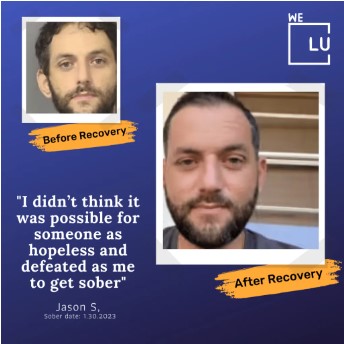
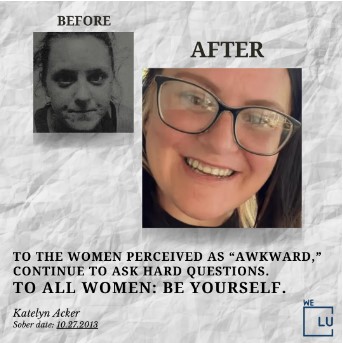
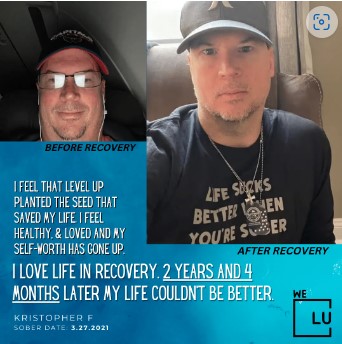
Experience Transformative Recovery at the We Level Up Treatment Center.
See our authentic success stories. Get inspired. Get the help you deserve.
Start a New Life
Begin with a free call to an addiction & behavioral health treatment advisor. Learn more about our dual-diagnosis programs. The We Level Up treatment center network delivers various recovery programs at each treatment facility. Call to learn more.
- Personalized Care
- Caring Accountable Staff
- Comfortable Amenities
- Licensed & Accredited
- Renowned w/ 5-Star Reviews
We’ll Call You
Search for “What is Fentanyl?” & Other Resources
Sources
[1] We Level Up NJ – Fentanyl Overdose – https://www.welevelupnj.com/fentanyl-addiction/fentanyl-overdose
[2] National Institute on Drug Abuse – Fentanyl Research Topic – https://nida.nih.gov/research-topics/fentanyl
[3] Drug Enforcement Administration – Synthetic Opioids 2020 Report – https://www.dea.gov/sites/default/files/2020-06/Synthetic%20Opioids-2020.pdf
[4] Massachusetts Government – Opioid Overdose Risk Factors – https://www.mass.gov/info-details/opioid-overdose-risk-factors