
Ativan vs Valium: Medication Risks and Differences
Ativan vs Valium shows the most important differences between these two benzodiazepines. Valium (Diazepam) lasts longer and works more slowly, making it suitable for long-term treatment of anxiety, muscle spasms, and alcohol withdrawal. Ativan (Lorazepam) works quickly and doesn’t last as long, which makes it a better choice for treating acute anxiety and panic disorders. Both drugs can make you sleepy, but Valium is stronger.
Editor Yamilla Francese
Clinically Reviewed by Lauren Barry, LMFT, MCAP, QS
Medically Reviewed by Ali Nikbakht, PsyD
Updated on May 13, 2026 — Editorial Policy | Research Policy
Understanding the Ativan vs Valium comparison is important. It matters for people with anxiety, panic attacks, or other mental health issues. This benzodiazepine medication comparison helps patients and families learn how these commonly prescribed drugs affect the central nervous system.
Both drugs can calm you and make you feel sleepy. But they differ in strength, how fast they work, and how safe they are. Misuse, high doses, or long-term use can raise the risk of dependence and overdose. They can also cause serious health problems. Many people do not notice when normal use becomes unsafe or habit-forming.
At We Level Up NJ, we offer expert addiction treatment to help people recover safely and take back control.
Table of Contents
Ativan vs Valium: What Is the Difference?
Lorazepam (Ativan) is a short-acting benzodiazepine. It is often used for anxiety or panic attacks. Diazepam (Valium) is a long-acting benzodiazepine. It stays in the body longer and helps with ongoing symptoms. Both drugs slow the central nervous system. They calm brain activity. This can cause relaxation and drowsiness. It may help reduce anxiety.
Understanding Ativan and Valium differences helps people choose the right care. Ativan works fast, so it helps with sudden symptoms, but it may need to be taken more often. Valium works slower but lasts longer, so it may give longer relief for some people. These differences can affect how doctors prescribe each medication.
They also differ in how the body handles each drug. Ativan leaves the body faster, while Valium stays longer because of active parts called metabolites. These can build up over time, especially with repeated use or high doses. Because of this, Valium may cause longer effects than Ativan.
Both drugs are often prescribed, but they carry risks if not used as directed. Their sedating effects can cause poor balance, memory issues, and slower thinking. Long-term use can increase the risk of dependence, withdrawal symptoms, and other side effects. Knowing these risks can help people stay safe and avoid serious problems.
According to the National Institute on Drug Abuse, misusing benzodiazepines can raise overdose risk. This risk is even higher when combined with opioids. This shows why it is important to understand benzo drug vs drug risks. People who mix these drugs with other substances face a much higher risk of overdose. Professional care and addiction treatment can lower these risks. They can also support recovery.
Learn More:
- Benzodiazepine Detox, Withdrawal, Symptoms, Timeline, & Treatment
- Benzodiazepines List
- Anxiety Symptoms
- Benzodiazepines List
- Is Ativan Stronger Than Klonopin? Ativan vs Klonopin, Differences and Side-Effects. Switching From Ativan to Klonopin.
- How Does Ativan Make You Feel? Benefits, Side Effects, and Risks
Get Help. Get Better. Get Your Life Back.
Searching for Accredited Drug & Alcohol Rehab Centers Near You? Or Mental Health Support?
Even if you have failed previously, relapsed, or are in a difficult crisis, we stand ready to support you. Our trusted behavioral health specialists will not give up on you. Call us when you feel ready or want someone to speak to about therapy alternatives to change your life. Even if we cannot assist you, we will lead you wherever you can get support. There is no obligation. Call our hotline today.
FREE Addiction Hotline – Call 24/7Ativan Drug Facts
Ativan Overview
Ativan is a proprietary name for lorazepam, a benzodiazepine medication. Ativan is commonly prescribed to treat anxiety disorders such as generalized anxiety, panic, and social anxiety. This medication may also be prescribed for managing insomnia and symptoms associated with alcohol withdrawal.
Ativan functions by augmenting the function of a neurotransmitter known as GABA, which aids in the relaxation of the nervous system and mitigating anxious emotions. The medication is typically administered orally via tablet, and its onset of action is typically observed within 30 to 60 minutes post-administration.
Ativan Abuse Treatment
The abuse of Ativan may result in physical dependence and addiction, which can be challenging to overcome without appropriate medical intervention. The standard approach for managing Ativan abuse generally entails a blend of detoxification, counseling, and therapy.
Effects Of Ativan High Overdose
An Ativan High overdose occurs when someone takes more than the recommended dose. This can happen accidentally, like when someone forgets they took a dose and takes another, or intentionally, like when someone abuses the drug. Ativan overdose can cause serious side effects, including:
- Respiratory Depression: Ativan overdose causes respiratory depression. Ativan slows the central nervous system, including breathing, causing breathing problems, low oxygen levels, and coma.
- Cardiovascular Instability: Ativan overdose can cause heart rate, blood pressure, and cardiac arrest.
- Central Nervous System Depression: Ativan overdose can cause drowsiness, confusion, and coordination.
- Coma: Severe Ativan overdose can cause a coma.
- Death: Ativan overdose rarely kills.
Signs You May Need Ativan vs Valium Treatment
Noticing warning signs early can help prevent problems. This applies to Ativan and Valium (diazepam) misuse and dependence.
- Having memory problems, confusion, or poor coordination.
- Taking more than prescribed, or raising doses without your doctor’s approval.
- Feeling sick or anxious when trying to stop using the medication.
- Using benzodiazepines to cope with stress or emotional pain.
- Needing higher doses to get the same calming or sedating effect.
- Mixing drugs with alcohol or opioids, which raises overdose risk.

Get Your Life Back
Find Hope & Recovery. Get Safe Comfortable Detox, Addiction Rehab & Mental Health Dual Diagnosis High-Quality Care at the We Level Up Treatment Centers Network.
Hotline (877) 378-4154Benefits of Ativan vs Valium Treatment
Getting help for Ativan vs Valium misuse has many important benefits.
- Strong relapse prevention skills for lasting recovery
- Treatment for addiction and mental health conditions together
- Care plans made for each person’s needs
- Safe detox that lowers withdrawal risks
- Learning about benzodiazepine medication comparison and safe use
- Lower risk of overdose and long-term problems
Comfortable Facilities & Amenities
High-Quality Addiction & Mental Health Rehabilitation Treatment
Rehab Centers TourRenowned Addiction Centers. Serene Private Facilities. Inpatient rehab programs vary.
Addiction Helpline (877) 378-4154Proven recovery success experience, backed by a Team w/ History of:
15+
Years of Unified Experience
100s
5-Star Reviews Across Our Centers
10K
Recovery Success Stories Across Our Network
- Low Patient to Therapist Ratio
- Onsite Medical Detox Center
- Comprehensive Dual-Diagnosis Treatment
- Complimentary Family & Alumni Programs
- Coaching, Recovery & Personal Development Events
What to Expect During Ativan vs Valium Treatment
Treatment starts with a full check of health, drug use, and mental health needs. This helps the care team build a plan that fits each person. The benzodiazepine medication comparison helps guide safe tapering and withdrawal care.
Medical detox may be needed, especially for people using high doses or long-term use. Doctors slowly lower doses to ease withdrawal symptoms and keep patients safe. Therapy helps people learn coping skills, manage emotions, and avoid relapse. Ongoing care includes support plans and counseling for long-term recovery.
World-class, Accredited, 5-Star Reviewed, Effective Addiction & Mental Health Programs. Complete Behavioral Health Inpatient Rehab, Detox plus Co-occuring Disorders Therapy.
CALL (877) 378-4154End the Addiction Pain. End the Emotional Rollercoaster. Get Your Life Back. Start Drug, Alcohol & Dual Diagnosis Mental Health Treatment Now. Get Free No-obligation Guidance by Substance Abuse Specialists Who Understand Addiction & Mental Health Recovery & Know How to Help.
Experience Transformative Recovery at the We Level Up Treatment Center.
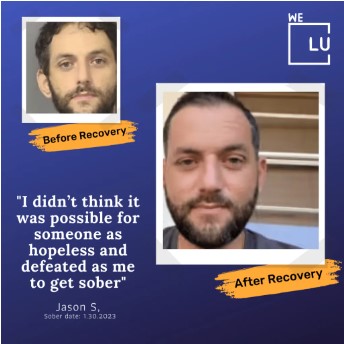
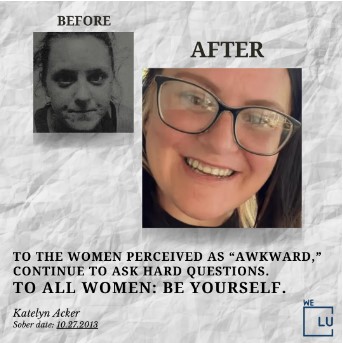
See our authentic success stories. Get inspired. Get the help you deserve.
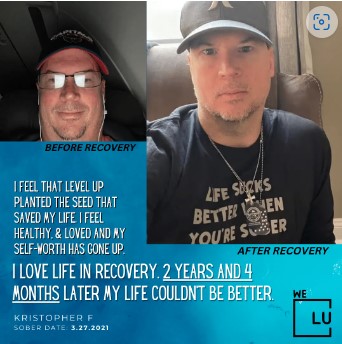
Start a New Life
Begin with a free call to an addiction & behavioral health treatment advisor. Learn more about our dual-diagnosis programs. The We Level Up treatment center network delivers various recovery programs at each treatment facility. Call to learn more.
- Personalized Care
- Caring Accountable Staff
- Comfortable Amenities
- Licensed & Accredited
- Renowned w/ 5-Star Reviews
We’ll Call You
How to Get Started with Ativan vs Valium Treatment
To start treatment for Ativan or Valium dependence, reach out for help. Get professional support and clear guidance. At We Level Up NJ, our admissions team will help you explore your options. We will help you start your recovery journey with confidence.
We provide private consultations. We also offer easy insurance checks. Plus, we create care plans just for you. Our goal is to make the process easy, safe, and supportive from the very first step.
Taking action now can improve your health, safety, and future. Support is always available, and recovery is possible with the right help. Call us today at (201) 389-9370 to get started.
FAQs About Ativan vs Valium
What is the Ativan vs Valium comparison used for?
The Ativan vs Valium comparison helps doctors choose the best medicine for anxiety or panic disorders. It looks at how fast each drug works, how long it lasts, and the risks involved. Understanding Ativan and Valium differences helps make treatment safer and more effective. This comparison also helps doctors spot misuse and decide the right addiction treatment plan.
What are the key Ativan and Valium differences?
The Ativan vs Valium differences are simple. Ativan works fast and often gives short-term relief from sudden symptoms. Valium lasts longer and stays in the body longer. Valium can build up in the body over time. This can cause longer-lasting effects. Ativan may need to be taken more often. These differences affect how each drug works. They also affect how likely dependence is.
Which drug has higher benzo drug vs drug risks?
Both drugs have serious risks. The risks rise with high doses or long-term use. Ativan may cause faster dependence. It works fast and wears off sooner. Valium stays in the body longer. It can build up over time. These risks get worse with alcohol or opioids. Medical care can lower these risks. It also helps keep us safer.
Can benzodiazepines increase the risk of overdose?
Yes, benzodiazepines can increase the risk of overdose, especially when taken with opioids like fentanyl. The sedating effect slows the central nervous system, including breathing and heart rate. According to the Centers for Disease Control and Prevention, mixing these drugs raises overdose risk a lot. This is why medical monitoring and addiction treatment are very important for safety.
What is fentanyl and how does it relate to benzodiazepines?
Fentanyl is a very strong synthetic opioid. It is linked to many overdose deaths in the United States. It can slow breathing and brain activity. When mixed with benzodiazepines, the calming effects can become very dangerous. Knowing fentanyl addiction risks can help people avoid harmful drug mixes and stay safe.
Are these medications safe for long-term use?
Long-term use of benzodiazepines is usually not recommended. It can increase the risk of dependence and side effects. Over time, the body can build tolerance. Then higher doses may be needed for the same effect. This can raise the risk of addiction and overdose. Doctors often suggest short-term use with therapy. This can be a safer way to treat anxiety.
What side effects include drowsiness and cognitive issues?
Common side effects include drowsiness, confusion, dizziness, and poor coordination. These problems can get worse with high doses or long-term use. Some people may also have memory problems or trouble thinking clearly. Medical supervision helps with these effects. It also makes medication use safer.
How does treatment help with Ativan vs Valium dependence?
Treatment for Ativan vs Valium dependence gives support through medical detox, therapy, and recovery planning. Doctors help lower doses safely to reduce withdrawal symptoms. Patients learn coping skills and ways to avoid relapse. This full approach supports better long-term recovery and overall health.
Ativan vs Valium | Cope With Depression Informative Video
Take a Step Forward
If comparing Ativan vs Valium has made you worry about your health or safety, you are not alone. Many people feel trapped between anxiety relief and fear of dependence. You deserve care that protects your body and supports your mind’s healing.
You do not have to manage this alone or feel ashamed for needing help. With the right support, stability can be restored.
Call We Level Up NJ today at (877) 378-4154. Let this call be the moment you choose clarity, safety, and a future free from fear.
Search Ativan vs Valium, What’s the Difference and Which is Better? Topics & Resources
Sources
[1] We Level Up NJ – Ativan Side Effects – https://www.welevelupnj.com/ativan/ativan-side-effects
[2] National Center for Biotechnology Information (NCBI) – Benzodiazepine Effects and Risks Study – https://pmc.ncbi.nlm.nih.gov/articles/PMC6007645/
[3] MedlinePlus – Lorazepam Drug Information – https://medlineplus.gov/druginfo/meds/a682047.html
[4] National Institute on Drug Abuse – Benzodiazepines and Opioids – https://nida.nih.gov/research-topics/opioids/benzodiazepines-opioids
[5] Centers for Disease Control and Prevention – Alcohol and Other Drug Use – https://www.cdc.gov/alcohol/about-alcohol-use/other-drug-use.html