
Recognizing Fentanyl Overdose: Signs and Emergency Response
Fentanyl Overdose, Dangers, Abuse, Signs of Addiction, Detox, and Treatment
Editor Yamilla Francese
Clinically Reviewed by Lauren Barry, LMFT, MCAP, QS
Medically Reviewed by Ali Nikbakht, PsyD
Updated on May 26, 2026 — Editorial Policy | Research Policy
Recognizing a Fentanyl Overdose

Recognizing a fentanyl overdose can save a life. Fentanyl is a very strong opioid drug. It can slow breathing very fast. Even a small amount can be deadly. Many people do not know they took fentanyl. It is often mixed into street drugs. Look for slow or no breathing. The person may not wake up. Their lips or nails may turn blue. Their skin may feel cold or wet. You may hear choking or gurgling sounds. These are serious warning signs. Give naloxone if you have it. Stay with the person until help comes. Fast action can mean the difference between life and death.
Table of Contents
Get Your Life Back
Find Hope & Recovery. Get Safe Comfortable Detox, Addiction Rehab & Mental Health Dual Diagnosis High-Quality Care at the We Level Up Treatment Centers Network.
Hotline (877) 378-4154What is a Fentanyl Overdose?
A fentanyl overdose happens when someone takes too much fentanyl. This very strong opioid can slow breathing and heart rate very fast. It can happen from pills, patches, or street drugs. Even a tiny amount can be deadly. Fentanyl is up to 50 times stronger than heroin. Many street drugs now have hidden fentanyl, so people may not know they are using it. According to the CDC, over 70,000 deaths in 2022 involved synthetic opioids like fentanyl. This shows how serious the problem is. Professional fentanyl overdose treatment can save lives, and quick action is always needed.
When a person overdoses, their body can shut down fast. Breathing may stop, and the brain may not get enough oxygen. They may look very sleepy or not wake up at all. Lips or fingers can turn blue, and skin may feel cold or wet. Other signs include very small pupils, weak pulse, or choking sounds. Overdose can happen to anyone, even if they have used fentanyl before without problems. Fentanyl overdose is an emergency. Give naloxone if you have it, and stay with the person until medical help arrives. Fast care can save a life and prevent serious brain damage.
Warning Signs of a Fentanyl Overdose
Fentanyl overdose can happen quickly and may be life-threatening. Knowing the signs early can save a life. These signs show that someone needs help right away.
- Slow or no breathing – The person may take very few breaths or stop breathing completely.
- Blue lips or fingernails – This shows the body is not getting enough oxygen.
- Very small pupils – The black part of the eyes may shrink to tiny dots.
- Cold, clammy, or pale skin – The skin may feel wet, cold, or look gray.
- Cannot wake the person – They may be unresponsive to talking, shaking, or pain.
- Weak or no pulse – Their heartbeat may feel very slow, weak, or disappear.
- Choking, gurgling, or snoring sounds – This shows breathing is blocked or unsafe.
- Severe confusion or dizziness – They may not know where they are or who they are with.
- Nausea or vomiting – This can happen before or during an overdose.
These fentanyl overdose symptoms are serious. If you notice one or more, the person needs medical help immediately. An overdose can happen to anyone, even if they have taken fentanyl before. Acting fast can save a life and reduce long-term brain damage. Always stay with the person until trained help or emergency services arrive.
Get Help. Get Better. Get Your Life Back.
Searching for Accredited Drug & Alcohol Rehab Centers Near You? Or Mental Health Support?
Even if you have failed previously, relapsed, or are in a difficult crisis, we stand ready to support you. Our trusted behavioral health specialists will not give up on you. Call us when you feel ready or want someone to speak to about therapy alternatives to change your life. Even if we cannot assist you, we will lead you wherever you can get support. There is no obligation. Call our hotline today.
FREE Addiction Hotline – Call 24/7Why Choose We Level Up NJ for Fentanyl Overdose?
At We Level Up NJ, we treat fentanyl overdose with speed and care. Our medical team is trained in opioid overdose emergency signs. We act fast to protect breathing and heart function. Safety is always our first goal.
We also provide full fentanyl overdose treatment after the crisis ends. Our programs treat addiction and mental health together. This dual care model helps prevent future overdose risks. Each client receives a custom recovery plan.
Our licensed staff includes doctors, nurses, and therapists. We use evidence-based therapies and medication support. Families also receive guidance and education. Fentanyl overdose recovery takes teamwork and trust.
Ready to get started? Call (201)389-9370 or email verifyadmissions@welevelup.com today. A better life is waiting for you.
Comfortable Facilities & Amenities
High-Quality Addiction & Mental Health Rehabilitation Treatment
Rehab Centers TourRenowned Addiction Centers. Serene Private Facilities. Inpatient rehab programs vary.
Addiction Helpline (877) 378-4154Proven recovery success experience, backed by a Team w/ History of:
15+
Years of Unified Experience
100s
5-Star Reviews Across Our Centers
10K
Recovery Success Stories Across Our Network
- Low Patient to Therapist Ratio
- Onsite Medical Detox Center
- Comprehensive Dual-Diagnosis Treatment
- Complimentary Family & Alumni Programs
- Coaching, Recovery & Personal Development Events
What to Expect During Fentanyl Overdose Treatment?
First, our team checks breathing, pulse, and oxygen levels. We may use naloxone to reverse opioid effects. Emergency support keeps the person stable and safe. Medical staff monitors the body closely. They also watch for other health problems that can happen during an overdose. This includes low blood pressure, heart issues, or infection.
Next comes a full health and mental assessment. We look at substance use history and mental health needs. This helps us understand fentanyl overdose risks for each person. A custom treatment plan is created. The plan may include medicine, therapy, and support groups.
After detox, therapy begins. Clients join group and one-on-one sessions weekly. We teach relapse prevention and coping skills. Education about fentanyl overdose risks is also included. Families may join sessions for support. Ongoing care lowers future fentanyl overdose risks. We help clients build healthy routines, learn stress management, and stay safe.
Benefits of Fentanyl Overdose Treatment
- Fast medical support during a crisis
- Safe detox and monitoring
- Mental health and addiction care together
- Personalized recovery planning
- Family education and support
- Lower risk of future overdose
How to Get Started with Fentanyl Overdose Help
If you or someone you love shows fentanyl overdose symptoms, act fast. Call 911 right away for emergency care. After emergency support, contact We Level Up NJ for full treatment. Our caring team will answer your questions with respect and privacy. We verify insurance and explain each step clearly. Recovery can start today with one simple call. Ready to get started? Call us at (201) 389-9370 and speak with a trained specialist now.
Ready to get started? Call (201)389-9370 or email verifyadmissions@welevelup.com today. A better life is waiting for you.
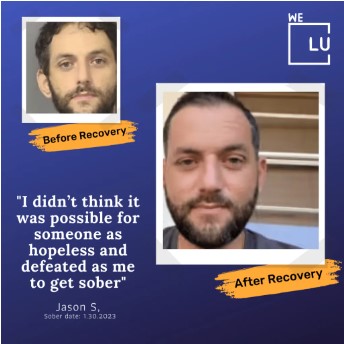
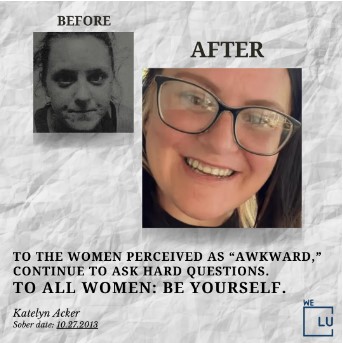
Experience Transformative Recovery at the We Level Up Treatment Center.
See our authentic success stories. Get inspired. Get the help you deserve.
Start a New Life
Begin with a free call to an addiction & behavioral health treatment advisor. Learn more about our dual-diagnosis programs. The We Level Up treatment center network delivers various recovery programs at each treatment facility. Call to learn more.
- Personalized Care
- Caring Accountable Staff
- Comfortable Amenities
- Licensed & Accredited
- Renowned w/ 5-Star Reviews
We’ll Call You
FAQs About Fentanyl Overdose
What are the first fentanyl overdose symptoms?
The first fentanyl overdose symptoms often include slow breathing and extreme sleepiness. A person may not respond when you call their name. Their lips or nails may turn blue. Other signs include very small pupils, cold skin, or a weak pulse. Fast help can save a life.
How is fentanyl overdose treatment given?
Fentanyl overdose treatment often begins with naloxone. This medicine can reverse opioid effects quickly. Doctors also give oxygen and monitor the heart closely. After emergency care, follow-up treatment helps prevent future overdoses and lowers long-term health risks.
What increases fentanyl overdose risks?
Mixing fentanyl with alcohol or other drugs raises fentanyl overdose risks. Using alone also increases danger. Street drugs may contain hidden fentanyl without warning. Past overdose history is another serious risk factor.
Can someone recover after a fentanyl overdose?
Yes, recovery is possible with proper care. After a fentanyl overdose, ongoing addiction treatment is very important. Therapy and medicine support reduce relapse risk. Long-term support improves survival, health, and quality of life.
Is a fentanyl overdose always fatal?
No, a fentanyl overdose is not always fatal. Quick action and proper medical care can reverse the effects. However, delays in care increase the chance of death. Always treat an overdose as a serious emergency.
How can families prevent future overdoses?
Families can learn to spot fentanyl overdose symptoms early. Keep naloxone at home if the risk is high. Encourage ongoing treatment and therapy. Support and education lower future fentanyl overdose risks.
What should you do immediately if you suspect an overdose?
If you notice fentanyl overdose symptoms, keep the person awake if possible. Help them sit or lie on their side safely. Give naloxone if available. Stay with the person until trained medical help arrives. Quick action can save a life and prevent brain damage.
How long does it take to recover from a fentanyl overdose?
Recovery time depends on the severity of the overdose and overall health. Some people may need days of medical care for detox. Therapy, counseling, and support programs can last weeks to months. Continuous care helps reduce future fentanyl overdose risks and improves long-term safety.