
Dual Diagnosis Treatment in New Jersey: Recovery
Dual Diagnosis Treatment in New Jersey When someone struggles with addiction, people often focus only on the drug or alcohol use. When someone struggles with anxiety, depression, trauma, or another mental health issue, people often focus only on emotions and behavior. But for many people, both problems happen at the same time, and the pain […]
Editor Yamilla Francese
Clinically Reviewed by Lauren Barry, LMFT, MCAP, QS
Medically Reviewed by Ali Nikbakht, PsyD
Updated on May 21, 2026 — Editorial Policy | Research Policy
Dual Diagnosis Treatment in New Jersey
When someone struggles with addiction, people often focus only on the drug or alcohol use. When someone struggles with anxiety, depression, trauma, or another mental health issue, people often focus only on emotions and behavior.
But for many people, both problems happen at the same time, and the pain becomes much harder to manage. This is why dual diagnosis treatment is important for real recovery. Many people seek support from We Level Up in Lawrenceville, NJ.
Table of Contents
What Is Dual Diagnosis Treatment?
Dual diagnosis treatment is care that treats addiction and mental health conditions together. It is designed for people who have a substance use disorder and a mental health disorder at the same time.
This type of treatment matters because addiction and mental health problems often feed each other. If one issue is ignored, the other can get worse. Many people relapse not because they want to, but because their mental health symptoms return and feel too hard to handle. Dual diagnosis care helps break that cycle by treating the whole person.
What Does “Dual Diagnosis” Mean?
A dual diagnosis means a person has two connected conditions:
- A substance use disorder, such as alcohol addiction, opioid addiction, or benzo misuse
- A mental health disorder, such as anxiety, depression, PTSD, or bipolar disorder
Professionals also call this a co-occurring disorder. You may also see it described as co-occurring disorder.
This is not rare. It is actually very common in treatment settings. Many people with addiction also face mental health issues. These problems can make daily life feel unsafe or overwhelming.
Why Mental Health and Addiction Often Happen Together
Mental health and addiction often connect in ways that are hard to see at first. Many people do not start using substances because they want to lose control. They start because they want relief.
Some people drink alcohol to calm anxiety. Some people use drugs to feel less depressed. Others take pills to sleep, stop panic attacks, or block trauma memories.
At first, the substance may feel like a solution. Over time, the brain starts to depend on it.
Substance use can also create mental health symptoms. Drugs and alcohol can change sleep, mood, memory, and emotional stability. A person may feel more anxious or depressed after long-term use, even if they did not feel that way before.
This creates a cycle. The person uses to cope, then feels worse, then uses again.

Common Mental Health Disorders in Dual Diagnosis
Dual diagnosis treatment helps people with mental health issues. This includes anxiety disorders, depression, PTSD, bipolar disorder, ADHD, and other serious mood and stress problems. Each condition affects the brain in different ways, but many lead to the same result. The person feels overwhelmed and tries to numb the pain.
Some people feel bad about having mental health problems as well. They might keep them from their family or not talk about them. They might be afraid of being judged or given a name. A good dual diagnosis program treats people with mental health problems with care and respect.

Get Your Life Back
Find Hope & Recovery. Get Safe Comfortable Detox, Addiction Rehab & Mental Health Dual Diagnosis High-Quality Care at the We Level Up Treatment Centers Network.
Hotline (877) 378-4154Signs You May Need Dual Diagnosis Treatment
A lot of people don’t know they need care for a dual diagnosis until they try treatment and fail. Some people feel it early on, but they aren’t sure what they are feeling.
You might need dual diagnosis treatment if you feel you can’t stay sober without treating your mental health issues. You may also need it if you feel mentally unstable without substances.
Here are common signs:
- You use alcohol or drugs to calm anxiety or panic
- You feel depressed, numb, or hopeless when sober
- You relapse during stress, conflict, or trauma triggers
- You feel cravings when mental health symptoms rise
- You have tried rehab before but still struggled afterward
These signs do not mean you failed. They often mean you need a treatment plan that fits your real needs.
Comfortable Facilities & Amenities
High-Quality Addiction & Mental Health Rehabilitation Treatment
Rehab Centers TourRenowned Addiction Centers. Serene Private Facilities. Inpatient rehab programs vary.
Addiction Helpline (877) 378-4154Proven recovery success experience, backed by a Team w/ History of:
15+
Years of Unified Experience
100s
5-Star Reviews Across Our Centers
10K
Recovery Success Stories Across Our Network
- Low Patient to Therapist Ratio
- Onsite Medical Detox Center
- Comprehensive Dual-Diagnosis Treatment
- Complimentary Family & Alumni Programs
- Coaching, Recovery & Personal Development Events
Why Treating Only Addiction Often Fails
A lot of services only help people stop using drugs. In the short run, this might help. A person can go through detox, join groups, and feel inspired.
But then life comes back. Stress comes back. Panic comes back. Trauma memories come back. Depression comes back. When someone is upset, they feel like they can’t breathe.
When mental health symptoms remain untreated, relapse risk rises.
This is one reason people may feel confused and ashamed after relapse. They may think they did not try hard enough. In reality, they may not have received the right kind of care.
Why Treating Only Mental Health Often Fails Too
Some people only go to therapy for depression or worry. Therapy can be very helpful, but addiction can get in the way of success.
Drugs change the mind and feelings. They also make daily life a mess. It’s harder to learn good ways to deal with problems if someone keeps using drugs. This is why mental health and addiction care works best when both conditions are treated together.
World-class, Accredited, 5-Star Reviewed, Effective Addiction & Mental Health Programs. Complete Behavioral Health Inpatient Rehab, Detox plus Co-occuring Disorders Therapy.
CALL (877) 378-4154End the Addiction Pain. End the Emotional Rollercoaster. Get Your Life Back. Start Drug, Alcohol & Dual Diagnosis Mental Health Treatment Now. Get Free No-obligation Guidance by Substance Abuse Specialists Who Understand Addiction & Mental Health Recovery & Know How to Help.
What Happens in a Dual Diagnosis Treatment Program?
A full evaluation is the first step in a good dual diagnosis treatment program. This helps the team learn about the person’s past trauma, drug use, mental health, and present needs.
From there, the program builds one plan that supports both recovery goals.
Someone can get treatment, help with their addiction, and training on how to avoid relapse. They might also get help with their medications when they need it. Perhaps most importantly, the care is well organized. Mental health and addiction are seen as intertwined, not as distinct.
Why Integrated Rehab Services Matter
The best programs have rehab services built right in. In other words, the same group of people treat both diseases.
Mental health problems are not seen as “secondary” in integrated care. People don’t see addiction as “the only problem.” Instead, the person gets help with both issues at the same time.
This is important because mental pain can lead to addiction. Getting better is more stable when the pain is managed.
Therapy Approaches Used in Dual Diagnosis Care
Therapy is a key part of dual diagnosis treatment. It helps people understand their thoughts, emotions, behaviors, and triggers.
Common therapy types include:

Cognitive Behavioral Therapy (CBT)
CBT helps people see when their thoughts are hurting them and change them to better ones. It can help with addiction, anxiety, and depressed triggers.
DBT
DBT can help with controlling your emotions, acting without thinking, and having strong feelings. It helps with stress, wanting to hurt yourself, and mood swings.
Trauma-Informed Therapy
Many people with addiction have trauma histories. Trauma-informed therapy focuses on safety, trust, and healing without re-traumatizing the person.
Group Therapy
Group therapy reduces isolation. It helps people feel understood. It also teaches communication and coping skills.
We Level Up New Jersey

Licensed, Accredited w/ 100s of 5-star reviews.
- Addiction rehab center
- Detox center
- Dual diagnosis rehab center
We Level Up Lake Worth
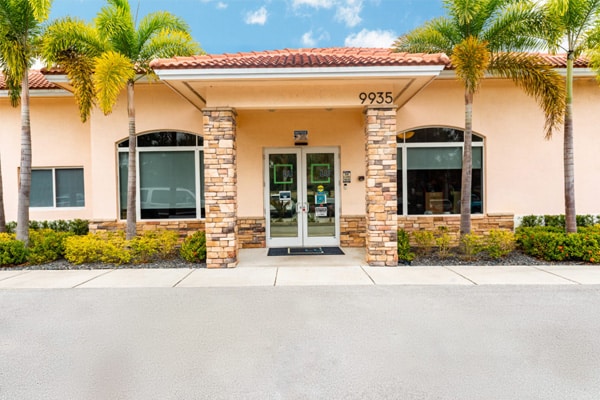
Licensed, Accredited w/ 100+ 5-star reviews.
- Addiction rehab center
- Detox center
- Dual diagnosis rehab center
We Level Up Fort Lauderdale

Licensed, Accredited w/ 5-star reviews.
- Mental health center
- Depression, anxiety, trauma treatment
- Dual diagnosis rehab programs
Medication Support and Mental Health Stability
Some people need to take medicine to help them get better. Mood stabilizers, antidepressants, and anxiety medicines can help people sleep better and feel better.
Taking medicine won’t help. But it can help lessen symptoms long enough for someone to go to therapy and learn new ways to deal with their problems.
A good dual illness program carefully keeps an eye on medications. It also looks at a person’s past of addiction when choosing medication, since some drugs can be dangerous if they are abused.
Detox and Withdrawal in Dual Diagnosis Recovery
Some people need medical detox first. When someone stops using drugs, detox helps their body safely change.
For booze, benzodiazepines, opioids, and other drugs, detox may be needed. It can be painful and even dangerous to go through withdrawal. This is very true for drugs like booze and benzos.
This kind of treatment helps keep the person safe. Better health is also less likely to happen. Once the body is back to normal, more intensive mental health care works better.
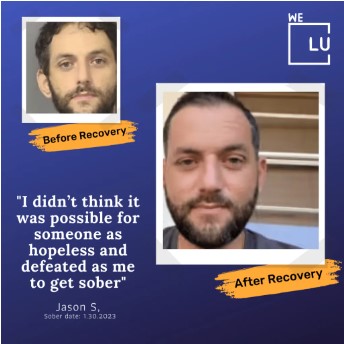
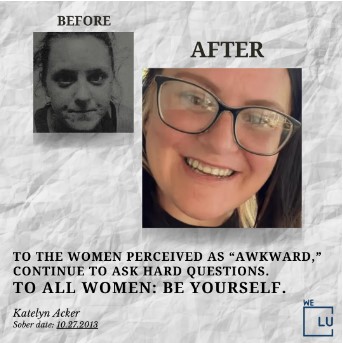
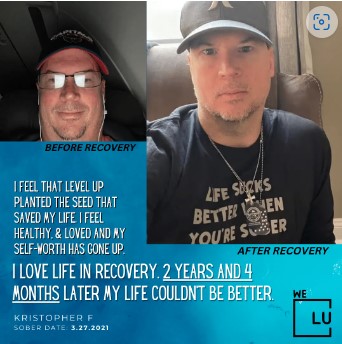
Experience Transformative Recovery at the We Level Up Treatment Center.
See our authentic success stories. Get inspired. Get the help you deserve.
Start a New Life
Begin with a free call to an addiction & behavioral health treatment advisor. Learn more about our dual-diagnosis programs. The We Level Up treatment center network delivers various recovery programs at each treatment facility. Call to learn more.
- Personalized Care
- Caring Accountable Staff
- Comfortable Amenities
- Licensed & Accredited
- Renowned w/ 5-Star Reviews
We’ll Call You
Co-Occurring Disorder Treatment NJ: Why Local Support Helps
Choosing co-occurring disorder treatment NJ can help with long-term recovery. After treatment ends, people still need support. They may need outpatient therapy, follow-up care, and relapse prevention planning.
Staying connected to local resources can make recovery feel more realistic. It can also reduce isolation, which is a major relapse trigger.
New Jersey residents often benefit from staying close to recovery support while still getting professional treatment.
Why Choose We Level Up NJ for Dual Diagnosis Treatment
Get the help you or someone you care about needs if they are having a hard time with dual diagnosis treatment needs. A lot of people feel bad about being addicted. Also, a lot of people are scared of mental health labels. Both diseases are medical, though, and can be treated.
People who are struggling with drug or mental health issues can get help from We Level Up NJ. Stopping drug use is not the only goal. It’s also important to heal the inner pain, trauma, and mental health issues that can lead to addiction.
At We Level Up New Jersey, clients can benefit from:
- A structured dual diagnosis treatment program designed for real-life needs
- Support for anxiety, depression, trauma, and mood disorders
- Compassionate care that treats clients with dignity
- Therapy that teaches coping skills for long-term recovery
- Integrated rehab services that address addiction and mental health together
When you treat the whole person, recovery becomes more realistic and more stable.
Ready to get started? Call (201)389-9370 or email verifyadmissions@welevelup.com today. A better life is waiting for you.
How Dual Diagnosis Treatment Supports Long-Term Recovery
Dual diagnosis care helps people stay recovered for a long time because it lowers the things that can lead to relapse. Cravings often go away when mental health gets better. Emotional stability often gets better as addiction gets better.
People often sleep better, feel better, have stronger relationships, and have more confidence over time. They learn how to deal with stress without drugs. They also learn how to deal with the effects of trauma, anxiety, or sadness without feeling trapped.
It’s less about staying alive during recovery and more about making your life feel safe.
FAQs About Dual Diagnosis Treatment
What is dual diagnosis treatment?
Dual diagnosis treatment is care that treats addiction and a mental health disorder at the same time. It helps people recover more fully by addressing both problems together.
What is a dual diagnosis treatment program?
A dual diagnosis treatment program is a structured plan that includes therapy, addiction recovery support, and mental health treatment in one coordinated approach.
What is co-occurring disorder treatment?
Co-occurring disorder treatment in NJ means programs that help with both addiction and mental health issues at the same time. It is another term for dual diagnosis care.
Why is mental health and addiction care important?
Because untreated anxiety, sadness, or trauma can lead to relapse, mental health and addiction care is crucial. When both conditions are treated at the same time, the recovery is better.
What are the integrated rehab services?
The mental health team and the drug team collaborate when there are integrated rehab services. This makes one plan that takes care of both problems at the same time.
How does We Level Up Lawrenceville NJ help with dual diagnosis treatment?
We Level Up NJ offers dual diagnosis treatment. They provide organized care for both mental health and addiction recovery. In one unified program, clients get therapy, help learning how to deal with problems, and plans for how to avoid relapse.
Take a Step Forward
If you feel trapped between addiction and mental health pain, you are not broken. You are struggling with two heavy burdens at once, and you deserve real support that treats both.
Dual diagnosis treatment can help you breathe again, sleep again, and finally feel like yourself again. You do not have to keep using substances just to survive your thoughts or emotions. There is a safer path forward, and it starts with one honest conversation.
Call We Level Up NJ now at (877) 378-4154. Let today be the moment you stop fighting alone and start healing with help that truly understands you.
Ready to get started? Call (201)389-9370 or email verifyadmissions@welevelup.com today. A better life is waiting for you.