Trauma can change how you think, feel, and see the world. It can happen after abuse, violence, loss, accidents, or other painful events. Even if the event happened years ago, the memories may still feel fresh and upsetting. You may feel anxious, angry, numb, or always on edge. Trauma treatment can help you feel safe again and take back control of your life.
If you are reading this for yourself or someone you love, please know that healing is possible. You are not weak for struggling. Trauma affects the brain and body in real ways. With the right support and trauma therapy programs, people learn how to cope, feel calmer, and move forward.
Table of Contents
What Is Trauma?
Trauma happens when a person experiences something very scary, shocking, or painful. It can be a single event, like a car crash, or repeated harm, like ongoing abuse. The body reacts to danger by going into survival mode. Sometimes the body stays in that mode long after the danger is gone.
This is why you may feel jumpy, tense, or easily upset. You may have nightmares or flashbacks. Some people try to avoid reminders of what happened. Trauma treatment helps the brain understand that the danger has passed and that it is safe to relax.
Signs You May Need Trauma Treatment
Everyone reacts to stress in different ways. Some people recover with time and support. Others continue to struggle for months or even years. When symptoms interfere with daily life, professional help can make a big difference.
Common signs include:
- Nightmares or flashbacks
- Feeling anxious or always alert
- Avoiding people or places
- Trouble sleeping or concentrating
- Strong anger or sudden mood changes
- Feeling numb or disconnected
If these symptoms sound familiar, PTSD and trauma therapy can help you feel more balanced and secure.

Get Your Life Back
Find Hope & Recovery. Get Safe Comfortable Detox, Addiction Rehab & Mental Health Dual Diagnosis High-Quality Care at the We Level Up Treatment Centers Network.
Hotline (877) 378-4154How Trauma Treatment Works
Trauma treatment focuses on safety, trust, and healing. A trained therapist creates a plan that fits your needs. The goal is not to force you to relive pain. The goal is to help you process what happened in a safe and healthy way.
Most trauma therapy programs include talk therapy, coping skills, and sometimes medication. Treatment moves at your pace. You stay in control of what you share and when you share it.
Trauma Informed Care: A Gentle Approach
Trauma informed care means providers understand how trauma affects the mind and body. They focus on creating a safe and respectful space. They avoid blame and judgment.
In trauma informed care, you are treated with kindness and dignity. Therapists explain each step so you know what to expect. This approach builds trust and helps you feel secure during treatment.
PTSD and Trauma Therapy Options
There are several proven methods used in trauma treatment. A therapist will help choose what works best for you. These therapies are based on research and real patient success.
Each therapy helps the brain process painful memories in a safer way. Over time, memories feel less intense and less overwhelming.

Cognitive Behavioral Therapy
Cognitive behavioral therapy helps you notice harmful thoughts linked to trauma. You learn to replace those thoughts with more balanced ones. This can reduce fear and guilt.
Many people with PTSD and trauma therapy needs benefit from this method. It teaches practical tools you can use in daily life.
EMDR Therapy
Eye Movement Desensitization and Reprocessing, known as EMDR, helps the brain process painful memories. During sessions, you focus on a memory while following guided movements.
This method may sound unusual, but research shows it can reduce trauma symptoms. Many people report feeling relief after completing sessions.
Get Help. Get Better. Get Your Life Back.
Searching for Accredited Drug & Alcohol Rehab Centers Near You? Or Mental Health Support?
Even if you have failed previously, relapsed, or are in a difficult crisis, we stand ready to support you. Our trusted behavioral health specialists will not give up on you. Call us when you feel ready or want someone to speak to about therapy alternatives to change your life. Even if we cannot assist you, we will lead you wherever you can get support. There is no obligation. Call our hotline today.
FREE Addiction Hotline – Call 24/7Medication as Part of Trauma Treatment
Some people benefit from medication along with therapy. Doctors may prescribe medicine to reduce anxiety, depression, or sleep problems. Medication does not erase trauma, but it can calm symptoms.
When symptoms feel less intense, therapy becomes easier and more effective. A psychiatrist will monitor progress and adjust treatment as needed. Medication works best when combined with therapy and strong support.
Inpatient and Outpatient Trauma Therapy Programs
The level of care depends on your symptoms and safety needs. Some people do well with weekly therapy sessions. Others may need more structured support. Inpatient trauma therapy programs provide full-time care in a safe setting. This option helps when symptoms feel overwhelming or when safety is a concern.
Outpatient trauma treatment options NJ allow you to live at home while attending therapy during the week. Both levels focus on healing and building coping skills. A professional assessment helps determine the right choice.
Trauma and Addiction
Many people who experience trauma also struggle with drugs or alcohol. Substances may feel like a way to escape painful memories. Over time, addiction can make trauma symptoms worse.
Integrated programs treat both trauma and substance use together. This approach improves long term recovery and reduces relapse. Trauma treatment becomes stronger when addiction care is included.

World-class, Accredited, 5-Star Reviewed, Effective Addiction & Mental Health Programs. Complete Behavioral Health Inpatient Rehab, Detox plus Co-occuring Disorders Therapy.
CALL (877) 378-4154End the Addiction Pain. End the Emotional Rollercoaster. Get Your Life Back. Start Drug, Alcohol & Dual Diagnosis Mental Health Treatment Now. Get Free No-obligation Guidance by Substance Abuse Specialists Who Understand Addiction & Mental Health Recovery & Know How to Help.
How Long Does Trauma Treatment Take?
Healing from trauma takes time. Some people feel better after a few months of therapy. Others need longer support depending on the severity of trauma. Progress may happen slowly at first. You may notice better sleep, fewer flashbacks, or calmer reactions. Small changes add up over time. With steady effort and guidance, recovery becomes real and lasting.
Supporting a Loved One Through Trauma Treatment
If someone you love has experienced trauma, your support matters. Listen without pushing them to share details. Avoid saying things like “just move on” or “it was a long time ago.”
Encourage them to seek trauma treatment and attend therapy consistently. Family therapy can also help loved ones understand how trauma affects behavior. A calm and patient home environment supports healing.
Remember to care for yourself as well. Supporting someone else works best when you feel stable and informed.

Why Choose We Level Up NJ for Trauma Treatment?
When you are dealing with trauma, you need a place where you feel safe, calm, and understood. Trauma can affect your thoughts, emotions, and daily life in many ways. At We Level Up NJ, care is built around creating a safe space where you can begin to heal at your own pace. The team understands how trauma affects both the mind and body, and they treat you with patience and respect.
You are not pushed or rushed during treatment. Instead, you are supported step by step. Doctors, therapists, and support staff work together to create a plan that fits your needs. This helps you feel more in control and comfortable as you move through your healing journey.
Ready to get started? Call (201)389-9370 or email verifyadmissions@welevelup.com today. A better life is waiting for you.
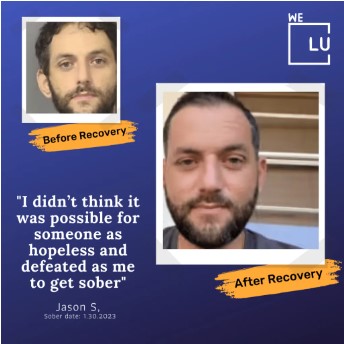
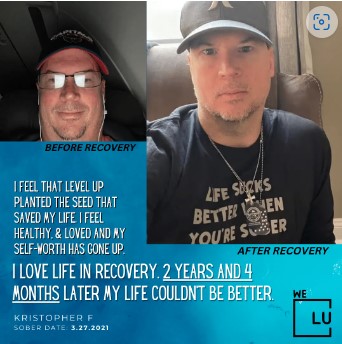
Experience Transformative Recovery at the We Level Up Treatment Center.
See our authentic success stories. Get inspired. Get the help you deserve.

Start a New Life
Begin with a free call to an addiction & behavioral health treatment advisor. Learn more about our dual-diagnosis programs. The We Level Up treatment center network delivers various recovery programs at each treatment facility. Call to learn more.
- Personalized Care
- Caring Accountable Staff
- Comfortable Amenities
- Licensed & Accredited
- Renowned w/ 5-Star Reviews
We’ll Call You
Frequently Asked Questions
What is trauma treatment?
Trauma treatment includes therapy, coping skills training, and sometimes medication to help process painful events and reduce symptoms.
What are trauma treatment options NJ?
Trauma treatment options NJ include outpatient therapy, intensive programs, inpatient care, and integrated trauma therapy programs.
How does PTSD and trauma therapy help?
PTSD and trauma therapy help reduce flashbacks, anxiety, and fear by teaching the brain to process memories in a safer way.
What is trauma informed care?
Trauma informed care is an approach that focuses on safety, trust and respect while recognizing how trauma affects behavior.
Can trauma and addiction be treated together?
Yes. Integrated programs treat trauma and substance use at the same time for better recovery outcomes.
Is recovery from trauma possible?
Yes. With the right trauma treatment and support, many people heal and regain a sense of peace and control.
You Deserve to Feel Safe
Trauma can leave deep emotional wounds but healing is possible. Trauma treatment offers safe, caring support that helps you process pain and rebuild strength. With trauma informed care, PTSD and trauma therapy, and strong trauma therapy programs, you can learn to manage symptoms and move forward. You do not have to carry this alone. Reach out today to speak with a compassionate professional and begin your journey toward healing, safety and hope.
Ready to get started? Call (201)389-9370 or email verifyadmissions@welevelup.com today. A better life is waiting for you.