

Yoga for Addiction Recovery: Healing the Mind and Body
Defining Yoga & Why Yoga Is Effective In Holistic Approach?
Editor Yamilla Francese
Clinically Reviewed by Lauren Barry, LMFT, MCAP, QS
Medically Reviewed by Ali Nikbakht, PsyD
Updated on May 22, 2026 — Editorial Policy | Research Policy
Addiction affects more than the body. It affects thoughts, emotions, sleep, and stress. Many people in recovery feel tense, restless, or overwhelmed. Even after detox, the mind may still race.
The body may still hold stress. That is why yoga for addiction recovery can be a powerful tool. It supports healing in a calm and natural way.
At We Level Up NJ, structured yoga for addiction recovery is part of a whole-person approach to healing.
Table of Contents
What Is Yoga for Addiction Recovery?
Yoga for addiction recovery is a supportive practice that combines breathing, movement, and mindfulness. It helps people reconnect with their bodies in a safe way. Addiction often disconnects people from how they feel. Yoga gently rebuilds that connection.
This approach is not about being flexible or athletic. It is about slowing down the nervous system. It is about learning how to sit with emotions without running from them. In recovery, that skill matters.
Many treatment centers now include yoga therapy for addiction because it supports both physical and emotional balance.


Get Your Life Back
Find Hope & Recovery. Get Safe Comfortable Detox, Addiction Rehab & Mental Health Dual Diagnosis High-Quality Care at the We Level Up Treatment Centers Network.
Hotline (877) 378-4154How Addiction Affects the Body and Brain
Addiction changes brain chemistry. It affects dopamine, stress hormones, and sleep patterns. Over time, the nervous system becomes overstimulated. People may feel anxious, tense, or easily triggered.
When substances are removed, the body needs time to reset. Cravings may appear. Mood swings may occur. Sleep may feel impossible. This is where holistic recovery yoga can help.
Yoga activates the parasympathetic nervous system. This is the system that helps the body relax. When the body relaxes, breathing slows. Heart rate steadies. Muscles release tension. The brain begins to calm.
Why Yoga Helps During Recovery
Recovery is not only about stopping substance use. It is about learning new ways to handle stress. Yoga gives people tools they can use anytime.
Instead of reacting quickly, a person learns to pause. Instead of escaping emotions, they learn to observe them. This shift builds emotional strength.
Research shows that yoga in rehab programs can reduce anxiety, improve mood, and lower stress levels. It may also help reduce cravings by improving self-awareness.
Get Help. Get Better. Get Your Life Back.
Searching for Accredited Drug & Alcohol Rehab Centers Near You? Or Mental Health Support?
Even if you have failed previously, relapsed, or are in a difficult crisis, we stand ready to support you. Our trusted behavioral health specialists will not give up on you. Call us when you feel ready or want someone to speak to about therapy alternatives to change your life. Even if we cannot assist you, we will lead you wherever you can get support. There is no obligation. Call our hotline today.
FREE Addiction Hotline – Call 24/7The Mind-Body Connection in Recovery
Addiction often begins as a way to cope with pain. That pain can be physical or emotional. Many people carry trauma, shame, or fear.
Yoga helps people feel safe in their own bodies again. Gentle movement and steady breathing create a sense of control. Over time, this builds trust in oneself.
This is why many clinicians see yoga as an effective alternative therapy for addiction. It works alongside counseling and medical care.

What Happens in a Yoga Session in Rehab
A yoga class for healing is not the same as a fast-paced gym class. It’s all about safety, comfort, and being aware.
Simple breathing techniques are often done at the start of sessions. These make the nerves calm down. The next step is gentle stretching. The movements are slow and planned. There is no need to act.
Teachers may include short exercises in focus. These help people be aware of their thoughts without judging them. Relaxation time is often at the end of sessions.
The goal is not perfection. Being there is the goal.

Comfortable Facilities & Amenities
High-Quality Addiction & Mental Health Rehabilitation Treatment
Rehab Centers TourRenowned Addiction Centers. Serene Private Facilities. Inpatient rehab programs vary.
Addiction Helpline (877) 378-4154Proven recovery success experience, backed by a Team w/ History of:
15+
Years of Unified Experience
100s
5-Star Reviews Across Our Centers
10K
Recovery Success Stories Across Our Network
- Low Patient to Therapist Ratio
- Onsite Medical Detox Center
- Comprehensive Dual-Diagnosis Treatment
- Complimentary Family & Alumni Programs
- Coaching, Recovery & Personal Development Events
Benefits of Yoga in Recovery
People who practice yoga for addiction recovery often notice:
- Reduced stress, anxiety, and emotional overwhelm
- Better sleep and improved body awareness
- Fewer cravings through mindful breathing
- Increased emotional control and patience
- Stronger connection between thoughts and actions
These benefits build slowly but deeply.
Yoga and Craving Management
Cravings often feel like they need to be met right away. They are able to feel things. The heart might beat fast. The mind might freak out.
Yoga teaches people to stop when they feel hungry. Stress reaction is slowed down by deep breathing. Muscles release stress when they are gently stretched. More people are aware.
A person learns to ride out cravings rather than give in to them. You get better at this skill over time. That is why yoga therapy for addiction is often included in structured recovery plans.
Yoga and Mental Health Support
Many people who are in recovery also have problems with trauma, anxiety, or depression. These problems with mental health can make it more likely to return.
Holistic recovery yoga is good for mental health because it helps you control your emotions. It lowers stress chemicals and makes you feel calmer. It also helps you sleep better, which keeps your mood stable.
When yoga is added to therapy, the whole treatment plan gets stronger.
World-class, Accredited, 5-Star Reviewed, Effective Addiction & Mental Health Programs. Complete Behavioral Health Inpatient Rehab, Detox plus Co-occuring Disorders Therapy.
CALL (877) 378-4154End the Addiction Pain. End the Emotional Rollercoaster. Get Your Life Back. Start Drug, Alcohol & Dual Diagnosis Mental Health Treatment Now. Get Free No-obligation Guidance by Substance Abuse Specialists Who Understand Addiction & Mental Health Recovery & Know How to Help.
Is Yoga Enough for Addiction Recovery

Yoga is effective, but it is not a substitute for medical attention or counseling. As part of a full healing plan, it works best.
Detox, counseling, group therapy, and plans for how to avoid relapse are common parts of addiction treatment. Yoga helps these services because it makes you more focused and balanced emotionally.
That is why yoga in rehab programs is most effective when integrated into structured care.
Why Choose We Level Up NJ for Yoga for Addiction Recovery
Choosing treatment is a personal decision. Many people want more than just talk therapy. They want tools that help them feel calm in their own skin.
We Level Up NJ offers yoga for addiction recovery as part of a structured, evidence-based treatment approach. Yoga sessions are guided in a safe setting. They are designed to support emotional healing and nervous system regulation.
Care at We Level Up NJ focuses on the whole person. That includes medical support, therapy, and holistic therapy. This balanced approach helps build long-term stability rather than short-term relief.
Ready to get started? Call (201)389-9370 or email verifyadmissions@welevelup.com today. A better life is waiting for you.
How Yoga Builds Long-Term Recovery Skills
Yoga is more than a class. It turns into a habit. People can use breathing exercises at work. They can stretch if they feel stressed. They can take a break when their feelings are strong.
These small tools keep you from relapsing. Plus, they boost your confidence. People start to trust themselves again over time. They’re stronger. They feel more stable. Recovery stops being something they do and starts being something they live.
Who Can Benefit from Yoga in Rehab
Yoga can help people at many stages of recovery. It may be helpful if you:
- Feel anxious or restless during recovery.
- Struggle with cravings triggered by stress.
- Have trouble sleeping
- Feel disconnected from your body.
- Want a gentle, supportive way to manage emotions.
Yoga meets you where you are. It does not require experience.
Emotional Healing Through Movement
Addiction can dull your emotions. When drugs are taken away, feelings may become very strong. Some people are sad. Some people are scared or angry.
Yoga gives you a place to feel those feelings without being judged. Moving around helps reduce stress. Taking deep breaths can help ease stress.
This emotional processing is a key reason why alternative therapy for addiction approaches like yoga are becoming more common in structured programs.
Building a Routine That Supports Recovery
Structure is important for healing to work. A daily practice can include yoga. Any amount of time spent practicing breathing can change the mood of the day.
Being consistent leads to success. Small steps taken over and over again lead to long-lasting change. Yoga helps people get better when they combine it with it with medical care, therapy, and support groups.
FAQs About Yoga for Addiction Recovery
What is yoga for addiction recovery?
Yoga for addiction recovery is a structured practice that combines breathing, movement, and mindfulness to support emotional balance and reduce cravings during recovery.
What is yoga therapy for addiction?
Yoga therapy for addiction uses guided yoga practices to help regulate stress, improve body awareness, and support mental health during treatment.
How does holistic recovery yoga help?
Holistic recovery yoga supports both physical and emotional healing by calming the nervous system and improving emotional regulation.
Is yoga used in rehab programs?
Yes. Yoga is often included in rehab programs as part of a comprehensive treatment plan to reduce stress and support long-term recovery.
Is yoga an alternative therapy for addiction?
Yoga is considered an alternative therapy for addiction because it supports healing alongside traditional medical and psychological care.
How does We Level Up NJ help with yoga for addiction recovery?
We Level Up NJ includes structured yoga sessions in its treatment programs to help clients manage stress, reduce cravings, and build emotional stability during recovery.
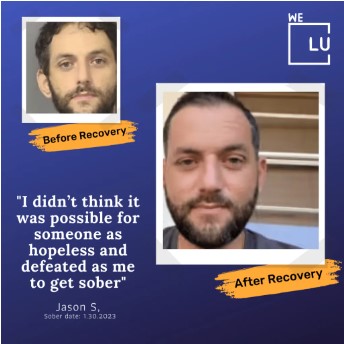
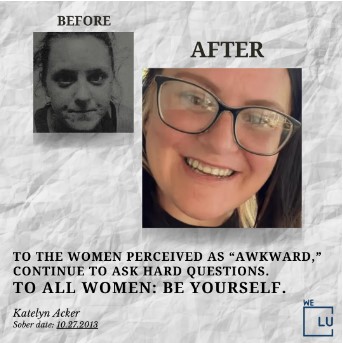
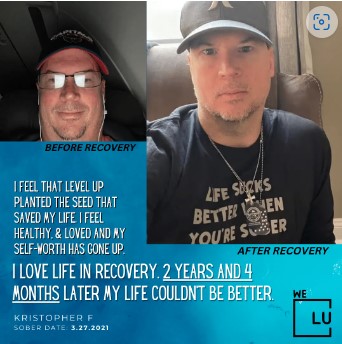
Experience Transformative Recovery at the We Level Up Treatment Center.
See our authentic success stories. Get inspired. Get the help you deserve.
Start a New Life
Begin with a free call to an addiction & behavioral health treatment advisor. Learn more about our dual-diagnosis programs. The We Level Up treatment center network delivers various recovery programs at each treatment facility. Call to learn more.
- Personalized Care
- Caring Accountable Staff
- Comfortable Amenities
- Licensed & Accredited
- Renowned w/ 5-Star Reviews
We’ll Call You
Take the First Step Toward Healing
If your body feels tense and your mind feels restless, you are not broken. You are healing. Recovery can feel overwhelming, but you do not have to face it alone. Yoga for addiction recovery can help you breathe again. It can help you feel steady. It can help you reconnect with who you truly are beneath the pain.
You deserve peace. You deserve strength. You deserve a chance to heal fully, inside and out.
Call (877) 378-4154 to speak with We Level Up NJ today. This call can be the moment you choose calm over chaos, healing over hiding, and hope over fear.
Ready to get started? Call (201)389-9370 or email verifyadmissions@welevelup.com today. A better life is waiting for you.