
Benzo Addiction: Signs and Recovery Support
Benzodiazepine Dependence. What Causes Benzo Addiction? Benzodiazepine Side Effects, Withdrawal & Overdose, Detox Timeline, Benzo Addiction Treatment At We Level Up NJ.
Editor Yamilla Francese
Clinically Reviewed by Lauren Barry, LMFT, MCAP, QS
Medically Reviewed by Ali Nikbakht, PsyD
Updated on May 21, 2026 — Editorial Policy | Research Policy

Benzo addiction is a serious health problem. It can start with a simple pill for anxiety or sleep. Many people take these pills as told by a doctor. But over time, the body can depend on them. When this happens, stopping feels very hard. You may feel scared, sick, or out of control. This is called benzo addiction.
These drugs are called benzodiazepines. They help calm the brain. They slow down fast thoughts and strong fear. But if used too long, the brain gets used to them. Then the brain cannot feel calm without the drug.
At We Level Up NJ, we help people who face this problem. We give safe care and kind support. You are not alone. Help is here.
Table of Contents
What Is Benzo Addiction?
Benzo addiction happens when a person cannot stop using benzodiazepines. Even if the drug causes harm, they still feel they need it. These drugs include Xanax, Ativan, and Valium. Doctors give them for anxiety, panic, or sleep trouble. They work by calming the brain.
Over time, the brain depends on the drug to feel normal. The brain gets used to the calm feeling the drug gives. When the drug is not there, the brain feels upset and unbalanced. If the drug is stopped too fast, the body reacts strongly. A person may shake, sweat, or feel great fear. In some cases, seizures can happen. This is why medical help is very important.
Benzo addiction can start even when someone takes the drug as prescribed. The body can build tolerance. This means the same dose no longer works as well. The person may take more pills to feel calm. This raises the risk of addiction and harm.
Long-term use can also affect memory and focus. Some people feel sad, confused, or angry. Sleep problems may get worse over time. These changes happen because the brain’s natural balance is disturbed.
Benzo addiction recovery often needs medical detox and therapy. Detox helps the body slowly adjust without the drug. Doctors may lower the dose step by step to keep the person safe. Therapy helps the person learn new ways to handle stress and fear. With proper care, people can heal safely and rebuild their lives.
Get Your Life Back
Find Hope & Recovery. Get Safe Comfortable Detox, Addiction Rehab & Mental Health Dual Diagnosis High-Quality Care at the We Level Up Treatment Centers Network.
Hotline (877) 378-4154Signs You May Need Benzo Addiction Treatment
Here are the warning signs of benzo addiction:
- Taking more pills than prescribed
- Needing pills to feel calm
- Feeling sick without the drug
- Strong cravings for benzodiazepines
- Visiting many doctors for pills
- Mood swings or anger
- Trouble remembering things
If you see these signs, you may need benzodiazepine dependency help. Early care can prevent serious harm.
Get Help. Get Better. Get Your Life Back.
Searching for Accredited Drug & Alcohol Rehab Centers Near You? Or Mental Health Support?
Even if you have failed previously, relapsed, or are in a difficult crisis, we stand ready to support you. Our trusted behavioral health specialists will not give up on you. Call us when you feel ready or want someone to speak to about therapy alternatives to change your life. Even if we cannot assist you, we will lead you wherever you can get support. There is no obligation. Call our hotline today.
FREE Addiction Hotline – Call 24/7Why Choose We Level Up NJ for Benzo Addiction?
We Level Up NJ offers safe and caring benzodiazepine addiction treatment. Our team understands how these drugs affect the brain. We provide medical detox to keep you safe during withdrawal. Doctors and nurses watch your health closely.
Our benzodiazepine addiction treatment NJ program also includes therapy. Therapy helps you learn new ways to manage stress and fear. You will meet with counselors who listen and guide you. You will not face this alone.
We treat both addiction and mental health together. Many people use benzodiazepines because of anxiety or trauma. Our benzodiazepine use disorder treatment helps heal both the mind and body. This gives you a better chance at long-term recovery.
Ready to get started? Call (201)389-9370 or email verifyadmissions@welevelup.com today. A better life is waiting for you.
Comfortable Facilities & Amenities
High-Quality Addiction & Mental Health Rehabilitation Treatment
Rehab Centers TourRenowned Addiction Centers. Serene Private Facilities. Inpatient rehab programs vary.
Addiction Helpline (877) 378-4154Proven recovery success experience, backed by a Team w/ History of:
15+
Years of Unified Experience
100s
5-Star Reviews Across Our Centers
10K
Recovery Success Stories Across Our Network
- Low Patient to Therapist Ratio
- Onsite Medical Detox Center
- Comprehensive Dual-Diagnosis Treatment
- Complimentary Family & Alumni Programs
- Coaching, Recovery & Personal Development Events
What to Expect During Benzo Addiction Treatment
The first step is an assessment. A doctor will ask about your health and drug use. This helps create a safe plan just for you. Every person is different, so care must be personal. The doctor may also ask about your mental health and past treatment. This helps the team understand your full needs.
Next is medical detox. This step helps your body slowly adjust without the drug. Doctors may lower the dose over time. This reduces the risk of seizures and other dangers. Medical staff stay with you for safety. Nurses check your heart, sleep, and comfort you each day. They help ease pain and fear during this time.
After detox, therapy begins. You will attend group and one-on-one sessions. You will learn coping skills and relapse prevention tools. Benzo addiction recovery continues even after you leave the center. You may receive aftercare support and follow-up visits. This helps you stay strong and avoid relapse.
Benefits of Benzo Addiction Treatment
- Safe medical detox care
- Personal treatment plans
- Help for anxiety and addiction
- Skills to prevent relapse
- Ongoing support after treatment
Treatment helps your brain heal. It also helps you build a stable life.
World-class, Accredited, 5-Star Reviewed, Effective Addiction & Mental Health Programs. Complete Behavioral Health Inpatient Rehab, Detox plus Co-occuring Disorders Therapy.
CALL (877) 378-4154End the Addiction Pain. End the Emotional Rollercoaster. Get Your Life Back. Start Drug, Alcohol & Dual Diagnosis Mental Health Treatment Now. Get Free No-obligation Guidance by Substance Abuse Specialists Who Understand Addiction & Mental Health Recovery & Know How to Help.
How to Get Started with Benzo Addiction Treatment
If you struggle with benzo addiction, help is ready for you. We Level Up NJ offers trusted benzodiazepine addiction treatment services in a safe and caring setting. Call us today at (201) 389-9370 to speak with our friendly admissions team. Our center is located at 276 Bakers Basin Rd, Lawrenceville, NJ 08648, and we are here to support you. Our team will answer your questions with care and respect.
We can check your insurance and explain your treatment options clearly. We will guide you step by step so you feel calm and informed. Ready to get started? Learning how to get started is simple and stress-free. One phone call or visit to our Lawrenceville location can begin your healing journey today.
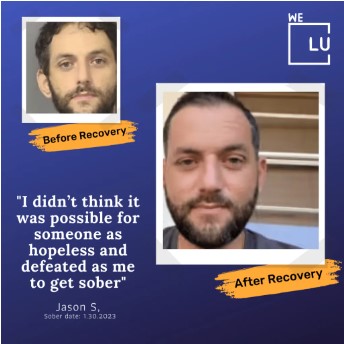
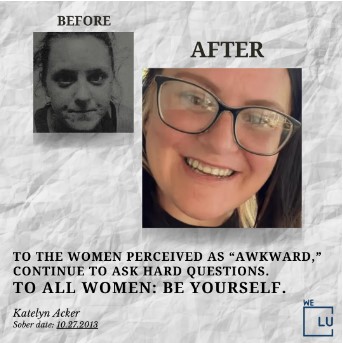
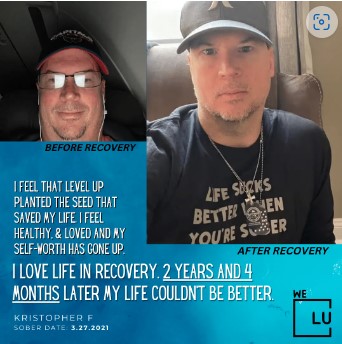
Experience Transformative Recovery at the We Level Up Treatment Center.
See our authentic success stories. Get inspired. Get the help you deserve.
Start a New Life
Begin with a free call to an addiction & behavioral health treatment advisor. Learn more about our dual-diagnosis programs. The We Level Up treatment center network delivers various recovery programs at each treatment facility. Call to learn more.
- Personalized Care
- Caring Accountable Staff
- Comfortable Amenities
- Licensed & Accredited
- Renowned w/ 5-Star Reviews
We’ll Call You
FAQs About Benzo Addiction
1. What is benzo addiction?
Benzo addiction happens when a person depends on benzodiazepines. These drugs calm the brain, but long-term use changes brain function. The body may not work well without the drug. Medical help is often needed to stop safely. Benzo addiction recovery usually includes detox and therapy.
2. Is benzo addiction dangerous?
Yes, it can be very dangerous. Stopping suddenly can cause seizures or severe fear. Long-term misuse can harm memory and mood. That is why benzodiazepine use disorder treatment should be done with a doctor. Safe care lowers health risks.
3. How long does recovery take?
Recovery time is different for everyone. Detox may take days or weeks. Therapy may continue for months. Long-term support improves success. Benzo addiction recovery is a process, not a quick fix.
4. Can I stop benzodiazepines on my own?
It is not safe to stop alone. Withdrawal can be severe or life-threatening. Medical detox helps reduce risks. Doctors slowly lower doses to protect your health. Always seek benzodiazepine dependency help first.
5. What therapies help with benzo addiction?
Cognitive behavioral therapy is very helpful. It teaches new ways to handle stress and fear. Group therapy builds support and understanding. Family therapy can repair trust. Combined care improves recovery outcomes.
6. How do I know if I need benzodiazepine addiction treatment in NJ?
If you cannot stop using pills despite harm, you may need help. Strong cravings and withdrawal symptoms are warning signs. Doctor shopping is also a red flag. Speaking with a treatment center can guide your next step.
7. What are common withdrawal symptoms from benzo addiction?
Withdrawal symptoms can start within hours or days. A person may feel shaking, sweating, or strong anxiety. Some people have trouble sleeping or feel very restless. In serious cases, seizures can happen. This is why medical detox is important for safe benzo addiction recovery.
8. Can benzo addiction be treated successfully?
Yes, benzo addiction can be treated with the right care. Medical detox helps the body adjust safely. Therapy helps change thoughts and behaviors linked to drug use. Support from doctors and counselors improves success. With time and effort, long-term recovery is possible.