

Is Klonopin Dangerous: Risks, Effects, and Safety Facts
Is Klonopin Dangerous? Symptoms and Dangers of Overdose, Side Effects of Abuse
Editor Yamilla Francese
Clinically Reviewed by Lauren Barry, LMFT, MCAP, QS
Medically Reviewed by Ali Nikbakht, PsyD
Updated on May 21, 2026 — Editorial Policy | Research Policy
Many people take Klonopin to help with anxiety, panic attacks, or seizures. When used the right way and under a doctor’s care, it can help some people feel calmer and safer. Still, many people ask the same important question: is Klonopin dangerous?
The short answer is yes, Klonopin can be dangerous, especially when it is misused or taken for a long time. This guide explains the risks and helps you understand Klonopin dangers, side effects, addiction risks, and treatment options in NJ.
Table of Contents
What Is Klonopin?
Klonopin is a prescription medicine. Its generic name is clonazepam. Doctors often prescribe it to treat anxiety, panic disorders, and seizures. It belongs to a group of drugs called benzodiazepines.
Benzodiazepines slow down the brain and nervous system. This can help calm fear and reduce seizures, but it can also cause problems if the drug is not used carefully. Klonopin can make people feel relaxed, sleepy, or detached from their surroundings.
Because it affects the brain, Klonopin must be used with care. Taking more than prescribed or using it without medical guidance can increase the risk of harm.

Get Your Life Back
Find Hope & Recovery. Get Safe Comfortable Detox, Addiction Rehab & Mental Health Dual Diagnosis High-Quality Care at the We Level Up Treatment Centers Network.
Hotline (877) 378-4154Is Klonopin Dangerous When Prescribed?
When taken exactly as prescribed, Klonopin may be helpful for some people. Doctors usually prescribe it for short periods and monitor patients closely. Even then, risks still exist.
Klonopin can cause side effects, especially when used daily or for many months. The body may start to rely on the drug to feel normal. Over time, this can lead to tolerance, meaning higher doses are needed for the same effect. This is why many doctors warn patients early. Even prescribed use can become risky if not watched closely.

Klonopin Dangers You Should Know About
Klonopin dangers increase when the drug is taken longer than needed or in higher doses. Some risks appear slowly, which makes them easy to miss at first.
Common dangers include:
- Strong physical and mental dependence
- Trouble thinking clearly or remembering things
- Slowed breathing at higher doses
- Increased risk of falls or accidents
These risks can affect daily life and long-term health. Knowing them early helps people make safer choices.
Get Help. Get Better. Get Your Life Back.
Searching for Accredited Drug & Alcohol Rehab Centers Near You? Or Mental Health Support?
Even if you have failed previously, relapsed, or are in a difficult crisis, we stand ready to support you. Our trusted behavioral health specialists will not give up on you. Call us when you feel ready or want someone to speak to about therapy alternatives to change your life. Even if we cannot assist you, we will lead you wherever you can get support. There is no obligation. Call our hotline today.
FREE Addiction Hotline – Call 24/7Clonazepam Risks and Side Effects
Clonazepam risks and side effects vary from person to person. Some people feel them right away, while others notice changes over time.
Common side effects may include:
- Sleepiness or fatigue
- Dizziness or poor balance
- Confusion or trouble focusing
- Mood changes or irritability
More serious side effects can happen with misuse. These may include breathing problems, extreme sedation, or loss of awareness. Side effects become more dangerous when Klonopin is mixed with alcohol or other drugs.
Benzodiazepine Safety Concerns
Benzodiazepine safety concerns apply to all drugs in this class, not just Klonopin. These medications can affect memory, emotions, and coordination. One major concern is dependence. The brain can become used to benzodiazepines quickly. When the drug is stopped suddenly, withdrawal symptoms may appear.
Because of these risks, many doctors now limit how long benzodiazepines are prescribed. Long-term use raises safety concerns that should not be ignored.
Comfortable Facilities & Amenities
High-Quality Addiction & Mental Health Rehabilitation Treatment
Rehab Centers TourRenowned Addiction Centers. Serene Private Facilities. Inpatient rehab programs vary.
Addiction Helpline (877) 378-4154Proven recovery success experience, backed by a Team w/ History of:
15+
Years of Unified Experience
100s
5-Star Reviews Across Our Centers
10K
Recovery Success Stories Across Our Network
- Low Patient to Therapist Ratio
- Onsite Medical Detox Center
- Comprehensive Dual-Diagnosis Treatment
- Complimentary Family & Alumni Programs
- Coaching, Recovery & Personal Development Events
Can Klonopin Be Addictive?
Yes, Klonopin can be addictive. Even people who take it as prescribed may develop dependence over time. Addiction can happen slowly and quietly.
Addiction means the brain depends on the drug to feel normal. People may feel anxious, sick, or shaky without it. They may worry about running out or feel unable to cope without the medication. Klonopin addiction treatment exists to help people safely stop using the drug and learn new ways to manage anxiety or seizures.
Signs of Klonopin Misuse or Addiction
It can be hard to tell when use becomes a problem. Signs may appear slowly and feel easy to explain away at first.
Possible warning signs include:
- Taking higher doses than prescribed
- Using Klonopin to cope with stress or sleep
- Feeling unable to stop on your own
- Strong cravings or fear of missing a dose
If these signs sound familiar, it may be time to talk to a professional. Help is available, and support can make a big difference.
What Happens When You Stop Klonopin Suddenly?
Stopping Klonopin suddenly can be dangerous. The brain needs time to adjust after long-term use. Without a slow taper, withdrawal symptoms may occur.
Withdrawal symptoms can include:
- Severe anxiety or panic
- Tremors or shaking
- Trouble sleeping
- Seizures in severe cases
This is why doctors recommend medical support when stopping Klonopin. A safe plan reduces risks and discomfort.
Klonopin and Mental Health Risks
Klonopin affects mood and emotions. While it may reduce anxiety at first, long-term use can worsen depression or emotional numbness.
Some people feel disconnected or flat after extended use. Others feel increased anxiety between doses. These changes can impact relationships and quality of life. Addressing mental health alongside medication use is important. Klonopin addiction treatment often includes therapy to support emotional healing.
Who Is Most at Risk From Klonopin?
Some people face higher risks when using Klonopin. Risk increases with certain health or lifestyle factors.
Higher-risk groups may include:
- People with a history of substance use
- Older adults
- Those taking other sedating medications
- People using alcohol regularly
Knowing your risk helps you make informed decisions. It also helps doctors choose safer treatment options.
World-class, Accredited, 5-Star Reviewed, Effective Addiction & Mental Health Programs. Complete Behavioral Health Inpatient Rehab, Detox plus Co-occuring Disorders Therapy.
CALL (877) 378-4154End the Addiction Pain. End the Emotional Rollercoaster. Get Your Life Back. Start Drug, Alcohol & Dual Diagnosis Mental Health Treatment Now. Get Free No-obligation Guidance by Substance Abuse Specialists Who Understand Addiction & Mental Health Recovery & Know How to Help.
Klonopin Addiction Treatment Options
Klonopin addiction treatment focuses on safety, support, and healing. Treatment often begins with a slow, supervised taper to reduce withdrawal risks.
Treatment may include medical care, therapy, and emotional support. Therapy helps people learn new ways to manage anxiety without medication dependence. Recovery plans are personalized. The goal is to help people feel stable, confident and healthy again.
How Klonopin Affects Your Mood and Mind
Klonopin calms panic but can cause new sadness. Some feel depressed while taking it. Others get paranoid or see things not there. Mood swings make relationships hard. You might pull away from people you love.
These changes hurt inside. You feel alone or hopeless. But this comes from the drug, not you. Getting help lifts the cloud. Therapy and support bring back real joy.
How to Talk to a Loved One About Klonopin Use
Talking about Klonopin dangers can feel uncomfortable. Still, honest and caring conversations matter.
Choose a calm time and speak with concern, not blame. Share what you have noticed and why you care. Encourage them to seek medical advice or support. Support from loved ones can make a big difference. Recovery often feels easier when people feel understood and supported.
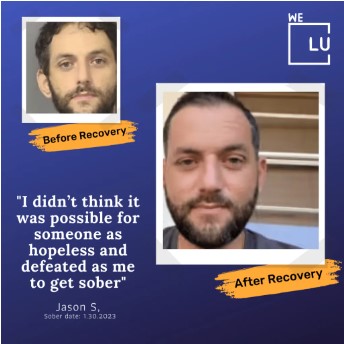
Experience Transformative Recovery at the We Level Up Treatment Center.
See our authentic success stories. Get inspired. Get the help you deserve.
Start a New Life
Begin with a free call to an addiction & behavioral health treatment advisor. Learn more about our dual-diagnosis programs. The We Level Up treatment center network delivers various recovery programs at each treatment facility. Call to learn more.
- Personalized Care
- Caring Accountable Staff
- Comfortable Amenities
- Licensed & Accredited
- Renowned w/ 5-Star Reviews
We’ll Call You
Frequently Asked Questions
Is Klonopin dangerous if I take it as prescribed?
It can be safe for short times with doctor care. But long use brings risks like dependence. Always follow your plan and check in often.
What happens if I mix Klonopin with alcohol?
Mixing slows breathing a lot. You risk passing out, going into a coma or dying. Never drink while taking it.
Can Klonopin cause depression?
Yes. Some feel sad or numb while using it. Withdrawal makes depression worse. Talk to your doctor if moods change.
Is withdrawal from Klonopin bad?
Withdrawal hurts. You get shakes, anxiety or seizures if stopping fast. Doctors help with slow cuts to stay safe.
How long is it safe to take Klonopin?
Doctors say short use works best. Long-term use raises the chance of addiction. They help find other ways if needed longer.
Is it safe to stop Klonopin suddenly?
No, stopping suddenly can be dangerous and should be done with medical help.
Does Klonopin affect mental health?
Long-term use may worsen mood, memory and emotional balance.
What help is available for Klonopin addiction?
Medical detox, therapy and recovery programs can help people stop safely.
Understanding the Risks and Finding Help
So, is Klonopin dangerous? It can be, especially when used for a long time or without close medical care. Klonopin dangers include addiction, withdrawal and mental health changes that can affect daily life. Understanding clonazepam risks and side effects helps people make safer choices.
If you or someone you love is struggling with Klonopin use, help is available. Reach out today to learn more about Klonopin addiction treatment and safe recovery options. Support, healing, and hope are possible.
Ready to get started? Call (201)389-9370 or email verifyadmissions@welevelup.com today. A better life is waiting for you.