
Morphine Antidote: Uses, Effects, and Safety Guide
Morphine overdose is a condition that occurs due to the excessive consumption of the medicine orally or by injection. Read more about the treatment options for you or your loved ones struggling with morphine addiction.
Editor Yamilla Francese
Clinically Reviewed by Lauren Barry, LMFT, MCAP, QS
Medically Reviewed by Ali Nikbakht, PsyD
Updated on May 21, 2026 — Editorial Policy | Research Policy
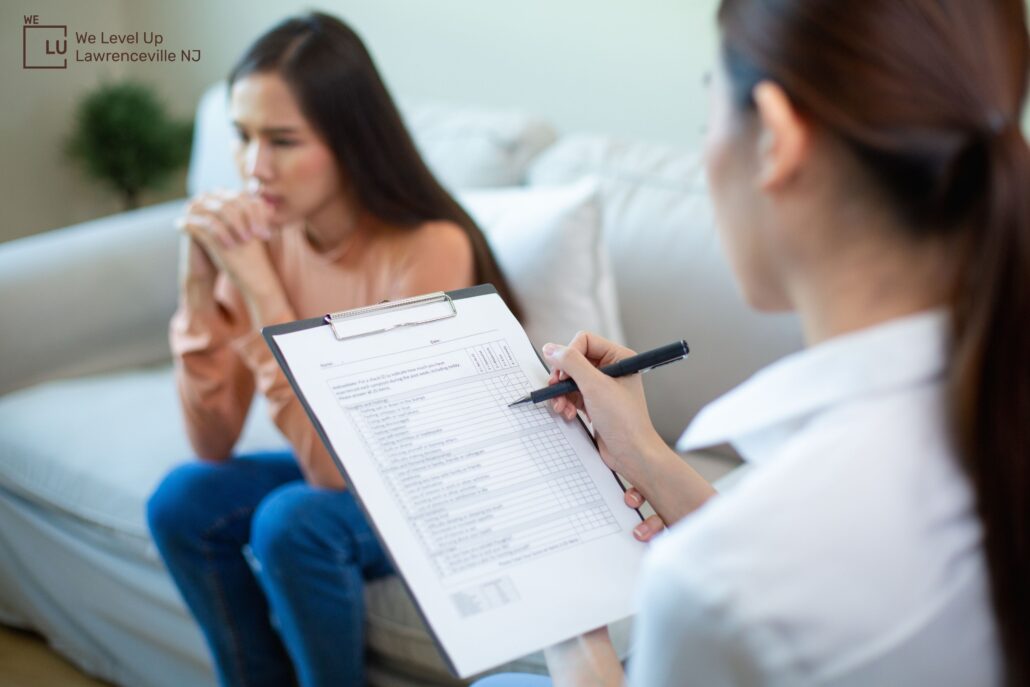
Taking too much morphine can be very dangerous. It can slow your breathing or make you pass out. The antidote for morphine can save a life. This medicine works fast to stop the harmful effects of morphine. At We Level Up NJ, we help people and families learn about morphine detox antidote options. We teach how to use it safely and what to do in an emergency. We also show ways to stay safe and avoid future overdoses.
Knowing about morphine overdose reversal is very important. Families and patients learn how to act fast if an overdose happens. This guide explains how the antidote works, the signs you might need it, and how our team helps patients recover safely.
Table of Contents
What Is Antidote for Morphine?
An antidote for morphine is a medicine that stops morphine from hurting the body. The most common medicine used is naloxone. Naloxone works by blocking the effects of morphine on the brain. It helps people breathe better, wake up, and feel alert. This medicine works very quickly, usually within minutes, which is why it is so important in emergencies.
Morphine antidote information is very important for anyone who uses opioids. According to the CDC, over 70,000 people in the United States died from opioid overdoses in 2021. Having an antidote nearby can save a life. Many families keep naloxone at home in case someone accidentally takes too much morphine or other opioids.
Doctors give antidotes carefully. If it is used the wrong way, it can cause withdrawal symptoms like nausea, sweating, anxiety, or a fast heartbeat. At We Level Up NJ, our staff watches patients closely after giving the medicine. We also teach patients and families about opioid reversal agents, including how to recognize an overdose, how to give the medicine safely, and what to do after the antidote works.
Using an antidote is not a replacement for medical care. Patients still need to be seen by a doctor because additional doses or other treatments may be needed. Families are encouraged to stay calm, call 911 immediately, and follow the instructions from trained staff. Our goal is to make sure every patient and family member knows how to respond quickly and safely during a morphine emergency.
Signs You May Need an Antidote for Morphine
It is very important to know when someone needs help. Signs of morphine overdose include:
- Slow or uneven breathing
- Very sleepy or hard to wake up
- Small, pinpoint pupils
- Weak pulse or low blood pressure
- Cold, sweaty, or pale skin
- Blue lips or fingers
- Confusion, dizziness, or not knowing where you are
If you see any of these signs, call for help right away. Having an opioid reversal agent like naloxone can prevent serious problems or death. Acting fast can make a big difference.
Get Help. Get Better. Get Your Life Back.
Searching for Accredited Drug & Alcohol Rehab Centers Near You? Or Mental Health Support?
Even if you have failed previously, relapsed, or are in a difficult crisis, we stand ready to support you. Our trusted behavioral health specialists will not give up on you. Call us when you feel ready or want someone to speak to about therapy alternatives to change your life. Even if we cannot assist you, we will lead you wherever you can get support. There is no obligation. Call our hotline today.
FREE Addiction Hotline – Call 24/7Morphine Drug Fact Sheet
Morphine
Morphine sulfate is an opioid agonist indicated for the relief of moderate to severe acute and chronic pain where use of an opioid
analgesic is appropriate
Why is this medication prescribed?
Morphine is used to relieve moderate to severe pain. Morphine extended-release tablets and capsules are only used to relieve severe (around-the-clock) pain that cannot be controlled by the use of other pain medications.
Morphine extended-release tablets and capsules should not be used to treat pain that can be controlled by medication that is taken as needed. Morphine is in a class of medications called opiate (narcotic) analgesics. It works by changing the way the brain and nervous system respond to pain.
How should this medicine be used?
Morphine comes as a solution (liquid), an extended-release (long-acting) tablet, and as an extended-release (long-acting) capsule to take by mouth. The oral solution is usually taken every 4 hours as needed for pain. MS Contin brand and Arymo ER brand are extended-release tablets that are usually taken every 8 or every 12 hours.
Morphabond brand extended-release tablets are usually taken every 12 hours. Kadian brand extended-release capsules are usually taken with or without food every 12 hours or every 24 hours. Follow the directions on your prescription label carefully, and ask your doctor or pharmacist to explain any part you do not understand.
Toxicity
Morphine can potentially be a lethal medication when not used properly. It causes a host of symptoms related to depression of the CNS. Severe respiratory depression is the most feared complication of morphine in cases of overdose. Immediate injection of naloxone is required to reverse the effects of morphine.
Get Your Life Back
Find Hope & Recovery. Get Safe Comfortable Detox, Addiction Rehab & Mental Health Dual Diagnosis High-Quality Care at the We Level Up Treatment Centers Network.
Hotline (877) 378-4154Why Choose We Level Up NJ for the Antidote for Morphine?
At We Level Up NJ, we provide safe and expert care for people who need a morphine detox antidote. Our doctors and nurses know how to give medicine safely. Each patient gets a plan that fits their health needs. We make sure every patient understands the medicine, how it works, and what to do if side effects happen.
Our facility is licensed and follows proven treatments. We combine therapy, medical care, and education. Morphine overdose reversal is done carefully to make sure it works and keeps the patient safe. We also check patients after treatment to make sure breathing and heart rate are normal.
We teach patients and families how to use opioid reversal agents like naloxone. Knowing what to do in an emergency gives everyone confidence and safety. Families learn how to give the medicine, when to call 911, and how to stay calm during an overdose. We also explain how to prevent future overdoses and what steps to take if opioids are used again.
Our staff supports patients after recovery. We provide counseling, tips for avoiding risky situations, and guidance on staying healthy. Patients feel safer and more confident because they know help is always available. At We Level Up NJ, we make sure everyone gets care, education, and support for long-term safety.
Comfortable Facilities & Amenities
High-Quality Addiction & Mental Health Rehabilitation Treatment
Rehab Centers TourRenowned Addiction Centers. Serene Private Facilities. Inpatient rehab programs vary.
Addiction Helpline (877) 378-4154Proven recovery success experience, backed by a Team w/ History of:
15+
Years of Unified Experience
100s
5-Star Reviews Across Our Centers
10K
Recovery Success Stories Across Our Network
- Low Patient to Therapist Ratio
- Onsite Medical Detox Center
- Comprehensive Dual-Diagnosis Treatment
- Complimentary Family & Alumni Programs
- Coaching, Recovery & Personal Development Events
What to Expect During Antidote for Morphine Treatment?
Treatment begins with a medical check-up. Doctors check breathing, heart rate, blood pressure, and other health signs. They also ask about the patient’s health history and any other medicines being taken. This helps them decide how much morphine antidote for morphine is needed. Some patients may need more than one dose, depending on how much morphine was taken and how the body responds.
Next, patients are watched closely by nurses. Nurses check for withdrawal symptoms like nausea, sweating, shakiness, or anxiety. They also monitor breathing, heart function, and overall alertness. Patients may feel tired or restless after the antidote. Therapy is included to help patients understand how opioids affect the body and learn ways to stay safe. Families are often included in this education so they can support the patient at home.
Finally, patients learn relapse prevention. This includes developing good daily habits, learning coping skills, and following safety tips to avoid future overdoses. Education about the morphine detox antidote helps patients know how to act if opioids are used again. Our team also gives guidance on avoiding risky situations and understanding early warning signs of opioid use. This full support keeps patients safer in the long term and gives families confidence in handling emergencies.
World-class, Accredited, 5-Star Reviewed, Effective Addiction & Mental Health Programs. Complete Behavioral Health Inpatient Rehab, Detox plus Co-occuring Disorders Therapy.
CALL (877) 378-4154End the Addiction Pain. End the Emotional Rollercoaster. Get Your Life Back. Start Drug, Alcohol & Dual Diagnosis Mental Health Treatment Now. Get Free No-obligation Guidance by Substance Abuse Specialists Who Understand Addiction & Mental Health Recovery & Know How to Help.
Benefits of Antidote for Morphine
- Provides guidance for families during emergencies
- Works quickly to stop opioid dangers
- Personalized care and monitoring
- Combines medicine and therapy for safety
- Patient education about morphine antidote information
- Reduces risk of overdose problems and long-term harm
Experience Transformative Recovery at the We Level Up Treatment Center.
See our authentic success stories. Get inspired. Get the help you deserve.
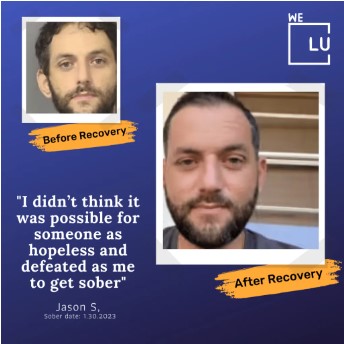
Start a New Life
Begin with a free call to an addiction & behavioral health treatment advisor. Learn more about our dual-diagnosis programs. The We Level Up treatment center network delivers various recovery programs at each treatment facility. Call to learn more.
- Personalized Care
- Caring Accountable Staff
- Comfortable Amenities
- Licensed & Accredited
- Renowned w/ 5-Star Reviews
We’ll Call You
How to Get Started with Antidote for Morphine?
Ready to get started? Call We Level Up NJ at (201) 389-9370 or visit 276 Bakers Basin Rd, Lawrenceville, NJ 08648. We help patients and families use an antidote for morphine safely. We accept most insurance plans. Early treatment can save lives and help patients recover safely. We also provide education and support for families to prevent future overdoses.
Ready to get started? Call (201)389-9370 or email verifyadmissions@welevelup.com today. A better life is waiting for you.
FAQs About Antidote for Morphine
What is the most common antidote for morphine?
The most common antidote is naloxone. It works fast to restore breathing, wake the patient, and prevent serious harm. Naloxone can be given as a shot or a nasal spray.
How does a morphine detox antidote work?
It blocks opioid receptors in the brain. This stops morphine from affecting the body and helps people recover quickly. It allows patients to breathe normally and regain alertness.
Can an antidote for morphine cause withdrawal?
Yes. Sudden reversal can cause withdrawal symptoms like nausea, sweating, anxiety, or shakiness. Medical staff watch patients carefully and manage these symptoms safely.
How fast does morphine overdose reversal work?
Antidotes like naloxone work in minutes. Fast use is very important to prevent serious problems, brain damage, or death. Immediate action can save a life.
Can families keep an opioid reversal agent at home?
Yes. Naloxone kits are available for home use. Families are trained to give it safely in an emergency. It is important to call 911 even after giving naloxone.
Are opioid reversal agents safe for everyone?
They are mostly safe. People with heart, lung, or kidney problems need guidance from a doctor. Staff can show the correct dose and monitor for side effects.
How many doses of the antidote might be needed?
Sometimes one dose is enough, but some patients may need two or more doses. Doctors and nurses monitor the patient carefully and give more doses if the morphine is strong or the body reacts slowly.
What should I do after using an antidote for morphine?
After giving naloxone, always call 911. Stay with the patient until help arrives. Patients may feel weak, confused, or sleepy. Follow medical staff instructions and seek follow-up care to prevent future overdoses.