By We Level Up NJ Treatment Center | Editor Yamilla Francese | Clinically Reviewed By Lauren Barry, LMFT, MCAP, QS, Director of Quality Assurance | Editorial Policy | Research Policy | Last Updated: February 27, 202G
Sexual Addiction Symptoms
What is sexual addiction called? Sexual addiction (also called hypersexuality or compulsive sexual behavior) is an intense focus on sexual urges, fantasies, or activities that can’t be controlled and cause harm or distress to your relationships, health, career, or other aspects of your life. It’s an overwhelming temptation or compulsion that’s so strong you feel that you have to have it. The craving for sex is similar to cravings felt for drugs or alcohol by those who have addictions to these substances.
It is important to know that since sex addiction isn’t outlined in the DSM-5, there’s considerable controversy about what criteria constitute an addiction. One definition may be the “secrecy of behaviors”, in which the individual with compulsive sexual behavior becomes proficient at hiding their behavior and can even keep the condition secret from partners, spouses, and family members. They may lie about their sexual activities or engage in them at places and times where they won’t be found out.
But sometimes symptoms are present and noticeable. A person may have a sex addiction if they show some or all of the following signs:
- Obsessive, chronic, sexual fantasies and thoughts
- Compulsive sexual relations with multiple people, including strangers
- Lying to cover behaviors
- Preoccupation with having sex, even when it intrudes on daily life, productivity, work performance, and so on
- Inability to quit or control the behaviors
- Putting oneself or others in trouble due to sexual behavior
- Feeling remorse or guilt after sex
- Experiencing other negative personal or professional consequences
Compulsive sexual behaviors can weaken relationships, for instance, with the stress of infidelity — although some individuals may claim to have a sex addiction as a way to explain infidelity in a relationship.
It’s crucial to recognize that enjoying sexual activity is not a sign of sex addiction. Sex is a healthy human activity, and enjoying it is normal. Moreover, differences in the level of sexual interest between partners do not mean that one partner has a sex addiction.
What is Sexual Addiction?
Is sexual addiction real? Hypersexuality or compulsive sexual behavior disorder (CSBD) is commonly referred to as sexual addiction. Sexual addiction is characterized by the lack of control over sexual urges, thoughts, and impulses. While sexual impulses are natural, sexual addiction only refers to behaviors that are done in excess and significantly affect one’s life in a damaging way.
Definition of Sexual Addiction: Sexual addiction as a condition is not formally accepted by all members of the medical community. Many mental health professionals use the Diagnostic and Statistical Manual of Mental Disorders (DSM-V), published by the American Psychiatric Association, as a guide for diagnosing mental health disorders. Because compulsive sexual behavior (hypersexuality ) doesn’t have its own diagnostic category in the DSM-V, it may be diagnosed as a subcategory of another mental health condition (DSM 5 sexual addiction), such as an impulse control disorder or a behavioral addiction.
Sexual Addiction Test
The Sexual Addiction Screening Test (SAST) is developed to help in the assessment of sexually compulsive or “addictive” behavior. Developed in cooperation with treatment programs, hospitals, sexual addiction therapists, and community groups, the SAST (sexual addiction quiz) provides a profile of responses that help to distinguish between addictive and non-addictive behavior.
Sexual addiction isn’t an official diagnosis but that doesn’t mean sexual behavior can’t be problematic. Addiction is complex and can affect the brain. Understanding what’s normal and what’s not can be helpful since sexual behavior impacts relationships.
It’s important to mention that reckless, compulsive, or out-of-control sexual behavior can sometimes be a sign of an underlying mental health disorder such as bipolar disorder. Therefore it’s important to be evaluated if you are experiencing sexual addiction symptoms.
Am I Sexually Addicted?
Do I have a sexual addiction?? Your doctor or other mental health professionals can do a psychological evaluation to diagnose if you have a sexual addiction. This may involve answering questions about your: mental and physical health, as well as your overall emotional well-being. Sexual behaviors, thoughts, and compulsions are hard to control.
Can You Be Sexually Addicted to Someone?
Research suggests that it’s possible to become addicted to a person or a relationship. This is because the state of being in love, or lust, is inherently tied to powerful biochemical reactions in the brain. Lust and love produce chemicals in the brain’s reward center, including the feel-good hormone oxytocin, which promotes bonding and emotional connection.
How to Stop Sexual Addiction?
How to overcome sexual addiction? Some individuals are more susceptible to sexual addictions. Particularly, patients who have coped with mood disorders, and have had a history of sexual abuse, alcoholism, or drug abuse are more likely to develop sexual addictions. To combat addiction, first, determine whether you have a problem. Then examine options for treatment and personal change to help you recover.
Determine whether you have an addiction.
Sexual addiction is not the same as having a strong sex drive. You might have a sexual addiction if you display persistent, escalating patterns of sexual behavior despite increasing adverse consequences for yourself and others. Examples include individuals who spend half their earnings on prostitutes or individuals who watch pornography at work despite warnings that they will lose their jobs.
Decide whether you need professional help.
Some individuals with a hypersexual disorder or sexual addiction can treat their condition on their own through lifestyle changes. You have to ask yourself: can I manage my sexual urges? Am I distressed by my sexual behaviors? Is my sexual behavior hurting my relationships and work life, or leading to harmful consequences like arrest? Do I try to hide my sexual behavior? If you feel your condition is leading to damaging effects, seek professional help.
Look for a qualified mental health provider or a certified sexual addiction therapist.
Psychiatrists, psychologists, marriage and family therapists, or sexual addiction counselors are all potential options. It is preferable to find someone who has experience with sexual addiction counseling. Finding a “sexual addiction therapist near me” could help.
Discuss treatment plans with your sexual addiction counselor
Cognitive-behavioral therapy (CBT) is an effective treatment for sexual addiction. CBT is a goal-oriented psychotherapy treatment, which utilizes a hands-on, practical method of problem-solving. In CBT, you work with your therapist to change patterns of thinking or behavior with the goal of changing the way you feel.
Seek support from loved ones.
Quitting a sexual addiction can be a lonely process. Even though your previous sexual activity might have lacked an emotional connection, you might miss the physical closeness. Spending time with loved ones will help you remember why you are quitting and commit to stopping.
Skip To:
Learn More:
- Drug Abuse and Deviant Behavior
- Alcohol Abuse Information
- Effects of Heroin Abuse – Physical, Behavioral, Psychological, & Social
- The Link Between ADHD and Alcohol, Risks & Interactions
- Alcohol And Anxiety Co-Occurring Mental Health Disorder
- Substance Abuse Defined, Signs, Symptoms, Link to Mental Health
- Is Alcoholism a Mental Disease?
- What Is DBT Therapy? How It Works for Addiction & Techniques
- Behavioral Counseling in Drug Abuse Treatment Centers
- Benefits of Treating Drug Addiction
Get Help. Get Better. Get Your Life Back.
Searching for Accredited Drug & Alcohol Rehab Centers Near You? Or Mental Health Support?
Even if you have failed previously, relapsed, or are in a difficult crisis, we stand ready to support you. Our trusted behavioral health specialists will not give up on you. Call us when you feel ready or want someone to speak to about therapy alternatives to change your life. Even if we cannot assist you, we will lead you wherever you can get support. There is no obligation. Call our hotline today.
FREE Addiction Hotline – Call 24/7Sexual Addiction Statistics
Sexual addiction, which is also known as hypersexual disorder, has largely been ignored by psychiatrists, even though the condition causes serious psychosocial problems for many people. A lack of empirical evidence on sexual addiction is the result of the disease’s complete absence from versions of the Diagnostic and Statistical Manual of Mental Disorders. However, people who were categorized as having a compulsive, impulsive, addictive sexual disorder or a hypersexual disorder reported having obsessive thoughts and behaviors as well as sexual fantasies. Existing prevalence rates of sexual addiction-related disorders range from 3% to 6%.
8%
A national survey of more than 2,000 adults found on average, more than 8 percent of them reported symptoms of compulsive sexual behavior disorder.
Source: NCBI
10.3%
Gender differences were smaller than previously theorized, with 10.3 percent of men and 7 percent of women endorsing clinically relevant levels of distress and/or impairment associated with difficulty controlling sexual feelings, urges, and behavior.
Source: NCBI
5%
Compulsive sexual behavior problems more common than major depression, which affects 5 percent of people.
Source: NCBI

Get Your Life Back
Find Hope & Recovery. Get Safe Comfortable Detox, Addiction Rehab & Mental Health Dual Diagnosis High-Quality Care at the We Level Up Treatment Centers Network.
Hotline (877) 378-4154Signs of a Sexual Addiction
Sexual addiction signs can manifest itself in many different ways, both emotional and physical. It takes a healthcare professional (certified sexual addiction therapist) to make a clear diagnosis, but here are some signs that can point to potential sexual addiction:
Compulsive and Obsessive Sexual Thoughts
- A person dealing with sexual addiction may find themselves thinking persistently about sex. These chronic thoughts of sex or sexual fantasies may become obsessive or interfere with other responsibilities.
Spending Excessive Time on Sex
- While seeking out sexual partners isn’t necessarily a sign of sexual addiction, if a person is spending excessive amounts of time and energy on sex, it might be a red flag. This can include spending time attempting to acquire sex, having sex, being sexual, or recovering from sexual experiences.
Depression or Feeling Shame
- If a need for sex crosses over into an addiction, a person’s sexual feelings might also be incorporated with feelings of shame, anxiety, depression, or regret. The person may feel shame about their sexual desires and their difficulty controlling those cravings.
Masturbating Excessively
- While masturbation can be a healthy way to express sexual drive and explore sexuality, excessive masturbation can be a sign of sexual addiction. This might look like compulsive masturbation, masturbation during inappropriate times, or even masturbation to the point of causing physical pain or discomfort.
Excluding Other Activities
- A sex addict may focus on sex to the point where they have a hard time engaging in their other responsibilities. They may fall behind on responsibilities in work, school, or their personal lives or become socially withdrawn. They may also prioritize sexual behavior over other forms of hobbies or relaxation. Relationships with families, friends, and partners may suffer because of this.
Cheating on Partners
- A person with a sexual addiction may feel forced to seek out sex with new partners, even if this means having an extramarital affair or cheating on a partner. They may seek out one-night stands on a frequent basis or even cheat multiple times with different partners.
Engaging in Inappropriate or Risky Behaviors
- In some circumstances, sexual addiction can lead to inappropriate or risky sexual behaviors. This can include, public sex, exhibitionism, sex without protection, and sex with prostitutes. In some cases, this may lead a person to develop sexually transmitted diseases. Studies have shown that those who identify as sexually compulsive are more likely to develop sexually transmitted diseases like HIV.

What Causes Sexual Addiction?
The causes of sexual addiction, long-term uncontrollable sexual urges, and behaviors are not well understood. Individuals of all ages may experience the condition for different reasons.
It’s probable that a combination of factors leads to compulsive sexual behaviors, including:
- Underlying or co-occurring mental health conditions
- Chemical imbalances in the brain
- Childhood traumas and experiences
- Childhood relationships with parents or guardians
- Other lifestyle influences
Not all possible causes of sexual addiction can be traced to underlying mental health conditions or trauma, though.
Why am I sexually addicted? Initial research suggests an imbalance of dopamine, a neurotransmitter in the brain, may also affect sexual behaviors. If a person has a frontal lobe lesion, tumor, or seizure disorder, they may also have a greater chance of experiencing hypersexuality.
Comfortable Facilities & Amenities
High-Quality Addiction & Mental Health Rehabilitation Treatment
Rehab Centers TourRenowned Addiction Centers. Serene Private Facilities. Inpatient rehab programs vary.
Addiction Helpline (877) 378-4154Proven recovery success experience, backed by a Team w/ History of:
15+
Years of Unified Experience
100s
5-Star Reviews Across Our Centers
10K
Recovery Success Stories Across Our Network
- Low Patient to Therapist Ratio
- Onsite Medical Detox Center
- Comprehensive Dual-Diagnosis Treatment
- Complimentary Family & Alumni Programs
- Coaching, Recovery & Personal Development Events
What is Sexual Addiction Anonymous?
Sexual Addicts Anonymous (SAA) is a fellowship of recovering sex addicts. Sex Addicts Anonymous offers a message of hope to anyone who suffers from sex addiction. Recovery meetings offer an accepting, non-judgemental place where we can share our common struggles and learn how to apply some simple principles in our everyday lives. The basic principles of recovery practiced by SAA are found in the Twelve Steps and Twelve Traditions of Alcoholics Anonymous. Although SAA are not affiliated with AA or with any other organization or agency, they have permission to modify and apply the Steps and Traditions to sex addiction, making recovery possible.
Sexual Addiction Helpline
For some individuals, any public exposure is too overwhelming in early recovery from sexual addiction. Fortunately, calling a sexual addiction hotline is an option for individuals looking for a way to talk to someone anonymously. Some local crisis and treatment centers offer sexual addiction hotlines to people in the surrounding community. Contacting a sexual addiction helpline can help you or a loved one learn about your treatment options and find a program.
World-class, Accredited, 5-Star Reviewed, Effective Addiction & Mental Health Programs. Complete Behavioral Health Inpatient Rehab, Detox plus Co-occuring Disorders Therapy.
CALL (877) 378-4154End the Addiction Pain. End the Emotional Rollercoaster. Get Your Life Back. Start Drug, Alcohol & Dual Diagnosis Mental Health Treatment Now. Get Free No-obligation Guidance by Substance Abuse Specialists Who Understand Addiction & Mental Health Recovery & Know How to Help.
Sexual Addiction Porn – Sexual Addiction Movie
Porn and sexaddiction are similar but distinct in a few key ways. Both can have severe negative effects on people’s social and personal lives. Individuals ho have either a sex or porn addiction find themselves unable to quit their behaviors, even though they may want to. Moreover, both can also be successfully treated with professional help through counseling or psychotherapy.
Porn addiction remains a controversial issue, with some studies suggesting that it is not a real condition at all. The diagnosis of porn addiction is controversial, and not all therapists will acknowledge it. Some medical professionals and therapist believe that porn in itself is not problematic, but that it has the potential to become so, depending on the individual’s viewpoint or their partner’s.
Sex addiction involves real people, while porn addiction involves a screen. For the most part, porn addiction involves a person’s addiction to pornography, not to the act of sex itself. Porn addiction is similar to video game addiction. Like porn addiction, video game addiction has been on the rise thanks to the prevalence of mobile devices and easy access to the internet.
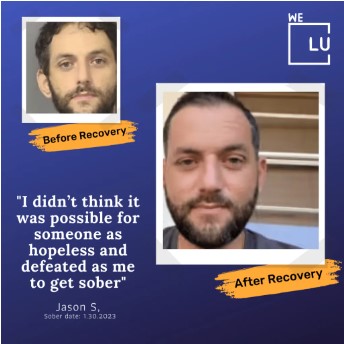
Experience Transformative Recovery at the We Level Up Treatment Center.
See our authentic success stories. Get inspired. Get the help you deserve.
Start a New Life
Begin with a free call to an addiction & behavioral health treatment advisor. Learn more about our dual-diagnosis programs. The We Level Up treatment center network delivers various recovery programs at each treatment facility. Call to learn more.
- Personalized Care
- Caring Accountable Staff
- Comfortable Amenities
- Licensed & Accredited
- Renowned w/ 5-Star Reviews
We’ll Call You
Treatment for Sexual Addiction
Before treatment for sexual addiction begins, you must first have been diagnosed with the condition by a doctor or other certified healthcare professional. Like with many mental health illnesses, sex addiction can be challenging to diagnose.
An extensive look into your medical history will be done to make a definite diagnosis and ensure that you are not exhibiting symptoms of another disorder. Treatment for sexual addiction first involves identifying the underlying cause or trigger for your compulsive sexual urges and behaviors.
Inpatient Sexual Addiction Treatment – Sexual Addiction Rehab
There are many inpatient sexual addiction treatment centers that offer sex addiction recovery programs. Often, people with sex addiction are removed from their normal daily lives for at least 30 days to help them regain control of their impulses and start healing. These types of programs typically include in-depth individual and group therapy sessions.
Sexual Addiction Therapy
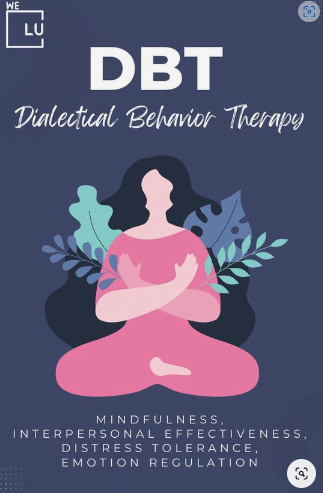
Cognitive Behavioral Therapy (CBT): CBT is one of the most common forms of psychotherapy used to treat many mental health conditions. With sexual addiction, CBT aims to help a person living with this condition learn what triggers the compulsive behaviors and thoughts they engage in and how to stop them. You are also taught healthy coping mechanisms to help you handle your triggers.
Motivational Enhancement Therapy: This is a form of psychotherapy that allows the individual living with the condition and their therapist to work collaboratively towards finding a treatment for the person’s symptoms. It focuses on tapping into a person’s motivation to change their negative behaviors
Medications for Sexual Addiction
No prescription drugs are specifically approved to treat sexual addiction. However, medications that act on your brain’s “behavior and urge” chemicals and hormones that are prescribed for similar medical conditions can be tried. Your healthcare provider will prescribe medications that are best suited for you, considering any other mental health conditions you may have.
- Antidepressants. Selective serotonin reuptake inhibitors (SSRIs) are considered the first-line treatment for sexual addiction.
- Anti-androgens. These prescription drugs target male sex hormones. They’re useful in reducing obsessive thoughts. They might be tried in extreme cases of sexual acting out when behaviors are dangerous to others.
- Mood stabilizers. These drugs may be helpful if you have bipolar disorder with manic or impulsive features and when hypersexuality is a feature. Some examples include lithium, valproate (Depakote), and carbamazepine
- Anti-anxiety medications. These medications may be tried if sexual behavior is triggered by anxiety. Buspirone is one example that may be helpful.
Search We Level Up NJ “Sexual Addiction Symptoms, Causes, Effects, & Treatment” Topics & Resources
Sources
[1] Sexual Addictions – PubMed (nih.gov) – https://pubmed.ncbi.nlm.nih.gov/20666699/
[2] What is sexual addiction? – PubMed (nih.gov) – https://pubmed.ncbi.nlm.nih.gov/20432125/
[3] Understanding and Managing Compulsive Sexual Behaviors – PMC (nih.gov) – https://www.ncbi.nlm.nih.gov/pmc/articles/PMC2945841/
[4] Substance use disorders and sexual behavior; the effects of alcohol and drugs on patients’ sexual thoughts, feelings and behavior – PubMed (nih.gov) – https://pubmed.ncbi.nlm.nih.gov/30077915/
[5] The relationship between sexual and physical abuse and substance abuse consequences – PubMed (nih.gov) – https://pubmed.ncbi.nlm.nih.gov/12039614/
[6] Substance Use Disorder – StatPearls – NCBI Bookshelf (nih.gov) – https://www.ncbi.nlm.nih.gov/books/NBK570642/
[7] Drug and Alcohol Use – StatPearls – NCBI Bookshelf (nih.gov) -https://www.ncbi.nlm.nih.gov/books/NBK513263/
[8] Substance Use and SUDs in LGBTQ* Populations | National Institute on Drug Abuse (NIDA) (nih.gov) – https://nida.nih.gov/research-topics/substance-use-suds-in-lgbtq-populations
[9] The relationship between sexual and physical abuse and substance abuse consequences – PubMed (nih.gov) – https://pubmed.ncbi.nlm.nih.gov/12039614/
[10] Substance Use and Sexual Risk Behaviors Among Teens | Fact Sheets | Adolescent and School Health | CDC – https://www.cdc.gov/healthyyouth/factsheets/substance_use_fact_sheet-basic.htm