By We Level Up NJ Treatment Center | Editor Yamilla Francese | Clinically Reviewed By Lauren Barry, LMFT, MCAP, QS, Director of Quality Assurance | Editorial Policy | Research Policy | Last Updated: February 27, 202G
Heading0
Heading1
Skip To:
Learn More:
- Drug Abuse and Deviant Behavior
- Alcohol Abuse Information
- Effects of Heroin Abuse – Physical, Behavioral, Psychological, & Social
- The Link Between ADHD and Alcohol, Risks & Interactions
- Alcohol And Anxiety Co-Occurring Mental Health Disorder
- Substance Abuse Defined, Signs, Symptoms, Link to Mental Health
- Is Alcoholism a Mental Disease?
- What Is DBT Therapy? How It Works for Addiction & Techniques
- Behavioral Counseling in Drug Abuse Treatment Centers
- Benefits of Treating Drug Addiction
Get Help. Get Better. Get Your Life Back.
Searching for Accredited Drug & Alcohol Rehab Centers Near You? Or Mental Health Support?
Even if you have failed previously, relapsed, or are in a difficult crisis, we stand ready to support you. Our trusted behavioral health specialists will not give up on you. Call us when you feel ready or want someone to speak to about therapy alternatives to change your life. Even if we cannot assist you, we will lead you wherever you can get support. There is no obligation. Call our hotline today.
FREE Addiction Hotline – Call 24/7Shopping Addiction Statistics
The frequency of compulsive buying behavior (CBB) has increased worldwide during the two last decades. A recent meta-analysis estimated a pooled prevalence of 4.9% for CBB in adult representative samples, with higher ratios for university students, those of non-community origin and shopping-specific participants. However, prevalence estimations in epidemiological research vary and can range from 1 to 30% depending on the type of sample studied.
0.1% to 6.0%
Adult past year problem gambling prevalence rates range from range from 0.1% to 6.0%, with two to three times as many people experiencing less serious sub-clinical problems.
Source: CDC
35% to 63%
35–63% of individuals seeking
treatment for gambling disorder also screened positive for a
lifetime substance use disorider (SUD),
Source: NCBI
87%
Studies also demonstrate that
individuals with gambling disorder have high rates of lifetime mood (60–76%), anxiety (16–40%), and personality (87%)
disorders, particularly anti‐social personality disorder.
Source: NCBI
Shopping Addiction Facts
Compulsive buying behavior (CBB), otherwise known as shopping addiction, pathological buying or compulsive buying disorder, is a mental health condition characterized by the persistent, excessive, impulsive, and uncontrollable purchase of products in spite of severe psychological, social, occupational, financial consequences.
Whereas, ordinary non-addicted consumers state value and usefulness as their primary motives for shopping, compulsive buyers make purchases in order to improve their mood, cope with stress, gain social approval/recognition, and improve their self-image.
Etiology of CBB
The specific etiology of CBB is still unknown. Diverse factors have been proposed as likely contributors and the few CBB studies conducted to date have largely been centered on neurobiological factors, with research on genetic factors and CBB being nonexistent. As in substance use disorders, brain imaging studies in people with CBB and other behavioral addictions have consistently found abnormalities in frontoparietal regions, reward processing, and limbic systems
However, the presently available neurological evidence does not fully explain how concrete neural mechanisms and cognitive processes can cause normal-shopping behavior to become addictive in the absence of exogenous drug stimulation. Unlike in other addictive conditions, it has been stated that the development of CBB depends on the presence of particular cultural mechanisms, such as a market-based economy, a wide variety of available goods, disposable income, and materialistic values.
Comorbidity
Psychiatric comorbidity is common in individuals with gambling disorder. Frequent co‐occurrence has been reported between SUDs (including nicotine dependence) and gambling disorder, with the highest odds ratios generally observed between gambling and alcohol use disorders. Among clinical samples, 52% reported either alcohol or drug abuse, and 35–63% of individuals seeking treatment for gambling disorder also screened positive for a lifetime SUD, rates notably higher than that found in the general population (26.6%).
Studies also demonstrate that individuals with gambling disorder have high rates of lifetime mood (60–76%), anxiety (16–40%), and personality (87%) disorders, particularly anti‐social personality disorder. Elevated rates of other behavioral addictions (compulsive buying and compulsive sexual behavior) have also been found. In a systematic review and meta‐analysis of the available population surveys exploring comorbid disorders in individuals with gambling disorder, the strongest associations were with nicotine dependence (mean co‐morbidity of 60.1% of subjects), followed by SUDs in general (57.5%), followed by any mood disorder (37.9%)

Get Your Life Back
Find Hope & Recovery. Get Safe Comfortable Detox, Addiction Rehab & Mental Health Dual Diagnosis High-Quality Care at the We Level Up Treatment Centers Network.
Hotline (877) 378-4154Heading3
Comfortable Facilities & Amenities
High-Quality Addiction & Mental Health Rehabilitation Treatment
Rehab Centers TourRenowned Addiction Centers. Serene Private Facilities. Inpatient rehab programs vary.
Addiction Helpline (877) 378-4154Proven recovery success experience, backed by a Team w/ History of:
15+
Years of Unified Experience
100s
5-Star Reviews Across Our Centers
10K
Recovery Success Stories Across Our Network
- Low Patient to Therapist Ratio
- Onsite Medical Detox Center
- Comprehensive Dual-Diagnosis Treatment
- Complimentary Family & Alumni Programs
- Coaching, Recovery & Personal Development Events
Heading4
World-class, Accredited, 5-Star Reviewed, Effective Addiction & Mental Health Programs. Complete Behavioral Health Inpatient Rehab, Detox plus Co-occuring Disorders Therapy.
CALL (877) 378-4154End the Addiction Pain. End the Emotional Rollercoaster. Get Your Life Back. Start Drug, Alcohol & Dual Diagnosis Mental Health Treatment Now. Get Free No-obligation Guidance by Substance Abuse Specialists Who Understand Addiction & Mental Health Recovery & Know How to Help.
Heading6
Experience Transformative Recovery at the We Level Up Treatment Center.
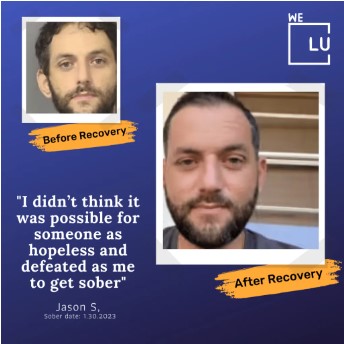
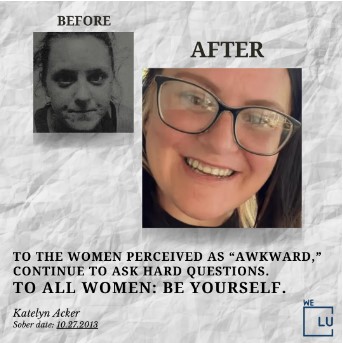
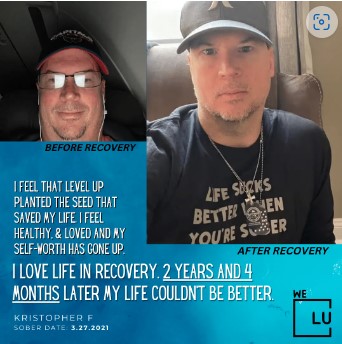
See our authentic success stories. Get inspired. Get the help you deserve.
Start a New Life
Begin with a free call to an addiction & behavioral health treatment advisor. Learn more about our dual-diagnosis programs. The We Level Up treatment center network delivers various recovery programs at each treatment facility. Call to learn more.
- Personalized Care
- Caring Accountable Staff
- Comfortable Amenities
- Licensed & Accredited
- Renowned w/ 5-Star Reviews
We’ll Call You
Heading7
Popular ____ FAQs
Search We Level Up NJ / Detox & Mental Health Topics & Resources
Sources
[1] Compulsive Buying Behavior: Clinical Comparison with Other Behavioral Addictions – https://www.ncbi.nlm.nih.gov/pmc/articles/PMC4908125/
[2] A review of compulsive buying disorder – https://www.ncbi.nlm.nih.gov/pmc/articles/PMC1805733/
[3] Introduction to Behavioral Addictions – https://www.ncbi.nlm.nih.gov/pmc/articles/PMC3164585/
[4] Behavioral Addiction versus Substance Addiction: Correspondence of Psychiatric and Psychological Views – https://www.ncbi.nlm.nih.gov/pmc/articles/PMC3354400/
[5] Definition of Substance and Non-substance Addiction – https://pubmed.ncbi.nlm.nih.gov/29098666/
[6] Drug Use and Addiction – https://medlineplus.gov/druguseandaddiction.html
[7] Behavioral Addictions as Mental Disorders – https://www.ncbi.nlm.nih.gov/pmc/articles/PMC5992581/
[8] How can we conceptualize behavioral addiction without pathologizing common behaviors? https://www.ncbi.nlm.nih.gov/pmc/articles/PMC5557689/#
[9] Addictive behaviors: where do we stand, and where are we going? – https://www.ncbi.nlm.nih.gov/pmc/articles/PMC5741104/
[10] Criteria for the establishment of a new behavioral addiction- https://www.ncbi.nlm.nih.gov/pmc/articles/PMC9295214/