
Is melatonin addictive? This is a common question many people ask when they have trouble sleeping. Melatonin is often seen as a safe and natural sleep aid, but many people worry about using it for a long time. You may wonder if your body can depend on it or if it can cause harm. These concerns are real, especially if you or someone you love uses sleep aids often. The good news is that there are clear answers and safe ways to manage sleep problems and sleep anxiety. In this guide, you will learn about melatonin, its risks, and how to use it safely while protecting your mental and physical health.
What Is Melatonin Addictive?
Melatonin is a hormone that your body makes to control sleep. It helps your body know when it is time to rest and when it is time to wake up. Many people take melatonin as a supplement to help with sleep problems like insomnia or jet lag. When asking is melatonin addictive, it is important to understand how it works in the body.
Most research shows that melatonin is not addictive in the same way as drugs like alcohol or opioids. It does not create strong cravings or cause people to lose control. However, some people may start to feel like they cannot sleep without it. This can lead to habits that feel hard to break. These are often linked to melatonin dependency myths rather than true addiction.
Professional support can still be helpful if sleep problems continue. Poor sleep can affect mood, focus, and overall health. Getting help from a trained provider can improve sleep and reduce the need for long-term supplement use.
Signs You May Need Melatonin Addictive Treatment
Even though melatonin is not considered highly addictive, some people may develop unhealthy habits around using it. It is important to notice when use becomes frequent or feels hard to stop. This can be a sign that you need support.
Here are some signs to watch for:
- Using melatonin every night for long periods
- Feeling unable to sleep without taking it
- Increasing the dose to get the same effect
- Feeling anxious about missing a dose
- Daytime tiredness or grogginess
- Trouble focusing during the day
- Relying on sleep aids instead of healthy sleep habits
These signs do not always mean addiction, but they can show a pattern that may need attention. Understanding melatonin addiction risk facts can help you make safer choices.

Skip To:
Get Help. Get Better. Get Your Life Back.
Searching for Accredited Drug & Alcohol Rehab Centers Near You? Or Mental Health Support?
Even if you have failed previously, relapsed, or are in a difficult crisis, we stand ready to support you. Our trusted behavioral health specialists will not give up on you. Call us when you feel ready or want someone to speak to about therapy alternatives to change your life. Even if we cannot assist you, we will lead you wherever you can get support. There is no obligation. Call our hotline today.
FREE Addiction Hotline – Call 24/7Why Choose We Level Up NJ for Is Melatonin Addictive?
Choosing the right place for help can feel difficult, especially when dealing with sleep problems and mental health concerns. At We Level Up NJ, care is focused on treating the whole person. This means looking at both sleep habits and emotional well-being.
The team includes trained doctors, therapists, and support staff who understand sleep-related issues. They work together to create a care plan that fits your needs. This helps address both the physical and mental causes of sleep problems.
Patients receive support in a calm and structured setting. Treatment may include counseling, stress management, and sleep education. This approach helps people build healthy sleep routines without relying too much on supplements. The focus is on long-term wellness and safe recovery.
Ready to get started? Call (201)389-9370 or email verifyadmissions@welevelup.com today. A better life is waiting for you.

Get Your Life Back
Find Hope & Recovery. Get Safe Comfortable Detox, Addiction Rehab & Mental Health Dual Diagnosis High-Quality Care at the We Level Up Treatment Centers Network.
Hotline (877) 378-4154What to Expect During Melatonin Addictive Treatment
Starting treatment for sleep issues can feel new and uncertain. Knowing what to expect can make the process easier. Care is designed to guide you step by step and help you feel supported. The first step is an assessment. This helps the care team understand your sleep patterns, health history, and any stress or mental health concerns. It allows them to create a plan that fits your needs.
The next step is therapy and education. You may learn about healthy sleep habits, stress control, and ways to relax before bedtime. Counseling can also help you understand why you rely on sleep aids and how to change those patterns. The final step focuses on long-term success. You will learn how to maintain healthy sleep without overusing supplements. This includes building routines, managing stress and improving daily habits that support better sleep.
Comfortable Facilities & Amenities
High-Quality Addiction & Mental Health Rehabilitation Treatment
Rehab Centers TourRenowned Addiction Centers. Serene Private Facilities. Inpatient rehab programs vary.
Addiction Helpline (877) 378-4154Proven recovery success experience, backed by a Team w/ History of:
15+
Years of Unified Experience
100s
5-Star Reviews Across Our Centers
10K
Recovery Success Stories Across Our Network
- Low Patient to Therapist Ratio
- Onsite Medical Detox Center
- Comprehensive Dual-Diagnosis Treatment
- Complimentary Family & Alumni Programs
- Coaching, Recovery & Personal Development Events
Understanding Sleep Habits
Sleep habits play a big role in how well you rest. Many people develop habits that make sleep harder, such as using screens late at night or having irregular sleep times. These patterns can lead to more dependence on sleep aids.
Learning better habits can improve sleep naturally. Small changes like going to bed at the same time each night and limiting screen use can make a big difference. Over time, these habits can reduce the need for melatonin.
Managing Stress and Anxiety
Stress and anxiety are common reasons people have trouble sleeping. When the mind is busy, it becomes harder to relax and fall asleep. This can lead people to depend on supplements like melatonin. Therapy can help manage these feelings in healthy ways. Relaxation techniques, breathing exercises, and counseling can improve sleep quality. This supports long-term melatonin long term use safety by reducing the need for daily use.
World-class, Accredited, 5-Star Reviewed, Effective Addiction & Mental Health Programs. Complete Behavioral Health Inpatient Rehab, Detox plus Co-occuring Disorders Therapy.
CALL (877) 378-4154End the Addiction Pain. End the Emotional Rollercoaster. Get Your Life Back. Start Drug, Alcohol & Dual Diagnosis Mental Health Treatment Now. Get Free No-obligation Guidance by Substance Abuse Specialists Who Understand Addiction & Mental Health Recovery & Know How to Help.
Benefits of Melatonin Addictive Treatment
Getting support for sleep and supplement use can improve many areas of life. Treatment focuses on building healthy habits and improving overall well-being.
Here are some benefits:
- Better sleep quality and regular sleep patterns
- Reduced reliance on sleep aids
- Improved mood and emotional balance
- Better focus and daily energy
- Healthy coping skills for stress
- Personalized care based on your needs
These benefits can help you feel more rested and in control of your health. Over time, you may notice better sleep and a more stable routine.
Experience Transformative Recovery at the We Level Up Treatment Center.
See our authentic success stories. Get inspired. Get the help you deserve.
Start a New Life
Begin with a free call to an addiction & behavioral health treatment advisor. Learn more about our dual-diagnosis programs. The We Level Up treatment center network delivers various recovery programs at each treatment facility. Call to learn more.
- Personalized Care
- Caring Accountable Staff
- Comfortable Amenities
- Licensed & Accredited
- Renowned w/ 5-Star Reviews
We’ll Call You
FAQs
-
Is melatonin habit-forming?
Melatonin is not strongly habit-forming, but some people may feel they need it to sleep. This is often due to routine rather than true addiction.
-
Can you become dependent on melatonin?
True dependence is rare, but some people may rely on it over time. This can happen if healthy sleep habits are not in place.
-
Are there melatonin withdrawal symptoms?
Melatonin withdrawal symptoms are usually mild or not present. Some people may have trouble sleeping for a short time after stopping.
-
Is melatonin safe for long-term use?
The long-term safety of melatonin use depends on the person. Short-term use is generally safe, but long-term use should be guided by a healthcare provider.
-
What are common side effects?
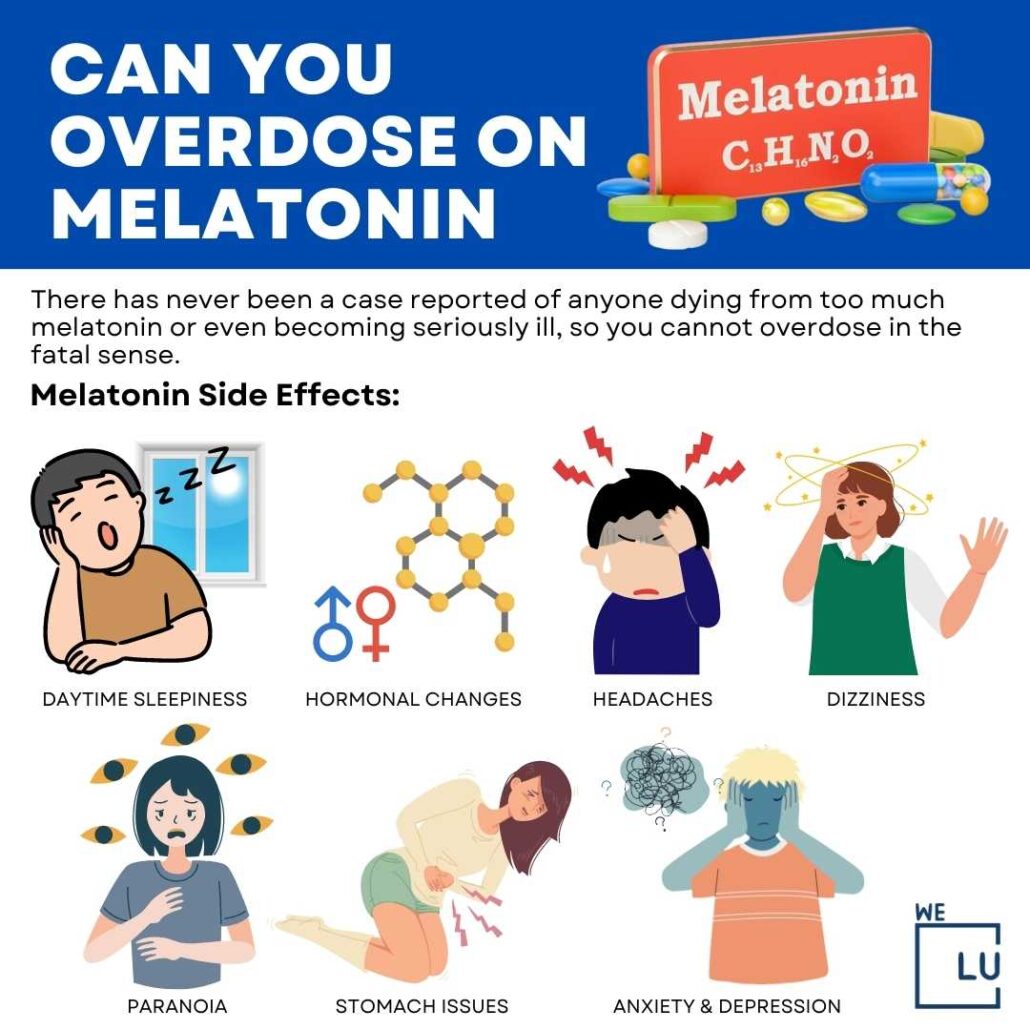
Side effects may include drowsiness, headache, dizziness, or nausea. These effects are usually mild but can affect daily life.
-
When should I seek help?
You should seek help if you cannot sleep without melatonin or if sleep problems affect your daily life. Early support can improve sleep and overall health.
Take a Step Forward
Is melatonin addictive? For most people, it is not truly addictive, but it can become a habit that feels hard to break. Over time, relying on it may prevent you from building healthy sleep patterns. If you or someone you love is struggling with sleep or overusing supplements, help is available. Professional support can guide you toward better sleep, healthier habits and long-term wellness. You do not have to manage this alone. Reach out today and take the first step toward better sleep and a healthier life.
Ready to get started? Call (201)389-9370 or email verifyadmissions@welevelup.com today. A better life is waiting for you.
Powerful Video Overcoming Prescription Drug Abuse
“I wanted my life back. I was a shell of a person. I wanted to be trusted; I wanted relationships back that I lost, mainly my children and family. It started innocent enough, I got into a car accident, and then I got sucked into the whole, you know, medication issue with the pills. Before I knew it, I was in a cloud. I was sucked in by addiction, and with my mind, I kept thinking it was OK because a doctor was prescribing this for me, a doctor was giving me this, a doctor was giving me that.
So, I didn’t think I was doing anything wrong. Level Up supports my family and my relationships with my family, and they’ve helped me grow as a person. When I first started there, I was so intimidated and scared, you know? But, they’ve taught me, they’ve taught me how to come into my own. And then, you know, when I get the call from my twenty-one-year-old daughter in the middle of the day, to say ‘I love you, Mom.’ that’s amazing.”
Jen’s Addiction Recovery Testimonial