Emotional Abuse: Signs, Effects, and How to Get Help
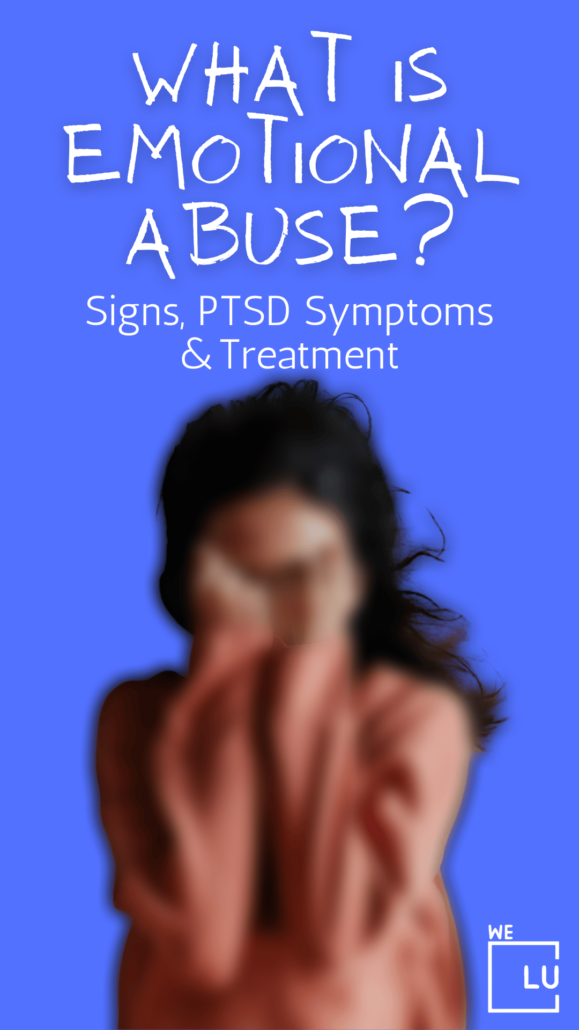
Emotional abuse is a real thing that can have serious consequences. Many individuals believe that physical violence is the only form of abuse. That isn’t accurate. A person’s sense of safety and self-worth can be harmed by words, control, threats, and unrelenting criticism. This discomfort may, over time, impact relationships, everyday life, and mental health.
We Level Up NJ provides structured support in a secure and nurturing setting if you think you are being emotionally abused.
This form of abuse often hides in close relationships. It may come from a partner, a parent, a family member, or a caregiver. Because there are no visible bruises, many people doubt their own experience. They may question whether the harm is serious. But emotional harm is still harm.
Table of Contents

A relationship is emotionally abusive when a consistent pattern of harsh words and bullying behaviors wears down an individual’s self-esteem and undermines their mental health.

Learn More:
What Is Emotional Abuse
Emotional abuse is a repeated pattern of behavior. It is meant to control, frighten, or break down another person. It can happen slowly. It can also happen suddenly during conflict. Either way, the harm builds over time.
This abuse often includes manipulation. The abusive person may deny reality. They may twist words. They may blame the victim. They may act kindly after being cruel. This creates confusion and emotional dependence.
Many people don’t know they’re being abused. They might think it’s okay to act that way. They might think love should hurt. They might wish the person would change. When people are in abusive relationships, things usually get worse without any help.
Why It Is So Hard to Spot
One reason emotional abuse is so damaging is that it is often invisible. Friends may not see it. Family may not believe it. Even the victim may not recognize it at first.
Abusers often behave differently when they’re out in public. It might look like they’re cute. They might seem helpful. They might be nice to other people. In this case, the person feels even more lost.
It often starts small, which is another reason. It might start as a joke. It might start as “jokes.” It might start as criticism that looks like worry. It turns into fear, control, and mental harm over time.
When abuse is repeated, the victim may start to believe the abuser’s words. This is one of the most painful effects of emotional abuse. The person begins to doubt their worth.
Get Your Life Back
Find Hope & Recovery. Get Safe Comfortable Detox, Addiction Rehab & Mental Health Dual Diagnosis High-Quality Care at the We Level Up Treatment Centers Network.
Hotline (877) 378-4154Common Emotional Abuse Signs
Recognizing emotional abuse signs is the first step toward safety. These signs often appear as patterns rather than as one-time events.
Common signs include:
- Constant criticism or insults
- Yelling or name-calling
- Gaslighting
- Threats of abandonment
- Controlling who you see or where you go
- Making you feel guilty for normal needs
- Blaming you for their behavior
- Ignoring you to punish you
- Monitoring your phone or messages
These patterns are not normal conflict. Healthy relationships involve respect, even during disagreements.
Psychological Abuse Examples
Many survivors ask, “Was it really abuse?” Clear psychological abuse examples can help answer that question.
One example is gaslighting. This happens when someone doesn’t believe what’s real. They might say, “That didn’t happen,” even though it did. You might start to question your memory over time.
Isolation is another one. The person who hurts you might make you avoid relatives and friends. Something like, “Your family doesn’t care about you” or “Your friends are bad for you.” This makes you less vulnerable and leaves you alone.
If you use silence as a punishment, that is also abuse. It’s meant to scare and make you helpless.
One more type is humiliation. The attacker could make you look bad in public or in private. They may make fun of your looks, your intelligence, or your feelings. This is not a mistake. It’s clear that these actions are meant to hurt others.
Abusive Relationship Behaviors That Often Repeat
Abusive relationship behaviors often follow a cycle. This cycle keeps people stuck. First, there’s more stress. The person who was hurt feels like they have to be careful. The attacker then hits back. The abuser may then say sorry or act caring. This gives me hope. The person being abused may think that it will end. Then it starts all over again.
Like a mental addiction, this pattern can be hard to break. When the offender is nice, the victim feels better. They might not care about the harm because they want peace. This is one reason it can be so hard to leave.
The Deep Emotional Abuse Effects on Mental Health
Even after the relationship is over, the emotional abuse can linger. A lot of survivors show signs of worry, depression, and trauma. Some common emotional effects are:
- Not feeling safe even in safe places
- Always having a bad mood
- Feeling ashamed
- Being afraid of fighting
- Having the thought that you are not good enough
Some survivors don’t feel anything mentally. They might stop believing other people. They might have trouble relaxing. When they rest, they might feel bad. Over time, abuse can also lead to panic attacks and sleep problems. The nervous system stays activated. The body remains in survival mode.
Emotional Abuse and Physical Health
Many people don’t know that mental abuse can hurt the body. There is a difference, though, between worry and danger in the body. Stress that lasts for a long time can cause headaches, stomachaches, tiredness, tense muscles, and a racing heart. Some people feel sick or their taste changes.
Having trouble sleeping is common. The mind plays over debates. The body stays awake. It seems impossible to rest.
These signs are real. It’s not “all in your head.” Stress is stored in the body.
Emotional Abuse and Addiction Risk
To deal, a lot of survivors drink or do drugs. For a short time, drugs may dull your pain and fear. However, they often make conditions worse over time.
Alcohol can make sadness worse. Drugs can make nervousness worse. Both can make you dependent on them. When trauma and addiction happen at the same time, they both need to be handled. This is the best way to get better for good.
How Emotional Abuse Is Identified in Therapy
A mental health professional can help confirm patterns of emotional abuse. They listen carefully. They ask about control, fear, and emotional harm.
Also, therapy can help people who stayed figure out why they did what they did. It takes away shame. Setting good limits is taught. When the relationship is dangerous, a professional can also help you make plans for your safety.
Treatment and Healing After Emotional Abuse
It is possible to heal. It takes time. You need help with it. But people do get better. Rebuilding safety is helped by treatment that takes trauma into account. It teaches people how to control their emotions. It makes people less scared and panicked.
Cognitive-behavioral therapy can help people question their false beliefs. Survivors often feel like they are not loved or are weak. Therapy helps you replace those false ideas with the truth.
Going to group treatment can also help. It helps people remember they are not alone. Together, they give each other hope. Forgetting things is not part of recovery. It’s about getting your life back on track with strength.
Why Early Support Matters
Many people wait years to seek help. They may minimize the abuse. They may feel embarrassed. They may believe they should “get over it.”
Early support prevents deeper trauma. It reduces the risk of anxiety and depression. It improves confidence. The sooner you receive care, the sooner your nervous system can begin to relax.
World-class, Accredited, 5-Star Reviewed, Effective Addiction & Mental Health Programs. Complete Behavioral Health Inpatient Rehab, Detox plus Co-occuring Disorders Therapy.
CALL (877) 378-4154End the Addiction Pain. End the Emotional Rollercoaster. Get Your Life Back. Start Drug, Alcohol & Dual Diagnosis Mental Health Treatment Now. Get Free No-obligation Guidance by Substance Abuse Specialists Who Understand Addiction & Mental Health Recovery & Know How to Help.
Why Choose We Level Up NJ
At We Level Up NJ, we understand how damaging emotional abuse can be. We know it affects confidence, safety, and identity. We also know many survivors blame themselves. That is why we provide care without judgment.
We begin with a full assessment. We look at trauma history, emotional patterns, and substance use concerns. Then we create a personalized treatment plan.
Our team provides trauma-informed therapy in a safe environment. Emotional safety comes first. We teach coping skills that rebuild strength. We also treat co-occurring anxiety, depression, and addiction when present. Healing from emotional abuse effects requires steady support. We guide each step of recovery.
Ready to get started? Call (201)389-9370 or email verifyadmissions@welevelup.com today. A better life is waiting for you.
Living Well After Treatment
Life can improve after abuse. Many survivors regain confidence over time. They learn to set boundaries. They learn to trust themselves again.
Healing includes learning that you did not deserve the abuse. It includes learning that love does not require fear. Over time, sleep improves. Anxiety decreases. Self-worth grows. Recovery is not instant, but it is real.
Frequently Asked Questions
What is emotional abuse?
It is a pattern of behaviors that control, manipulate, or harm someone emotionally without physical violence.
What are common emotional abuse signs?
Common signs include constant criticism, gaslighting, isolation, threats, humiliation, and controlling behavior.
What are the effects of emotional abuse?
Effects may include anxiety, depression, panic attacks, low self-esteem, sleep problems, and difficulty trusting others.
What are examples of psychological abuse?
Common abuse examples include gaslighting, silent treatment, humiliation, threats of abandonment, and isolating someone from support.
What are abusive relationship behaviors?
Abusive relationship behaviors include manipulation, jealousy, control, blaming, emotional intimidation, and monitoring communication.
How does We Level Up NJ help?
We Level Up NJ provides professional assessment, trauma-informed therapy, emotional support, and integrated care to help individuals recover.
Take the First Step Toward Freedom and Healing
Living with emotional abuse can make you feel small, confused, and alone. You may question your memories. You may doubt your worth. You may feel trapped in silence. But your pain is real, and your experience matters. You deserve safety and respect.
At We Level Up NJ, we help people rebuild strength after emotional abuse. You do not have to keep carrying this pain by yourself. Call (877) 378-4154 today. This private call could be the moment you choose clarity over confusion and peace over fear. Your healing can begin now.
Ready to get started? Call (201)389-9370 or email verifyadmissions@welevelup.com today. A better life is waiting for you.
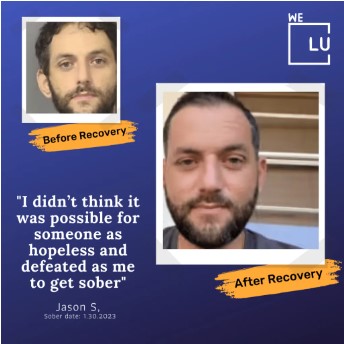
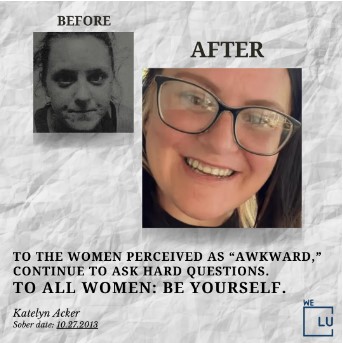
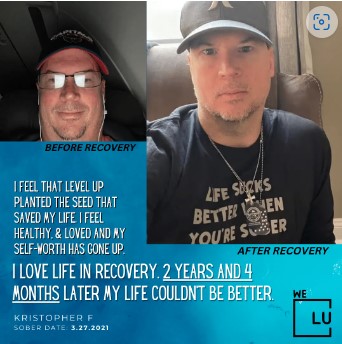
Experience Transformative Recovery at the We Level Up Treatment Center.
See our authentic success stories. Get inspired. Get the help you deserve.
Start a New Life
Begin with a free call to an addiction & behavioral health treatment advisor. Learn more about our dual-diagnosis programs. The We Level Up treatment center network delivers various recovery programs at each treatment facility. Call to learn more.
- Personalized Care
- Caring Accountable Staff
- Comfortable Amenities
- Licensed & Accredited
- Renowned w/ 5-Star Reviews