Early signs of alcoholism can be hard to notice at first, but they are important to understand. Alcohol use may begin in a social or casual way, but over time it can become a serious problem. A person may not realize that their drinking habits are changing. Small signs can slowly turn into bigger issues that affect health, mood, and daily life. Family members or loved ones may feel worried but unsure of what to do.
Recognizing these early changes can help prevent more serious problems later. The good news is that help is available, and recovery is possible with the right support. This guide explains the early signs of alcoholism in very simple words. It helps people understand what to look for and when to seek help.
Table of Contents
What are the Early Signs of Alcoholism?
Early signs of alcoholism are the first warning signals that alcohol use is becoming a problem. These signs may not seem serious at first, but they can grow over time. A person may start drinking more often or rely on alcohol to feel better.
Alcohol affects the brain and body. Over time, the brain may begin to depend on it. This can lead to alcohol addiction, with early warning signs that are easy to miss. These include changes in mood, behavior, and daily habits.
According to U.S. health data, many people struggle with alcohol use each year. This shows why it is important to notice signs of alcohol dependence early stage. Getting help early can prevent long-term damage and improve health.s after a person has become completely addicted. In severe cases, a person can develop permanent memory loss.
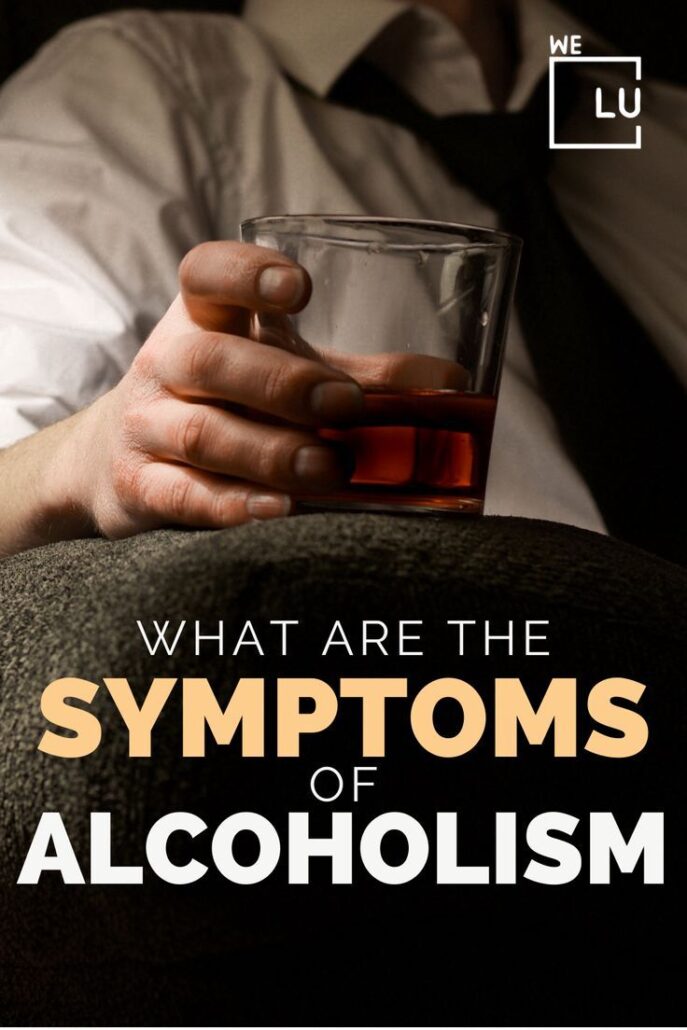
Signs You May Need Help With Early Signs of Alcoholism
Early alcoholism signs and symptoms can appear in different ways. Some are physical, while others affect behavior and emotions.
- Drinking more often than planned
- Feeling a strong need to drink
- Using alcohol to deal with stress
- Mood changes like anger or sadness
- Trouble sleeping or feeling tired
- Ignoring responsibilities
- Hiding drinking from others
These alcohol misuse indicators early can affect daily life. A person should not ignore them. Early action can make recovery easier and more successful.

Why Choose We Level Up NJ for Early Signs of Alcoholism?
We Level Up NJ offers care for people dealing with early signs of alcoholism. The team understands that alcohol use affects both the body and the mind. Many people feel confused and need support in a safe place.
The center provides care from trained doctors and therapists. Each person receives a plan that fits their needs. This helps people feel supported and understood during recovery. The program focuses on long-term healing. It helps people build better habits and avoid harmful drinking. This approach supports a healthier and more stable life.
Ready to get started? Call (201)389-9370 or email verifyadmissions@welevelup.com today. A better life is waiting for you.

Get Your Life Back
Find Hope & Recovery. Get Safe Comfortable Detox, Addiction Rehab & Mental Health Dual Diagnosis High-Quality Care at the We Level Up Treatment Centers Network.
Hotline (877) 378-4154What to Expect During Early Signs of Alcoholism Treatment
Treatment starts with a full health check. Doctors review drinking habits, symptoms, and medical history. This helps them understand the situation and plan care.
The next step includes therapy and support programs. These help people understand their behavior and learn better ways to cope. Group sessions also provide support from others.
Long-term care focuses on relapse prevention. People learn how to manage stress without alcohol. This helps them stay strong and continue recovery.

Get Help. Get Better. Get Your Life Back.
Searching for Accredited Drug & Alcohol Rehab Centers Near You? Or Mental Health Support?
Even if you have failed previously, relapsed, or are in a difficult crisis, we stand ready to support you. Our trusted behavioral health specialists will not give up on you. Call us when you feel ready or want someone to speak to about therapy alternatives to change your life. Even if we cannot assist you, we will lead you wherever you can get support. There is no obligation. Call our hotline today.
FREE Addiction Hotline – Call 24/7Benefits of Early Signs of Alcoholism Treatment
Getting help early can improve both health and daily life.
- Helps stop harmful drinking habits early
- Supports mental and emotional health
- Improves relationships and daily life
- Reduces risk of addiction
- Builds healthy coping skills
- Encourages long-term recovery
These benefits show why early treatment is very important.
Early Alcoholism Signs Symptoms
Early alcoholism signs symptoms may start small but grow over time. A person may begin drinking more often or feel the need to drink daily. They may also notice changes in mood or energy levels. Some people may feel anxious or stressed without alcohol. Others may lose interest in activities they once enjoyed. These signs can affect both personal and social life. Recognizing these symptoms early can help prevent serious problems. It also helps people seek support before the condition worsens.
Comfortable Facilities & Amenities
High-Quality Addiction & Mental Health Rehabilitation Treatment
Rehab Centers TourRenowned Addiction Centers. Serene Private Facilities. Inpatient rehab programs vary.
Addiction Helpline (877) 378-4154Proven recovery success experience, backed by a Team w/ History of:
15+
Years of Unified Experience
100s
5-Star Reviews Across Our Centers
10K
Recovery Success Stories Across Our Network
- Low Patient to Therapist Ratio
- Onsite Medical Detox Center
- Comprehensive Dual-Diagnosis Treatment
- Complimentary Family & Alumni Programs
- Coaching, Recovery & Personal Development Events
Alcohol Addiction Early Warning Signs
Alcohol addiction early warning signs can appear in behavior and thinking. A person may plan their day around drinking or think about alcohol often. This can make it hard to focus on other things.
They may also deny that there is a problem. This makes it harder to seek help. Loved ones may notice changes before the person does.
Understanding these warning signs can help families take action. Early support can lead to better outcomes.
Signs of Alcohol Dependence Early Stage
Signs of alcohol dependence early stage include needing alcohol to feel normal. A person may feel uncomfortable or stressed without it. This can lead to regular use. They may also build tolerance, which means they need more alcohol to feel the same effect. This increases the risk of addiction. These signs show that the body is becoming dependent. Early treatment can help break this pattern.
Alcohol Misuse Indicators Early
Alcohol misuse indicators early include using alcohol in unsafe ways. This may include drinking before work or while driving. These behaviors can be dangerous. A person may also continue drinking despite problems. This can affect health, work, and relationships.
Recognizing these indicators helps people make better choices. It also encourages early help and support.
Alcoholism Symptoms Checklist
An alcoholism symptoms checklist can help identify early problems. It includes common signs that may show alcohol misuse.
- Drinking alone often
- Feeling guilty about drinking
- Forgetting events after drinking
- Trouble controlling drinking
- Using alcohol to relax or escape
- Losing interest in responsibilities
This checklist helps people reflect on their habits. It can guide them toward seeking help if needed.
Long-Term Effects of Alcohol Use
Long-term alcohol use can affect both the body and the mind. The liver may become damaged, and the brain may not work properly. This can affect memory and mood.
Other effects include poor sleep, low energy, and health problems. Relationships may also suffer over time. With early help, many of these effects can be prevented. This shows why taking action early is important.
World-class, Accredited, 5-Star Reviewed, Effective Addiction & Mental Health Programs. Complete Behavioral Health Inpatient Rehab, Detox plus Co-occuring Disorders Therapy.
CALL (877) 378-4154End the Addiction Pain. End the Emotional Rollercoaster. Get Your Life Back. Start Drug, Alcohol & Dual Diagnosis Mental Health Treatment Now. Get Free No-obligation Guidance by Substance Abuse Specialists Who Understand Addiction & Mental Health Recovery & Know How to Help.
FAQs
-
What are the early signs of alcoholism?
They are early warning signs that drinking is becoming a problem.
-
How can someone tell if they have a problem?
If drinking affects daily life or becomes hard to control.
-
Can early signs be reversed?
Yes, early help can stop the problem from getting worse.
-
What are common symptoms?
Mood changes, frequent drinking, and cravings.
-
Is it possible to recover?
Yes, with support and treatment, recovery is possible.
-
When should someone seek help?
When drinking begins to affect health or daily life.
Take a Step Forward
Early signs of alcoholism can be easy to miss, but they are important to recognize. Small changes in behavior or mood can lead to bigger problems if ignored. Understanding these signs helps people take action before the situation becomes more serious. With the right support, people can change their habits and improve their health. Recovery is possible, and no one has to go through it alone.
Taking the first step may feel difficult, but it can lead to a better and healthier life. If you or someone you care about is showing signs of alcohol misuse, now is the time to act. Reach out to We Level Up NJ today to learn about treatment options and begin the journey toward recovery and well-being.
Ready to get started? Call (201)389-9370 or email verifyadmissions@welevelup.com today. A better life is waiting for you.
Alcohol Withdrawal Timeline Symptoms Video Transcript.
Welcome to the We Level Up treatment center video series. Today’s video will discuss Alcohol Withdrawal Timeline Symptoms, Stages, Syndrome, Medication, Risks & Treatment Options.
When you stop drinking, alcohol withdrawal timeline symptoms like jumpiness, tremors, dehydration & anxiety can be expected. The severity of alcohol detox withdrawal treatment can be felt within hours of discontinuing drinking.
Alcohol withdrawal symptoms happen when someone drinking too much alcohol regularly suddenly stops drinking. The more a person drinks regularly, the more likely they will develop alcohol withdrawal symptoms when they stop drinking. According to the National Institute of Health, Alcohol withdrawal symptoms include difficulty sleeping, alcohol cravings, reduced energy, and feeling depressed or low.
When Does the Timeline For Alcohol Withdrawal Symptoms Begin?
In most cases, withdrawal from alcohol mild symptoms may begin to develop within hours of the last alcoholic beverage consumed. Alcohol withdrawal has a broad range of symptoms, from mild tremors to a severe condition called delirium tremens, which results in seizures and could progress to death if not recognized and treated promptly.
What Are the Major Alcohol Withdrawal Timeline Symptoms?
Alcohol withdrawal timeline symptoms describe what happens to your brain and body when you get dependent on alcohol and stop suddenly. Likewise, the alcohol withdrawal timeline examines the signs of alcohol withdrawal. When searching for the “timeline quit drinking” and the time frame for symptoms of alcohol detox, you will note the symptoms are the same.
If you or a loved one is suffering from alcohol withdrawal, begin by learning more about the withdrawal process. Discover what to expect from alcohol withdrawal treatment and which therapies suit you. Explore the alcohol withdrawal timeline symptoms and potential effects of alcohol abstinence. Learn what delirium tremens (DTs) are, plus the effects of alcohol withdrawal on mental health. Keep in mind that alcohol detox should consider that:
Alcohol withdrawal can be uncomfortable, risky, and even lethal without proper professional detox treatment. More so if the patient is a heavy drinker for a longer period.
Alcohol withdrawal symptoms include anxiety, tremors, sweating, and nausea. More severe alcohol withdrawal symptoms include fever, mental confusion, and seizures.
The safer method to detox from alcohol is under properly supervised medical alcohol detox treatment.
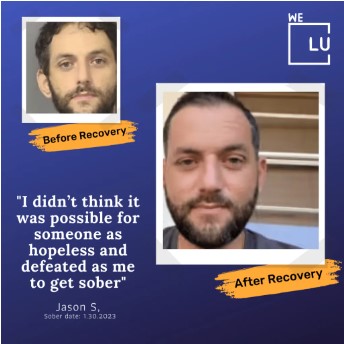
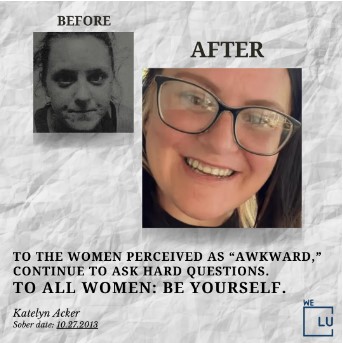
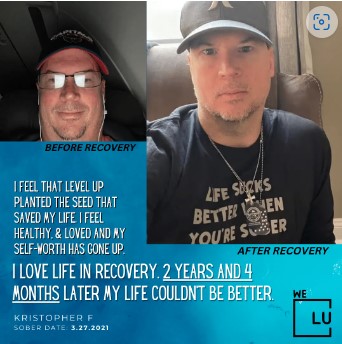
Experience Transformative Recovery at the We Level Up Treatment Center.
See our authentic success stories. Get inspired. Get the help you deserve.
Start a New Life
Begin with a free call to an addiction & behavioral health treatment advisor. Learn more about our dual-diagnosis programs. The We Level Up treatment center network delivers various recovery programs at each treatment facility. Call to learn more.
- Personalized Care
- Caring Accountable Staff
- Comfortable Amenities
- Licensed & Accredited
- Renowned w/ 5-Star Reviews
We’ll Call You
Search We Level Up NJ Signs of Alcoholism, Alcohol Detox, Mental Health Topics & Resources
Sources
[1] Newman RK, Stobart Gallagher MA, Gomez AE. Alcohol Withdrawal. [Updated 2022 Aug 29]. In: StatPearls [Internet]. Treasure Island (FL): StatPearls Publishing; 2023 Jan-. Available from: https://www.ncbi.nlm.nih.gov/books/NBK441882/
[2] Alcohol Facts and Statistics – National Institute on Alcohol Abuse and Alcoholism (NIAAA)
[3] Nehring SM, Freeman AM. Alcohol Use Disorder. [Updated 2022 Jul 31]. In: StatPearls [Internet]. Treasure Island (FL): StatPearls Publishing; 2023 Jan-. Available from: https://www.ncbi.nlm.nih.gov/books/NBK436003/
[4] Alozai Uu, Sharma S. Drug and Alcohol Use. [Updated 2022 Jun 21]. In: StatPearls [Internet]. Treasure Island (FL): StatPearls Publishing; 2023 Jan-. Available from: https://www.ncbi.nlm.nih.gov/books/NBK513263/
[5] Alcohol use disorder – Available from: https://medlineplus.gov/download/genetics/condition/alcohol-use-disorder.pdf
[6] Huebner RB, Kantor LW. Advances in alcoholism treatment. Alcohol Res Health. 2011;33(4):295-9. PMID: 23580014; PMCID: PMC3860532.
[7] Center for Substance Abuse Treatment. A Guide to Substance Abuse Services for Primary Care Clinicians. Rockville (MD): Substance Abuse and Mental Health Services Administration (US); 1997. (Treatment Improvement Protocol (TIP) Series, No. 24.) Chapter 5—Specialized Substance Abuse Treatment Programs. Available from: https://www.ncbi.nlm.nih.gov/books/NBK64815/
[8] LaHood AJ, Kok SJ. Ethanol Toxicity. [Updated 2023 Mar 13]. In: StatPearls [Internet]. Treasure Island (FL): StatPearls Publishing; 2023 Jan-. Available from: https://www.ncbi.nlm.nih.gov/books/NBK557381/
[9] Alcohol’s Effects on Health – National Institute on Alcohol Abuse and Alcoholism (NIAAA)
[10] Alcohol’s Effect on Health: NIAAA brochures and fact sheets – National Institute on Alcohol Abuse and Alcoholism (NIAAA)