

Many people want to stop drinking, but they feel worried about what will happen next. This is where the alcohol withdrawal timeline becomes important. When a person drinks alcohol often, the body gets used to it. Over time, the brain starts to depend on alcohol to feel normal. When drinking suddenly stops, the body has to adjust again. This can cause withdrawal symptoms that feel uncomfortable or even scary.
Some people feel mild symptoms like stress or poor sleep. Others may experience strong symptoms that need medical care. Knowing what to expect can help people feel less afraid and more prepared. It can also help loved ones understand what is happening. This guide explains each stage in simple terms and shows how proper care can make the process safer and easier.
Table of Contents
What is the Alcohol Withdrawal Timeline?
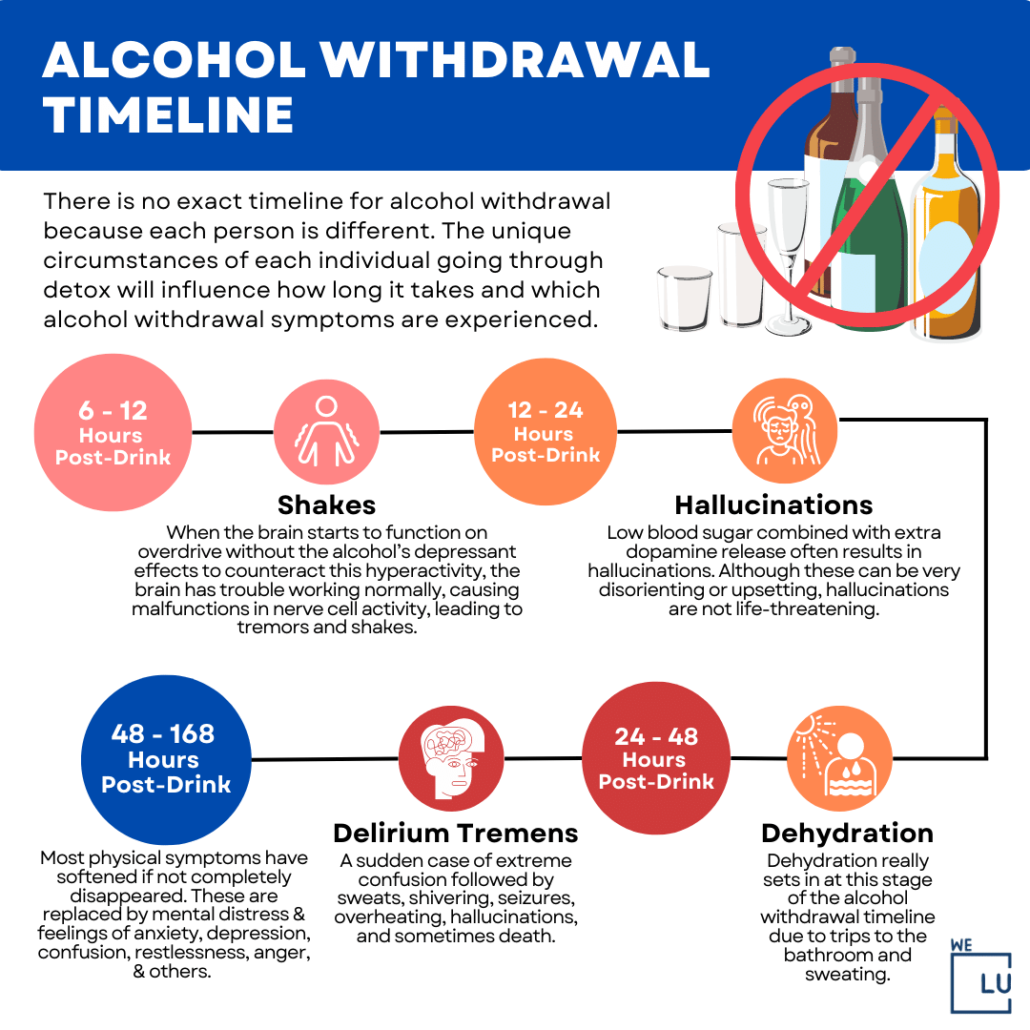
The alcohol withdrawal timeline explains how the body reacts after someone stops drinking. It shows when symptoms start, how they change, and when they begin to improve. While each person is different, most people follow a similar pattern.
Alcohol slows down brain activity. When a person drinks for a long time, the brain adjusts to this slower pace. When alcohol is removed, the brain becomes overactive. This leads to symptoms like shaking, sweating, and anxiety. This process is also known as detox alcohol symptoms progression, which means how symptoms grow and change during detox.
Medical care is very important during this time. Some symptoms can become serious if ignored. According to U.S. health data, many people need support when they stop heavy drinking. A safe detox program helps reduce risks and keeps the person stable.
Signs You May Need Alcohol Withdrawal Support
Some people try to stop drinking on their own, but the body may react strongly. It is important to notice warning signs early.
- Shaking or trembling hands
- Feeling very anxious or nervous
- Sweating more than usual
- Trouble sleeping or waking often
- Feeling sick or vomiting
- Fast heartbeat or chest discomfort
- Confusion or trouble thinking clearly
These signs show the body is under stress. Getting help early can make the process safer and easier.
“Alcohol Withdrawal Timeline Symptoms” Video
How long to detox alcohol? The duration of alcohol detoxification, also known as the (ethyl alcohol) EtOH withdrawal timeline, can vary widely from a few days to several weeks, depending on the individual’s level of alcohol dependence and the severity of withdrawal symptoms experienced.
How long for alcohol withdrawal to kick in? Watch the video below to learn more about the alcohol addiction withdrawal timeline and the signs of liquor withdrawal.
Why Choose We Level Up NJ for Alcohol Withdrawal Timeline Care?
We Level Up NJ offers safe and caring support for people going through withdrawal. The team understands how the alcohol withdrawal stages timeline affects both the body and mind. Their goal is to help each person feel safe and supported.
The center provides medical detox, therapy, and mental health care. Each patient gets a care plan based on their needs. Doctors and nurses watch symptoms closely and give treatment when needed. This helps lower the risk of serious problems. The environment is calm and welcoming. Patients are treated with respect and kindness. Families are also included, so they can support their loved one during recovery.
Ready to get started? Call (201)389-9370 or email verifyadmissions@welevelup.com today. A better life is waiting for you.
Get Help. Get Better. Get Your Life Back.
Searching for Accredited Drug & Alcohol Rehab Centers Near You? Or Mental Health Support?
Even if you have failed previously, relapsed, or are in a difficult crisis, we stand ready to support you. Our trusted behavioral health specialists will not give up on you. Call us when you feel ready or want someone to speak to about therapy alternatives to change your life. Even if we cannot assist you, we will lead you wherever you can get support. There is no obligation. Call our hotline today.
FREE Addiction Hotline – Call 24/7What to Expect During Alcohol Withdrawal Timeline Treatment
Treatment begins with a full check-up. Doctors look at health history, drinking habits, and risk level. This helps create a safe detox plan. During detox, medical staff monitors symptoms at all times. Medicines may be used to reduce anxiety, help with sleep, and prevent seizures. This makes the process more comfortable and safer.
After detox, therapy begins. Patients learn how to manage stress and avoid triggers. They also build healthy habits. Ongoing support helps people stay strong and avoid relapse.

Get Your Life Back
Find Hope & Recovery. Get Safe Comfortable Detox, Addiction Rehab & Mental Health Dual Diagnosis High-Quality Care at the We Level Up Treatment Centers Network.
Hotline (877) 378-4154Benefits of Alcohol Withdrawal Timeline Treatment
Getting help during withdrawal can improve safety and recovery. Some key benefits include:
- Safe and supervised detox
- Lower risk of severe symptoms
- Emotional and mental support
- Care plans based on personal needs
- Better understanding of addiction
- Tools to prevent relapse
These benefits help people feel more confident and supported.
Alcohol Withdrawal Stages Timeline Explained
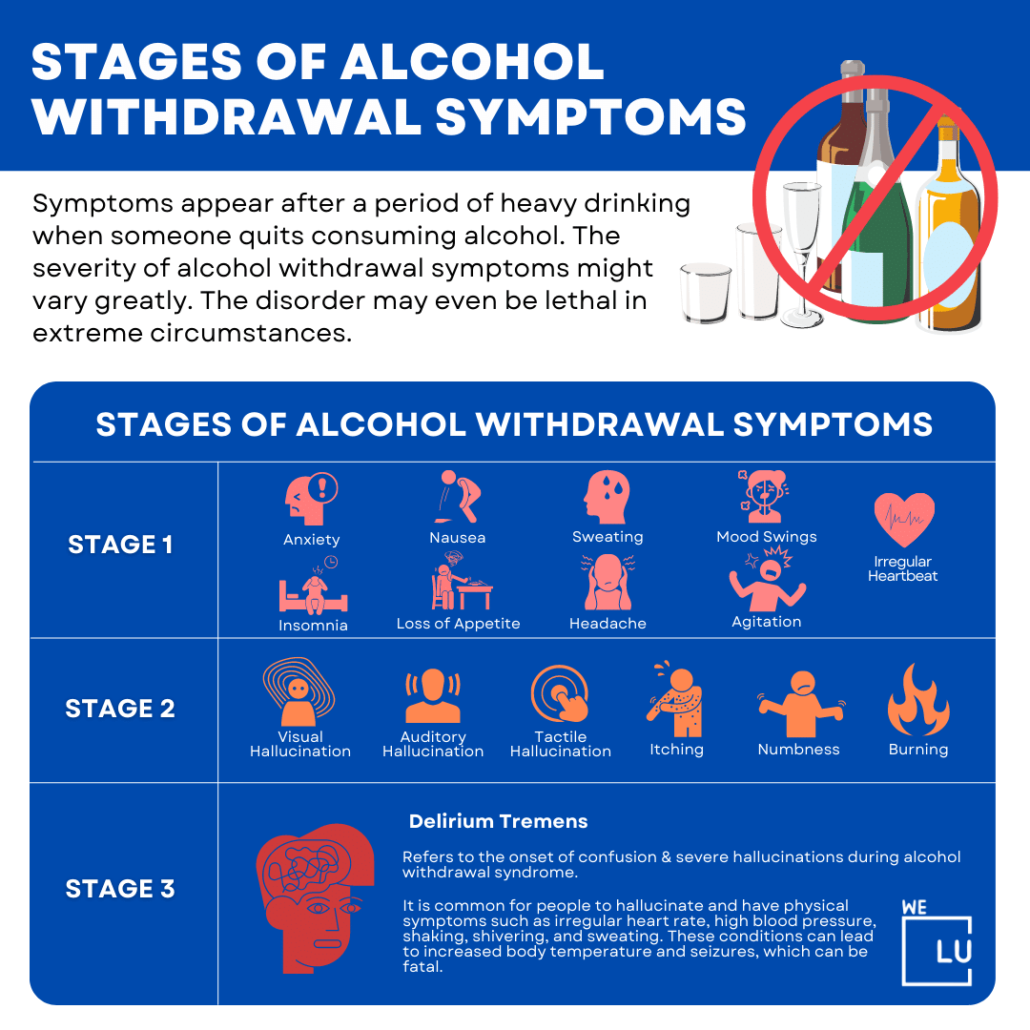
Understanding the alcohol withdrawal stages timeline helps people know what will happen next. Each stage shows how symptoms change over time.
Early Stage: 6 to 12 Hours
In the first stage, symptoms begin. A person may feel shaky, anxious, or restless. Headaches and nausea are also common. Sleep may become difficult during this time. The body is starting to adjust without alcohol. These symptoms may feel uncomfortable but are usually mild.
Middle Stage: 12 to 48 Hours
During this stage, symptoms become stronger. A person may feel confused or have trouble focusing. Sweating and a fast heartbeat are common. Some people may see or hear things that are not real. This can feel scary. This stage shows clear detox alcohol symptoms progression, which means symptoms are increasing and need attention.
Severe Stage: 48 to 72 Hours
This is the most dangerous stage for some people. Severe symptoms may include seizures or delirium tremens. A person may feel confused, feverish, or very shaky. This stage needs immediate medical care. With proper treatment, these symptoms can be managed safely.
Comfortable Facilities & Amenities
High-Quality Addiction & Mental Health Rehabilitation Treatment
Rehab Centers TourRenowned Addiction Centers. Serene Private Facilities. Inpatient rehab programs vary.
Addiction Helpline (877) 378-4154Proven recovery success experience, backed by a Team w/ History of:
15+
Years of Unified Experience
100s
5-Star Reviews Across Our Centers
10K
Recovery Success Stories Across Our Network
- Low Patient to Therapist Ratio
- Onsite Medical Detox Center
- Comprehensive Dual-Diagnosis Treatment
- Complimentary Family & Alumni Programs
- Coaching, Recovery & Personal Development Events
Alcohol Detox Timeline Symptoms and Progression
The detox alcohol symptoms progression is different for each person. Some people recover quickly, while others need more time. Many factors affect this, such as age, health, and drinking habits. Symptoms usually reach their highest point in the first few days. After that, they begin to improve slowly. However, some symptoms, like anxiety or poor sleep, may last longer.
This stage requires patience. Medical support can help reduce discomfort. Therapy also helps people deal with emotional challenges during recovery.

Alcohol Withdrawal Duration Stages
The alcohol withdrawal duration stages can last from a few days to several weeks. The strongest symptoms usually happen in the first three days.
After the first week, many physical symptoms begin to fade. The body starts to feel more stable. However, emotional symptoms may continue.
Some people may feel mood swings, stress, or cravings. This is part of recovery. With support, these symptoms become easier to manage over time.
Withdrawal Severity Alcohol Stages
Not everyone experiences withdrawal in the same way. The severity depends on several factors. People who drink heavily for a long time may have stronger symptoms. Health problems and past withdrawal also increase risk. Mild withdrawal may include anxiety and sleep problems. Severe withdrawal can include seizures or confusion. Medical care helps manage these risks and keeps the person safe.
Long-Term Recovery After Withdrawal
Withdrawal is only the first step in recovery. After detox, the body and mind need time to heal. Some people may still feel tired or anxious for a while. This is normal. The brain is slowly returning to balance. Support during this time is very important. Therapy, support groups, and healthy habits can help. These tools support long-term recovery and reduce the chance of relapse.
World-class, Accredited, 5-Star Reviewed, Effective Addiction & Mental Health Programs. Complete Behavioral Health Inpatient Rehab, Detox plus Co-occuring Disorders Therapy.
CALL (877) 378-4154End the Addiction Pain. End the Emotional Rollercoaster. Get Your Life Back. Start Drug, Alcohol & Dual Diagnosis Mental Health Treatment Now. Get Free No-obligation Guidance by Substance Abuse Specialists Who Understand Addiction & Mental Health Recovery & Know How to Help.
How to Stay Safe During Alcohol Withdrawal
Safety is very important during withdrawal. Stopping alcohol without help can be risky, especially for heavy drinkers. Medical detox provides a safe place for recovery. Doctors monitor symptoms and provide care when needed. This reduces danger and improves comfort. Support from family also helps. A caring environment makes recovery easier. With the right help, people can heal safely and move forward.
FAQs
How long does alcohol withdrawal last?
Most symptoms last a few days, but some may last weeks.
When do symptoms start?
They can begin within 6 to 12 hours after the last drink.
What is the most dangerous stage?
The stage between 48 and 72 hours can be the most serious.
Can withdrawal be done at home?
Mild cases may be managed at home, but medical care is safer.
What are the early symptoms?
Shaking, anxiety, sweating, and sleep problems are common.
What is delirium tremens?
It is a severe condition with confusion, fever, and seizures.
Take a Step Forward
The alcohol withdrawal timeline may feel scary, but understanding it can make a big difference. Each stage shows how the body is trying to heal and adjust. While some symptoms are mild, others can be serious without proper care. That is why medical support is so important during this process. With the right help, people can move through withdrawal safely and begin a new life. Recovery is possible, and no one has to do it alone. If you or someone you love is struggling with alcohol use, reach out to We Level Up NJ today. A caring team is ready to guide you through detox and support a healthier and more stable future.
Ready to get started? Call (201)389-9370 or email verifyadmissions@welevelup.com today. A better life is waiting for you.
Alcoholism Treatment Video. Alcohol Use Disorder & Why Is Alcohol Addictive?
Rehab can feel daunting. Feelings of trepidation are only amplified when it comes time to leave. But the end should undoubtedly serve as a cause for celebration. Still, it will inevitably come with an indefinite worry and insecurity. But the most crucial thing is to concentrate on your rehabilitation while you go through alcohol withdrawals.
Take a deep breath if you feel upset about something, like a job situation. Consider how you have made enormous progress. Regardless of what happens, you are sober and in a better place than in your past life.
Don’t overwhelm yourself with the grand scheme of things. Let us help you stay focused one day at a time and keep moving forward in your journey to sobriety. Everything else will eventually fall into place.
Experience Transformative Recovery at the We Level Up Treatment Center.
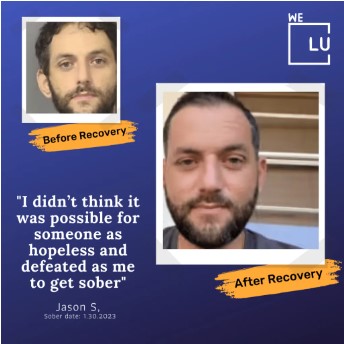
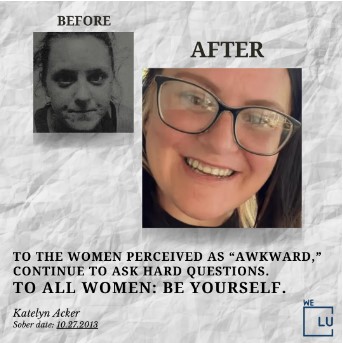
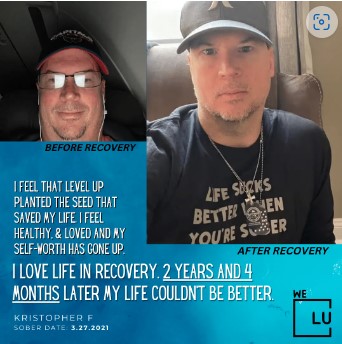
See our authentic success stories. Get inspired. Get the help you deserve.
Start a New Life
Begin with a free call to an addiction & behavioral health treatment advisor. Learn more about our dual-diagnosis programs. The We Level Up treatment center network delivers various recovery programs at each treatment facility. Call to learn more.
- Personalized Care
- Caring Accountable Staff
- Comfortable Amenities
- Licensed & Accredited
- Renowned w/ 5-Star Reviews