The CIWA score is a way to measure the effects of giving up alcohol. Things can go badly in the body when someone stops drinking. These reactions might be mild at first, but they can worsen if not addressed promptly.
It’s good for your health to know about withdrawal. The CIWA score helps care teams monitor signs and act quickly. The CIWA score is used by We Level Up NJ to help keep people safe during detox. It also helps them begin recovery.
Table of Contents
What is the CIWA Score?
The Clinical Institute Withdrawal Assessment (CIWA) number is where the score comes from. Medical teams use this easy method to figure out how bad alcohol withdrawal is.
This tool looks at signs in both the body and the mind. It checks out how someone acts and feels. Doctors use the data to figure out what kind of care is needed.
It’s important to have the CIWA score, an alcohol withdrawal measure, because alcohol withdrawal can become dangerous. Your symptoms could get worse and put your health at risk if you don’t get the right care.
How the CIWA Scale Works
The CIWA scale interpretation alcohol withdrawal uses a point system. Each symptom is assigned a severity score. The higher the number, the more serious the symptom.
Medical staff ask simple questions and observe the patient. They repeat this process often to track changes.
CIWA Scoring Chart
| Symptom | Score Range |
|---|---|
| Nausea or vomiting | 0 to 7 |
| Tremors | 0 to 7 |
| Sweating | 0 to 7 |
| Anxiety | 0 to 7 |
| Agitation | 0 to 7 |
| Headache | 0 to 7 |
| Confusion | 0 to 7 |
| Hallucinations | 0 to 7 |
| Sensory changes | 0 to 7 |
| Awareness | 0 to 4 |
Total Score Meaning
- 0–9: Mild symptoms
- 10–19: Moderate symptoms
- 20+: Severe symptoms
This system supports CIWA monitoring detox. It helps doctors respond quickly and keep patients safe.
Learn More:
- Am I An Alcoholic Quiz Free, Online, & Confidential
- Effective Treatment For Alcohol Withdrawal Symptoms
- Alcoholism Treatment, Signs, Complications & Rehab Programs
- Drug and Alcohol Assessment. Find Drug and Alcohol Assessment Near Me. What Should You Expect An Alcohol and Drug Assessment?
- Am I An Alcoholic Quiz Free, Online, & Confidential
- Free Alcohol And Breastfeeding Calculator. When Can I Breastfeed After Drinking Calculator? Learn When Is It Safe To Drink When Breastfeeding?
- Alcohol Breathalyzer. How Long Can a Breathalyzer Detect Alcohol?
- The Benefits of Drug & Alcohol Counseling, Drug Counseling for Addiction
Take the Am I An Alcoholic Test
Not sure if you or someone you know may be experiencing alcohol withdrawal? Take the Am I An Alcoholic Quiz to assess your risk coupled with your CIWA-AR score for more details. Remember, seeking professional help is always recommended for managing alcohol withdrawal symptoms.
The We Level Up NJ can help you find solace and effective treatment to make alcohol withdrawal more safe and comfortable through our accredited medication-assisted treatment programs.
Get Help. Get Better. Get Your Life Back.
Searching for Accredited Drug & Alcohol Rehab Centers Near You? Or Mental Health Support?
Even if you have failed previously, relapsed, or are in a difficult crisis, we stand ready to support you. Our trusted behavioral health specialists will not give up on you. Call us when you feel ready or want someone to speak to about therapy alternatives to change your life. Even if we cannot assist you, we will lead you wherever you can get support. There is no obligation. Call our hotline today.
FREE Addiction Hotline – Call 24/7
Signs You May Need CIWA Score
- Shaking or tremors
- Sweating without activity
- Feeling anxious or nervous
- Trouble sleeping
- Nausea or upset stomach
- Headaches
- Confusion or poor thinking
These signs may show alcohol withdrawal. The CIWA protocol alcohol detox helps track these symptoms and guide care.
Why Choose We Level Up NJ
We Level Up NJ provides safe and caring detox support. Their team uses the CIWA score alcohol withdrawal scale to monitor symptoms closely. Each person receives a care plan based on their needs.
This plan includes medical support, therapy, and emotional care. The team focuses on safety and comfort. By using the clinical institute withdrawal assessment alcohol score, they can adjust treatment at the right time and prevent serious problems.
Ready to get started? Call (201)389-9370 or email verifyadmissions@welevelup.com today. A better life is waiting for you.
What to Expect
The first step in detox is a full health check. The medical staff looks at the signs and asks questions. A clinical institute withdrawal assessment alcohol score is given. All day long, monitoring continues. Detox can change quickly, so staff check for signs often.
If the CIWA score increases, the treatment is adjusted. People may be given medicine to ease their symptoms and lower their risk. The patients also get emotional help. This makes them feel better and gets them ready for the next step in their healing.

Get Your Life Back
Find Hope & Recovery. Get Safe Comfortable Detox, Addiction Rehab & Mental Health Dual Diagnosis High-Quality Care at the We Level Up Treatment Centers Network.
Hotline (877) 378-4154Benefits of CIWA
Using the CIWA monitoring detox system provides many important benefits:
- Early detection of severe symptoms
- Safer and more controlled detox
- Better symptom management
- Personalized treatment plans
- Lower risk of complications
- Greater comfort during withdrawal
These benefits make detox safer and more effective.
Comfortable Facilities & Amenities
High-Quality Addiction & Mental Health Rehabilitation Treatment
Rehab Centers TourRenowned Addiction Centers. Serene Private Facilities. Inpatient rehab programs vary.
Addiction Helpline (877) 378-4154Proven recovery success experience, backed by a Team w/ History of:
15+
Years of Unified Experience
100s
5-Star Reviews Across Our Centers
10K
Recovery Success Stories Across Our Network
- Low Patient to Therapist Ratio
- Onsite Medical Detox Center
- Comprehensive Dual-Diagnosis Treatment
- Complimentary Family & Alumni Programs
- Coaching, Recovery & Personal Development Events
Understanding Alcohol Withdrawal
The brain changes over time when you drink. It calms you down and slows down brain activity. When you stop drinking, your brain works too hard. This makes withdrawal signs happen. Without booze, the body has a hard time adjusting.
Some signs are feeling anxious, shaking, and sweating. Sometimes, worse problems, like confusion or dreams, can occur. CIWA protocol alcohol detox helps you deal with these signs in a safe and step-by-step way.
Mild vs Severe Withdrawal
From person to person, withdrawal symptoms can vary. Some people have mild signs, while others have very bad reactions. Some mild signs are anxiety, sweating, and trouble sleeping. These can be uncomfortable, but they’re usually not too hard to handle.
Severe symptoms are more serious. These may include seizures, confusion, or hallucinations. This stage requires medical care. The CIWA scale interpretation of alcohol withdrawal helps identify the level of risk. This allows doctors to act quickly.

World-class, Accredited, 5-Star Reviewed, Effective Addiction & Mental Health Programs. Complete Behavioral Health Inpatient Rehab, Detox plus Co-occuring Disorders Therapy.
CALL (877) 378-4154End the Addiction Pain. End the Emotional Rollercoaster. Get Your Life Back. Start Drug, Alcohol & Dual Diagnosis Mental Health Treatment Now. Get Free No-obligation Guidance by Substance Abuse Specialists Who Understand Addiction & Mental Health Recovery & Know How to Help.
The Role of Medical Monitoring
One of the most important parts of detox is having a doctor watch over you. Because symptoms can change quickly, it’s important to check in often. Staff can monitor changes in real time with the CIWA monitoring detox system. This lets you act quickly if any new signs show up.
Having monitoring also gives you peace of mind. People who are being cared for always know it. This help can make you feel less scared and stressed.
Medication and Symptom Control
To deal with withdrawal effects, people often take medicine. It makes you feel less anxious, shaky, and agitated. The CIWA score determines how much medicine to give. Stronger support is often needed for higher scores.
Other care includes giving them drinks, food, and time to rest. During detox, these help the body heal and get stronger.
Emotional Support During Detox
Detox affects both the body and the mind. Many people feel fear, stress, or sadness during withdrawal. Emotional support plays a key role in recovery. Talking to trained professionals can help reduce anxiety.
Therapy sessions allow patients to express their feelings. This builds trust and helps create a strong foundation for healing.
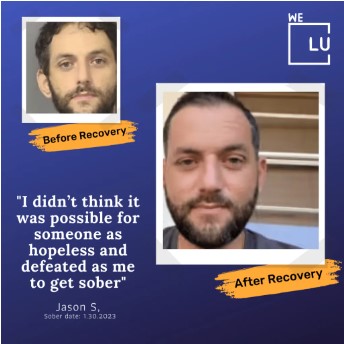
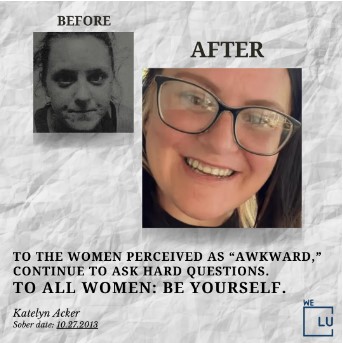
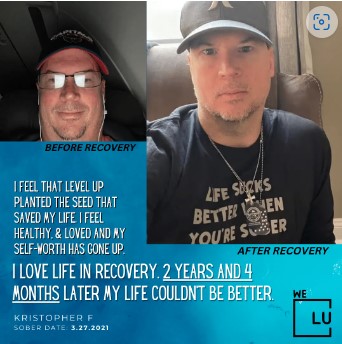
Experience Transformative Recovery at the We Level Up Treatment Center.
See our authentic success stories. Get inspired. Get the help you deserve.
Start a New Life
Begin with a free call to an addiction & behavioral health treatment advisor. Learn more about our dual-diagnosis programs. The We Level Up treatment center network delivers various recovery programs at each treatment facility. Call to learn more.
- Personalized Care
- Caring Accountable Staff
- Comfortable Amenities
- Licensed & Accredited
- Renowned w/ 5-Star Reviews
We’ll Call You
The Role of Medical Monitoring
One of the most important parts of detox is having a doctor watch over you. Because symptoms can change quickly, it’s important to check in often. Staff can monitor changes in real time with the CIWA monitoring detox system. This lets you act quickly if any new signs show up.
Having monitoring also gives you peace of mind. People who are being cared for always know it. This help can make you feel less scared and stressed.
Medication and Symptom Control
To deal with withdrawal effects, people often take medicine. It makes you feel less anxious, shaky, and agitated. The CIWA score determines how much medicine to give. Stronger support is often needed for higher scores.
Other care includes giving them drinks, food, and time to rest. During detox, these help the body heal and get stronger.
Emotional Support During Detox
Detox affects both the body and the mind. Many people feel fear, stress, or sadness during withdrawal. Emotional support plays a key role in recovery. Talking to trained professionals can help reduce anxiety.
Therapy sessions allow patients to express their feelings. This builds trust and helps create a strong foundation for healing.
Building a Path to Recovery
Detox is only the first step. Long-term recovery requires ongoing care and support. After detox, patients may join therapy programs. These programs help build coping skills and prevent relapse.
Support groups also help people stay connected. Sharing experiences with others can build confidence and hope.
Long-Term Recovery After Detox
Recovery does not end after detox. It continues through daily choices and ongoing care. Programs may include counseling, group therapy, and relapse prevention planning. These tools help people stay on track.
The goal is to build a stable and healthy life. With the right support, long-term recovery is possible.
Frequently Asked Questions
What is the CIWA score?
It measures alcohol withdrawal symptoms to guide safe detox care.
How does We Level Up NJ offer help?
We use the CIWA score alcohol withdrawal scale to provide safe detox and recovery support.
What is the clinical institute withdrawal assessment alcohol score?
The clinical institute withdrawal assessment alcohol score tracks symptom severity and guides treatment decisions.
What is the CIWA protocol for alcohol detox?
The CIWA protocol alcohol detox uses scoring to manage withdrawal safely.
How does CIWA monitoring detox work?
Ciwa monitors detox checks and symptoms frequently and adjusts care in real time.
What is the CIWA scale interpretation of alcohol withdrawal?
The CIWA scale interpretation of alcohol withdrawal explains symptom severity and helps guide treatment.
How to Get Started
Alcohol withdrawal can feel overwhelming. You may notice symptoms such as shaking, anxiety, or confusion, and feel unsure about what to do. These symptoms can become serious without proper care.
At We Level Up NJ, we provide safe detox with medical support. Our team uses the CIWA score to guide care and protect your health. We offer therapy, support, and long-term recovery planning.
If you are ready to take the next step, call (877) 378-4154 or complete the insurance verification form. You are not alone. A safer and healthier future can begin today.
Ready to get started? Call (201)389-9370 or email verifyadmissions@welevelup.com today. A better life is waiting for you.
How to stop Drinking? Top 10 Tips to Sober Up from Alcohol, Weed, Meth, Cocaine, and More.
Search CIWA Score for Alcohol Withdrawal. What Is the CIWA Scale?/ Detox & Mental Health Topics & Resources
Sources
- American Society for Addiction Medicine. (2001). Addiction Medicine Essentials.
- Knight, E., & Lappalainen, L. (2017). Clinical Institute Withdrawal Assessment for Alcohol-Revised might be unreliable in managing alcohol withdrawal. Canadian family physician Medecin de famille canadien, 63(9), 691–695.