Alcohol and concussion can be a risky mix that many people do not fully understand. A concussion is a type of brain injury that needs time and care to heal. When someone drinks alcohol after a concussion, it can slow down healing and make symptoms worse. Many people may think a small drink is safe, but even a little alcohol can affect the brain during recovery.
This can lead to more pain, confusion, and longer healing time. For people dealing with mental health or addiction, the risks can be even higher. This article explains how alcohol and concussion affect each other, what dangers to watch for, and alcohol detox. It also offers clear guidance for patients and their loved ones who want to support recovery and make better choices.
Table of Contents
What Is Alcohol and Concussion?
Alcohol and concussion mean drinking alcohol while healing from a brain injury. This situation creates serious alcohol concussion interaction risks that many people do not expect. A concussion affects how the brain works, and alcohol can make these effects worse.
When the brain is healing, it needs calm and rest. Alcohol changes how the brain sends signals and can slow down recovery. This can lead to more confusion, poor focus, and mood changes. Understanding these risks helps people make safer choices during recovery.
Professional care is important because these interaction risks are not always clear. A trained provider can guide safe healing and reduce long-term problems.
Get Help. Get Better. Get Your Life Back.
Searching for Accredited Drug & Alcohol Rehab Centers Near You? Or Mental Health Support?
Even if you have failed previously, relapsed, or are in a difficult crisis, we stand ready to support you. Our trusted behavioral health specialists will not give up on you. Call us when you feel ready or want someone to speak to about therapy alternatives to change your life. Even if we cannot assist you, we will lead you wherever you can get support. There is no obligation. Call our hotline today.
FREE Addiction Hotline – Call 24/7Signs You May Need Help with Alcohol and Concussion
If someone is dealing with both a concussion and alcohol use, certain signs may show they need support. These signs can affect daily life and health.
- Ongoing headaches or dizziness after drinking
- Trouble remembering things or focusing
- Feeling more anxious, sad, or angry
- Poor sleep or feeling tired all the time
- Drinking to cope with pain or stress
- Loss of balance or frequent falls
- Slow recovery from a head injury
These symptoms should not be ignored. Early help can prevent more serious problems and support safe healing.

Why Choose We Level Up NJ for Alcohol and Concussion?
We Level Up NJ offers care that looks at both brain health and addiction. This is important because alcohol use and concussion recovery often affect each other. The team understands how to treat both at the same time, which can improve results.
The center provides licensed medical care, therapy, and support in a safe setting. Staff members include doctors, nurses, and mental health experts who work together. They create a plan that fits each person’s needs, which helps build trust and comfort during recovery.
Patients also receive support for emotional health. This may include therapy for stress, anxiety, or trauma. The goal is to help people heal fully, not just physically but also mentally and emotionally.

Get Your Life Back
Find Hope & Recovery. Get Safe Comfortable Detox, Addiction Rehab & Mental Health Dual Diagnosis High-Quality Care at the We Level Up Treatment Centers Network.
Hotline (877) 378-4154What to Expect During Alcohol and Concussion Treatment
Treatment begins with a full assessment. This helps the care team understand the person’s symptoms, alcohol use, and overall health. They look at both the brain injury and any addiction concerns to create a clear plan.
The next step often includes therapy and medical care. Patients may receive help managing symptoms like headaches or sleep problems. At the same time, they work on reducing or stopping alcohol use. Therapy sessions can help them understand triggers and build healthier habits.
Recovery also includes relapse prevention. Patients learn ways to stay safe and avoid risky situations. They build coping skills and get support from counselors and peers. This helps them stay on track and protect their brain as it heals.
Comfortable Facilities & Amenities
High-Quality Addiction & Mental Health Rehabilitation Treatment
Rehab Centers TourRenowned Addiction Centers. Serene Private Facilities. Inpatient rehab programs vary.
Addiction Helpline (877) 378-4154Proven recovery success experience, backed by a Team w/ History of:
15+
Years of Unified Experience
100s
5-Star Reviews Across Our Centers
10K
Recovery Success Stories Across Our Network
- Low Patient to Therapist Ratio
- Onsite Medical Detox Center
- Comprehensive Dual-Diagnosis Treatment
- Complimentary Family & Alumni Programs
- Coaching, Recovery & Personal Development Events
Benefits of Alcohol and Concussion Treatment
Getting proper care for alcohol and concussion can make a big difference in recovery and quality of life.
- Better brain healing and faster recovery
- Reduced risk of long-term damage
- Improved mood and mental health
- Safer habits and decision-making
- Personalized care plans for each patient
- Support for both addiction and injury
These benefits help people feel stronger and more in control of their health.
How Alcohol Affects Brain Injury Recovery
Alcohol has a strong effect on a healing brain. After a head injury, the brain becomes more sensitive, and alcohol can increase damage. These are known as head injury alcohol recovery risks, and they can delay healing.
Alcohol can make symptoms like headaches, dizziness, and fatigue worse. It can also affect sleep, which is very important for brain recovery. When sleep is poor, the brain cannot heal properly, and symptoms may last longer. These risks can build over time. Even small amounts of alcohol can slow progress and make recovery harder than it should be.
World-class, Accredited, 5-Star Reviewed, Effective Addiction & Mental Health Programs. Complete Behavioral Health Inpatient Rehab, Detox plus Co-occuring Disorders Therapy.
CALL (877) 378-4154End the Addiction Pain. End the Emotional Rollercoaster. Get Your Life Back. Start Drug, Alcohol & Dual Diagnosis Mental Health Treatment Now. Get Free No-obligation Guidance by Substance Abuse Specialists Who Understand Addiction & Mental Health Recovery & Know How to Help.
Drinking Alcohol After Concussion Dangers
Drinking alcohol after a concussion can be dangerous in many ways. It can raise the risk of another head injury because balance and reaction time are affected. A second injury before healing is complete can be very serious. Alcohol also affects sleep, which is important for brain recovery. Poor sleep can slow healing and increase stress. It can also make emotional symptoms worse, such as anxiety or depression.
In some cases, alcohol can increase the risk of long-term brain problems. This includes issues with memory, focus, and mood. Avoiding alcohol during recovery is one of the safest choices a person can make.
Alcohol Brain Injury Effects on Mental Health
Alcohol and brain injuries both affect mental health. When combined, they can increase feelings of sadness, anger, or confusion. This can make daily life harder and affect relationships. People may use alcohol to cope with pain or stress after an injury. While this may feel helpful at first, it often leads to more problems. It can increase dependency and make emotional symptoms worse over time.
Getting support for mental health is important. Therapy can help people understand their feelings and learn better ways to cope. This supports both brain healing and long-term recovery.
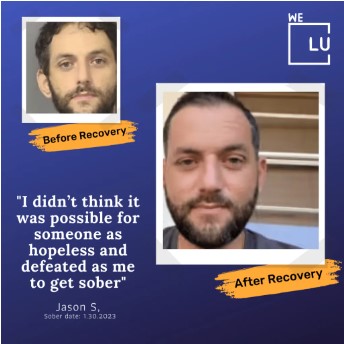
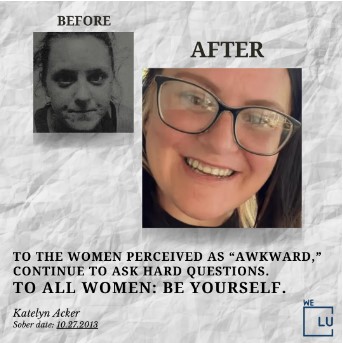
Experience Transformative Recovery at the We Level Up Treatment Center.
See our authentic success stories. Get inspired. Get the help you deserve.
Start a New Life
Begin with a free call to an addiction & behavioral health treatment advisor. Learn more about our dual-diagnosis programs. The We Level Up treatment center network delivers various recovery programs at each treatment facility. Call to learn more.
- Personalized Care
- Caring Accountable Staff
- Comfortable Amenities
- Licensed & Accredited
- Renowned w/ 5-Star Reviews
We’ll Call You

Tips for Safe Recovery from Alcohol and Concussion
Recovery takes time, and safety should always come first. Following basic concussion alcohol safety steps can help protect the brain and improve healing.
The most important step is to avoid alcohol until fully healed. This reduces stress on the brain and lowers the risk of further injury. Patients should also follow medical advice and attend all follow-up visits.
Simple habits like good sleep, healthy food, and stress control can also help. With the right care and support, recovery can be smoother and safer.
FAQs
Can someone drink alcohol after a concussion?
It is not safe to drink alcohol during recovery. It can slow healing and make symptoms worse.
How long should alcohol be avoided after a concussion?
Doctors often suggest avoiding alcohol until all symptoms are gone and recovery is complete.
What happens if someone drinks too soon?
Symptoms like headaches, confusion, and dizziness can become worse and last longer.
Can alcohol cause another brain injury?
Yes, it can increase the risk of falls or accidents, leading to another head injury.
Does alcohol affect memory after a concussion?
Yes, it can make memory problems worse and slow brain recovery.
Is it harder to recover if someone has an alcohol addiction?
Yes, addiction can make recovery more complex and may need professional support.
Take a Step Forward
Alcohol and concussion do not go well together, and choosing to avoid alcohol during recovery can make a big difference. The brain needs time, care, and support to heal properly, and alcohol can slow this process and increase risks. For people dealing with both a head injury and alcohol use, getting the right help is very important.
With proper care, support, and guidance, recovery is possible and life can improve. If you or a loved one is facing these challenges, do not wait to seek help. Reach out to a trusted treatment center like We Level Up NJ to get the care and support needed for a safer and healthier future.