What is MDMA Drug?
What is MDMA is a question many people ask when learning about drugs and their effects. MDMA is a synthetic drug that changes mood, energy, and how a person feels. It is often known as ecstasy or molly in street terms. People may use it in social or party settings, but it can affect the brain and body in serious ways. Understanding what is MDMA helps people stay informed and make safer choices. This article explains MDMA in simple terms, including what it is, how it works, its effects, and possible risks. It also shares why awareness and education are important for health and safety.
Table of Contents
Looking for help with substance abuse challenges like MDMA addiction? Join thousands of clients who trusted We Level Up New Jersey for MDMA abuse and other substance use disorder treatments. Call 24/7 for more MDMA rehab information today. Your call is free and confidential. Access addiction professionals who understand your circumstances and are ready to help.
What is MDMA?
MDMA stands for 3,4-methylenedioxymethamphetamine. It is a man-made drug that affects the brain. It changes the way brain chemicals work, especially serotonin, dopamine, and norepinephrine. These chemicals control mood, sleep, energy, and emotions.
The what is MDMA definition can be described in simple terms as a drug that increases feelings of happiness, energy, and emotional closeness. It can also change how a person sees and feels things around them. Because of these effects, MDMA is classified as both a stimulant and a hallucinogen.
MDMA is usually taken as a tablet or capsule. People sometimes call it ecstasy or molly. However, drugs sold under these names may not always contain pure MDMA. They may include other unknown substances, which can increase risks. This is why MDMA substance info is important for understanding safety concerns.
MDMA works by releasing large amounts of serotonin in the brain. Serotonin helps control mood and emotions. When too much serotonin is released, it can create strong feelings of pleasure. After the drug wears off, the brain may feel low because serotonin levels drop. This can lead to mood changes or sadness.
According to the National Institute on Drug Abuse (NIDA), MDMA affects brain communication and can impact memory and emotional balance. Repeated use may lead to changes in brain function over time. These changes can affect mental health and overall well-being.
What Does MDMA Look Like?
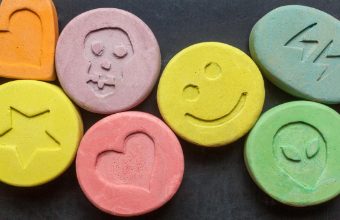
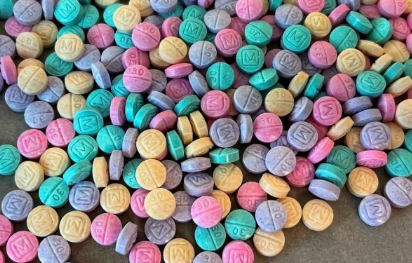
What color is pure MDMA? MDMA, scientifically called methylenedioxymethamphetamine, is widely recognized as ecstasy and molly. Molly is frequently available in the form of capsules or powder, and it is typically ingested orally but can also be snorted. Ecstasy is commonly distributed as vibrantly colored tablets.
MDMA Street Names
Some other names for MDMA/molly/ecstasy:
- Mandy.
- E.
- Beans.
- Adam.
- Candy.
- Cowies.
- Hug Drugs.
- Crystal.
- Dancing Beans.
- E-bomb.
- Skittles.
- Pink Superman.
- Vowels.
- Smartee; & many others.
What is MDMA like? MDMA is typically found in a crystalline or powdered form, and its color can vary. Then, what color is pure MDMA? Pure MDMA is usually white or off-white. However, ecstasy tablets (which may contain MDMA as an active ingredient) are often colored and can vary significantly in appearance, including shades of pink, blue, green, yellow, or other colors.
MDMA Effects on Brain
MDMA enhances the functioning of three essential brain chemicals:
- Dopamine:
- It promotes heightened energy levels and activity.
- Operates within the reward system to reinforce behaviors.
- Norepinephrine:
- It raises heart rate and blood pressure, which can be risky for individuals with heart and blood vessel conditions.
- Serotonin:
- It impacts mood, appetite, sleep, and various bodily functions.
- Initiates the release of hormones affecting sexual arousal and trust.
- The substantial release of serotonin is likely responsible for the emotional intimacy, elevated mood, and heightened empathy experienced by MDMA users.
Despite its favorable effects, frequent or heavy MDMA use can develop tolerance, where users need increasingly higher doses to achieve the desired effects, which can increase the risk of addiction.
MDMA Risks
MDMA is a stimulant with hallucinogenic properties akin to substances like mescaline or peyote. Its impact extends to vital organs, including the brain and heart.
Also, MDMA can induce severe reactions, contingent on the individual’s usage and whether they combine it with other drugs or alcohol, which can significantly amplify the dangers associated with its use. This combination may even have fatal consequences.
Long-term use of MDMA can lead to alterations in the brain’s systems. Prolonged and heavy use of this drug can disrupt the brain’s normal functioning, particularly the serotonin system, which regulates mood and emotions. This rewiring can result in mood disorders, cognitive impairments, and other mental health issues, underscoring the importance of using MDMA cautiously and sparingly to minimize these potential long-term effects.
MDMA Drug Interactions
MDMA (ecstasy or molly) can interact with various drugs, potentially leading to dangerous or harmful effects. Here’s a list of some typical drug interactions:
- Antidepressants, particularly selective serotonin reuptake inhibitors (SSRIs).
- Stimulants like amphetamines or cocaine.
- Alcohol.
- Prescription medications like certain antipsychotics.
- Over-the-counter drugs, such as cough suppressants.
- Marijuana.
- Medications that affect blood pressure.
- Other recreational drugs like LSD or ketamine.
- Prescription painkillers, especially opioids.
- Antihistamines.
What is a MDMA Overdose?
An MDMA overdose occurs when an individual consumes a significantly higher amount of the drug than their body can safely metabolize. MDMA (ecstasy or molly) overdose can result in a range of severe and potentially life-threatening symptoms. These may include:
- High body temperature (hyperthermia).
- Rapid heartbeat and elevated blood pressure.
- Profuse sweating.
- Dehydration and electrolyte imbalances.
- Confusion, agitation, or hallucinations.
- Seizures.
- Kidney failure.
- Cardiovascular complications like heart attack or stroke.
- Loss of consciousness or coma.
In severe cases, an MDMA overdose can be fatal. If you suspect someone is experiencing an MDMA overdose, you must seek immediate medical attention by calling emergency services.
MDMA Withdrawal Symptoms
Following the cessation of molly or MDMA’s effects, withdrawal symptoms may manifest, which encompass:
- Cravings for the drug.
- Feelings of depression.
- Confusion.
- Memory impairment.
These withdrawal symptoms may intensify if the dosage and frequency of MDMA use escalate, potentially indicating an addiction or substance use disorder. Some individuals may resort to frequent MDMA use to prevent these withdrawal symptoms. Nevertheless, recurring use of MDMA carries several risks, including:
- Elevated heart rate and irregular rhythm.
- Panic attacks.
- Heightened anxiety, depression, and confusion.
- Seizures.
- Dehydration.
- Kidney problems.
MDMA Drug Effects
MDMA drug effects can be both short-term and long-term. Short-term effects happen while the drug is active in the body. These may include increased energy, faster heart rate, and feelings of happiness or empathy. Some people also feel more talkative and social.
Other short-term effects include:
- Increased body temperature
- Sweating
- Dry mouth
- Jaw clenching
- Blurred vision
- Nausea or dizziness
While some effects may feel positive at first, they can also be risky. For example, higher body temperature and dehydration can lead to health problems, especially in hot environments or during physical activity.
After the effects wear off, some people experience a “come down.” This may include fatigue, low mood, irritability, or trouble sleeping. These feelings happen because the brain needs time to restore normal chemical balance.
Long-term MDMA drug effects may include changes in memory, mood, and thinking. Some users report difficulty concentrating or remembering things. Repeated use may also affect emotional stability. In some cases, people may develop anxiety or depression over time.
Ecstasy Explanation
Ecstasy explanation refers to the street name often used for MDMA. However, ecstasy pills may not always contain only MDMA. They can include other substances such as caffeine, amphetamines, or unknown chemicals.
This makes ecstasy different from pure MDMA substance info. Because the contents are not always known, the effects can be unpredictable. Two pills that look the same may have very different ingredients and strength.
People often use ecstasy in social settings like parties or concerts. The drug is known for increasing feelings of closeness, energy, and emotional connection. However, these effects do not remove the risks. Even small amounts can affect heart rate, temperature, and brain function.
Because of these unknown factors, ecstasy use can be dangerous. Without proper knowledge of what is inside the pill, users may experience stronger or harmful reactions. This is why awareness of what is MDMA and its variations is important.
Serotonin Release
MDMA primarily increases the release of serotonin, a neurotransmitter crucial in mood regulation, emotions, and social behavior. The surge in serotonin levels contributes to euphoria, emotional closeness, and empathy often associated with MDMA use.
Dopamine Release
MDMA also prompts the release of dopamine, a neurotransmitter involved in pleasure and reward. This release contributes to the heightened sense of pleasure and mood elevation experienced by users.
Norepinephrine Effects
MDMA leads to the release of norepinephrine, responsible for increased heart rate, blood pressure, and alertness. These effects can result in heightened energy and wakefulness.
Depletion of Serotonin
Prolonged or heavy MDMA use can deplete the brain’s serotonin stores, leading to mood disturbances such as depression, anxiety, and impaired cognitive function. This is one reason some individuals experience “comedowns” or negative after-effects following MDMA use.
MDMA Substance Info
MDMA substance info shows that the drug is a synthetic compound made in labs. It is not naturally found in plants or animals. Its purity and strength can vary depending on how it is made and where it comes from.
MDMA affects the central nervous system. It increases the release of certain brain chemicals that influence mood and behavior. While this may create temporary feelings of happiness, it also disrupts normal brain function.
The drug is illegal in many countries for recreational use. It is sometimes studied for medical purposes, but only under controlled conditions. These studies are done with strict safety rules and professional supervision.
One important concern with MDMA substance info is contamination. Since illegal drugs are not regulated, they may contain harmful additives. These unknown substances can increase health risks and cause unexpected side effects.
Repeated use of MDMA may also lead to tolerance. This means a person may need more of the drug to feel the same effects. This can increase the chance of harmful reactions and dependency.
MDMA is a Schedule I drug.
The Drug Enforcement Administration (DEA) classified MDMA as a substance devoid of any medical utility and possessing a significant likelihood of abuse or addiction. Consequently, the sale, purchase, or use of any form of MDMA, including molly, is illegal within the United States.
Furthermore, there exist potent designer cathinone stimulants colloquially referred to as “bath salts,” which are sometimes deceptively marketed as molly. Individuals consuming these alternates often experience intense cravings and more aggressive reactions.
Symptoms of MDMA Use
It shares chemical similarities with stimulants and hallucinogens, resulting in sensations of heightened energy, pleasure, emotional warmth, and altered sensory perception, including distorted time perception.
As per information from the National Institute on Drug Abuse (NIDA), individuals who frequently use molly may develop a dependence on it and may encounter withdrawal symptoms.
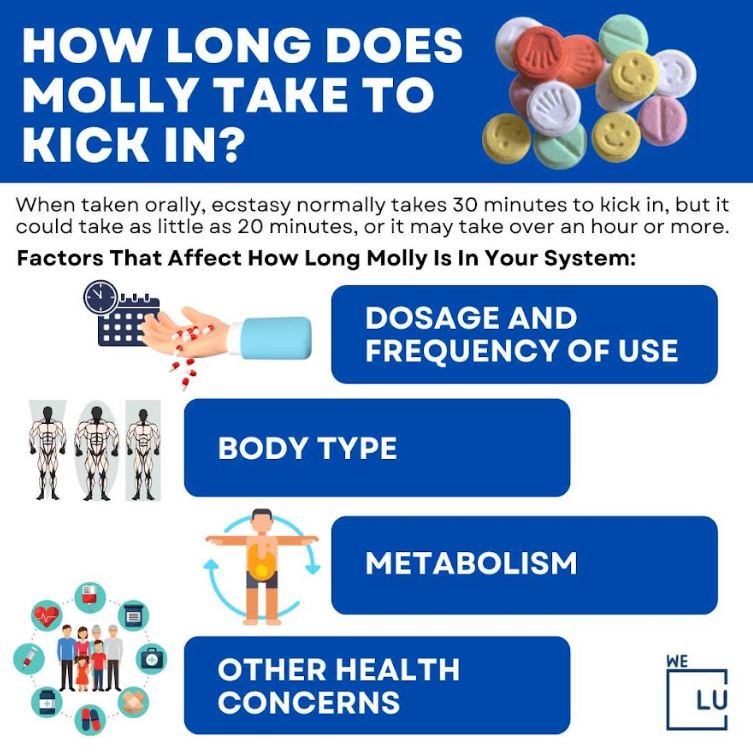
Molly typically takes effect within 30 to 45 minutes after consumption, with its effects lasting approximately six hours. The body can take up to two days to eliminate molly from the body system.
Immediate Effects of MDMA Use
- Increased energy levels.
- Heightened talkativeness.
- Elevated emotions, empathy, and trust.
- Enhanced sensitivity to light, sound, and touch.
- Feelings of giddiness or euphoria.
Furthermore, the consumption of molly can lead to potentially hazardous and, in certain instances, life-threatening effects on the body.
Severe Symptoms of MDMA Use
- High blood pressure.
- Potentially fatal increase in body temperature.
- Lack of awareness can damage decision-making and lead to things like dangerous driving.
- Anxiety.
- Depression.
- Confusion.
- Paranoia.
- Headache.
- Blurred vision.
- Nausea.
- Chills.
- Sweating.
- Dizziness.
- Sleeplessness.
- Irritability.
- Loss of appetite.
- Restless legs.
- Tense muscles.
- Memory problems.
Signs of MDMA Use Issues
Some people may develop problems related to MDMA use. Recognizing the signs early can help prevent further harm. These signs may appear in behavior, mood, or physical health.
Common warning signs include:
- Using MDMA more often than intended
- Difficulty stopping use
- Changes in mood or behavior
- Memory or focus problems
- Withdrawal symptoms like fatigue or sadness
- Loss of interest in daily activities
- Neglecting responsibilities at work, school, or home
If several of these signs appear, it may be helpful to seek support or professional advice. Early awareness can make a positive difference.
Why Choose We Level Up Treatment Center NJ
At We Level Up Treatment Center New Jersey, we provide full support for people dealing with substance use and mental health challenges. We offer 24/7 medical care, therapy, and personalized treatment plans that focus on both the body and mind. Our team works closely with you to create a recovery plan that fits your needs and helps you build healthy habits that last. We also provide a safe and supportive environment where you can focus on healing without outside stress. Our goal is to help you regain control of your life and move forward with confidence.
Ready to get started? Call (201)389-9370 or email verifyadmissions@welevelup.com today. A better life is waiting for you.
Get addiction counseling that works. Discover professional help from We Level Up’s addiction and mental health therapists. Start getting support with a free call to our addiction hotline.
Get Help. Get Better. Get Your Life Back.
Searching for Accredited Drug & Alcohol Rehab Centers Near You? Or Mental Health Support?
Even if you have failed previously, relapsed, or are in a difficult crisis, we stand ready to support you. Our trusted behavioral health specialists will not give up on you. Call us when you feel ready or want someone to speak to about therapy alternatives to change your life. Even if we cannot assist you, we will lead you wherever you can get support. There is no obligation. Call our hotline today.
FREE Addiction Hotline – Call 24/7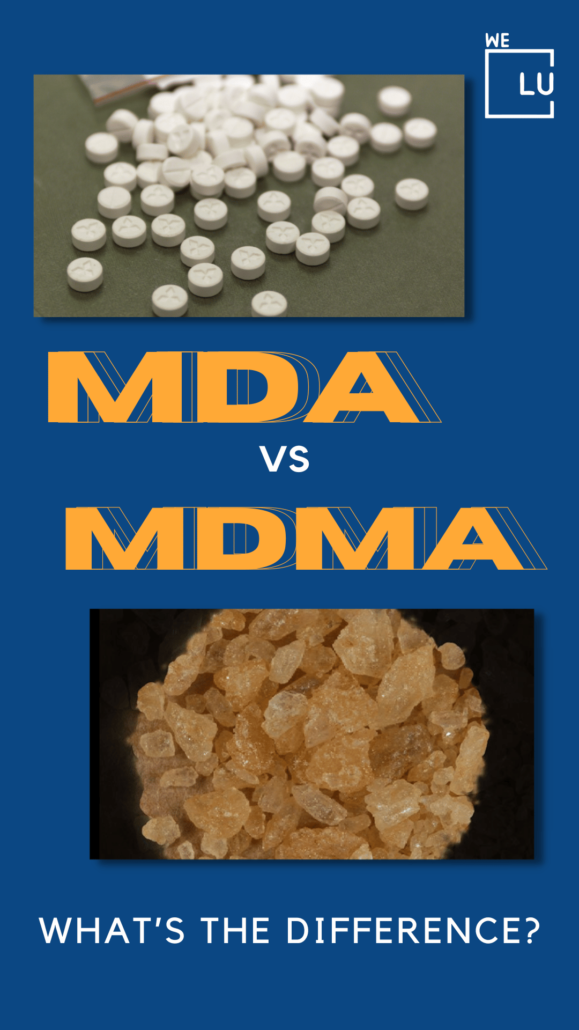
Risks and Safety Concerns
MDMA can affect both the body and the brain. One major risk is overheating, also called hyperthermia. This can happen when body temperature rises too high. It may become dangerous, especially in crowded or hot environments.
Another risk is dehydration. MDMA can increase sweating and physical activity, which may lead to fluid loss. However, drinking too much water can also be harmful. Balance is important, but difficult to manage without medical guidance.
MDMA can also affect the heart. It may increase heart rate and blood pressure. People with heart conditions may face higher risks when using the drug.
Mental health can also be affected. Some users may feel anxious, confused, or depressed after use. Long-term use may increase the chance of emotional or cognitive problems.
Because of these risks, experts recommend avoiding non-medical use of MDMA. Understanding what is MDMA and its effects helps people stay aware of potential dangers.
MDMA What is it? Drug Facts
What is MDMA Made of?
What is the drug MDMA? MDMA, or 3,4-methylenedioxymethamphetamine, is synthesized through a chemical process that involves several precursor substances. The primary precursor for MDMA is safrole, obtained from certain trees’ roots. Through a series of chemical reactions, safrole is transformed into MDMA, resulting in either a crystalline or powdered form of the drug. MDMA is often found in illicit drug markets and may be mixed with other substances or impurities, so the purity and composition can vary significantly.
What is MDMA Hydrochloride?
MDMA hydrochloride, often called MDMA HCl, is the hydrochloride salt form of MDMA (3,4-methylenedioxymethamphetamine). It is a crystalline or powdered substance that is more stable and water-soluble than the freebase form of MDMA. MDMA hydrochloride is commonly used to synthesize and manufacture MDMA tablets or capsules sold illicitly, as it is easier to handle and store in this form.
What is MDMA on a Drug Test?
Here’s a rough timeline of MDMA detection for different kinds of drug tests:
- Urine Test: MDMA is typically detectable in urine for 1 to 3 days after use. It can sometimes be detected in heavy or chronic users for 4 to 5 days.
- Blood Test: MDMA is detectable in blood for a shorter period than in urine, typically 1 to 2 days. In rare cases, it may be detectable for up to 3 days in some individuals.
- Saliva Test: MDMA can be detected in saliva for a shorter period than urine or blood, usually up to 1 to 2 days after use.
- Hair Test: Hair tests have a longer detection window and can reveal MDMA use for an extended period, often up to 90 days or more after the last use, depending on the length of hair tested.
What Class is MDMA?
What drug class is MDMA? MDMA, also known as ecstasy or molly, is classified as a controlled substance and is typically placed in Schedule I under the Controlled Substances Act in the United States.
Schedule I substances have a high potential for abuse, lack accepted medical use, and are prohibited for most purposes, including recreational use. This classification reflects the legal stance that MDMA is a substance with a high risk of misuse and limited recognized therapeutic value.
What is Microdosing MDMA?
Microdosing MDMA involves taking minimal, sub-perceptual drug doses at regular intervals, typically lower than those used for recreational or therapeutic purposes. The goal is not to experience the full range of MDMA’s effects but to potentially benefit from subtle mood-enhancing or therapeutic effects while avoiding the intense euphoria or altered perception associated with higher doses.
Microdosing any substance, including MDMA, should be approached cautiously, as the long-term safety and potential risks are poorly understood, and such practices’ legality may vary by location.

Get Your Life Back
Find Hope & Recovery. Get Safe Comfortable Detox, Addiction Rehab & Mental Health Dual Diagnosis High-Quality Care at the We Level Up Treatment Centers Network.
Hotline (877) 378-4154Why Awareness Matters
Learning about MDMA helps people make informed decisions. Many people do not fully understand the risks before trying the drug. Education can reduce harm and improve safety.
Awareness also helps families and communities recognize warning signs. When people understand MDMA drug effects and behavior changes, they can respond earlier and provide support.
Public health organizations continue to study MDMA substance info to better understand its impact. This research helps guide education, prevention, and treatment efforts.
2.1%
In 2019, roughly 2.1% of individuals in the US aged 12 and older had used MDMA or ecstasy at least once in their lifetime.
Source: NSDUH
22,498
There were 22,498 MDMA-related emergency department visits in the United States in 2011.
Source: SAMHSA
21 Million
Globally, an estimated 21 million people used ecstasy-type drugs (which often include MDMA) in 2019.
Source: UNODC
Ready to Get Started
What is MDMA is an important topic for anyone who wants to understand drugs and their effects. MDMA is a powerful substance that changes brain chemistry and influences mood, energy, and perception. While it may create short-term feelings of happiness, it also carries health risks.
The what is MDMA definition includes its role as a synthetic stimulant and hallucinogen. MDMA drug effects can impact both the body and mind, especially with repeated use. Ecstasy explanation shows that street versions may contain unknown substances, adding more risk. MDMA substance info highlights concerns about purity, safety, and long-term effects.
By learning about MDMA in simple terms, people can better understand its effects and risks. Awareness is key to making safe choices and protecting health.
Ready to get started? Call (201)389-9370 or email verifyadmissions@welevelup.com today. A better life is waiting for you.
FAQs About MDMA
What is MDMA used for?
MDMA is sometimes used in research settings under strict medical supervision, but it is most often used recreationally, which can be dangerous because the drug is not regulated and may contain unknown substances.
Is MDMA addictive?
MDMA is not considered as addictive as some other drugs, but it can still lead to repeated use and dependence because of the way it affects mood and brain chemicals, and this can increase the risk of harmful effects over time.
How long do MDMA effects last?
The effects of MDMA usually last several hours, but after the drug wears off, people may feel tired, sad, or irritable as the brain works to restore balance.
Can MDMA cause long-term damage?
Yes, repeated use can affect memory, mood, and mental health, and some people may experience long-term changes in how their brain functions.
What should I do if I need help?
If you are concerned about MDMA use, reaching out for professional help can provide support, guidance, and treatment options that can help you recover safely.
Comfortable Facilities & Amenities
High-Quality Addiction & Mental Health Rehabilitation Treatment
Rehab Centers TourRenowned Addiction Centers. Serene Private Facilities. Inpatient rehab programs vary.
Addiction Helpline (877) 378-4154Proven recovery success experience, backed by a Team w/ History of:
15+
Years of Unified Experience
100s
5-Star Reviews Across Our Centers
10K
Recovery Success Stories Across Our Network
- Low Patient to Therapist Ratio
- Onsite Medical Detox Center
- Comprehensive Dual-Diagnosis Treatment
- Complimentary Family & Alumni Programs
- Coaching, Recovery & Personal Development Events
Overcoming MDMA Addiction. Find the Support You Need.
Withdrawal from Adderall is often a challenging process to go through alone. Many people experience relapses during withdrawal in an attempt to alleviate symptoms and satisfy cravings. However, you can manage withdrawal symptoms and successfully recover with detox and rehab therapy and a robust support system at the We Level Up treatment centers. If you require assistance with your rehab journey, contact a We Level Up treatment professional now. Your call is free and confidential.
Get a free rehab insurance check without any obligation.
World-class, Accredited, 5-Star Reviewed, Effective Addiction & Mental Health Programs. Complete Behavioral Health Inpatient Rehab, Detox plus Co-occuring Disorders Therapy.
CALL (877) 378-4154End the Addiction Pain. End the Emotional Rollercoaster. Get Your Life Back. Start Drug, Alcohol & Dual Diagnosis Mental Health Treatment Now. Get Free No-obligation Guidance by Substance Abuse Specialists Who Understand Addiction & Mental Health Recovery & Know How to Help.
Experience Transformative Recovery at the We Level Up Treatment Center.
See our authentic success stories. Get inspired. Get the help you deserve.


Start a New Life
Begin with a free call to an addiction & behavioral health treatment advisor. Learn more about our dual-diagnosis programs. The We Level Up treatment center network delivers various recovery programs at each treatment facility. Call to learn more.
- Personalized Care
- Caring Accountable Staff
- Comfortable Amenities
- Licensed & Accredited
- Renowned w/ 5-Star Reviews
We’ll Call You
Search We Level Up NJ What is MDMA? Detox, Mental Health Topics & Resources
Sources
[1] Madero S, Alvarez OD. Premise, promise, and challenges of MDMA-assisted therapy for PTSD. Eur Neuropsychopharmacol. 2023 May;70:19-20. Doi 10.1016/j.euroneuro.2023.02.002. Epub 2023 Feb 15. PMID: 36806884; PMCID: PMC9930690.
[2] Kalant H. The pharmacology and toxicology of “ecstasy” (MDMA) and related drugs. CMAJ. 2001 Oct 2;165(7):917-28. PMID: 11599334; PMCID: PMC81503.
[3] MDMA (Ecstasy/Molly) – National Institute on Drug Abuse (NIDA) What is MDMA? What Type of Drug is MDMA? Related topics.
[4] NIDA. 2020, June 15. MDMA (Ecstasy/Molly) DrugFacts. Retrieved from https://nida.nih.gov/publications/drugfacts/mdma-ecstasymolly on 2023, June 10
[5] Drug Fact Sheet: Ectasty/MDMA – Drug Enforcement Administration (DEA)
[6] Ecstasy Or MDMA (also Known As Molly) – Drug Enforcement Administration (DEA) What is MDMA? What Type of Drug is MDMA? Related topics.
[7] Ecstasy or MDMA (also known as Molly) – Get Smart About Drugs available from: https://www.getsmartaboutdrugs.gov/drugs/ecstasy-or-mdma-also-known-molly
[8] 3,4-Methylenedioxymethamphetamine – Department of Justice (USDOJ) What is MDMA? What Type of Drug is MDMA? Related topics.
[9] Associations between MDMA/ecstasy use and physical health in a U.S. population-based survey sample – Substance Abuse and Mental Health Services Administration (SAMHSA)
[10] MDMA/ecstasy use and psilocybin use are associated with lowered odds of psychological distress and suicidal thoughts in a sample of US adults – Substance Abuse and Mental Health Services Administration (SAMHSA)