
Ozempic is a medicine used to help control blood sugar and support weight loss, but many people wonder if it is safe to drink alcohol while using it. The truth is that mixing Ozempic and alcohol can cause side effects because both affect the body in different ways. At We Level Up Treatment Center NJ, we help people understand these risks and make safe choices with 24/7 care, medical support, and simple recovery plans. We are here to help you or your loved one stay safe and build a healthier life. Even small amounts of alcohol can change how this medicine works, so it is important to understand what can happen.
Table of Contents
Understanding Ozempic and Alcohol Interaction
Ozempic helps control blood sugar and slows digestion, which helps you feel full longer, while alcohol can change blood sugar levels and affect the brain. When these are used together, Ozempic and alcohol interaction can cause the body to react in ways that are hard to predict. Semaglutide alcohol risks include changes in blood sugar that may make you feel weak, dizzy, or tired, and alcohol may also make stomach side effects worse. Some people may not notice problems right away, but repeated use can lead to more discomfort and health concerns over time.
Ozempic Side Effects
Ozempic, like any medication, may have side effects. Common side effects include gastrointestinal issues such as nausea and diarrhea, which often diminish over time as the body adjusts. However, severe allergic reactions are rare but possible, and it’s crucial to promptly report any unusual symptoms or concerns to your healthcare provider for appropriate guidance and monitoring.
Side Effects of Ozempic From Mild To Severe Chart
Side Effects of Ozempic From Mild To Severe Chart
Here’s a table categorizing the side effects of Ozempic from mild to severe:
| Mild Side Effects | Moderate Side Effects | Severe Side Effects (Less Common) |
|---|---|---|
| Nausea | Decreased appetite | Pancreatitis (severe abdominal pain) |
| Vomiting | Indigestion | Kidney problems (changes in urination) |
| Diarrhea | Dizziness | Hypersensitivity reactions (rash, itching, difficulty breathing) |
| Constipation | Hypoglycemia (low blood sugar) | Thyroid tumors (unexplained weight loss, neck swelling) |
| Abdominal pain | Weight loss | Retinopathy complications (vision changes) |
| Headache | Increased heart rate | |
| Fatigue | Back pain | |
| Injection site reactions |
Alcohol and Ozempic Side Effects
Alcohol and Ozempic Side Effects
Combining alcohol with medications, including Ozempic, can potentially lead to unpredictable effects. It’s important to note that specific interactions can vary from person to person, and consulting with your healthcare provider is crucial for personalized advice. Here’s a general overview:
Mild to Moderate Alcohol Consumption:
- Limited alcohol consumption is generally considered safe for most individuals.
- Side effects like dizziness, drowsiness, and impaired concentration may be exacerbated when combining alcohol with Ozempic.
- Alcohol can affect blood sugar levels. Moderate intake may cause blood sugar levels to rise or fall unpredictably.
Heavy Alcohol Consumption:
- Chronic heavy alcohol use can affect the liver, and Ozempic is metabolized. Combining the two may put additional strain on the liver.
- Both alcohol and Ozempic can cause gastrointestinal issues. Combining them might increase the risk of nausea, vomiting, or abdominal pain.
Hypoglycemia Risk:
- Alcohol can interfere with the body’s ability to raise blood sugar levels. Combining alcohol with Ozempic may increase the risk of hypoglycemia (low blood sugar).
- Symptoms of hypoglycemia include dizziness, confusion, sweating, and shakiness.
Individual Variations:
- People may react differently to the combination of alcohol and Ozempic. Age, overall health, and other medical conditions can influence individual responses.
Consultation with Healthcare Provider:
- Always consult with your healthcare provider before consuming alcohol while on Ozempic.
- Inform your healthcare provider about your alcohol consumption habits so that they can provide personalized advice based on your health status.
In summary, while moderate alcohol consumption may be acceptable for some individuals, discussing this with your healthcare provider to ensure your safety and well-being is essential. They can guide you in managing your diabetes medications regarding your overall health and lifestyle.
What is Ozempic Used For?
Ozempic, or semaglutide, is primarily used to treat type 2 diabetes. It belongs to the glucagon-like peptide-1 (GLP-1) receptor agonists and works by increasing insulin release, reducing glucagon production, and slowing down gastric emptying. In addition to improving blood sugar control, Ozempic may contribute to weight loss in some individuals with type 2 diabetes.
How To Use Ozempic Properly?
How To Use Ozempic Properly?
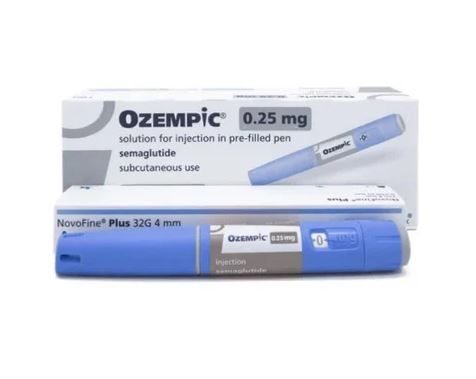
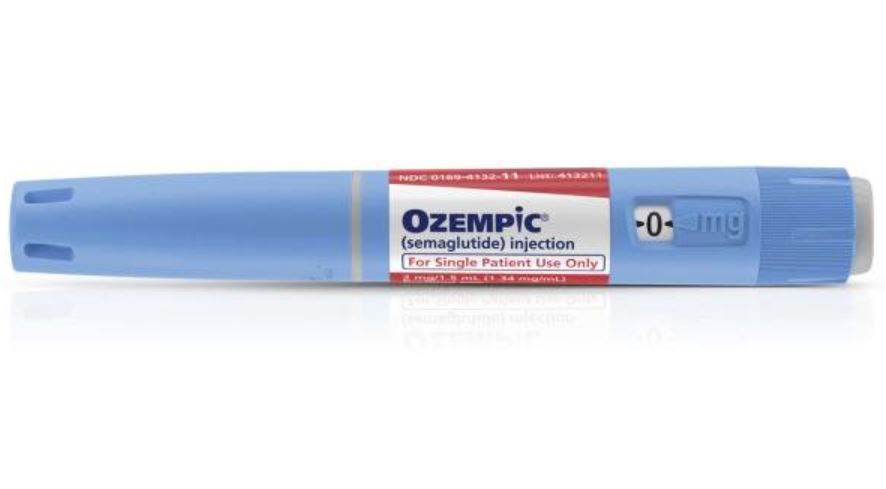
Ozempic, or semaglutide, is typically administered as a subcutaneous injection once a week. It comes in a pre-filled pen, and following your healthcare provider’s prescribed dosage and administration instructions is essential. Before using Ozempic:
- Ensure that you are familiar with the proper injection technique.
- Clean the injection site with an alcohol swab and let it dry before injecting.
- Rotate injection sites to avoid lumps or skin changes at the injection site.
It’s crucial to take Ozempic consistently at the same time each week, and if you miss a dose, administer it as soon as you remember unless it’s close to the time for the next scheduled dose. Refrain from doubling up on doses to make up for a missed one. Regularly monitor your blood sugar levels as directed by your healthcare provider, and promptly report any unusual symptoms or side effects. Always consult your healthcare provider if you have any concerns or questions about the proper use of Ozempic or if you experience any issues with the injection process. They can provide personalized guidance to ensure the effective and safe management of your diabetes.
Ozempic FDA Warning
There have been updates regarding the labeling of Ozempic about potential side effects, specifically reports of blocked intestines. This is a significant development as Ozempic, a diabetes drug that has gained popularity for its weight loss effects, is now associated with this concern. It’s worth noting that similar reports have also been linked to other medications like Wegovy and Mounjaro.
Acknowledging blocked intestines as a potential side effect underscores the importance of closely monitoring and understanding the risks associated with these medications. Individuals using Ozempic or considering it for weight loss or diabetes management should be aware of this updated information and discuss any concerns with their healthcare provider.
This development emphasizes the dynamic nature of medication information, and healthcare professionals and patients must stay informed about the latest updates and warnings. Regular communication with healthcare providers is critical to ensuring the appropriate and safe use of medications. Consult your healthcare provider for personalized guidance if you have any questions or concerns about this update.
Ozempic Drug Interactions
Ozempic (semaglutide) can interact with various drugs, affecting their effectiveness or increasing the risk of side effects. It’s crucial to inform your healthcare provider about all medications, including prescription, over-the-counter, and herbal supplements, that you are taking. Here are some potential drug interactions with Ozempic:
Insulin and Sulfonylureas:
- Combining Ozempic with insulin or sulfonylureas may increase the risk of hypoglycemia (low blood sugar). Dose adjustments may be necessary.
Medications Affecting Gastrointestinal Motility:
- Drugs that affect gastrointestinal motility, such as certain medications for constipation or diarrhea, may influence the absorption of Ozempic. It’s advisable to separate the timing of these medications from Ozempic administration.
Warfarin (Anticoagulant):
- There have been reports of an increased international normalized ratio (INR) in patients taking semaglutide and warfarin. Monitoring may be needed if these medications are used together.
Oral Medications:
- Ozempic may delay the absorption of orally administered medications. Taking oral medications at least one hour before Ozempic or four hours after is recommended.
Pancreatic Enzyme Preparations:
- Pancreatic enzyme preparations may affect the absorption of Ozempic. Consideration should be given to the timing of administration.
Thyroid Medications:
- There have been reports of thyroid C-cell tumors in rodents treated with semaglutide. Although the relevance to humans is unclear, caution may be needed when using Ozempic with medications affecting thyroid function.
This is not an exhaustive list, and individual responses to drug interactions can vary. Always consult your healthcare provider to ensure that Ozempic is safe and compatible with other medications you may be taking. They can provide personalized advice based on your health history and drug regimen.
Can You Overdose On Ozempic?
It is possible to overdose on Ozempic (semaglutide), leading to severe complications. Taking more than the prescribed dose may increase the risk of hypoglycemia (low blood sugar) and other adverse effects. In case of suspected overdose, seeking immediate medical attention and contacting a poison control center is crucial.
Ozempic Overdose Symptoms From Mild To Severe Chart
Ozempic Overdose Symptoms From Mild To Severe Chart
Here’s a table categorizing potential Ozempic (semaglutide) overdose symptoms from mild to severe:
| Mild Overdose Symptoms | Moderate Overdose Symptoms | Severe Overdose Symptoms |
|---|---|---|
| Nausea | Confusion | Severe hypoglycemia (very low blood sugar) |
| Vomiting | Irritability | Loss of consciousness |
| Dizziness | Blurred vision | Seizures |
| Headache | Slurred speech | Coma |
| Sweating | Coordination difficulties | Neurological impairment |
| Tremors | Anxiety | Cardiovascular collapse |
| Hunger |
Ozempic Images
Ozempic Reviews
Reviews for Ozempic (semaglutide) can vary widely as individual medication responses differ. It’s essential to consider both positive and negative experiences. Many individuals report positive outcomes with Ozempic, citing improved blood sugar control and, for some, weight loss. The once-weekly injection is also praised for its convenience.
However, as with any medication, some individuals may experience side effects or find the injection process challenging. Common side effects may include nausea and gastrointestinal issues. It’s crucial to note that personal experiences can be influenced by factors such as overall health, lifestyle, and other medical conditions.
Discussing your concerns with your healthcare provider is recommended if you’re considering Ozempic or have questions about your experience. They can provide personalized guidance based on your health history and help you make informed decisions about your diabetes management.
Ozempic Alcohol Side Effects
Mixing Ozempic and alcohol can lead to side effects that affect how you feel each day.
- Upset stomach or nausea
- Vomiting
- Dizziness
- Feeling very tired
- Blood sugar changes
These Ozempic alcohol side effects may feel stronger when both are used together.
Semaglutide Alcohol Risks
There are also more serious risks to be aware of.
- Low blood sugar
- Dehydration
- Stomach pain
- Risk of pancreas problems
- Less effect from the medication
These semaglutide alcohol risks can affect your health if alcohol is used often.
Weight Loss Medication Alcohol Effects
Weight loss medication alcohol effects can also impact your progress because alcohol adds extra calories and may increase hunger. Even though Ozempic helps you eat less, alcohol may make it harder to control cravings and stick to healthy habits. This can slow down weight loss and make it harder to reach your goals. Over time, drinking often while using Ozempic can reduce how well the medicine works and affect your results.
What Happens in the Body
When you use Ozempic and drink alcohol, your body has to deal with both at the same time, which can make it harder to stay balanced. Ozempic slows how fast food moves in your stomach, while alcohol can quickly change blood sugar levels, which may cause dizziness or weakness. Your stomach may feel more sensitive, and this can lead to nausea or discomfort. The liver also works to process alcohol, which can affect how your body handles the medicine. Over time, this mix can make side effects worse and reduce the benefits of the treatment.
Long-Term Effects of Mixing Ozempic and Alcohol
Drinking often while taking Ozempic can affect your health over time and may make it harder to manage blood sugar and weight. Your body may have trouble staying balanced, and you may feel more side effects like stomach pain or low energy. Weight loss may slow down, and it may be harder to keep healthy habits. Alcohol can also affect mood and sleep, which can make recovery and health goals harder to reach. Over time, these effects can impact your daily life, which is why it is best to be careful and seek support when needed.
Why Choose We Level Up Treatment Center NJ
At We Level Up Treatment Center New Jersey we help people stay safe while managing medications and alcohol use. We offer 24/7 care, simple treatment plans, and support that fits your needs. Our team helps you understand your health and build better habits step by step. We focus on your full well-being so you can feel better and stay on track long term. We are here to guide you and support your journey to better health.
Ready to get started? Call (201)389-9370 or email verifyadmissions@welevelup.com today. A better life is waiting for you.
How to Get Started
Getting help can feel hard, but you are not alone and support is always available. Reaching out is the first step, and it can help you feel more in control of your health and your future.
FAQs About Ozempic and Alcohol
Can I drink alcohol while taking Ozempic?
Some people may drink small amounts, but it is not always safe because alcohol can change blood sugar and increase side effects, so it is best to talk to a doctor before drinking.
What happens if I mix Ozempic and alcohol?
You may feel dizzy, sick, or tired, and your blood sugar may change, which can make you feel weak or unwell, especially if you drink too much.
Does alcohol affect weight loss on Ozempic?
Yes, alcohol can slow weight loss because it adds calories and may increase hunger, which can make it harder to stay on track.
Is it dangerous to mix semaglutide and alcohol?
It can be risky, especially if you drink often or have health problems, because it can affect your stomach, blood sugar, and overall health.
What should I do if I feel sick after drinking?
Stop drinking, rest, and drink water, and if symptoms get worse or do not go away, seek medical help right away.
When should I avoid alcohol completely with Ozempic?
You may need to avoid alcohol if you experience strong side effects, unstable blood sugar, or other health conditions. People with diabetes or those taking additional medications should be especially cautious. In such cases, a healthcare provider may recommend avoiding alcohol entirely to reduce risks.
Ready to Get Started
Mixing Ozempic and alcohol can affect your health in ways that are not always easy to see at first, but over time, the effects can become more serious and impact your daily life. Understanding these risks can help you make better choices and protect your health while using this medication.
At We Level Up Treatment Center NJ we are here to support you with care, guidance, and simple steps that help you stay safe and healthy. You do not have to figure this out alone, and with the right help, you can take control of your health and move forward with confidence starting today.
Ready to get started? Call (201)389-9370 or email verifyadmissions@welevelup.com today. A better life is waiting for you.
Looking for help with alcohol use disorders? Join thousands of clients who trusted We Level Up New Jersey for alcoholism treatments. Call 24/7 for more alcohol detox rehab information today. Your call is free and confidential. Access addiction professionals who understand your circumstances and are ready to help.
Get Help. Get Better. Get Your Life Back.
Searching for Accredited Drug & Alcohol Rehab Centers Near You? Or Mental Health Support?
Even if you have failed previously, relapsed, or are in a difficult crisis, we stand ready to support you. Our trusted behavioral health specialists will not give up on you. Call us when you feel ready or want someone to speak to about therapy alternatives to change your life. Even if we cannot assist you, we will lead you wherever you can get support. There is no obligation. Call our hotline today.
FREE Addiction Hotline – Call 24/7
Get addiction counseling that works. Discover professional help from We Level Up’s addiction and mental health therapists. Start getting support with a free call to our addiction hotline.
Alcohol and Ozempic Drug Facts
What is Ozempic?
Ozempic is a prescription medication designed for adults with Type 2 diabetes. It falls into the class of drugs known as glucagon-like peptide-1 (GLP-1) receptor agonists. Ozempic helps regulate blood sugar levels by mimicking the action of a gut hormone called GLP-1.
How Does Ozempic Work? Ozempic targets various organs, including the pancreas, gut, liver, and brain. It enhances satiety after meals, reduces food cravings, regulates sugar utilization, and aids in fat storage management. This multifaceted approach contributes to improved blood sugar control.
Can You Drink Alcohol With Ozempic?
While there is no direct interaction between Ozempic and alcohol, several considerations apply:
- Ozempic may reduce the desire for alcohol in some individuals.
- Alcohol consumption can worsen Ozempic’s side effects, such as nausea, vomiting, and stomach upset.
- Alcohol can irritate the stomach lining, potentially intensifying gastrointestinal discomfort.
Common Side Effects
- Nausea.
- Vomiting.
- Stomach upset.
Adjustment Period
Side effects like nausea and stomach upset are typically more pronounced when starting Ozempic or after dosage adjustments. However, they tend to improve as the body adapts to the medication.
Consult with Your Healthcare Provider
Discuss your alcohol consumption habits with your healthcare provider to determine safe and suitable guidelines for your specific situation while taking Ozempic. Personalized guidance from your healthcare team is essential for managing your health effectively.
Additional Information
- Ozempic is administered as a once-weekly injection.
- It may lead to weight loss for some individuals.
- Regular monitoring of blood sugar levels is crucial while using Ozempic.
Remember to prioritize open communication with your healthcare team to ensure that your diabetes management plan, including using Ozempic, aligns with your overall health goals and lifestyle.
Ozempic and Alcohol Nausea
- Alcohol and Nausea: Alcohol consumption can lead to nausea and upset stomach in some individuals, a common side effect when alcohol irritates the stomach lining and slows digestion.
- Ozempic’s Nausea Side Effect: Ozempic can cause nausea, particularly when starting treatment or after dosage adjustments. This nausea is one of the potential side effects associated with the medication.
- Combining Alcohol with Ozempic: If you experience nausea from Ozempic and drinking alcohol, the combination may exacerbate these symptoms. Alcohol’s irritation of the stomach lining and Ozempic’s digestion-related side effects can intensify feelings of nausea.
- Adjustment Period: Side effects like nausea are often more pronounced when initiating Ozempic therapy or following dosage changes. However, these symptoms typically improve as your body adapts to the medication.
Ozempic Alcohol Cravings Research
Ozempic (semaglutide), a medication prescribed for Type 2 diabetes management, has shown some intriguing effects on alcohol cravings in specific individuals:
- Reduced Desire to Drink Alcohol: Some individuals taking Ozempic have reported decreased alcohol cravings, potentially linked to the medication’s impact on brain chemistry.
- The Role of GLP-1: Ozempic mimics glucagon-like peptide-1 (GLP-1), a gut hormone. GLP-1 receptors are found in various organs, including brain regions associated with reward and appetite regulation. Ozempic’s influence on these receptors may affect how the brain responds to alcohol.
- Potential for Treating Alcohol Use Disorder: Ozempic’s effect on alcohol cravings has piqued research interest. Animal studies suggest that medications similar to Ozempic could reduce not only alcohol use but also the consumption of substances like cocaine, nicotine, and amphetamines. As a result, Ozempic is being investigated as a potential treatment for alcohol use disorder.


Get Your Life Back
Find Hope & Recovery. Get Safe Comfortable Detox, Addiction Rehab & Mental Health Dual Diagnosis High-Quality Care at the We Level Up Treatment Centers Network.
Hotline (877) 378-4154140,557
140,557 Americans die from the effects of alcohol in an average year.
Source: NIAAA
1 in 10
1 in 10 Americans over 12 have an alcohol use disorder.
Source: NIAAA
50%
Over half of Americans increased their alcohol consumption during COVID-19 lockdowns.
Source: NIAAA
Comfortable Facilities & Amenities
High-Quality Addiction & Mental Health Rehabilitation Treatment
Rehab Centers TourRenowned Addiction Centers. Serene Private Facilities. Inpatient rehab programs vary.
Addiction Helpline (877) 378-4154Proven recovery success experience, backed by a Team w/ History of:
15+
Years of Unified Experience
100s
5-Star Reviews Across Our Centers
10K
Recovery Success Stories Across Our Network
- Low Patient to Therapist Ratio
- Onsite Medical Detox Center
- Comprehensive Dual-Diagnosis Treatment
- Complimentary Family & Alumni Programs
- Coaching, Recovery & Personal Development Events
Overcoming Alcoholism. Find the Support You Need.
Withdrawal from alcohol is often a challenging process to go through alone. Many people experience relapses during withdrawal in an attempt to alleviate symptoms and satisfy cravings. However, you can manage withdrawal symptoms and successfully recover with detox and rehab therapy and a robust support system at the We Level Up New Jersey treatment center. If you require assistance with your rehab journey, contact a We Level Up NJ treatment professional now. Your call is free and confidential.
Get a free rehab insurance check without any obligation.
World-class, Accredited, 5-Star Reviewed, Effective Addiction & Mental Health Programs. Complete Behavioral Health Inpatient Rehab, Detox plus Co-occuring Disorders Therapy.
CALL (877) 378-4154End the Addiction Pain. End the Emotional Rollercoaster. Get Your Life Back. Start Drug, Alcohol & Dual Diagnosis Mental Health Treatment Now. Get Free No-obligation Guidance by Substance Abuse Specialists Who Understand Addiction & Mental Health Recovery & Know How to Help.
Do you have questions about Ozempic and drinking alcohol or treatment in general? Call our helpline 24/7. Watch the video below for more information about the dangers of alcohol poisoning.
Experience Transformative Recovery at the We Level Up Treatment Center.
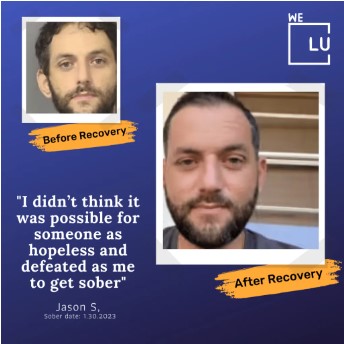
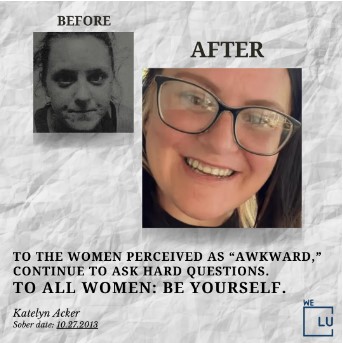
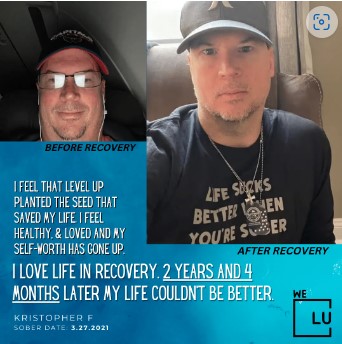
See our authentic success stories. Get inspired. Get the help you deserve.
Start a New Life
Begin with a free call to an addiction & behavioral health treatment advisor. Learn more about our dual-diagnosis programs. The We Level Up treatment center network delivers various recovery programs at each treatment facility. Call to learn more.
- Personalized Care
- Caring Accountable Staff
- Comfortable Amenities
- Licensed & Accredited
- Renowned w/ 5-Star Reviews
We’ll Call You
Search We Level Up NJ Ozempic and Alcohol Detox, Mental Health Topics and Resources
Sources
[1] Clinical Review Report: Semaglutide (Ozempic): (Novo Nordisk Canada Inc.): Indication: For the treatment of adult patients with type 2 diabetes mellitus to improve glycemic control, in combination with metformin (second-line therapy), and combination with metformin and sulfonylurea (third-line treatment) [Internet]. Ottawa (ON): Canadian Agency for Drugs and Technologies in Health; 2019 Jun. Results. Available from: https://www.ncbi.nlm.nih.gov/books/NBK544016/
[2] OZEMPIC (semaglutide) injection for subcutaneous use
[3] Semaglutide Injection: MedlinePlus Drug Information
[4] Semaglutide (Ozempic®, Wegovy®)
[5] Alcohol use disorder – Available from: https://medlineplus.gov/download/genetics/condition/alcohol-use-disorder.pdf
[6] Huebner RB, Kantor LW. Advances in alcoholism treatment. Alcohol Res Health. 2011;33(4):295-9. PMID: 23580014; PMCID: PMC3860532.
[7] Center for Substance Abuse Treatment. A Guide to Substance Abuse Services for Primary Care Clinicians. Rockville (MD): Substance Abuse and Mental Health Services Administration (US); 1997. (Treatment Improvement Protocol (TIP) Series, No. 24.) Chapter 5—Specialized Substance Abuse Treatment Programs. Available from: https://www.ncbi.nlm.nih.gov/books/NBK64815/
[8] LaHood AJ, Kok SJ. Ethanol Toxicity. [Updated 2023 Mar 13]. In: StatPearls [Internet]. Treasure Island (FL): StatPearls Publishing; 2023 Jan-. Available from: https://www.ncbi.nlm.nih.gov/books/NBK557381/
[9] Alcohol’s Effects on Health – National Institute on Alcohol Abuse and Alcoholism (NIAAA)
[10] Alcohol’s Effect on Health: NIAAA brochures and fact sheets – National Institute on Alcohol Abuse and Alcoholism (NIAAA)