Many people ask is alcohol a stimulant because it can make them feel more social at first. Some people feel more energy after a drink, which can be confusing.
Understanding whether alcohol is a stimulant is important for your health. Alcohol may feel stimulating at first, but it works differently in the body. If alcohol use becomes a concern, We Level Up NJ offers support for those who are alcoholics and recovery care.
Table of Contents
Is Alcohol a Stimulant?
The question of whether alcohol is a stimulant relates to how alcohol affects the brain. Alcohol is not a stimulant. It is a depressant that slows the central nervous system.
The alcohol stimulant vs depressant classification shows that alcohol reduces brain activity over time. While it may create short bursts of energy, this effect does not last.
The question is alcohol stimulant or depressant effects can confuse people. At first, alcohol lowers inhibitions. This may feel like stimulation, but it is actually reduced control in the brain.
Understanding the alcohol nervous system classification helps explain these changes. Alcohol slows thinking, reaction time, and coordination.
Learn More:
- Types of Alcohol – Finding Treatment for Excessive Alcohol Consumption
- How to Sober Up Fast
- When are You Considered an Alcoholic?
- Married to an Alcoholic
- How To Help a Drunk Person?
- Best Alcohol to Drink with UTI?
- Does Drinking Alcohol Decrease Your Immune System?
- Is Alcohol a Drug?
- Is Alcohol a Depressant?
- Is Alcoholism a Disease?
- Alcohol Vs Marijuana
Get Your Life Back
Find Hope & Recovery. Get Safe Comfortable Detox, Addiction Rehab & Mental Health Dual Diagnosis High-Quality Care at the We Level Up Treatment Centers Network.
Hotline (877) 378-4154How Alcohol Impacts the Body Over Time
Alcohol affects more than just the brain. It also impacts the body in many ways. Over time, regular drinking can strain important organs. The alcohol CNS effects are only part of the picture. Alcohol can affect the heart, liver, and immune system.
This can lead to long-term health problems if use continues. These changes may happen slowly. Many people do not notice them at first. Learning how alcohol affects the body can help you make safer choices.
Why People Misunderstand Alcohol Effects
Many people believe alcohol is a stimulant. This belief comes from how people feel after the first drink. The truth behind alcohol stimulant myth facts is simple. Alcohol lowers control in the brain, which makes people feel more open and active.
This can feel like energy, but it is not real stimulation. As drinking continues, the body slows down. This is why alcohol is classified as a depressant.
Get Help. Get Better. Get Your Life Back.
Searching for Accredited Drug & Alcohol Rehab Centers Near You? Or Mental Health Support?
Even if you have failed previously, relapsed, or are in a difficult crisis, we stand ready to support you. Our trusted behavioral health specialists will not give up on you. Call us when you feel ready or want someone to speak to about therapy alternatives to change your life. Even if we cannot assist you, we will lead you wherever you can get support. There is no obligation. Call our hotline today.
FREE Addiction Hotline – Call 24/7Signs You May Need Support
- Feeling more active after drinking
- Relying on alcohol to feel social
- Drinking often to boost mood
- Trouble focusing after drinking
- Feeling tired after alcohol wears off
- Increased tolerance over time
These signs may relate to alcohol stimulant myth facts. They show how alcohol can create false beliefs about its effects.
Treatment Options for Alcohol Use
There are many ways to treat alcohol use concerns. The right plan depends on each person’s needs. Detox may be needed for heavy use. This helps the body adjust safely. Therapy addresses behavior and emotional health.
Long-term support includes counseling and relapse prevention. This helps maintain progress and build a stable lifestyle.
Why Choose We Level Up NJ
We Level Up NJ provides support for alcohol use and mental health. The team understands how alcohol affects the brain and behavior. Each patient receives a personalized plan. Care may include therapy, alcohol detox support, and outpatient programs.
This approach helps treat both emotional and physical concerns. Patients also learn about alcohol CNS effects and how alcohol changes brain function. Education builds awareness and supports long-term recovery.
Comfortable Facilities & Amenities
High-Quality Addiction & Mental Health Rehabilitation Treatment
Rehab Centers TourRenowned Addiction Centers. Serene Private Facilities. Inpatient rehab programs vary.
Addiction Helpline (877) 378-4154Proven recovery success experience, backed by a Team w/ History of:
15+
Years of Unified Experience
100s
5-Star Reviews Across Our Centers
10K
Recovery Success Stories Across Our Network
- Low Patient to Therapist Ratio
- Onsite Medical Detox Center
- Comprehensive Dual-Diagnosis Treatment
- Complimentary Family & Alumni Programs
- Coaching, Recovery & Personal Development Events
The Importance of Early Support
It can make a big difference to get help right away. It can keep little issues from getting worse. Help can come in the form of therapy, schooling, or lifestyle changes. These steps help people get back in charge.
A big part of this process is figuring out if booze is a stimulant. It busts lies and makes people more aware. It is possible to get better with the right help.
What to Expect During Rehab
The first step in treatment is a full evaluation. They look at how much booze you drink, your health, and your way of life. Patients learn about the effects of alcohol on the body and the alcohol stimulant vs. depressant classification. This helps clear up some common mistakes.
After therapy, better habits are formed. Patients learn how to deal with stress without drinking. Long-term help is part of recovery. This helps keep people from relapsing and supports lasting changes.
World-class, Accredited, 5-Star Reviewed, Effective Addiction & Mental Health Programs. Complete Behavioral Health Inpatient Rehab, Detox plus Co-occuring Disorders Therapy.
CALL (877) 378-4154End the Addiction Pain. End the Emotional Rollercoaster. Get Your Life Back. Start Drug, Alcohol & Dual Diagnosis Mental Health Treatment Now. Get Free No-obligation Guidance by Substance Abuse Specialists Who Understand Addiction & Mental Health Recovery & Know How to Help.
Benefits of Alcohol as a Stimulant Treatment
Treatment can improve daily life in many ways.
- Better mental clarity
- Improved mood balance
- Stronger focus and memory
- Reduced alcohol dependence
- Better sleep patterns
- Healthier relationships
These benefits support long-term well-being.
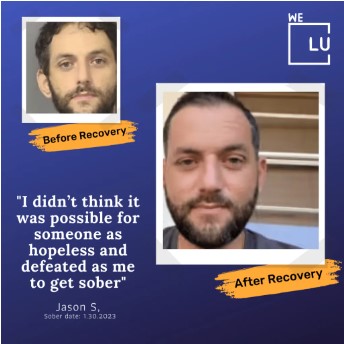
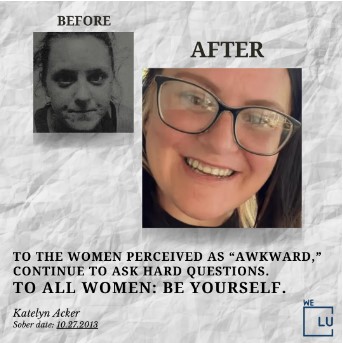
Experience Transformative Recovery at the We Level Up Treatment Center.
See our authentic success stories. Get inspired. Get the help you deserve.
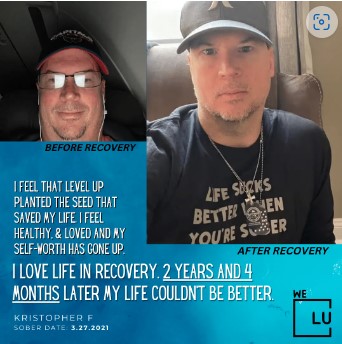
Start a New Life
Begin with a free call to an addiction & behavioral health treatment advisor. Learn more about our dual-diagnosis programs. The We Level Up treatment center network delivers various recovery programs at each treatment facility. Call to learn more.
- Personalized Care
- Caring Accountable Staff
- Comfortable Amenities
- Licensed & Accredited
- Renowned w/ 5-Star Reviews
We’ll Call You
How Alcohol Affects the Brain
Getting drunk changes the way your brain works. It slows nerve cell signaling. This changes how you think and act. Slower reaction times and poorer balance are examples of alcohol CNS effects. These changes can make everyday things more dangerous.
At first, people might feel calm or chatty. This happens because drinking makes the brain less able to control things. These effects can get worse over time.
Why Alcohol Feels Like a Stimulant
Some people feel more energetic after drinking. This might make them think that booze wakes them up. This idea is one of the alcohol stimulant myth facts. People can feel more open when they drink alcohol because it lowers their inhibitions.
This effect is only brief, though. As booze keeps working on the body, it slows down the brain. This makes people tired and less aware.
Short-Term Effects of Alcohol
Alcohol can affect the body quickly. The first effects may feel mild, but they can change fast. The is alcohol stimulant or depressant effects show that alcohol starts with stimulation but shifts to sedation.
Short-term effects may include dizziness, poor judgment, and slow thinking. These changes can affect safety and decision-making.
Long-Term Effects of Alcohol Use
Using booze for a long time can hurt your body and brain. It could hurt your health, your mood, and your memory. The alcohol nervous system classification shows that drinking for a long time makes the brain work less quickly. This could cause changes that last.
The risk of dependence may also increase with long-term use. This makes it harder to stop on your own.
Alcohol and Mental Health
Alcohol and mental health are closely linked. Some people use alcohol to cope with depression or anxiety. This may provide short-term relief but can worsen symptoms over time.
Alcohol can increase feelings of deor stress. Therapy helps people understand these patterns. It provides tools to manage emotions more healthily.
Building Healthy Habits Without Alcohol
Healthy habits can replace alcohol use. Simple changes can improve daily life. Regular sleep and exercise support the body. Stress management helps reduce the need for alcohol.
Support systems also play a key role. Family and professionals help guide recovery. These habits support long-term success.
FAQs About Is Alcohol a Stimulant
Is alcohol a stimulant?
Whether alcohol is a stimulant or a depressant is a common question, but alcohol is a depressant that slows brain activity.
How does We Level Up NJ offer help?
We provide support for concerns related to whether alcohol is a stimulant and alcohol recovery programs.
What is the alcohol stimulant vs depressant classification?
Alcohol stimulant vs depressant classification shows that alcohol is a depressant despite early stimulating effects.
What are alcohol’s CNS effects?
Alcohol CNS effects include slower thinking, reduced coordination, and impaired judgment.
What are the alcohol stimulant myth facts?
Alcohol stimulant myth facts explain why alcohol feels stimulating, but actually slows the brain.
What are the alcohol stimulant or depressant effects?
Is alcohol stimulant or depressant effects show early energy followed by sedation and slowed body function.
How to Get Started
Alcohol use can feel confusing and hard to manage. You may feel unsure about your habits or how they affect your health. These concerns are common, and help is available.
At We Level Up NJ, you can find care that supports your needs. Our team helps you understand alcohol effects, build healthy habits, and move toward recovery. We focus on long-term success and well-being.
If you are ready to take the next step, call (877) 378-4154 or complete the insurance verification form. You do not have to face this alone. A healthier future is possible.