
Many people focus on staying physically sober, but emotional sobriety matters just as much. It means learning to handle feelings in a calm, healthy way. Without this skill, stress and strong emotions can lead to unhealthy choices.
Recovery is more than just staying away from drugs. It also means making your life safe and well-balanced. We Level Up NJ helps people become emotionally clean and build lasting power while they recover.
Table of Contents
What Is Emotional Sobriety?
Having emotional sobriety means being able to control your feelings without behaving in harmful ways. It helps people stay relaxed, even when they are stressed. This makes daily life better and helps you make better choices.
The emotional sobriety meaning recovery shows that healing includes both mind and body. Stopping drug use is not the only goal. Also, it’s about learning how to handle bad feelings in a good way.
The emotional sobriety definition steps focus on awareness, control, and growth. With support, people can learn these skills over time.
Signs You May Need Support
- Strong reactions to small problems
- Trouble managing stress
- Mood swings or emotional ups and downs
- Feeling overwhelmed often
- Difficulty in relationships
- Using substances to cope
- Avoiding difficult feelings
These signs often show up early in the healing process. A lot of people struggle with negative feelings before they learn to deal with them better. Getting support can help you become emotionally strong.
Learn More:
- Types of Alcohol – Finding Treatment for Excessive Alcohol Consumption
- How to Sober Up Fast
- When are You Considered an Alcoholic?
- Married to an Alcoholic
- How To Help a Drunk Person?
- Best Alcohol to Drink with UTI?
- Does Drinking Alcohol Decreases Your Immune System?
- Is Alcohol a Drug?
- Is Alcohol a Depressant?
- Is Alcohol a Stimulant?
- Is Alcoholism a Disease?
Get Help. Get Better. Get Your Life Back.
Searching for Accredited Drug & Alcohol Rehab Centers Near You? Or Mental Health Support?
Even if you have failed previously, relapsed, or are in a difficult crisis, we stand ready to support you. Our trusted behavioral health specialists will not give up on you. Call us when you feel ready or want someone to speak to about therapy alternatives to change your life. Even if we cannot assist you, we will lead you wherever you can get support. There is no obligation. Call our hotline today.
FREE Addiction Hotline – Call 24/7
Why Choose We Level Up NJ
There is help for both addiction and mental health at We Level Up NJ. Our team knows that getting better includes healing emotionally. We work on skills that will last.
Therapy and group help are part of our recovery program. People who are sick can join a support group to talk about their problems and learn from others. This helps build security and connection.
For long-term success and emotional sobriety in addiction recovery, our method is vital. Care is given to each person based on their needs.
Ready to get started? Call (201)389-9370 or email verifyadmissions@welevelup.com today. A better life is waiting for you.
What to Expect During Stay
Treatment starts with a full assessment of emotional and mental health. A healthcare professional helps identify triggers and patterns. This step builds a clear plan for progress.
Therapy is an important part of care. Methods such as cognitive-behavioral therapy and dialectical behavior therapy (DBT) help people understand and manage emotions. These approaches teach practical coping skills.
Patients also practice new habits in daily life. Over time, these skills become natural and support long-term stability.

Get Your Life Back
Find Hope & Recovery. Get Safe Comfortable Detox, Addiction Rehab & Mental Health Dual Diagnosis High-Quality Care at the We Level Up Treatment Centers Network.
Hotline (877) 378-4154Benefits of Treatment
Building emotional balance improves many parts of life.
- Better control of feelings
- Reduced stress and anxiety
- Improved relationships
- Stronger decision-making
- Greater self-awareness
- More confidence
These benefits support sobriety, emotional health, and help people stay on track. They also make daily life feel more manageable and calm.
Comfortable Facilities & Amenities
High-Quality Addiction & Mental Health Rehabilitation Treatment
Rehab Centers TourRenowned Addiction Centers. Serene Private Facilities. Inpatient rehab programs vary.
Addiction Helpline (877) 378-4154Proven recovery success experience, backed by a Team w/ History of:
15+
Years of Unified Experience
100s
5-Star Reviews Across Our Centers
10K
Recovery Success Stories Across Our Network
- Low Patient to Therapist Ratio
- Onsite Medical Detox Center
- Comprehensive Dual-Diagnosis Treatment
- Complimentary Family & Alumni Programs
- Coaching, Recovery & Personal Development Events
Understanding Emotional Triggers
Triggers are things that make you feel very strongly. These can be caused by worry, arguments, or past events. If you aren’t aware of them, they can make you do bad things.
Learning how to spot these triggers is part of emotional sobriety, which is recovery. It’s easier to deal with them once they’ve been found. This makes a return less likely. People learn to wait before they act over time. This makes room for better options.
The Role of Self-Awareness
Knowing yourself helps you understand what you think and feel. It helps them see trends and understand how people act. Growing as a person is very important.
This knowledge gradually increases as part of the steps in the definition of emotional sobriety. Thoughts, journaling, and therapy can all help. These tools help you understand things better.
People can deal with problems in a healthy way when they know what sets them off. This helps you better control your emotions.
World-class, Accredited, 5-Star Reviewed, Effective Addiction & Mental Health Programs. Complete Behavioral Health Inpatient Rehab, Detox plus Co-occuring Disorders Therapy.
CALL (877) 378-4154End the Addiction Pain. End the Emotional Rollercoaster. Get Your Life Back. Start Drug, Alcohol & Dual Diagnosis Mental Health Treatment Now. Get Free No-obligation Guidance by Substance Abuse Specialists Who Understand Addiction & Mental Health Recovery & Know How to Help.
Coping Skills for Emotional Balance
Coping skills help you deal with worry and your feelings. Some of these skills are writing in a diary, breathing exercises, and ways to relax. They lessen the effect of bad thoughts.
Mindfulness-based addiction treatment is another way that can help. People learn to be calm and in the present. It lowers stress and makes it easier to concentrate.
Using these tools every day is part of the process of emotional control sobriety. After a while, they become a healthy habit.
Emotional Sobriety and Relationships
Clear communication and emotional balance are important for healthy partnerships. Conflicts can happen more often when feelings aren’t stable. This can lead to stress and separation.
People can talk to each other more clearly with the sobriety emotional health method. It teaches them how to talk about how they feel without getting scared or angry. This makes trust and the relationship stronger.
Getting help from others can speed up the healing process. People can stay motivated and on track with the help of a strong network.
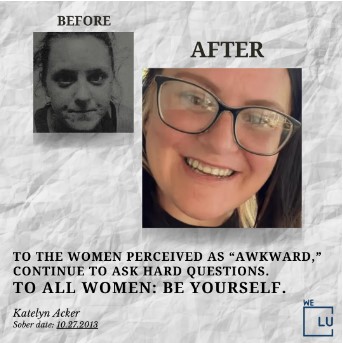
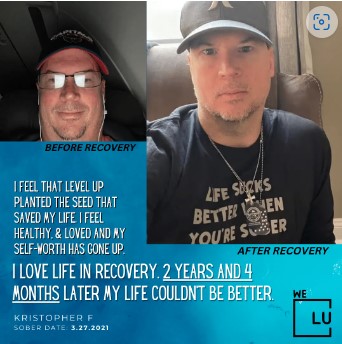
Experience Transformative Recovery at the We Level Up Treatment Center.
See our authentic success stories. Get inspired. Get the help you deserve.
Start a New Life
Begin with a free call to an addiction & behavioral health treatment advisor. Learn more about our dual-diagnosis programs. The We Level Up treatment center network delivers various recovery programs at each treatment facility. Call to learn more.
- Personalized Care
- Caring Accountable Staff
- Comfortable Amenities
- Licensed & Accredited
- Renowned w/ 5-Star Reviews
We’ll Call You
Therapy and Structured Support
Therapy gives people a safe place to talk about their thoughts and actions. For some, it helps them figure out why they’re having trouble. This makes it easier and more efficient to make changes.
The goal of cognitive behavioral therapy is to change the way people think, particularly when thinking is negative. Dialectical behavior treatment (DBT) teaches people how to control their emotions and deal with stress. Both ways can help you get better.
Support groups are another way to share what you’ve learned. When people meet other people going through the same thing, they feel less alone.
Daily Habits That Support Growth
Emotional health is affected by the things we do every day. Getting enough sleep and eating well are simple ways to support your body and mind. These habits make things stable. Working out can help you feel better and less stressed.
Getting some fresh air can also help. In a natural way, these acts help with recovery. Building these habits is a part of emotional sobriety in addiction recovery. Over time, little steps add up to big changes.
Challenges in Early Recovery
In the beginning, healing can be hard and stressful. Moods might feel stronger than normal. This is a normal part of getting better. People may have trouble managing stress and negative feelings if they lack coping skills.
This might make it more likely to return. Getting help at this point is very important. A good rehab program gives you direction and structure. It keeps people on track and gives them the strength to move forward.
Long-Term Growth and Stability
It takes time and effort to improve emotional balance. The process takes a while. Every step forward makes you stronger and more sure of yourself. The emotional sobriety means that recovery includes ongoing education.
People are always learning new things and getting into new habits. This helps with long-term success. Being patient makes life safer and more satisfying. Emotional health is a strong base for getting better.
Frequently Asked Questions
What is emotional sobriety?
It means managing feelings in a healthy and balanced way.
How does We Level Up NJ offer help?
We provide care and support for emotional sobriety through therapy programs.
What does emotional sobriety mean in recovery?
Emotional sobriety includes emotional growth and stability.
What are the emotional sobriety definition steps?
Emotional sobriety definition steps include awareness, control, and healthy responses.
What is emotional sobriety in addiction recovery?
Emotional sobriety in addiction recovery supports long-term healing and balance.
What is emotional regulation sobriety?
Emotional regulation sobriety focuses on managing emotions safely and calmly.
How to Get Started
Your feelings might be too much for you to handle, or you might not know how to deal with worry. You might see patterns that get in the way of your recovery and connections. It’s normal to have these problems, and you can get help.
We Level Up NJ cares about your mental and emotional health. Our team helps you learn skills that will improve your performance and keep you stable. We give counseling, therapy, and long-term help.
You can call (877) 378-4154 or fill out the form to confirm your insurance. You’re not by yourself. Tomorrow can be calmer and better if you start today.
Ready to get started? Call (201)389-9370 or email verifyadmissions@welevelup.com today. A better life is waiting for you.