
Co Occurring Disorders Care & Recovery Guide
Many people live with both mental health challenges and substance use at the same time. This is called co occurring disorders, and it can make life feel heavy, confusing, and hard to manage without the right help and steady support.
Learning about co-occurring disorders can help you take the first step toward real change. When both conditions are treated together, healing becomes possible. At We Level Up NJ, you can build stability, feel safer, and move toward a healthier life.
Table of Contents
What are Co-Occurring Disorders?
When a person has both a mental health disorder and a substance use problem at the same time, this is referred to as co-occurring disorders. You might also hear this called dual diagnosis, addiction, and mental health. The symptoms of both diseases can worsen when they interact.
For instance, someone with worry or PTSD might drink to relax. This can turn into a substance use problem over time. On the other hand, using drugs can make the mental health problem worse, which makes it hard to stop the cycle.
This is why integrated treatment co occurring disorders is so important. Treating only one issue will not solve the whole problem. Both conditions require attention simultaneously, using integrated treatment approaches for better results.
Professional care helps people understand their symptoms and learn safer ways to cope. With support, many people find balance and begin to feel in control again.
Learn More:
- Dual Diagnosis Link to Addiction. Deadly Risks, Signs, Statistics, & Treatment Options.
- OCD and Alcohol
- Bipolar and Alcohol
- Substance Abuse Defined, Signs, Symptoms, Link to Mental Health
- Alcohol And Anxiety Co-Occurring Mental Health Disorder
- The Truth About Bipolar And Addiction Treatment
- Mixing Prescription Drugs with Alcohol
- Drug Addiction And Depression
- PTSD And Addiction Strong Connection
- How Naproxen and Alcohol Work, Side Effects and Addiction

Get Your Life Back
Find Hope & Recovery. Get Safe Comfortable Detox, Addiction Rehab & Mental Health Dual Diagnosis High-Quality Care at the We Level Up Treatment Centers Network.
Hotline (877) 378-4154Signs You May Need Co Occurring Disorders Treatment
You may need help if you notice these signs:
- Ongoing substance use along with anxiety, depression, or another mental health issue
- Using drugs or alcohol to cope with stress or painful feelings
- Trouble controlling use even when it causes harm
- Sudden changes in mood, sleep, or energy
- Difficulty handling daily tasks or responsibilities
- Feeling stuck, overwhelmed, or unable to cope
- Pulling away from family, friends, or work
These signs may grow slowly. They might get harder to handle without help over time.
Why Choose We Level Up NJ
Choosing the right place for care matters when dealing with co occurring disorders. We Level Up NJ offers a safe, structured setting where healing can begin with guidance and support. Our team includes doctors, therapists, and addiction specialists who understand both mental health and substance use.
We use mental health addiction combined therapy and proven treatment approaches that support full recovery. We offer medical detox, residential care, partial hospitalization, and dual diagnosis treatment. This lets each person get better at their own pace, taking things one step at a time.
Every patient gets a plan that is just right for them. Cognitive behavioral therapy (CBT), dialectical behavioral therapy (DBT), and family therapy are all part of our co occurring rehab programs. These therapies help both the person receiving treatment and their support system.
Ready to get started? Call (201)389-9370 or email verifyadmissions@welevelup.com today. A better life is waiting for you.
Get Help. Get Better. Get Your Life Back.
Searching for Accredited Drug & Alcohol Rehab Centers Near You? Or Mental Health Support?
Even if you have failed previously, relapsed, or are in a difficult crisis, we stand ready to support you. Our trusted behavioral health specialists will not give up on you. Call us when you feel ready or want someone to speak to about therapy alternatives to change your life. Even if we cannot assist you, we will lead you wherever you can get support. There is no obligation. Call our hotline today.
FREE Addiction Hotline – Call 24/7What to Expect During Co-Occurring Disorders Treatment
It can be scary to start treatment. It can be easier to start if you know what to expect.
Assessment and Diagnosis
Care starts with a full evaluation. Providers look at the person’s past mental health history, drug use habits, and daily problems. This helps make a plan that is easy to understand.
Medical and Emotional Support
Some people need medicine to help them deal with their problems. This could include help for conditions like anxiety, depression, or those caused by trauma. As part of a full plan for mental health treatment, medical care is given.
Therapy and Skill Building
Therapy is a key part of recovery. You learn how thoughts, feelings, and behaviors connect. Approaches such as cognitive-behavioral therapy (CBT) and dialectical behavior therapy help build coping skills and emotional control.
Group meetings help people connect and get support. Hearing other people talk about similar situations can help you feel less alone.
Relapse Prevention and Aftercare
You make a plan for the future before you leave treatment. This includes things like counseling, support groups, and good habits. These steps help you keep making progress and lower your risk of relapsing.

Comfortable Facilities & Amenities
High-Quality Addiction & Mental Health Rehabilitation Treatment
Rehab Centers TourRenowned Addiction Centers. Serene Private Facilities. Inpatient rehab programs vary.
Addiction Helpline (877) 378-4154Proven recovery success experience, backed by a Team w/ History of:
15+
Years of Unified Experience
100s
5-Star Reviews Across Our Centers
10K
Recovery Success Stories Across Our Network
- Low Patient to Therapist Ratio
- Onsite Medical Detox Center
- Comprehensive Dual-Diagnosis Treatment
- Complimentary Family & Alumni Programs
- Coaching, Recovery & Personal Development Events
Benefits of Co-Occurring Disorders Treatment
Treatment for co occurring disorders offers many benefits:
- Integrated care for mental health and addiction
- Personalized plans based on your needs
- Better emotional balance and stability
- Strong coping skills for daily life
- Ongoing support after treatment
- Clear path toward long-term recovery

These benefits help people feel more stable and confident as they move forward.
What Causes Co-Occurring Disorders
Multiple illnesses can occur for many different reasons. Some people may have been through tragedy or long-term stress in the past. Some people may get illnesses like PTSD, depression, or anxiety.
People may start using drugs as a way to deal with their problems. Things like this can get worse over time. Using more may also make mental health problems worse. Figuring out the cause helps with the cure. Care should be tailored to each person’s unique needs.
Common Types of Co-Occurring Disorders
Depression and alcohol use, anxiety and drug abuse, and trauma-related conditions and substance use are all regular combinations.
These situations can change how you think, act, and go about your daily life. Because every case is different, it’s important to have care plans that are flexible and tailored to each person.
World-class, Accredited, 5-Star Reviewed, Effective Addiction & Mental Health Programs. Complete Behavioral Health Inpatient Rehab, Detox plus Co-occuring Disorders Therapy.
CALL (877) 378-4154End the Addiction Pain. End the Emotional Rollercoaster. Get Your Life Back. Start Drug, Alcohol & Dual Diagnosis Mental Health Treatment Now. Get Free No-obligation Guidance by Substance Abuse Specialists Who Understand Addiction & Mental Health Recovery & Know How to Help.
How Co-Occurring Disorders Affect Daily Life
Having more than one disease at the same time can affect many parts of your life. The work might seem harder. There may be trouble in relationships. Daily tasks can be overwhelming.
Some people might be tired, unfocused, or unsure how to handle things. Sometimes it feels like too much to do simple things. This can make you feel less confident and motivated over time. People can return to their normal lives and improve their daily tasks with the right care.
Risk Factors to Watch
Co-occurring disorders may be more likely to happen if certain things are present. Some of these are long-term stress, trauma, family background, and using drugs as a child.
At a higher risk may also be people who don’t have enough help or healthy ways to deal with stress. If you notice these things early on, you can help keep problems from getting worse.
Treatment Timeline and Recovery Process
Recovery does not happen overnight. It takes time and steady effort. Early stages focus on safety and stability. Middle stages build coping skills and awareness.
Later stages focus on long-term habits and relapse prevention. Support continues even after formal treatment ends. Each person moves at their own pace. Progress may feel slow at times, but it builds over time.
Long-Term Recovery and Support
With the right care, you can get better for good. Help groups, therapy, and good habits all play a part. Ongoing care helps sustain growth. Many people who have been through treatment keep going to therapy or join support groups.
It’s important to set up a stable practice. This includes getting enough sleep, food, exercise, and friends and family.
Supporting a Loved One
If you discover indicators of co-occurring disorders in someone you care about, approach them with patience. Avoid assigning blame; instead, emphasize support. Listen without passing judgment. Encourage them to get help.
Offer your assistance in seeking treatment or attending appointments. Support from family and friends can make a significant difference in rehabilitation.
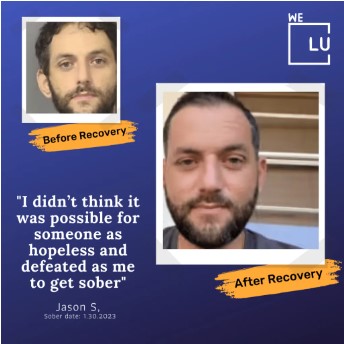
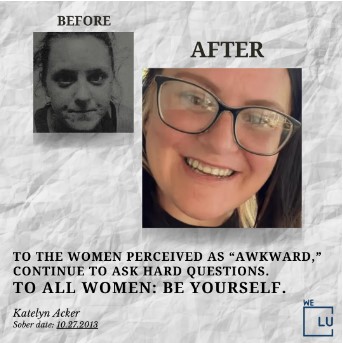
Experience Transformative Recovery at the We Level Up Treatment Center.
See our authentic success stories. Get inspired. Get the help you deserve.
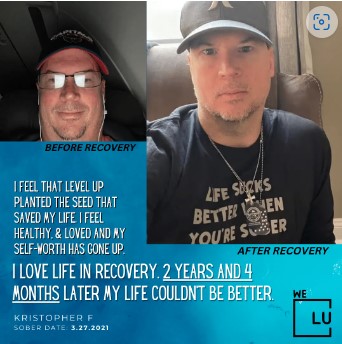
Start a New Life
Begin with a free call to an addiction & behavioral health treatment advisor. Learn more about our dual-diagnosis programs. The We Level Up treatment center network delivers various recovery programs at each treatment facility. Call to learn more.
- Personalized Care
- Caring Accountable Staff
- Comfortable Amenities
- Licensed & Accredited
- Renowned w/ 5-Star Reviews
We’ll Call You
FAQs About Co Occurring Disorders
What are co occurring disorders?
They happen when a person has both a mental health condition and a substance use disorder at the same time.
What is dual diagnosis addiction mental health?
It means treating mental health and addiction together so both conditions improve and recovery becomes more stable over time.
Why are co occurring disorders treatment programs important?
They treat both issues together, which leads to better results and reduces the chance of relapse and long-term complications.
How does We Level Up NJ offer help with co-occurring disorders?
We provide therapy, medical care, and structured programs that support full recovery and help improve mental and emotional stability.
What is integrated treatment for co-occurring disorders?
It means taking care of both mental health and drug abuse issues at the same time, in a way that helps with long-term recovery and stability.
Can recovery from co-occurring disorders happen?
Yes, with proper care, support, and time, people can manage symptoms, reduce substance use, and build healthier lives.
Search We Level Up NJ Co-Occurring Disorder & Resources
Take a Step Forward
Living with both mental health challenges and substance use can feel overwhelming. You may feel unsure about what to do or where to begin. These feelings are common, but help is within reach. At We Level Up NJ, we provide care that meets you where you are.
Our team offers support, structure, and guidance as you begin your recovery journey. Call (877) 378-4154 or verify your insurance online to schedule a consultation. Taking this first step can help you move toward a healthier and more stable future.
Ready to get started? Call (201)389-9370 or email verifyadmissions@welevelup.com today. A better life is waiting for you.