Understanding codeine addiction
When you first started taking codeine, it may have been to ease pain or suppress a cough. Codeine belongs to a class of opioid medications prescribed for pain, coughing, and diarrhea when used as directed by a doctor [1]. However, as tolerance builds you might find yourself needing higher doses to achieve the same relief. Over time, this can lead to physical dependence and an opioid use disorder.
Recognizing how codeine affects you
Codeine converts in your body to morphine, binding to opioid receptors that dull pain signals. With repeated use, your brain adapts, requiring more drug to feel normal. These changes can interfere with daily routines, relationships, and mental health.
Recognizing codeine misuse
You might be experiencing any of the following signs:
- Increasing your dose without medical advice
- Experiencing cravings or withdrawal symptoms between doses
- Neglecting responsibilities at work, school, or home
- Hiding pill bottles or engaging in “doctor shopping”
- Feeling anxious or irritable when you can’t access codeine
As a result of these unique challenges, seeking a supportive environment with tailored treatment programs becomes essential for lasting recovery.
Preparing for treatment
Taking that first step toward a codeine rehab program means planning ahead to set yourself up for success. With the right preparation you can focus fully on healing and recovery.
Completing intake assessment
Your journey typically begins with a comprehensive assessment conducted by medical and clinical staff. You will discuss:
- Medical history and co-occurring health conditions
- Your pattern of codeine use and previous treatment attempts
- Mental health screening for anxiety, depression, or other disorders
This personalized evaluation informs an individualized plan that addresses all facets of your well being.
Considering insurance and costs
Understanding your financial options can ease stress before treatment starts. Ask about:
- Insurance coverage for inpatient detox and rehab services
- Sliding-scale fees or scholarships offered by facilities
- Out-of-pocket estimates for program length
Proactively verifying benefits ensures you can focus on recovery rather than unexpected bills.
Planning for admission
Packing thoughtfully helps you feel comfortable. Bring:
- A valid photo ID and insurance information
- Loose, comfortable clothing and personal hygiene items
- Any prescribed medications, safely stored
Avoid bringing anything not approved by the facility. Clear guidelines create a supportive environment and help you adjust smoothly to inpatient life.
Get Help. Get Better. Get Your Life Back.
Searching for Accredited Drug & Alcohol Rehab Centers Near You? Or Mental Health Support?
Even if you have failed previously, relapsed, or are in a difficult crisis, we stand ready to support you. Our trusted behavioral health specialists will not give up on you. Call us when you feel ready or want someone to speak to about therapy alternatives to change your life. Even if we cannot assist you, we will lead you wherever you can get support. There is no obligation. Call our hotline today.
FREE Addiction Hotline – Call 24/7Medical detox overview
Detoxification is the first clinical phase of a codeine rehab program. It focuses on stabilizing your body while managing withdrawal symptoms under medical supervision.
What detox involves
During detox you will:
- Arrive at a prescription pill detox center for 3 to 7 days
- Receive round-the-clock monitoring of vital signs
- Be evaluated daily to adjust your medication plan
Detox alone is not sufficient for lasting recovery. It should be followed by comprehensive therapy to address the underlying causes of addiction [2].
Medications for withdrawal
FDA-approved medications can ease discomfort and reduce relapse risk. Below is a summary of common options:
| Medication | Type | Purpose |
|---|---|---|
| Methadone | Full opioid agonist | Prevents withdrawal and relieves cravings |
| Buprenorphine | Partial opioid agonist | Lowers cravings with lower overdose risk |
| Naltrexone | Opioid antagonist | Blocks opioid receptors to prevent relapse |
| Lofexidine | Alpha-2 adrenergic agonist | Reduces physical symptoms of withdrawal |
Methadone
Methadone is a long-acting opioid agonist that prevents withdrawal and controls cravings. It has been used safely in specialized clinics for over 40 years [3]. You will receive carefully adjusted doses to stabilize your system.
Buprenorphine
This partial agonist binds to opioid receptors with a ceiling effect, reducing the risk of respiratory depression. Certified providers can prescribe it in an office setting, and recent implantable or injectable forms eliminate daily dosing.
Naltrexone
As an antagonist, naltrexone blocks the effects of opioids at the receptor level. Injectable, long-acting versions help individuals who struggle with daily medication adherence maintain opioid freedom.
Lofexidine
Not an opioid, lofexidine targets the brain’s adrenergic system to reduce withdrawal symptoms such as anxiety, sweating, and muscle aches. It is an FDA-approved non-opioid option.
Managing withdrawal symptoms
In addition to medications you will receive supportive care to ease:
- Hydration and nutritional support
- Over-the-counter remedies for nausea, diarrhea, or pain
- Comfort measures like blankets, pillows, and warm fluids
Furthermore, staff will monitor your emotional wellbeing and offer coping techniques to handle discomfort.
Importance of supervision
Medical supervision during detox can prevent complications such as severe dehydration, heart rhythm issues, or in rare cases, seizures. Having healthcare professionals available 24/7 ensures your safety and comfort.

Get Your Life Back
Find Hope & Recovery. Get Safe Comfortable Detox, Addiction Rehab & Mental Health Dual Diagnosis High-Quality Care at the We Level Up Treatment Centers Network.
Hotline (877) 378-4154Exploring therapeutic approaches
Once detox is complete, therapy becomes the cornerstone of your recovery, helping you understand and change behaviors linked to codeine misuse.
Individual counseling
One-on-one sessions with a licensed therapist allow you to:
- Identify emotional triggers and underlying issues
- Develop coping strategies for stress and cravings
- Work through trauma or mental health disorders
This tailored approach supports comprehensive care and addresses your unique challenges.
Group therapy sessions
In a group setting you can:
- Share experiences with peers facing similar struggles
- Practice communication and relapse prevention skills
- Build a network of support and accountability
Mutual help groups such as Narcotics Anonymous offer fellowship and structure to reinforce long-term recovery [4].
Family therapy
Addiction affects everyone close to you. Family sessions can:
- Improve communication and rebuild trust
- Educate loved ones about codeine dependence
- Establish boundaries and support systems
A supportive environment at home fosters continued progress after formal treatment ends.
Behavioral therapies
Evidence-based therapies help modify attitudes and actions related to codeine use:
Cognitive behavioral therapy
CBT teaches you to recognize and reframe negative thought patterns, replacing them with healthier behaviors. This approach reduces relapse risk by equipping you with practical tools.
Motivational interviewing
A collaborative, person-centered technique that strengthens your motivation for change and resolves ambivalence about sobriety.
Contingency management
A reward-based system that reinforces positive behaviors like attending sessions and maintaining abstinence.
Utilizing supportive services
Beyond core therapies, additional services can enhance your wellbeing and resilience.
Holistic therapies
Complementary approaches address mind and body, including:
- Yoga and meditation to reduce anxiety
- Art or music therapy for emotional expression
- Nutritional counseling to restore health
These methods promote overall wellness and support lasting recovery.
Peer support groups
Connecting with others in recovery offers empathy and accountability. You may participate in:
- Alumni networks at your treatment facility
- Community-based programs and sober social events
- Online forums and virtual meetings
Shared experiences foster camaraderie and mutual encouragement.
Aftercare planning
Early planning for life after rehab is crucial. Your team will help you:
- Arrange outpatient counseling or intensive outpatient programs
- Identify local support meetings and sponsors
- Develop a schedule balancing work, therapy, and self-care
A structured aftercare plan reduces the risk of relapse and reinforces your individualized path to recovery.
Setting recovery goals
Clear goals guide your progress and keep you motivated as you move through treatment and beyond.
Developing personal plans
In collaboration with your care team you will:
- Set short-term objectives, such as completing detox
- Define mid-term milestones, like mastering coping skills
- Outline long-term aims, for example maintaining six months of sobriety
Your personalized plan should reflect your values and strengths, ensuring meaningful engagement.
Tracking progress
Regular check-ins and measurable outcomes help you stay on track:
- Use journals or apps to record moods, triggers, and achievements
- Participate in weekly reviews with your therapist or case manager
- Adjust your goals as you gain new insights
Ongoing evaluation fosters accountability and celebrates every step forward.
Life after rehab
Sustaining recovery requires vigilance, support, and a commitment to the lifestyle changes you’ve made.
Maintaining support network
Continuing connections is essential. You can:
- Attend weekly recovery meetings or alumni events
- Schedule regular therapy or coaching sessions
- Lean on friends and family who understand your journey
A strong network provides encouragement and accountability.
Preventing relapse
Relapse prevention involves:
- Recognizing high-risk situations and developing exit plans
- Using coping strategies like deep breathing or calling a helpline
- Revisiting your aftercare plan at signs of stress or craving
Remember relapse can be a signal to seek additional help rather than a personal failure.
Choosing the right facility
Selecting a treatment provider that aligns with your needs sets the foundation for successful recovery.
Factors to evaluate
Consider these key elements:
- Accreditation and licensing
- Range of treatment modalities offered
- Credentials of medical and clinical staff
- Facility setting, amenities, and level of privacy
- Aftercare programs and alumni support
- Insurance acceptance and transparent pricing
Facility comparison table
| Factor | What to look for |
|---|---|
| Accreditation | Joint Commission, CARF |
| Treatment modalities | Medically supervised detox, CBT, group therapy |
| Staff credentials | Board-certified physicians, licensed therapists, nurses |
| Setting | Private rooms, communal spaces, outdoor areas |
| Aftercare support | Alumni network, outpatient follow-up, family programs |
| Insurance & cost | Accepted plans, clear cost estimates, financial aid |
By weighing these considerations you can choose a setting that offers both comprehensive care and the support necessary for lasting recovery.
Reach out to a codeine rehab treatment center today to learn how you can begin your personalized path to wellness. Remember, you do not have to face codeine dependence alone; with the right program and a supportive team you can rebuild your life, restore your health, and embrace hope for the future.
References
- (National Institute on Drug Abuse)
- (National Institute on Drug Abuse)
- (National Institute on Drug Abuse)
- (National Institute on Drug Abuse)
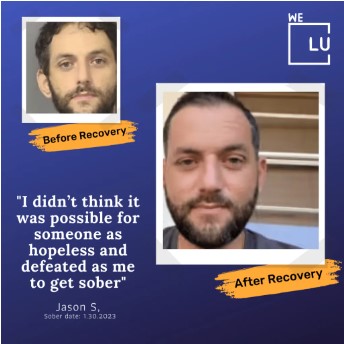
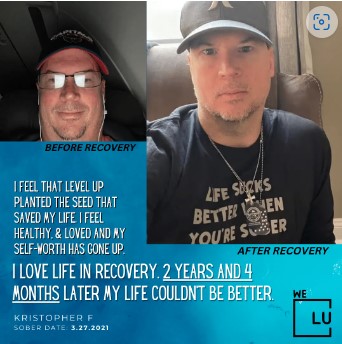
Experience Transformative Recovery at the We Level Up Treatment Center.
See our authentic success stories. Get inspired. Get the help you deserve.

Start a New Life
Begin with a free call to an addiction & behavioral health treatment advisor. Learn more about our dual-diagnosis programs. The We Level Up treatment center network delivers various recovery programs at each treatment facility. Call to learn more.
- Personalized Care
- Caring Accountable Staff
- Comfortable Amenities
- Licensed & Accredited
- Renowned w/ 5-Star Reviews