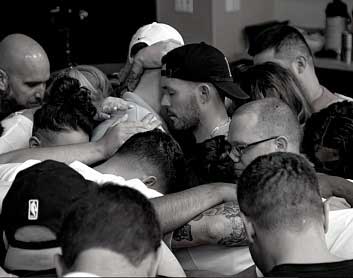

Self-Forgiveness in Recovery and Healing is a powerful step toward lasting sobriety and peace. Many people feel guilt and shame after addiction, and these feelings can feel heavy each day. Self-forgiveness in recovery helps you let go of that weight so you can move forward. It does not mean you forget the past or ignore harm. It means you accept what happened and choose to grow. When you practice self-forgiveness in addiction recovery, you build hope and strength. You also support emotional healing in sobriety and improve your recovery mindset growth. With the right support, letting go of shame in recovery becomes possible. Healing starts when you decide you deserve a fresh start.
Table of Contents
Get Help. Get Better. Get Your Life Back.
Searching for Accredited Drug & Alcohol Rehab Centers Near You? Or Mental Health Support?
Even if you have failed previously, relapsed, or are in a difficult crisis, we stand ready to support you. Our trusted behavioral health specialists will not give up on you. Call us when you feel ready or want someone to speak to about therapy alternatives to change your life. Even if we cannot assist you, we will lead you wherever you can get support. There is no obligation. Call our hotline today.
FREE Addiction Hotline – Call 24/7Why Self-Forgiveness Matters in Recovery and Healing?
Self-forgiveness matters in recovery and healing because guilt can feel very heavy. Many people in recovery think about past mistakes every day. They may feel shame about how addiction has hurt their health or family. These thoughts can cause stress, sadness, and fear. When shame grows, it can lead to anger or even relapse. Self-forgiveness in recovery helps break this cycle. It allows a person to say, “I made mistakes, but I can change.” This simple shift brings hope. It also supports emotional healing in sobriety. When people practice self-forgiveness in addiction recovery, they feel lighter inside. They begin to believe they deserve a better life.
Healing takes time, and it takes kindness toward yourself. Letting go of shame in recovery does not mean you forget the past. It means you learn from it and move forward. Self-forgiveness helps build trust in yourself again. It supports healthy choices each day. As guilt fades, confidence can grow. This growth strengthens recovery mindset growth and long-term sobriety. People who forgive themselves often stay more engaged in treatment. They talk more openly in therapy and ask for help when needed. In the end, self-forgiveness is not weakness. It is a strength that supports true recovery and healing.
Common Signs You Need Self-Forgiveness in Recovery and Healing
- Difficulty trusting yourself or others
- Constant guilt about past addiction choices
- Harsh self-talk or negative thoughts
- Avoiding friends, family, or support groups
- Trouble sleeping due to regret or worry
- Feeling unworthy of sobriety or success
- Relapse triggers linked to shame or fear
Get Your Life Back
Find Hope & Recovery. Get Safe Comfortable Detox, Addiction Rehab & Mental Health Dual Diagnosis High-Quality Care at the We Level Up Treatment Centers Network.
Hotline (877) 378-4154Why Choose We Level Up NJ for Recovery and Healing Support?
We Level Up NJ helps people learn self-forgiveness in recovery and healing in a safe, caring space. Our team includes doctors, therapists, and counselors who understand both addiction and mental health. Clients receive personal care plans that fit their needs. Each plan combines therapy, medical care, and support to guide emotional healing in sobriety. With our help, people can let go of shame in recovery and rebuild trust in themselves. Our programs focus on recovery mindset growth so clients feel stronger every day.
At We Level Up NJ, we use proven therapies to support self-forgiveness in addiction recovery. Cognitive behavioral therapy, group sessions, and trauma-informed care help clients process guilt and shame. Peer support encourages sharing and learning from others who understand the journey. Staff work closely with each person to practice coping skills and healthy habits. Choosing We Level Up NJ means getting help that treats the whole person. Clients leave with tools for lasting change, emotional healing, and confidence to maintain sobriety. We guide every step toward a healthier, balanced life.
Ready to get started? Call (201)389-9370 or email verifyadmissions@welevelup.com today. A better life is waiting for you.
Your Journey Through Self-Forgiveness in Recovery and Healing
Starting self-forgiveness in recovery and healing can feel hard, but it is an important step toward lasting change. The journey begins with a full assessment by our clinical team. We review your medical history, mental health needs, and past substance use. This helps us create a personal care plan just for you. Each step is explained clearly so you feel safe and supported. Early in recovery, people often struggle with guilt, shame, or regret. Recognizing these feelings is the first part of healing.
Therapy plays a key role in your journey. You will attend individual and group sessions to work through negative thoughts. Cognitive behavioral therapy and trauma-informed care help you replace guilt with understanding. Peer support groups allow you to share experiences with others who understand your struggles. You will also learn tools to handle triggers that may lead to relapse. Daily practice of self-kindness strengthens emotional healing in sobriety and supports recovery mindset growth.
As you continue your journey, letting go of shame in recovery becomes easier. Self-forgiveness helps build confidence, trust, and healthier habits. With support from We Level Up NJ, you can move forward with hope and strength. This process does not erase the past, but it empowers you to live a balanced life. Each day of healing brings new progress, renewed commitment to sobriety, and a brighter outlook for your future.
Comfortable Facilities & Amenities
High-Quality Addiction & Mental Health Rehabilitation Treatment
Rehab Centers TourRenowned Addiction Centers. Serene Private Facilities. Inpatient rehab programs vary.
Addiction Helpline (877) 378-4154Proven recovery success experience, backed by a Team w/ History of:
15+
Years of Unified Experience
100s
5-Star Reviews Across Our Centers
10K
Recovery Success Stories Across Our Network
- Low Patient to Therapist Ratio
- Onsite Medical Detox Center
- Comprehensive Dual-Diagnosis Treatment
- Complimentary Family & Alumni Programs
- Coaching, Recovery & Personal Development Events
Benefits of Self-Forgiveness in Recovery and Healing
- Stronger self-esteem and confidence
- Reduced shame and guilt triggers
- Better mental health stability
- Improved family and social relationships
- Greater commitment to sobriety
- Healthier recovery mindset growth
How to Begin Your Journey of Self-Forgiveness in Recovery and Healing?
Taking the first step toward self-forgiveness in recovery can feel hard, yet help is close. We Level Up NJ offers private and caring support for each client. Our admissions team can verify insurance and answer your questions quickly. Call (201) 389-9370 or email verifyadmissions@welevelup.com today to begin healing.
Our center is located at 276 Bakers Basin Rd, Lawrenceville, NJ 08648. We provide safe detox referrals, therapy, and full recovery planning. Do not let shame delay your progress any longer. Reach out now and start your path toward emotional healing in sobriety.
Ready to get started? Call (201)389-9370 or email verifyadmissions@welevelup.com today. A better life is waiting for you.
Experience Transformative Recovery at the We Level Up Treatment Center.
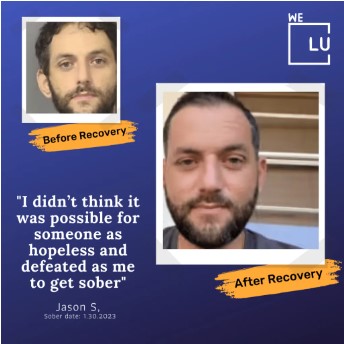
See our authentic success stories. Get inspired. Get the help you deserve.
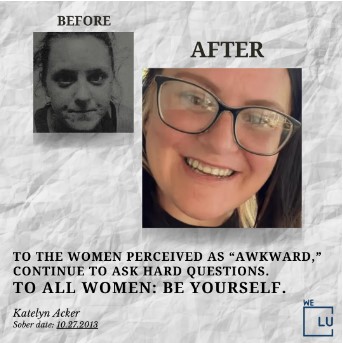
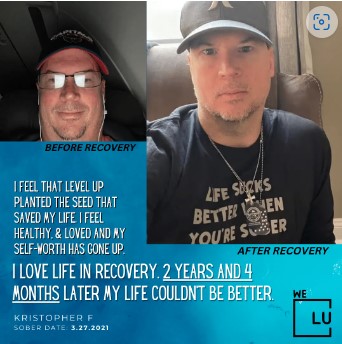
Start a New Life
Begin with a free call to an addiction & behavioral health treatment advisor. Learn more about our dual-diagnosis programs. The We Level Up treatment center network delivers various recovery programs at each treatment facility. Call to learn more.
- Personalized Care
- Caring Accountable Staff
- Comfortable Amenities
- Licensed & Accredited
- Renowned w/ 5-Star Reviews
We’ll Call You
FAQs About Self-Forgiveness in Recovery and Healing
1. Why is self-forgiveness in recovery so important?
Self-forgiveness in recovery helps break the cycle of shame and relapse. When guilt builds, it can trigger cravings or self-sabotage. Forgiving yourself supports mental clarity and strength. This step allows true emotional healing in sobriety to begin.
2. Is self-forgiveness in addiction recovery the same as forgetting the past?
No, self-forgiveness in addiction recovery does not erase past actions. It means taking responsibility while choosing to grow. You learn from mistakes instead of living in them. This builds recovery mindset growth and lasting change.
3. How long does emotional healing in sobriety take?
Emotional healing in sobriety is different for each person. Some feel relief within weeks of therapy. Others need more time to process trauma and guilt. Ongoing support helps the healing continue at a healthy pace.
4. Can letting go of shame in recovery prevent relapse?
Yes, letting go of shame in recovery can reduce relapse risk. Shame often fuels isolation and negative thinking. When people feel supported, they are more likely to stay engaged. Healthy self-talk strengthens daily recovery habits.
5. What therapies support self-forgiveness in recovery?
Therapies like cognitive behavioral therapy and group counseling help greatly. Trauma-informed care can address deep pain from the past. Mindfulness and stress reduction also support healing. These tools work together to build strong coping skills.
6. Does insurance cover treatment for self-forgiveness in recovery?
Many insurance plans cover addiction and mental health treatment services. Coverage often includes therapy and structured programs. Our admissions team can verify benefits quickly and privately. Contact We Level Up NJ for help reviewing your plan.