
Adderall Effects: Uses, Risks, and Health Impact
Find Hope & Recovery At We Level Up Treatment New Jersey addiction treatment center you will find 5-star alcohol addiction treatment programs. Plus advanced drug rehab along with 24-hour comfortable detox treatment programs. Start today & get: We Level Up New Jersey Inpatient Rehab Detox Center Video Tour First-Class Alcohol & Drug Treatment Center We […]
Editor Yamilla Francese
Clinically Reviewed by Lauren Barry, LMFT, MCAP, QS
Medically Reviewed by Ali Nikbakht, PsyD
Updated on May 6, 2026 — Editorial Policy | Research Policy


Multi-State Retreats for Rehab Recovery Success.
PREMIER UPSCALE REHAB
ADDICTION DUAL DIAGNOSIS TREATMENT
WITH AN ON-SITE DETOX CENTER
The We Level Up national treatment center network offers drug & alcohol addiction rehab/detox plus dual-diagnosis mental health treatment from the east to the west coast.
Find Hope & Recovery
At We Level Up Treatment New Jersey addiction treatment center you will find 5-star alcohol addiction treatment programs. Plus advanced drug rehab along with 24-hour comfortable detox treatment programs. Start today & get:
- Top-rated addiction rehab detox
- Integrated Dual Diagnosis therapy
- Customized treatment programs
- Insurance may cover treatment cost
- Complementary client family & alumni program
- Licensed & accredited. Joint Commission National Quality Center Approval Gold Seal Recipient.
Join a National Addiction Center Destination.
We Level Up New Jersey rehab & detox center is part of the nationwide We Level Up drug & alcohol addiction center network. Offering dual diagnosis, recreational therapies & first-class amenities designed to improve recovery outcomes.
First-class Facilities & Amenities
World-class Addiction & Mental Health Rehabilitation Treatment Centers
We Level Up is a Renowned Addiction Rehab Program with Integrated Mental Health Dual-Diagnosis Treatment.
Residential inpatient programs vary. Call to learn more.
The national We Level Up treatment center network offers proven recovery success experience, backed by a Team w/ History of accreditations, recognitions, and industry leadership.


15+ Years Experience

100s of 5-Star Reviews

10K+ Recovery Successes

Low Patient to Therapist Ratio
Above are select We Level Up national residential centers network memberships, licenses, and attributions.
We Level Up New Jersey Inpatient Rehab Detox Center Video Tour

Evidence-Based Alcohol & Drug Rehab & Detox
Personalized care tailored to your success for lasting recovery
First-Class Alcohol & Drug Treatment Center

- Fully Licensed & Accredited
- Medical Detox, Inpatient Rehab Programs
- Evidence-Based & 12-Step Programs
- Most Insurance Accepted
- Concierge Transportation Services
- Master’s Level Addiction Therapists
- Strictly Confidential & Private
- Onsite Entertainment & Recreational Activities
- Dual Diagnosis Therapy Available
5-Star We Level Up treatment centers network Reviews.
The We Level Up addiction center network operates nationwide rehab and detox behavioral health treatment facilities. Call to learn more.


Jordan Hayes: Level Up has been a game changer for me. I was on the verge Of jail or death and it truly saved my life. The staff and community as a whole was incredible and was exactly what I needed at this crucial stage at the beginning of my recovery. Debi, Javier, Nina, Marvin, Lexi, Viv and Lauren, hats off to you my friends! You are all amazing and I love you all! Thank you for everything!

Garrett G: Can’t say enough good things about this Treatment center! The place was beautiful and the staff were so amazing and it gave me a new start on life and I have never been happier! I have been to other centers were they just don’t care about the patients but Level Up was great and were always there for me even after I left Treatment. Thank you guys so much!! Highly recommend Level Up!

Mike Greenway: The Level Up staff saved my life, I cannot thank them enough! It is a great place to start over and build your sober foundation. They have excellent groups, the staff is amazing and the facility itself is great. Fivestar chefs were beyond amazing. As I finished the program and wanted to transfer into another program, Ethan helped me above and beyond. I recommend this place
Free Insurance Verification
Did you know that your health insurance may cover the cost of addiction rehab treatment?
Call today to have your benefits verified at no cost. Accepting most detox rehab insurance plans.
100% Private / Insurance Accepted / Financial Assistance Available.
We will help you get started on the road to recovery.
We Level Up Treatment New Jersey is dedicated to providing quality care and effective treatment options for each and every client.
We Level Up Treatment New Jersey is certified through the Joint Commission, meaning our staff and facility meet the gold standard for treatment.

Level Up Gourmet Catered Meals.

Luxury Bedding. Hotel Style Maid Service.

Entertainment, Amenities & Releaxing Lounges.
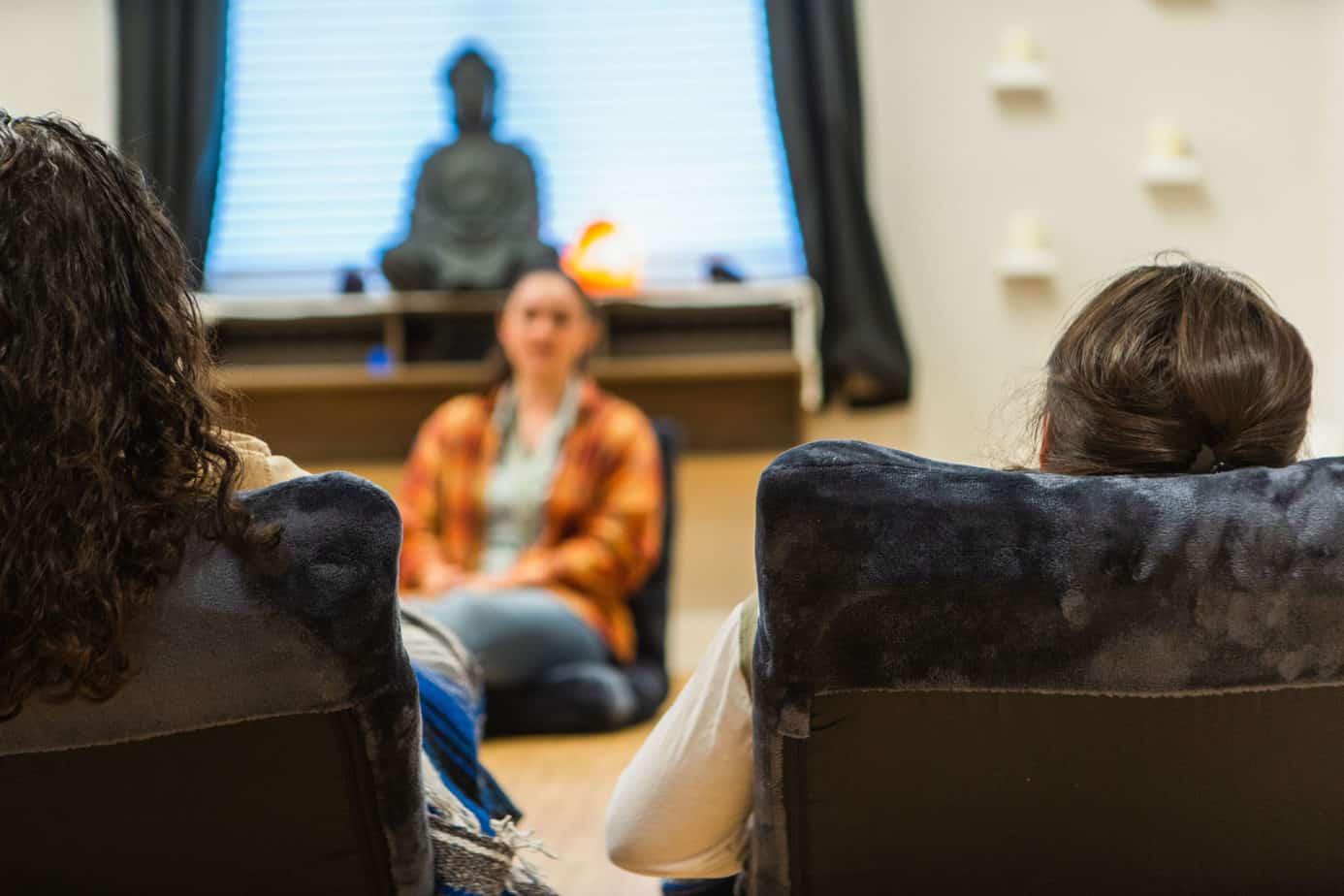
Advanced Clinical Therapy.
Comfortable Relaxing Group Spaces.

Dine at the Level Up Cafe.
SPEAK WITH A 24/7 ADDICTION SPECIALIST NOW!
We Level Up New Jersey treatment often surpasses expectations!
Joint Commission Certified
Our facility is accredited by the Joint Commission, which certifies the highest standard of addiction treatment.
1 on 1 Individualized Treatment
Every patient receives a customized treatment plan, tailored to meet their individual needs.
24/7 Medical & Clinical Support
Medical and clinical personnel are available around the clock to provide excellent care whenever it is needed.
Loving Our Clients Back to Health!
Our Philosophy: We Level Up works to produce liberation from addiction and co-occurring mental health chains that bind us. We strive to enable clients to operate at their fullest capacity in stable long-term recovery. Have you ever wondered why you’re always living with the same substance abuse or behavioral health problems over and over? Do you end up feeling like a victim? Or perhaps you repeat the same poor choices, which always lead to stress, anguish, and inevitable relapse. We Level Up treatment centers offer a solution to these grave challenges and the underlying illnesses that clients must face every day.
LEARN MORE ABOUT ALCOHOL TREATMENT
Alcohol Rehab
An individual who has been struggling with a moderate to severe alcohol use disorder (alcohol addiction) has a significant likelihood of developing withdrawal symptoms and could benefit from the help of a detox program.
The longer and heavier the drinking, the more prolonged and more severe detox will be. For this reason, going through the process sooner than later, and getting help, is critical to recovery.
Once fully admitted and evaluated, the 2nd stage of detox gets underway: stabilization. Based on the data provided during the admissions process, patient feedback, and the symptoms observed; our experienced team of medical addiction professionals will provide care to keep the patient stable and as comfortable as possible.
Learn More About Drug Addiction Treatment
We Level Up Drug Rehab
The inpatient rehab system in a drug abuse treatment center consists of medical treatment, withdrawal management, and individual, family, and group counseling.
Medical Treatment: Inpatient treatment includes medical care to support you further as you take your first steps in recovery.
Withdrawal Management: Clinical care in inpatients helps alleviate adverse side effects as a person faces lingering withdrawal symptoms.
Individual, Family, and Group Therapy: Individual counseling, family counseling, and group therapy are included in inpatient rehab services.
Recreational Therapy: In inpatient care, you can access a range of recreational amenities to enhance your physical and mental health.
Photo Tour


Specializing in Drug Addictions & Co-occuring Disorders
Help for Dual Diagnosis Behavioral Health Disorders
If you have substance abuse disorders, you need and deserve proper help. A professional recovery center will help treat your addiction. They’ll also help you understand the underlying triggers. Often, the underlying reason for drug and or alcohol addiction is other mental health disorders. These multiple disorders can be treated with the right medication and therapy programs offered at We Level Up residential addiction centers. Dual diagnosis treatment is a complex process because there is no one therapy that can guarantee complete rehabilitation. Nevertheless, a thorough examination of the symptoms and their pertinent addictions drive the core of the recovery programs.
Because of the complex character of co-occurring disorders, an inpatient residential facility is always the gold standard for dual-diagnosis therapy. Accordingly, the patient will be provided with a combination of extensive intensive behavioral health addiction therapy programs. Unlike outpatient therapy, patients are monitored and supervised 24 hours, decreasing the instance of relapse. The We Level Up addiction center customizes treatment for each client to improve recovery outcomes.
LEARN MORE ABOUT HOW WE CAN SUPPORT YOU
We’re Ready To Help
Whether you are attempting to quit using drugs or alcohol, the professionals at We Level Up New Jersey treatment center are available to help. Our experienced and compassionate staff members are accessible 24-hours a day to help our patients with anything and everything they may need. We have licensed medical professionals and seasoned psychiatrists in-house, all of whom work together to provide the most comfortable and pain-free addiction treatment experience possible. For more information on our comprehensive program or our state-of-the-art facility, please feel free to contact us today.
Need Help? Have Questions?
Privacy Assured
Copyright © 2022.