
Psychotic Disorders Symptoms & Support in New Jersey
Your mental health can change the way you think, feel, and see the world. For them and their family, losing touch with reality can be scary and hard to understand. The name for these diseases is psychotic disorders. They’re very bad, but they can be fixed with the right help and care.
If you or someone you love is struggling with psychotic disorders, We Level Up NJ offers structured mental health treatment in a safe and supportive setting.

Table of Contents

Get Your Life Back
Find Hope & Recovery. Get Safe Comfortable Detox, Addiction Rehab & Mental Health Dual Diagnosis High-Quality Care at the We Level Up Treatment Centers Network.
Hotline (877) 378-4154What Are Psychotic Disorders
Psychotic disorders are mental illnesses that change the way a person sees and understands the world. Some people can hear or see things that aren’t there. They might not believe what you say, even if you show them proof. It’s called insanity when these things happen.
This is not a sign of weakness. This is a sickness that impacts the brain. In some types of psychotic disorders and other psychosis mental health conditions, it can happen.
A lot of people learn how to deal with their conditions and live stable lives with help.
What Causes Psychosis?
There isn’t just one reason. There are many things that can lead to psychosis. There may be a role for genes. Things that happen in the brain can also change how someone thinks and feels.
Symptoms can be brought on by stress, pain, drug use, and not getting enough sleep. Psychosis can sometimes be caused by health problems or extreme depression.
These are considered severe mental illness disorders because they affect daily life, relationships, and safety. It’s important to get help right away.

Common Psychotic Disorder Symptoms
These signs can look different for each person. Some might show up slowly. Some people might just show up.
One section with bullet points:
You may notice these psychotic disorder symptoms:
- Hearing voices or seeing things that others do not see.
- Strong false beliefs that do not change with facts
- Confused thinking or trouble speaking clearly
- Extreme fear or paranoia
- Social withdrawal or loss of interest in normal activities
It’s possible for these signs to feel very real and scary. They need medical care and help emotionally.
Get Help. Get Better. Get Your Life Back.
Searching for Accredited Drug & Alcohol Rehab Centers Near You? Or Mental Health Support?
Even if you have failed previously, relapsed, or are in a difficult crisis, we stand ready to support you. Our trusted behavioral health specialists will not give up on you. Call us when you feel ready or want someone to speak to about therapy alternatives to change your life. Even if we cannot assist you, we will lead you wherever you can get support. There is no obligation. Call our hotline today.
FREE Addiction Hotline – Call 24/7Psychotic Disorders Types
Various psychotic disorders types exist. Each one has a unique set of symptoms.
Schizophrenia
As a psychotic disease, schizophrenia is one of the best-known ones. It often includes delusions, hallucinations, and thoughts that aren’t clear. The symptoms typically last at least 6 months and interfere with daily life.
Schizoaffective Disorder
People with this condition have psychotic signs as well as mood disorders like bipolar disorder or depression. People can have both dreams and big changes in their mood.
Psychotic Disorder
This kind comes on quickly and might not last more than a month. It can be brought on by a lot of worry or trauma.
Delusional Disorder
People with this disease may have strong false beliefs, but may be able to go about their daily lives normally in other ways.
Substance-Induced Psychosis
Drug or alcohol use can lead to psychosis. This happens a lot when people are coming off of stimulants or booze too hard. In these situations, people need help with both their mental health and their addiction.
Comfortable Facilities & Amenities
High-Quality Addiction & Mental Health Rehabilitation Treatment
Rehab Centers TourRenowned Addiction Centers. Serene Private Facilities. Inpatient rehab programs vary.
Addiction Helpline (877) 378-4154Proven recovery success experience, backed by a Team w/ History of:
15+
Years of Unified Experience
100s
5-Star Reviews Across Our Centers
10K
Recovery Success Stories Across Our Network
- Low Patient to Therapist Ratio
- Onsite Medical Detox Center
- Comprehensive Dual-Diagnosis Treatment
- Complimentary Family & Alumni Programs
- Coaching, Recovery & Personal Development Events
How Psychosis Mental Health Conditions Affect Daily Life
When someone is psychotic, they see things differently. It can make even small jobs seem impossible. Performance at work and school may get worse. Relationships can get worse.
Someone might feel scared or alone. They might not trust other people. Often, family members feel lost or powerless.
Because these are severe mental illness disorders, structured care is often required to get back on track.
The Link Between Psychosis and Addiction
Using drugs can both cause and make mental symptoms worse. Some people use drugs to deal with ghosts or fears. Over time, using drugs can make you more confused and paranoid.
This starts a loop. The mental health problem gets worse. More people are using drugs. Without skilled care, it gets harder to get better.
When someone has both addiction and psychosis, they need help for both at the same time. The name for this is dual illness care.
World-class, Accredited, 5-Star Reviewed, Effective Addiction & Mental Health Programs. Complete Behavioral Health Inpatient Rehab, Detox plus Co-occuring Disorders Therapy.
CALL (877) 378-4154End the Addiction Pain. End the Emotional Rollercoaster. Get Your Life Back. Start Drug, Alcohol & Dual Diagnosis Mental Health Treatment Now. Get Free No-obligation Guidance by Substance Abuse Specialists Who Understand Addiction & Mental Health Recovery & Know How to Help.
How Are Psychotic Disorders Diagnosed?
A licensed mental health professional completes a full assessment. Diagnosis includes:
- Medical history
- Mental health history
- Substance use history
- Current symptoms
- Risk of harm to self or others
Doctors may also rule out medical causes through lab tests. A clear diagnosis helps create a safe treatment plan.

Treatment Options for Psychotic Disorders
Medication, therapy, and organized support are often part of treatment.
Medications called antipsychotics can help lessen hallucinations and illusions. Therapy helps people learn how to deal with problems and stay emotionally stable. Family education helps people understand and talk to each other better.
Group treatment is helpful to many people as well. Support groups help people feel less alone. Finding out that other people are going through the same things can help.
Many people can control their symptoms and live full lives with the right care.
Why Early Treatment Matters
Without help, psychosis can get worse. The chance of needing to go to the hospital or acting in a dangerous way may go up if there are delays.
Getting help early cuts down on long-term problems. It helps keep relationships safe. It makes healing better.
Seeking help right away can make a big difference if you notice early psychotic disorder symptoms.
Living With a Severe Mental Illness Disorder
People who live with a mental disorder need ongoing care. Being perfect is not a part of recovery. It has to do with help and stability.
Healthy habits are important. Getting enough sleep, eating well, and dealing with stress can all help lower the risk of recurrence. Not skipping doses of medicine is also important.
Therapy teaches people how to control their emotions. It takes time for faith to grow. People are taught to spot early danger signs. It takes time to get better, but you can make an improvement.
Signs It Is Time to Seek Immediate Help
You should seek urgent care if you notice:
- Threats of self-harm or harm to others
- Severe confusion or inability to care for basic needs
- Intense paranoia that causes unsafe behavior
In emergencies, medical attention should not be delayed.
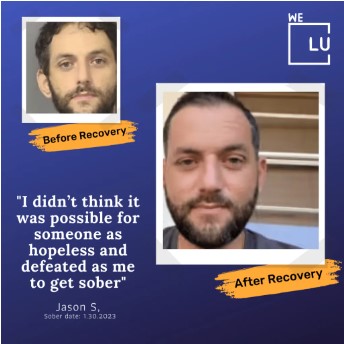
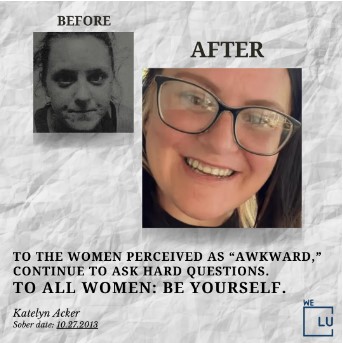
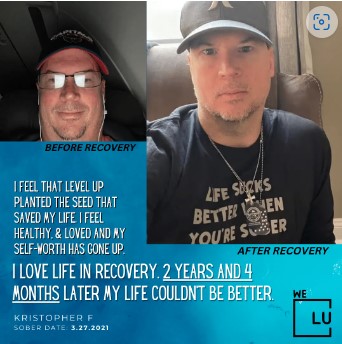
Experience Transformative Recovery at the We Level Up Treatment Center.
See our authentic success stories. Get inspired. Get the help you deserve.
Start a New Life
Begin with a free call to an addiction & behavioral health treatment advisor. Learn more about our dual-diagnosis programs. The We Level Up treatment center network delivers various recovery programs at each treatment facility. Call to learn more.
- Personalized Care
- Caring Accountable Staff
- Comfortable Amenities
- Licensed & Accredited
- Renowned w/ 5-Star Reviews
We’ll Call You
Why Choose We Level Up NJ
Choosing treatment can feel overwhelming. Many people fear judgment or stigma. They may also feel ashamed or afraid of hospitalization.
We Level Up NJ provides structured care for individuals facing psychotic disorders and other psychosis mental health conditions. Treatment includes psychiatric evaluation, medication management, therapy, and dual diagnosis support when substance use is involved.
Care plans are personalized. The goal is safety, emotional stability, and long-term healing. If you are searching for professional support for severe mental illness disorders, We Level Up NJ offers a safe and respectful environment where recovery is taken seriously.
Ready to get started? Call (201)389-9370 or email verifyadmissions@welevelup.com today. A better life is waiting for you.
What Happens After Stabilization
Once the symptoms are under control, therapy will continue. Many clients keep getting help by going to outpatient services.
Having family involved can help with healing. Family and friends can better prepare when you teach them.
Planning to avoid relapse is also important. Long-term stability is protected by spotting early danger signs.
It’s not easy to heal, but you can make steady progress.
FAQs
What are psychotic disorders?
Psychotic disorders are mental health conditions where a person loses touch with reality and may experience hallucinations or delusions.
What are the types of psychotic disorders?
Types include schizophrenia, schizoaffective disorder, brief psychotic disorder, delusional disorder, and substance-induced psychosis.
What are the symptoms of a psychotic disorder?
Psychotic disorder symptoms may include hearing voices, seeing things that are not there, strong false beliefs, paranoia, and confused thinking.
What are the mental health conditions?
Psychosis is a mental health condition where a person struggles to tell what is real, often including hallucinations and delusions.
Are psychotic disorders severe mental illness disorders?
Yes. Psychotic disorders are considered severe mental illness disorders because they can affect safety, thinking, relationships, and daily functioning.
How does We Level Up Lawrenceville NJ help?
We Level Up Lawrenceville NJ provides psychiatric assessment, medication management, structured therapy, dual diagnosis care, and long-term recovery planning.
Take the First Step Toward Stability and Hope
Living with psychotic disorders can feel terrifying and lonely. You may feel like your mind is not your own. You may feel afraid to speak up. But you are not broken. You are facing a medical condition that needs real care and real compassion.
Treatment can reduce fear. It can quiet symptoms. It can restore hope.
Call (877) 378-4154 to speak with We Level Up NJ today. This private call can be the moment you choose safety, clarity, and a future where healing truly feels possible.
Ready to get started? Call (201)389-9370 or email verifyadmissions@welevelup.com today. A better life is waiting for you.