
Primary Insomnia: Causes, Symptoms, and Treatment
Sleep should feel natural. Your body should grow tired at night and wake up refreshed in the morning. But for some people, sleep becomes a nightly battle. Hours pass. The mind will not slow down. The body will not rest. This condition is called primary insomnia.
It is a sleep disorder that is not caused by another medical problem, substance use, or mental illness. It can feel exhausting and confusing.
We Level Up NJ offers structured help in a safe and caring setting if your sleep problems are getting in the way of your daily life.
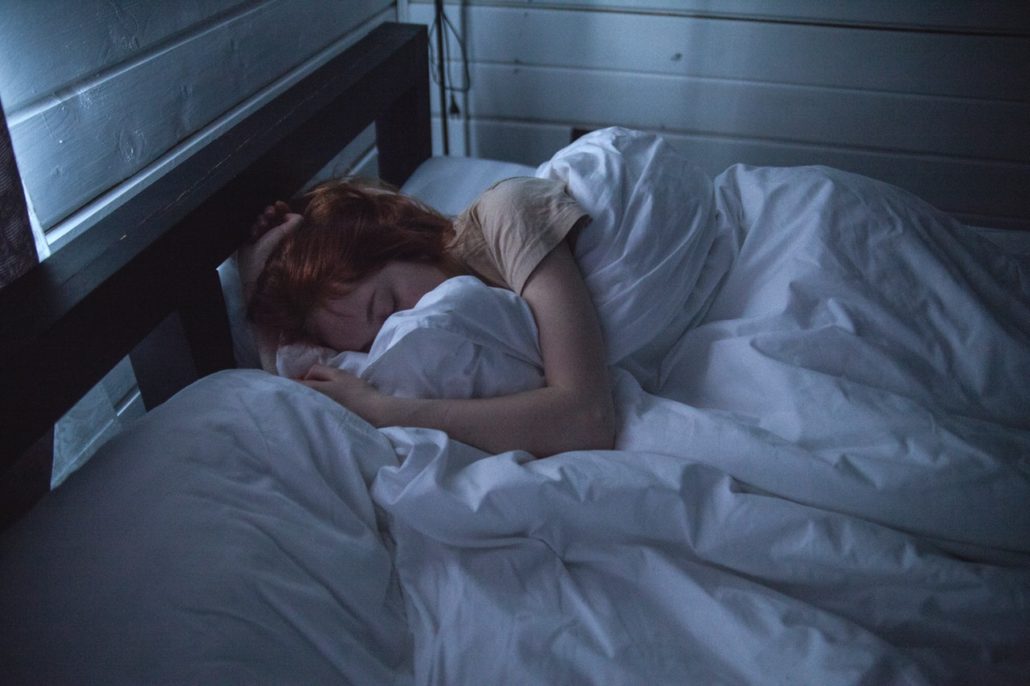
Table of Contents

Get Your Life Back
Find Hope & Recovery. Get Safe Comfortable Detox, Addiction Rehab & Mental Health Dual Diagnosis High-Quality Care at the We Level Up Treatment Centers Network.
Hotline (877) 378-4154What Is Primary Insomnia
A person with primary insomnia has trouble falling asleep, staying asleep, or waking up feeling rested. This isn’t caused by another health problem. It’s a sleep problem in and of itself.
This sickness might last for several weeks, months, or even years. Not getting enough sleep can change your mood, energy, attention, and emotional balance over time. Many people are upset because they can’t fall asleep no matter how hard they try.
Get the right sleep disorder diagnosis to rule out medical reasons and confirm if the main problem is insomnia.

Understanding Primary Insomnia Symptoms
Each person’s sleep issues can look different. Some people have trouble at the start of the night. Some people wake up a lot. Some people wake up very early and can’t fall back asleep.
Common Primary Insomnia Symptoms
- Trouble falling asleep even when tired
- Waking up often during the night
- Waking too early and not feeling rested
- Daytime fatigue and low energy
- Trouble focusing or remembering
- Irritability or mood swings
You might think these main insomnia symptoms aren’t that bad at first. They can have an effect on your job, relationships, and mental health over time.
Get Help. Get Better. Get Your Life Back.
Searching for Accredited Drug & Alcohol Rehab Centers Near You? Or Mental Health Support?
Even if you have failed previously, relapsed, or are in a difficult crisis, we stand ready to support you. Our trusted behavioral health specialists will not give up on you. Call us when you feel ready or want someone to speak to about therapy alternatives to change your life. Even if we cannot assist you, we will lead you wherever you can get support. There is no obligation. Call our hotline today.
FREE Addiction Hotline – Call 24/7What Causes Insomnia When Nothing Seems Wrong
Chronic insomnia causes are a common question. If you’re not sick, why does it feel like you can’t fall asleep?
It is possible for the brain and nervous system to get too excited. Stress, worry, and having fast-moving thoughts can train the brain to stay awake at night. The body may stay in “wake mode” even after the worry wears off. Fear of not being able to sleep can make the problem worse over time. The mind might start to connect the bed with anger instead of relaxation.
Common chronic insomnia causes may include:
- Long-term stress
- Trauma history
- Poor sleep habits
- Irregular schedules
- Anxiety patterns
- Emotional overload
When insomnia continues for months, it often becomes a cycle. The body forgets how to relax at night.
How Primary Insomnia Affects Mental Health
Sleep and mental health go hand in hand. If the problem persists, the mental health impact can be severe.
Without rest, the brain struggles to regulate emotions. Small problems may feel overwhelming. Anxiety may increase. Depression symptoms can worsen. Patience becomes harder.
Some people begin to feel hopeless about sleep. They may avoid social activities because they feel tired. They may rely on caffeine or alcohol to cope, which can worsen sleep patterns.
Lack of sleep can make you more likely to develop mood disorders and anxiety problems if it lasts for a long time. Which is why planned care is important.
Comfortable Facilities & Amenities
High-Quality Addiction & Mental Health Rehabilitation Treatment
Rehab Centers TourRenowned Addiction Centers. Serene Private Facilities. Inpatient rehab programs vary.
Addiction Helpline (877) 378-4154Proven recovery success experience, backed by a Team w/ History of:
15+
Years of Unified Experience
100s
5-Star Reviews Across Our Centers
10K
Recovery Success Stories Across Our Network
- Low Patient to Therapist Ratio
- Onsite Medical Detox Center
- Comprehensive Dual-Diagnosis Treatment
- Complimentary Family & Alumni Programs
- Coaching, Recovery & Personal Development Events
How Is a Sleep Disorder Diagnosis Made
A trained professional will look at your sleep patterns and the things you do every day. They might ask about worry, health problems, and drug use. Sometimes it’s best to do a sleep study.
It’s easier to be sure that insomnia isn’t caused by sleep apnea, medication, or another health problem when you get a good sleep disorder diagnosis.
After ruling out other causes, the focus changes to directly treating the main cause of insomnia.

When Does Insomnia Become Chronic?
Short-term sleep problems are common. Many people struggle with sleep during stressful times. But when insomnia lasts longer than three months and occurs several nights per week, it may be considered chronic.
Chronic insomnia can train the brain to stay alert at night. The longer it continues, the harder it may feel to break the cycle.
Early support often leads to better long-term results.
World-class, Accredited, 5-Star Reviewed, Effective Addiction & Mental Health Programs. Complete Behavioral Health Inpatient Rehab, Detox plus Co-occuring Disorders Therapy.
CALL (877) 378-4154End the Addiction Pain. End the Emotional Rollercoaster. Get Your Life Back. Start Drug, Alcohol & Dual Diagnosis Mental Health Treatment Now. Get Free No-obligation Guidance by Substance Abuse Specialists Who Understand Addiction & Mental Health Recovery & Know How to Help.
Treatment Options for Primary Insomnia
Treatment focuses on calming the nervous system and rebuilding healthy sleep patterns. Medication may be used short-term in some cases, but therapy is often the most effective long-term solution.
Cognitive behavioral therapy for insomnia helps people change the thoughts and habits that block sleep. It teaches relaxation skills and sleep scheduling techniques.
Treatment may include:
- Sleep education
- Relaxation exercises
- Cognitive restructuring
- Routine building
- Stress management tools
It’s also important to deal with things that make you feel bad. Therapy often supports both sleep and emotional health at the same time because the insomnia’s mental health impact can worsen anxiety or depression.
The Link Between Insomnia and Substance Use
Some people try to manage insomnia with alcohol or sedatives. While these may make someone feel sleepy at first, they disrupt sleep cycles and can increase the risk of dependence.
Substance use can worsen insomnia over time. It may also hide deeper emotional pain.
When insomnia and substance use occur together, both need treatment at the same time.
Why Early Treatment Matters
Every part of life is changed by sleep. Focus improves as rest improves. Mood gets better. Energy comes back. Things are easier in relationships.
If you don’t treat insomnia, habits can get stronger. Getting help early can keep mental health problems from getting worse. Many people think they have to “live with it.” It’s not true. It is possible to treat primary insomnia.
Why Choose We Level Up NJ
It can be hard to decide on treatment. You might feel bad about having trouble sleeping. You might think it’s best to do it by yourself. But losing sleep often is not a sign of failure. It has to do with health.
We Level Up NJ offers structured care to people who are having trouble with primary insomnia and other mental health issues that are connected. Evaluation, therapy, emotional support, and useful sleep techniques are all parts of treatment.
If insomnia is linked to worry, depression, or drug use, all of those issues are treated at the same time. The goal is stability over the long term, not comfort over the short term.
Your body and mind can learn how to rest again with organized help.
Ready to get started? Call (201)389-9370 or email verifyadmissions@welevelup.com today. A better life is waiting for you.
Living Well After Insomnia Treatment
Recovery from insomnia takes patience. It involves retraining the brain and building new habits.
Long-term stability may include:
- Consistent sleep schedule
- Daily stress reduction tools
- Therapy support
- Emotional awareness
- Healthy lifestyle habits
Many people find that they fall asleep faster and feel better when they wake up over time. As the sleep gets better, confidence comes back.
Frequently Asked Questions
What is primary insomnia?
It is a sleep disorder where a person has long-term trouble falling or staying asleep without another medical cause.
What are the primary insomnia symptoms?
Primary insomnia symptoms include trouble falling asleep, waking often, early waking, fatigue, and mood changes.
What are common causes of chronic insomnia?
Common chronic insomnia causes include stress, anxiety, trauma, poor sleep habits, and emotional overload.
What is a sleep disorder diagnosis?
A sleep disorder diagnosis is a professional evaluation that rules out medical causes and confirms the type of insomnia.
What is the mental health impact of insomnia?
The insomnia mental health impact may include anxiety, depression, irritability, and reduced focus.
How does We Level Up Lawrenceville NJ help with primary insomnia?
We Level Up Lawrenceville NJ provides assessment, structured therapy, emotional support, and personalized sleep planning to help individuals manage primary insomnia safely and effectively.
Take the First Step Toward Rest and Relief
Many people feel like the nights never end and the mornings are too heavy. Primary insomnia can make you feel tired and hopeless, but it doesn’t have to run your life. You can now really rest. You can calm down. You can let your body rest. Support is the first step to healing.
We Level Up NJ can be reached at (877) 378-4154 right now. This private call could be the moment you choose to feel better instead of being tired, to have peace instead of chaos, and to get real sleep instead of another sleepless night. You deserve peace.
Ready to get started? Call (201)389-9370 or email verifyadmissions@welevelup.com today. A better life is waiting for you.
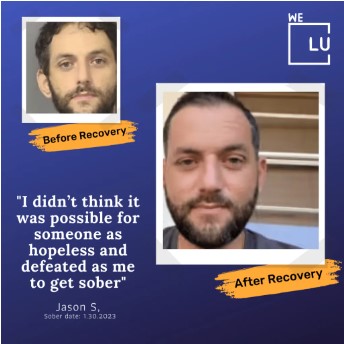
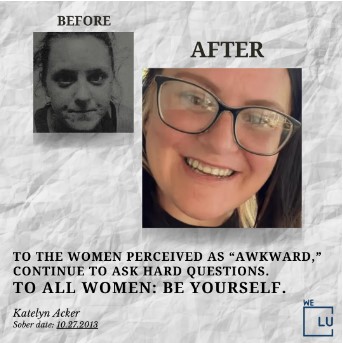
Experience Transformative Recovery at the We Level Up Treatment Center.
See our authentic success stories. Get inspired. Get the help you deserve.
Start a New Life
Begin with a free call to an addiction & behavioral health treatment advisor. Learn more about our dual-diagnosis programs. The We Level Up treatment center network delivers various recovery programs at each treatment facility. Call to learn more.
- Personalized Care
- Caring Accountable Staff
- Comfortable Amenities
- Licensed & Accredited
- Renowned w/ 5-Star Reviews