Percocet rehab treatment helps people who are struggling with prescription opioid use and want to feel better again. Percocet contains oxycodone, which is a strong pain medicine. It can help with pain, but it can also lead to dependence if used for a long time. You may start taking it for a real need, then slowly feel like you cannot function without it.
If this sounds like your situation or someone you love, you are not alone. Many people go through this, and it can feel confusing and stressful. The good news is that help is available, and recovery is possible. This guide will explain Percocet rehab programs, what to expect, and how to take the next step toward healing and a better life.
Table of Contents
What Is Percocet Rehab Treatment?
Percocet rehab treatment is a program that helps people safely stop using Percocet and recover from opioid dependence. It supports both your body and your mind during the process. Since Percocet affects the brain, stopping suddenly can cause withdrawal symptoms and strong cravings.
Doctors and trained staff guide you step by step through recovery. They may use a safe detox process and provide therapy to help you understand your habits. This type of care is often called prescription opioid rehab percocet treatment.
Professional care is very important because opioid addiction can be serious. According to the Centers for Disease Control and Prevention, thousands of people die each year from opioid overdoses in the United States. This shows how important safe treatment is. With the right help, recovery is possible and lasting.

Signs You May Need Percocet Rehab Treatment
It can be hard to know when use becomes a problem. Some signs may start small and slowly grow stronger over time. Paying attention early can help you take action sooner.
Here are common signs you may need treatment:
- You take Percocet longer than prescribed
- You need higher doses to feel relief
- You feel sick or anxious without it
- You try to stop but cannot
- You think about using it often
- You have mood changes or low energy
- You hide your use from others
If you notice these signs, it may be time to reach out for help. Early support can protect your health and your future.
Get Help. Get Better. Get Your Life Back.
Searching for Accredited Drug & Alcohol Rehab Centers Near You? Or Mental Health Support?
Even if you have failed previously, relapsed, or are in a difficult crisis, we stand ready to support you. Our trusted behavioral health specialists will not give up on you. Call us when you feel ready or want someone to speak to about therapy alternatives to change your life. Even if we cannot assist you, we will lead you wherever you can get support. There is no obligation. Call our hotline today.
FREE Addiction Hotline – Call 24/7Why Choose We Level Up NJ for Percocet Rehab Treatment?
Choosing the right Percocet addiction treatment center can make a big difference in your recovery. You want a place where you feel safe, respected, and supported every day. At We Level Up NJ, care focuses on your full well-being.
The team includes doctors, nurses, and therapists who understand oxycodone addiction and Percocet rehab. They work together to build a plan that fits your needs. This means your care is personal and designed just for you.
The center offers detox, therapy, and mental health support in one place. You will also learn healthy coping skills and ways to manage stress. This helps you build a strong foundation for long-term recovery.
Ready to get started? Call (201)389-9370 or email verifyadmissions@welevelup.com today. A better life is waiting for you.
What to Expect During Percocet Rehab Treatment
Starting Percocet rehab treatment can feel new and uncertain, but understanding the process can help you feel more comfortable. The program is designed to support you step by step. First, you will have an assessment. This helps the team understand your health, your substance use, and your personal needs. Based on this, they create a plan that fits your situation.
Next is detox. During this stage, your body clears Percocet in a safe and controlled setting. Medical staff help manage symptoms like cravings, pain, and anxiety. This makes rehab treatment programs safer and easier to handle. After detox, therapy begins. You will learn how to manage triggers and build healthy habits. Relapse prevention is also part of care, helping you stay strong after treatment ends.
Understanding Oxycodone Addiction Percocet Rehab
Oxycodone addiction percocet rehab focuses on both physical and emotional recovery. Percocet changes how your brain feels pain and reward. Over time, your body may depend on it to feel normal. This can make it hard to stop without support. Rehab programs help you understand these changes and learn new ways to cope. Therapy helps you explore the reasons behind your use and find healthier solutions.
With time and support, your brain can begin to heal. You can learn to manage stress, pain, and emotions without relying on opioids.

Get Your Life Back
Find Hope & Recovery. Get Safe Comfortable Detox, Addiction Rehab & Mental Health Dual Diagnosis High-Quality Care at the We Level Up Treatment Centers Network.
Hotline (877) 378-4154Prescription Opioid Rehab Percocet Treatment Options
Prescription opioid rehab Percocet treatment includes different methods to help you recover safely. Each plan is based on your needs, your health, and your history of use. Doctors may use medication-assisted treatment to reduce cravings and withdrawal symptoms. This helps you stay stable during recovery. Therapy is also a key part of treatment and helps you build new habits.
Programs may include one-on-one counseling, group therapy, and mental health support. This full approach helps you heal both physically and emotionally.

Percocet Recovery Programs for Long-Term Success
Percocet recovery programs focus on helping you stay healthy after detox and early treatment. Recovery is not just about stopping the drug. It is about building a new and stable life. These programs teach you how to manage stress, avoid triggers and stay on track. You will learn simple tools that help you feel calm and in control. Over time, your confidence grows, and your life becomes more balanced.
What Do Percocet Recovery Programs Include?
Each program may be different, but most include a mix of support and guidance. The goal is to help you stay strong and prevent relapse.
Common parts of Percocet recovery programs include:
- Individual counseling for personal support
- Group therapy to connect with others
- Relapse prevention planning
- Stress management techniques
- Healthy routine building
These programs help you move forward with confidence and support.
Benefits of Percocet Rehab Treatment
Percocet rehab treatment offers many benefits that support your health and your future.
Some key benefits include:
- Safe and supervised detox process
- Reduced withdrawal symptoms and cravings
- Better mental and emotional health
- Personalized treatment plans
- Support from trained professionals
- Lower risk of relapse
These benefits help you build a healthier life and regain control.
FAQs
What is Percocet rehab treatment?
It is a program that helps you safely stop using Percocet and recover with medical and emotional support.
How long does treatment take?
It depends on your needs, but it can take weeks to months for full recovery.
Is detox safe?
Yes, detox is safe when done under medical supervision with trained staff.
What are withdrawal symptoms?
Symptoms may include pain, anxiety, sweating, and strong cravings.
Can I stop on my own?
It may be difficult and risky. Professional care is safer and more effective.
What is oxycodone addiction, Percocet rehab?
It is a treatment that focuses on recovery from Percocet dependence.
Take a step forward
Percocet rehab treatment offers a safe and supportive way to stop using opioids and take back control of your life. While the journey may feel difficult at first, you do not have to face it alone. With the right care, your body can heal, and your mind can grow stronger each day.
If you or someone you love is struggling with Percocet use, now is the time to take action. Professional help can guide you through every step and help you build a healthier future. Reach out to We Level Up NJ today to speak with a caring team that understands your needs. Recovery is possible, and your path to a better life can begin right now.
Ready to get started? Call (201)389-9370 or email verifyadmissions@welevelup.com today. A better life is waiting for you.
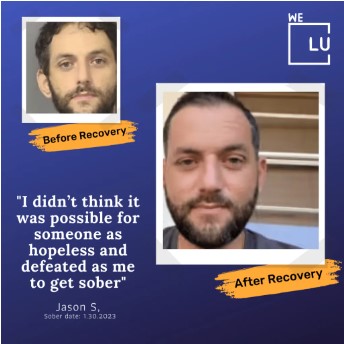
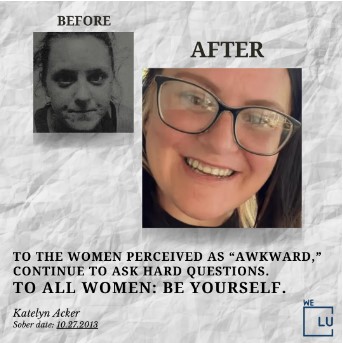
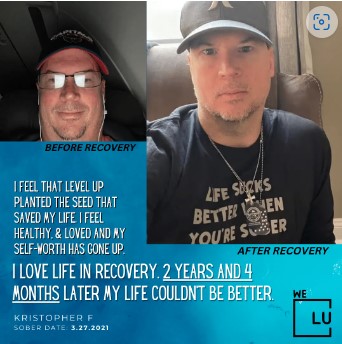
Experience Transformative Recovery at the We Level Up Treatment Center.
See our authentic success stories. Get inspired. Get the help you deserve.
Start a New Life
Begin with a free call to an addiction & behavioral health treatment advisor. Learn more about our dual-diagnosis programs. The We Level Up treatment center network delivers various recovery programs at each treatment facility. Call to learn more.
- Personalized Care
- Caring Accountable Staff
- Comfortable Amenities
- Licensed & Accredited
- Renowned w/ 5-Star Reviews