If you or someone you love takes hydrocodone, you may feel worried about stopping. Hydrocodone is a strong opioid pain medicine. Doctors give it for injuries, surgery, or long term pain. It can help at first, but the body can become used to it over time.
When someone stops taking it, hydrocodone withdrawal symptoms can begin. These symptoms happen because the body has learned to depend on the drug. Withdrawal can feel painful and scary, but it is a sign that the body is trying to heal. With the right hydrocodone detox support, people can get through this safely and begin recovery.
Skip to:
What Is Hydrocodone?
Hydrocodone is an opioid medicine that blocks pain signals in the brain. It also affects parts of the brain that control mood and pleasure. That is why some people feel calm or relaxed when they take it.

If someone takes hydrocodone for many weeks or months, the brain changes. It starts to depend on the drug to feel normal. This is called physical dependence. When the drug leaves the body, opioid withdrawal signs begin because the brain must learn to work without it.
Dependence can happen even when someone follows a doctor’s orders. It does not mean a person is weak or bad. It means the body adapted to the medicine.
Why Hydrocodone Withdrawal Symptoms Happen
The brain uses natural chemicals to control pain, mood, and stress. Hydrocodone changes how those chemicals work. Over time, the brain slows down its own natural system because the drug is doing the work. When someone stops taking hydrocodone, the brain feels out of balance. It takes time for natural chemicals to return to normal levels. During this time, withdrawal symptoms appear.
These symptoms can feel strong, but they are part of the healing process. With proper opioid withdrawal treatment, people can manage these symptoms safely.
Common Hydrocodone Withdrawal Symptoms
Hydrocodone withdrawal symptoms usually start within 6 to 12 hours after the last dose. The timing depends on how much the person used and how long they took it. Many people describe withdrawal as feeling like a very bad flu. The body aches, and emotions feel intense. Below are common symptoms.
Early Opioid Withdrawal Signs
Early symptoms often begin the same day someone stops using the drug. They may feel mild at first, but they can grow stronger.
Common early signs include:
- Muscle aches and joint pain
- Sweating and chills
- Runny nose and watery eyes
- Yawning often
- Trouble sleeping
- Feeling anxious or restless
Many people feel uneasy and uncomfortable. They may have strong cravings for the drug because their body wants relief.
Later Withdrawal Symptoms
Later symptoms usually peak around days two or three. This stage can feel the hardest.
Later hydrocodone withdrawal symptoms may include:
- Nausea and vomiting
- Stomach cramps
- Diarrhea
- Fast heartbeat
- High blood pressure
- Strong drug cravings
These symptoms can make someone feel weak and drained. Even though they feel severe, they usually improve within a week.
Get Help. Get Better. Get Your Life Back.
Searching for Accredited Drug & Alcohol Rehab Centers Near You? Or Mental Health Support?
Even if you have failed previously, relapsed, or are in a difficult crisis, we stand ready to support you. Our trusted behavioral health specialists will not give up on you. Call us when you feel ready or want someone to speak to about therapy alternatives to change your life. Even if we cannot assist you, we will lead you wherever you can get support. There is no obligation. Call our hotline today.
FREE Addiction Hotline – Call 24/7How Long Does Withdrawal Last?
Most people want to know how long they will feel sick. The answer depends on the person’s health and history of use.
For short-acting opioids like hydrocodone, the timeline often looks like this:
- Symptoms begin within 6 to 12 hours
- Symptoms peak around 48 to 72 hours
- Physical symptoms improve after 5 to 7 days
Some emotional symptoms, like anxiety and sleep problems, may last longer. Ongoing support helps during this stage.
Emotional Effects During Withdrawal
Hydrocodone withdrawal symptoms affect both the body and the mind. Emotional changes can feel just as strong as physical pain.
Anxiety and Mood Changes
Many people feel nervous or on edge during detox. The brain struggles to produce feel good chemicals without the drug. This can lead to anxiety, sadness, and mood swings. These feelings can be intense but usually improve with time. Therapy and medical care can help balance emotions safely.
Cravings and Triggers
Cravings are strong urges to use hydrocodone again. They can feel overwhelming, especially during the first few days. Stress, certain people or places linked to past drug use can trigger cravings. Learning coping skills in treatment helps reduce the risk of relapse.

Get Your Life Back
Find Hope & Recovery. Get Safe Comfortable Detox, Addiction Rehab & Mental Health Dual Diagnosis High-Quality Care at the We Level Up Treatment Centers Network.
Hotline (877) 378-4154
Why Medical Hydrocodone Detox Support Is Important
Some people try to quit at home. While this may seem easier, it can increase risks. Dehydration, high blood pressure, and relapse are common problems during home detox.
Medical hydrocodone detox support provides:
- 24-hour medical monitoring
- Medication to ease symptoms
- Fluids and nutrition support
- Emotional care and counseling
- A safe and calm setting
Doctors may use medicines that reduce cravings and pain. Opioid withdrawal treatment makes detox safer and more comfortable.
Why Choose We Level Up NJ for Hydrocodone Withdrawal Symptoms?
When you are dealing with hydrocodone withdrawal symptoms, it can feel very overwhelming. Your body may feel weak, and your mind may feel stressed or anxious. At We Level Up NJ, you are cared for in a safe and calm place where your comfort comes first. The team understands how hard opioid withdrawal can be, and they stay with you every step of the way.
The staff includes trained doctors, nurses, and counselors who know how to treat both physical and emotional symptoms. You are not judged or rushed. Instead, you are supported with kindness and respect. Each person gets a care plan based on their health, history, and needs. This makes the detox process safer and easier to manage.
Ready to get started? Call (201)389-9370 or email verifyadmissions@welevelup.com today. A better life is waiting for you.
Treatment After Detox
Detox is only the first step. Long term recovery needs more than just getting through withdrawal.
Medication Assisted Treatment
Medication-assisted treatment uses approved medicines to reduce cravings and prevent relapse. These medicines help the brain heal slowly and safely. When combined with counseling, this approach improves recovery success and lowers overdose risk.
Therapy and Counseling
Therapy helps people understand why they began using opioids. Some people start due to pain. Others struggle with stress or trauma. Counseling teaches new ways to cope with stress. Group therapy also helps people feel less alone.
Comfortable Facilities & Amenities
High-Quality Addiction & Mental Health Rehabilitation Treatment
Rehab Centers TourRenowned Addiction Centers. Serene Private Facilities. Inpatient rehab programs vary.
Addiction Helpline (877) 378-4154Proven recovery success experience, backed by a Team w/ History of:
15+
Years of Unified Experience
100s
5-Star Reviews Across Our Centers
10K
Recovery Success Stories Across Our Network
- Low Patient to Therapist Ratio
- Onsite Medical Detox Center
- Comprehensive Dual-Diagnosis Treatment
- Complimentary Family & Alumni Programs
- Coaching, Recovery & Personal Development Events
Risks of Stopping Without Help
Stopping hydrocodone suddenly without support increases relapse risk. After detox, tolerance drops. If someone returns to their old dose, overdose risk rises. Withdrawal discomfort often pushes people back to using. Professional opioid withdrawal treatment lowers this risk and provides structure during early recovery.
Helping a Loved One Through Withdrawal
If someone you care about struggles with hydrocodone use, your support matters. Speak kindly and avoid blame. Encourage medical care instead of trying to control them. Offer to help them find treatment. Attend family counseling if available. Recovery feels less frightening when loved ones stay involved.
When to Get Emergency Help
Most hydrocodone withdrawal symptoms are not life-threatening. However, seek emergency care if someone has:
- Severe dehydration
- Chest pain
- Trouble breathing
- Fainting
- Thoughts of self harm
Safety always comes first.
Opioid Withdrawal Treatment: Building a Strong Recovery
Opioid withdrawal treatment goes beyond just stopping symptoms. After detox, therapy helps you understand why you started. You learn ways to handle stress without medicine. Group talks show you are not alone. Counseling builds new habits like exercise or hobbies. Family sessions heal hurts at home. Plans include aftercare like meetings or check-ins. This support keeps you strong long-term.
Many find joy and purpose again. Recovery gives a fresh start full of hope.
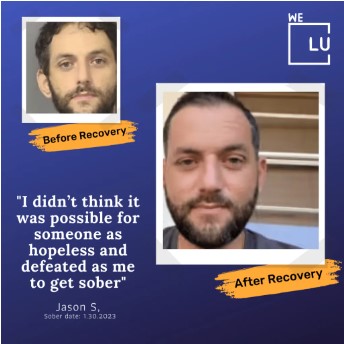
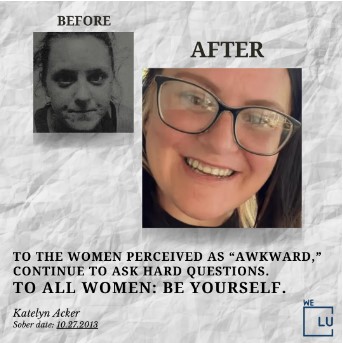
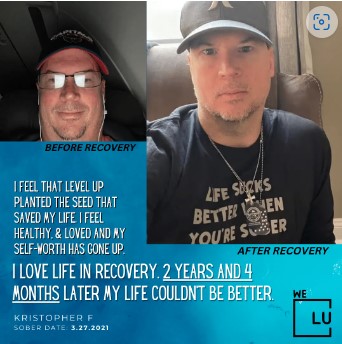
Experience Transformative Recovery at the We Level Up Treatment Center.
See our authentic success stories. Get inspired. Get the help you deserve.
Start a New Life
Begin with a free call to an addiction & behavioral health treatment advisor. Learn more about our dual-diagnosis programs. The We Level Up treatment center network delivers various recovery programs at each treatment facility. Call to learn more.
- Personalized Care
- Caring Accountable Staff
- Comfortable Amenities
- Licensed & Accredited
- Renowned w/ 5-Star Reviews
We’ll Call You
Frequently Asked Questions
Are hydrocodone withdrawal symptoms dangerous?
Most symptoms are not life-threatening but they can feel very uncomfortable. Medical detox improves safety and comfort.
How fast do opioid withdrawal signs begin?
Symptoms often begin within 6 to 12 hours after the last dose.
How long do symptoms last?
Physical symptoms usually improve within one week. Emotional symptoms may last longer.
Can I detox at home?
Home detox can be risky. Medical hydrocodone detox support is safer and more effective.
What helps reduce cravings?
Medication-assisted treatment and therapy both help reduce cravings and prevent relapse.
What happens after detox?
After detox, ongoing therapy and support help maintain long-term recovery.
Next step
You took a big step reading this. It shows you want to feel better and leave pain medicine behind. Hydrocodone withdrawal symptoms are tough but they pass with the right help. You can come out stronger and happier. Our team at We Level Up wants to hold your hand through it.
We give safe detox, kind therapy and support made for you. Call our hotline now at (877) 378-4154. It is free, private and open all day and night. A caring person will listen and help you start. Reach out today. You deserve health, peace, and a bright future. We are right here for you
Ready to get started? Call (201)389-9370 or email verifyadmissions@welevelup.com today. A better life is waiting for you.