People who are in pain or who are afraid of becoming addicted should be aware of the difference between hydrocodone and oxycodone. People often take these drugs for long-term pain and short-term injuries. There are big risks with them, but they can help. We Level Up NJ helps people understand these risks so they can get better safely.
Many people start using narcotic opioids after they’ve had surgery or been hurt. In the beginning, it helps with pain. The body might get used to it over time. This could lead to increased use, habit-forming behavior, and health issues. It is possible to get better and heal with the right help.
Table of Contents
Hydrocodone vs Oxycodone
It looks at two painkillers called opioids and compares them. Opioids are the name of both drugs. These opioid drugs change the way your brain handles pain messages.
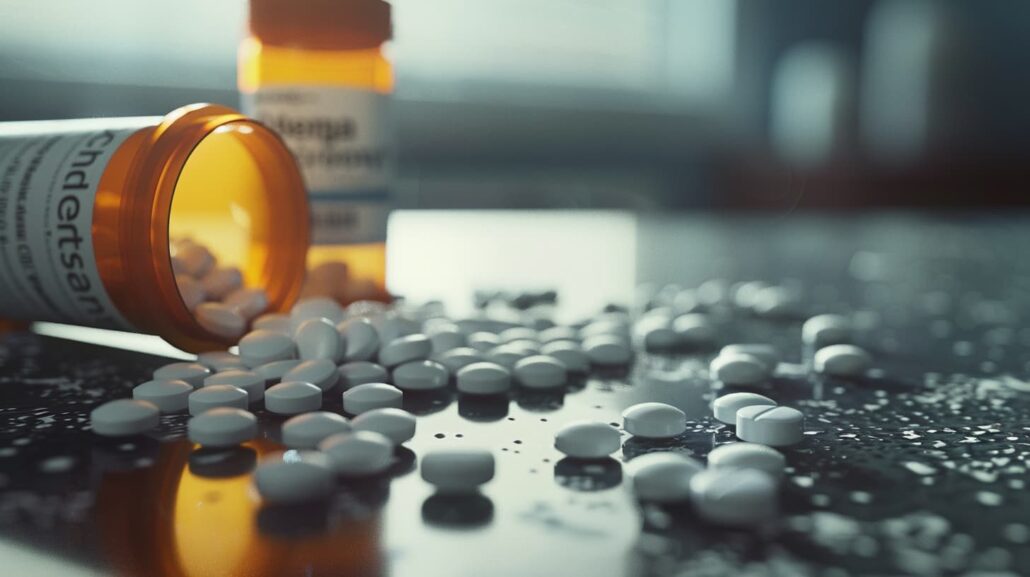
Doctors often compare hydrocodone vs oxycodone by looking at strength and use. Lots of the time, hydrocodone is mixed with other drugs. Oxycodone is often stronger and can be taken by itself.
This is part of a larger opioid painkiller comparison effects discussion. Both drugs work by connecting to brain receptors. These sensors decide what hurts and what feels good. When they are turned on, they ease pain and make you feel calm.
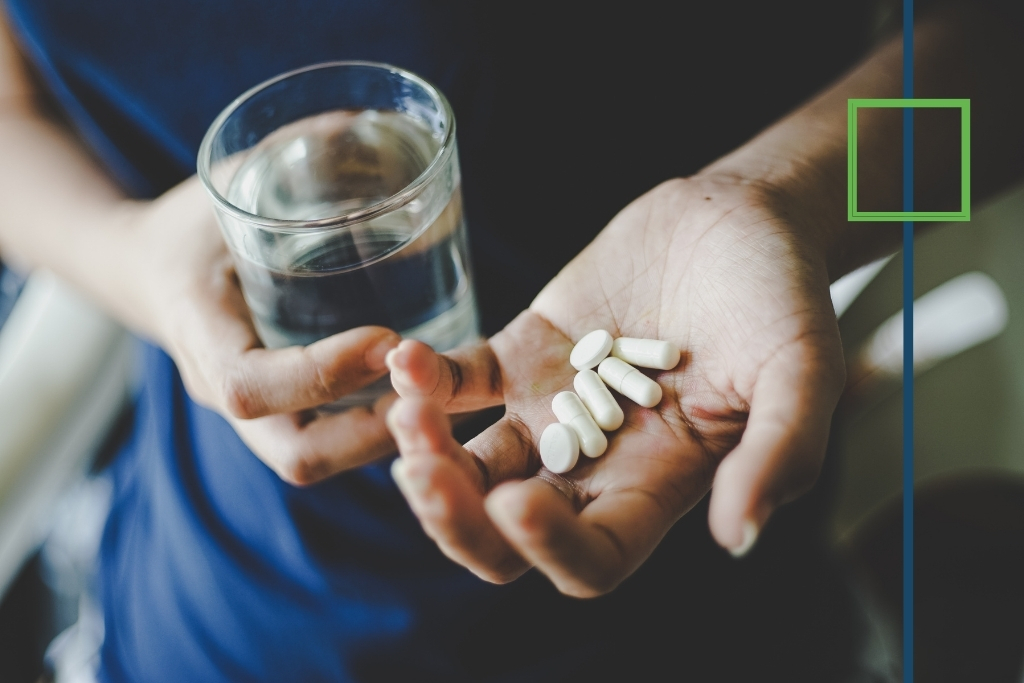
Understanding opioid medication differences helps people use these drugs safely. Even though they are helpful, they can be abused, physically dependent on, or even become addicted if they are not handled properly.
Signs You May Need Help
Some signs show that opioid use is becoming unsafe. These signs may start small but grow over time.
- Taking more medication than prescribed
- Strong cravings for opioids
- Difficulty stopping use
- Using medication without pain
- Withdrawal symptoms when stopping
- Mood changes or low energy
- Problems at work or home
These signs may show that the body has developed physical dependence. They also highlight risks linked to painkiller comparison hydrocodone oxycodone.
Why choose We Level Up NJ
We Level Up NJ helps people who are addicted to opioids in every way. Our oxycodone rehab programs are designed to help people heal both physically and emotionally. The hydrocodone oxycodone strength comparison is only one aspect of the issue, as we are aware. The brain, personality, and daily life are all changed by addiction.
Detox, therapy, and dual-illness treatment are all part of our care. We treat both drug abuse and mental health at the same time. We use treatments that have been shown to work, like CBT and DBT. These help people figure out what triggers their symptoms and form better habits.
Our organized setting makes us feel safe and gives us support. Everyone, every day, gets care from trained pros. We also work on long-term healing and on preventing relapse.
What to Expect During Treatment
Before treatment can begin, a full medical review is done. Symptoms, medical history, and medications are all things doctors consider. This helps create a safe plan. Often, the first step is to detox. This process gets rid of opioids in the body while keeping withdrawal signs under control.
Medical care keeps people safe and eases their pain. Some of the symptoms of withdrawal are anxiety, sweating, and trouble sleeping. With the right care, these problems can be managed. Once detox is over, therapy takes over.
People who take opioids learn how they change the brain and behavior. They also learn how to deal with upset and stress. Getting better also means making new habits. People learn how to stay calm and not relapse.
Benefits of Treatment
Treatment offers many benefits for people struggling with opioid use:
- Helps stop unsafe opioid use
- Reduces risk of opioid overdose
- Improves mental and physical health
- Supports long-term recovery
- Builds healthy coping skills
- Provides structure and guidance
People can take back control of their lives and make them better if they get the right care.


Get Your Life Back
Find Hope & Recovery. Get Safe Comfortable Detox, Addiction Rehab & Mental Health Dual Diagnosis High-Quality Care at the We Level Up Treatment Centers Network.
Hotline (877) 378-4154Understanding Strength and Effects
Oxycodone is typically stronger than hydrocodone in a hydrocodone oxycodone strength comparison. In other words, it may help with pain more, but it also comes with more risks.
Both drugs work on brain receptors. These sensors decide what hurts and what feels good. This is why they can ease pain but also be abused.
This is part of the talk about the opioid painkiller comparison effects. Over time, the brain might start to depend on these drugs.
As use continues, tolerance may develop. This means that more of the drug is needed to get the same benefit. This makes the risk higher.
Risks of Opioid Use
Both drugs pose major risks to your health. Misusing it can cause addiction and problems that could endanger your life.
One big risk is slowing down breathing. This happens when you stop or slow your breathing. It’s the main reason why people overdose on opioids.
Other risks include:
- Drowsiness and confusion
- Poor coordination
- Increased tolerance
- Risk of overdose
These risks are part of the broader opioid medication differences discussion. Even when used as directed, caution is needed.

Long-Term Effects on Health
Painkillers used for a long time can hurt the mind and body. The brain could get hooked on the drug. Some people may lose their drive and struggle to concentrate. It might get harder to do the things you do every day.
Dependence on a substance can turn into addiction over time. This makes it very hard to stop without help. Long-term use may also hurt your relationships and mood. These risks are lower when treatment starts early.
Who Is Most at Risk
There are some people who are more likely to abuse opioids. People who have constant pain may take painkillers for a long time. Also, people who have mental health problems may be more likely to get sick.
Anxiety and stress can make people use more. People who take big doses or prescriptions for a long time should be careful. These things make dependence more likely.
Preventing Misuse
Following expert advice is the first step to safe use. Always follow the directions on your medicine. Do not keep taking opioids for longer than you need to. This makes dependence less likely.
Seeing a doctor regularly helps keep an eye on your use. How to stop it is through education. People can make better choices when they know about the risks.
FAQs About Hydrocodone vs. OxyContin
What is hydrocodone vs oxycodone?
Hydrocodone vs oxycodone refers to two opioid medications used to treat pain.
What is the difference between hydrocodone and oxycodone?
Hydrocodone vs oxycodone differences include strength, formulation, and use.
Which is stronger, hydrocodone or oxycodone?
In a hydrocodone oxycodone strength comparison, oxycodone is often stronger.
How does We Level Up NJ offer help?
We provide detox, therapy, and support for recovery.
Are both drugs addictive?
Yes, both are part of opioid painkiller comparison effects and can lead to addiction.
Can people recover from opioid addiction?
Yes, treatment helps people recover and manage painkiller comparison hydrocodone oxycodone risks.
How to Get Started
Opioid use can feel overwhelming. Many people begin with pain treatment but struggle to stop later. This can affect health, work, and relationships. At We Level Up NJ, we understand these challenges.
Our team offers detox, therapy, and full recovery support. You do not have to face this alone. Call (877) 378-4154 or use Verify Insurance to schedule a consultation. With the right help, recovery is possible.
Get Help. Get Better. Get Your Life Back.
Searching for Accredited Drug & Alcohol Rehab Centers Near You? Or Mental Health Support?
Even if you have failed previously, relapsed, or are in a difficult crisis, we stand ready to support you. Our trusted behavioral health specialists will not give up on you. Call us when you feel ready or want someone to speak to about therapy alternatives to change your life. Even if we cannot assist you, we will lead you wherever you can get support. There is no obligation. Call our hotline today.
FREE Addiction Hotline – Call 24/7