Suboxone is a medicine used to help people stop opioid use. It is part of addiction treatment. Many people ask how long Suboxone stays in their system. The time can be different for each person. It depends on the dose, body health, and how long it was used. Suboxone slowly leaves the body over several days. It does not leave right away after the last dose.
Suboxone works by staying in the brain for a long time. It helps reduce cravings and withdrawal symptoms. It has two parts called buprenorphine and naloxone. These parts work together to support recovery. Because it works slowly, it also stays in the body longer than many other medicines. Doctors use it to help people stay stable during treatment.
Table of Contents
Looking for help with substance abuse challenges like Suboxone dependency? Join thousands of patients who trusted We Level Up New Jersey for Suboxone withdrawal and other substance abuse treatments. Call 24/7 for more Suboxone detox information today. Your call is free and confidential. Access addiction professionals who understand your circumstances and are ready to help.
What is Suboxone?
Suboxone is a medicine used to help treat opioid addiction. It is part of a medical treatment plan that helps people stop using opioids safely. Suboxone helps reduce cravings and lowers withdrawal symptoms. This makes it easier for people to stay in recovery without feeling very sick or uncomfortable. It is not a cure, but it supports recovery when used with medical care and counseling.
Suboxone has two ingredients called buprenorphine and naloxone. Buprenorphine helps calm the brain’s response to opioids, while naloxone helps prevent misuse of the medicine. According to the National Institute on Drug Abuse (NIDA), medicines like buprenorphine are effective in treating opioid use disorder and help people stay in treatment longer. Suboxone is taken under a doctor’s care and is part of medication-assisted treatment that supports safer and more stable recovery.
Suboxone Half Life
The drug’s half-life is a primary factor in how long Suboxone will remain in your system. Buprenorphine, the primary component of Suboxone, has a particularly lengthy elimination half-life compared to other opioids.
The time it takes for a drug’s elimination half-life to occur is measured in hours. How long does Suboxone stay in your system 8mg? It has a half-life of 24 to 42 hours.
Buprenorphine is converted into norbuprenorphine once your body breaks it down. Compared to buprenorphine, this drug has a half-life of up to 150 hours. Furthermore, norbuprenorphine has a 14-day half-life in urine.
How Long Does Suboxone Stay in Your System? General Timeline Chart.
Here is a general timeline chart indicating how long Suboxone (buprenorphine and naloxone) can stay in various bodily fluids and how long it may be detectable:
| Bodily Fluid | Detection Time for Suboxone |
|---|---|
| Urine | Up to 2-7 days after the last dose |
| Blood | Up to 24 hours after the last dose |
| Saliva | Up to 1-2 days after the last dose |
| Hair Follicles | Up to 90 days after the last dose |
Half of the buprenorphine in a Suboxone dose is eliminated by the body in almost two full days. How long does Suboxone stay in the system? A single dose of Suboxone may take nearly nine days to leave your body because it takes five half-lives for a drug to go through your system entirely.
What is Suboxone Used For?
Most physicians, addiction experts, and advocates agree that Suboxone saves lives. The US government has recently been lightening up on the requirements for doctors and nurses to “get waivered” in an urgent attempt to increase the availability of Suboxone prescribers as the number of opioid deaths keeps rising.
All opioids are chemically related and interact with opioid receptors in the body and brain nerve cells. Opioid pain relievers are generally safe when taken for a short time as prescribed by a healthcare provider. But because they can induce euphoria in addition to pain relief, they can be abused (taken in a different way or in a larger quantity than prescribed or taken without a doctor’s prescription).
Even as prescribed by a doctor, regular use of opioids can lead to dependence, and when misused, opioid pain relievers can lead to addiction, overdose incidents, and deaths.
An opioid overdose can be reversed with the drug naloxone when given right away. Improvements have been seen in some regions of the country by decreasing the availability of prescription opioid pain relievers and decreasing misuse among the nation’s population. However, since 2011, overdose deaths involving heroin have increased dramatically. Fortunately, effective medications exist to treat opioid use disorders, including methadone, buprenorphine, and naltrexone.
While Suboxone can be an effective drug to aid in recovery from opiate dependence, it is often a drug that is taken for long periods after the user has stopped taking other addictive opioids. Despite its effectiveness, Suboxone can also be addictive.
As a partial opioid agonist, Suboxone produces similar withdrawal effects to other opioids if it is quit “cold turkey.”
Suboxone Side Effects
Suboxone can slow or stop your breathing and may be habit-forming. Misuse of this medicine can cause addiction, overdose, or death, especially in a child or other person using the medicine without a prescription.
Common Side Effects of Suboxone
- Nausea and vomiting.
- Headache.
- Sweating.
- Numb mouth.
- Constipation.
- Painful tongue.
- Dizziness and fainting.
- Problems with concentration.
- Irregular heartbeat.
- Insomnia.
- Blurry vision.
- Back pain.
- Drowsiness.
Other Less Common Side Effects of Suboxone:
- Anxiety.
- Depression.
- Nervousness.
Alternatives to Suboxone
- Lofexidine.
- Methadone.
- Naltrexone.
Taking Suboxone during pregnancy may cause life-threatening withdrawal symptoms in the newborn.
Fatal side effects can occur if you use this medicine with alcohol or other drugs that cause drowsiness or slow your breathing.
Symptoms of Withdrawal From Suboxone
Suboxone is a prescription drug used in an opioid treatment program that includes behavioral therapy and counseling. Suboxone, which contains buprenorphine and naloxone, can be an effective medication for opiate dependence. Still, sometimes, it must be taken for long periods after the user has stopped using addictive opioids.
Suboxone Withdrawal Symptoms
- Nausea and vomiting.
- Muscle and body aches.
- Anxiety.
- Depression.
- Irritability.
- Fever or chills.
- Sweating and Headaches.
The symptoms can vary in severity and duration, depending on how long users have been taking Suboxone, as well as the dosage of the drug. Generally, most physical withdrawal symptoms will subside after one month, though psychological dependence can remain. Suboxone Withdrawal Symptoms are the worst in the first 72 hours. This is when most physical symptoms are experienced. Then, in the first week after discontinuing Suboxone, symptoms generally subside to general aches and pains in the body, as well as insomnia and mood swings.
After the second week, depression is the most noticeable symptom. After one month, users will likely still be experiencing intense cravings and depression. This is the most delicate time after stopping Suboxone use, as users have an excellent potential for relapse. If you or a loved one is suffering from addiction to Suboxone, please seek help immediately from a treatment professional. Like any other addictive substance, withdrawal from Suboxone can last several months. Though the significant physical symptoms will cease after a month of not taking the drug, psychological symptoms can go on for several months.
Suboxone Drug Interactions
Suboxone (buprenorphine and naloxone) can interact with various drugs, potentially leading to adverse effects or reduced effectiveness. Here’s a list of some drug interactions with Suboxone:
- Opioid Agonists/Antagonists: Combining Suboxone with other opioids, including prescription painkillers like oxycodone or illicit drugs like heroin, can lead to dangerous respiratory depression.
- Sedatives/Hypnotics: Suboxone can enhance the sedative effects of benzodiazepines (e.g., Xanax, Valium) and certain sleep medications, increasing the risk of overdose.
- Alcohol: Alcohol can intensify the sedative effects of Suboxone and increase the risk of respiratory depression, coma, or death.
- Barbiturates: Mixing Suboxone with barbiturates can lead to severe respiratory depression and central nervous system depression.
- Antidepressants: Certain antidepressants, especially monoamine oxidase inhibitors (MAOIs), can interact with Suboxone, potentially leading to serotonin syndrome.
- Antifungal Medications: Some antifungal drugs can affect the metabolism of Suboxone, requiring adjustments in Suboxone dosages.
- Antiretroviral Medications: Suboxone may interact with certain HIV medications, affecting their effectiveness.
- Antiseizure Medications: Some antiseizure drugs can alter the metabolism of Suboxone, potentially requiring dosage adjustments.
- Certain Antibiotics: Specific antibiotics may interact with Suboxone, affecting its absorption or metabolism.
- CYP3A4 Inhibitors/Inducers: Medications that inhibit or induce the CYP3A4 enzyme can influence the metabolism of Suboxone.
Suboxone Overdose
A Suboxone overdose can occur when someone takes more Suboxone (buprenorphine and naloxone) than their body can safely handle. Suboxone is often used to treat opioid dependence but can be misused or abused. Here are some key points to understand about Suboxone overdose:
- Buprenorphine’s Partial Agonist Effect: Buprenorphine is a partial opioid agonist, which means it can activate opioid receptors in the brain but has a ceiling effect where its effects level off, making it less likely to cause severe respiratory depression compared to full opioid agonists like heroin or oxycodone. However, in high doses, it can still lead to dangerous respiratory depression.
- Naloxone’s Role: Suboxone contains naloxone, an opioid antagonist. When taken as prescribed, naloxone has limited effects because it is not well-absorbed through the digestive system. However, if Suboxone is crushed and injected or misused in other ways, naloxone can block the effects of buprenorphine and precipitate opioid withdrawal.
- Symptoms of Suboxone Overdose: Signs of a Suboxone overdose can include extreme drowsiness, slowed breathing, confusion, pinpoint pupils, clammy skin, low blood pressure, and even loss of consciousness. In severe cases, it can lead to coma and death.
- Treatment: If someone is suspected of a Suboxone overdose, seeking medical help is crucial. Naloxone (Narcan) can be administered to reverse the effects of buprenorphine and restore normal breathing. However, because Suboxone has a longer duration of action than some other opioids, repeated doses of naloxone or prolonged monitoring may be necessary.
- Prevention: To prevent Suboxone overdose, it’s essential to take the medication exactly as a healthcare provider prescribes. Never take more Suboxone than prescribed, and avoid combining it with other opioids, sedatives, or alcohol, as these substances can increase the risk of overdose.
- Medical Supervision: Suboxone treatment should always be administered under medical supervision as part of a comprehensive addiction treatment program. This can help ensure the medication is used safely and effectively in recovery.
Overdose is a severe risk, but with proper medical care and addiction treatment, individuals can work toward recovery in a safe and controlled behavior.
Signs You May Need to Understand Suboxone Timing
- Starting Suboxone treatment for opioid recovery
- Worried about drug test results or timing
- Planning to stop or lower Suboxone dose
- Feeling confused about how long it stays in the body
- Experiencing withdrawal symptoms during changes
- Switching from one opioid medicine to another
- Needing clear guidance from a doctor during treatment
Why Suboxone Detection Time Matters?
Suboxone detection time matters because it helps people understand how long the medicine stays in the body. This is important for recovery care and safety. Many people want to know how long Suboxone can be found in drug tests. It can show in urine, blood, or hair tests for different times. Knowing this helps reduce worry and confusion during treatment. It also helps people follow medical plans better and stay calm during recovery steps.
Understanding detection time also helps doctors give safe care. It shows how the body is removing the medicine over time. This helps doctors adjust doses and prevent withdrawal problems. It also helps patients avoid mistakes during treatment changes. According to NIDA, buprenorphine stays in the body for several days because it leaves slowly. This is why timing is important for safe and steady recovery. Knowing this gives people more control and understanding during the healing process.
Why Choose We Level Up NJ for Treatment?
We Level Up NJ is a treatment center that helps people with addiction recovery. Many people choose this place because it offers safe and simple care. The team helps patients understand their treatment step by step. They also explain how medicines like Suboxone work in the body. This helps people feel less confused and more supported during recovery. The goal is to help each person feel stable and safe.
The staff at We Level Up NJ gives personal care to each patient. They create treatment plans based on each person’s needs. They also help explain topics like how long Suboxone stays in your system in a simple way. This helps patients understand their recovery better. The center also supports mental health and emotional healing. Many people feel more confident because they are not alone in treatment. Doctors and staff watch progress closely to keep care safe and steady. This support helps people stay on track and avoid relapse.
Ready to get started? Call (201)389-9370 or email verifyadmissions@welevelup.com today. A better life is waiting for you.
What to Expect During Suboxone Treatment?
Suboxone treatment helps people recover from opioid addiction. It is part of a medical care plan. Many people start treatment to reduce cravings and withdrawal symptoms. Doctors first check the patient’s health and history. This helps create a safe plan for recovery. Each person gets care based on their needs. The goal is to help the body adjust slowly and safely.
At the start of treatment, patients may feel changes in the body. The medicine helps reduce strong cravings for opioids. It also helps prevent painful withdrawal symptoms. Doctors explain how Suboxone works in simple steps. They may also explain how long Suboxone stays in your system. This helps patients understand what to expect during recovery. Regular visits help doctors watch progress and adjust the dose if needed. This keeps treatment safe and steady.
During treatment, patients also get support for daily life. Counseling and therapy may be included. These services help with emotional healing and behavior change. Patients learn how to avoid relapse and stay focused on recovery. Doctors also talk about topics like suboxone drug test detection time when needed. This helps remove fear and confusion. Over time, the body becomes more stable. Many people feel better as they continue treatment. Recovery takes time, but support makes the process easier and safer for long-term success.
Benefits of Learning Suboxone Timing
- Helps reduce worry about drug test results
- Helps patients understand recovery progress better
- Supports safer and smoother treatment planning
- Helps doctors adjust medicine at the right time
- Gives clear expectations during Suboxone use
How to Get Help at We Level Up NJ?
If you are ready to get help, We Level Up NJ is here for you. The team offers safe and simple support for addiction recovery. You can call to start your treatment plan today. A caring staff member will answer your questions and guide your next steps. They will help you understand Suboxone treatment and what to expect. You can also get help with insurance and admission details. Recovery can start with one small step, and support is always available.
Address: 276 Bakers Basin Rd, Lawrenceville, NJ 08648
Phone: (201) 389-9370
Email: verifyadmissions@welevelup.com
FAQs About Suboxone in your System
How long does Suboxone stay in your system?
Suboxone usually stays in the body for several days. Most people clear it within one week. Some people may take longer depending on their health and dose.
What is the Suboxone detection time system?
It is the time when Suboxone can be found in drug tests. Urine tests may detect it for up to seven days. Hair tests can detect it for months.
How long does buprenorphine stay in the system?
Buprenorphine stays in the body for several days. It has a long half-life that slows removal. This is why it stays longer than many drugs.
What is suboxone half life duration?
It is the time it takes for half the drug to leave the body. Buprenorphine’s half-life is about 24 to 42 hours.
What is the Suboxone drug test detection time?
It depends on the test type used. Urine tests detect it for about one week. Other tests may show shorter or longer windows.
What is the buprenorphine detection timeline?
It starts within hours after use. It may last several days in the urine. Hair tests may detect it for months.
Get addiction counseling that works. Discover professional help from We Level Up New Jersey’s addiction and mental health therapists. Start getting support with a free call to our addiction hotline.
Get Help. Get Better. Get Your Life Back.
Searching for Accredited Drug & Alcohol Rehab Centers Near You? Or Mental Health Support?
Even if you have failed previously, relapsed, or are in a difficult crisis, we stand ready to support you. Our trusted behavioral health specialists will not give up on you. Call us when you feel ready or want someone to speak to about therapy alternatives to change your life. Even if we cannot assist you, we will lead you wherever you can get support. There is no obligation. Call our hotline today.
FREE Addiction Hotline – Call 24/7Suboxone Drug Fact Sheet
Suboxone Drug Class
Suboxone belongs to a specific drug class known as “opioid partial agonist-antagonists.” It combines two active ingredients, buprenorphine and naloxone, each with distinct roles.
How Does Suboxone Work?
Suboxone is widely used in medication-assisted treatment (MAT) for opioid addiction and dependence, and its unique drug-class properties make it an effective tool in helping individuals on their path to recovery while reducing the risk of misuse.
- Buprenorphine: Buprenorphine is the primary active ingredient in Suboxone and acts as a partial opioid agonist. It binds to the same receptors in the brain as other opioids but has a ceiling effect, meaning its effects plateau and do not increase with higher doses. This property helps reduce cravings and withdrawal symptoms associated with opioid dependence without producing the intense euphoria or respiratory depression seen with full opioid agonists.
- Naloxone: Naloxone is included in Suboxone to deter misuse. It’s an opioid receptor antagonist, meaning it blocks the effects of opioids and can precipitate withdrawal symptoms if Suboxone is injected or misused. When taken as prescribed orally, naloxone has limited impacts due to poor absorption.
Is Suboxone Addictive?
According to the American Psychiatric Association (APA), substance use disorder is a complex chronic condition where people continue to use one or more substances despite experiencing harmful consequences. The Drug Enforcement Administration (DEA) classifies Suboxone as a Schedule III controlled substance. Schedule III drugs have moderate to low physical or psychological dependence potential.
Suboxone carries a low to moderate risk of changing the brain’s chemistry, so a person wants to take more of this medication. Moreover, like all opioids, if a person abruptly stops taking Suboxone, they may experience withdrawal symptoms.
How long does Suboxone high last? Suboxone, like any opiate, can be abused. However, because it is only a “partial” agonist of the central opiate receptor (the “mu” receptor), it causes much less euphoria than other opiates such as heroin and oxycodone.
In many cases, people may use Suboxone (or “abuse” it, if defined as using it illegally) to help themselves manage their withdrawal or get off heroin or fentanyl.
Suboxone Drug Tests
Drug tests for Suboxone typically involve screening for buprenorphine and naloxone, the active ingredients in the medication. These tests can be conducted using various bodily fluids, including urine, blood, saliva, and hair, to monitor patient compliance and ensure the drug is being used as prescribed.
What Can Cause a False Positive Drug Test for Suboxone?
A false positive drug test for Suboxone, where Suboxone is mistakenly detected when it hasn’t been taken, can occur due to several factors:
- Cross-Reactivity with Other Substances: Some substances may cross-react with the antibodies used in drug tests, leading to false positive results. While this is less common with Suboxone, it’s possible that certain medications or compounds could trigger a false positive.
- Inaccurate Testing Methods: More reliable or properly calibrated drug testing equipment may produce false positive results. Using reputable and well-maintained testing facilities is crucial to minimize this risk.
- Metabolism and Individual Variation: Metabolic variations among individuals can affect how long a drug or its metabolites stay in the system. This can lead to discrepancies in drug test results, potentially resulting in false positives for Suboxone.
- Environmental Contaminants: Contaminants in the testing environment, such as traces of Suboxone residue on surfaces, specimen contamination, or issues with sample collection and handling, can also contribute to false positive results.
To minimize the risk of false positives, you must provide accurate information about any medications or substances you take to the testing facility. If you receive a positive result for Suboxone but have not taken the drug, consult with the testing facility and your healthcare provider to investigate and resolve the issue.

Get Your Life Back
Find Hope & Recovery. Get Safe Comfortable Detox, Addiction Rehab & Mental Health Dual Diagnosis High-Quality Care at the We Level Up Treatment Centers Network.
Hotline (877) 378-4154Suboxone Statistics
Opioid addiction rates are at an all-time high. However, because Suboxone is usually a medication-assisted treatment, statistics about its addiction aren’t as specific as other drugs.
35,064
As of 2017, only about 35,064 of the 800,000 physicians in the United States (3%) have the credentials to prescribe buprenorphine for addiction.
Source: NIH
3 Million
More than three million Americans have received Suboxone treatment.
Source: SAMHSA
1.9 Million
1.9 million had an opioid use disorder related to prescription pain relievers.
Source: NIMH
Comfortable Facilities & Amenities
High-Quality Addiction & Mental Health Rehabilitation Treatment
Rehab Centers TourRenowned Addiction Centers. Serene Private Facilities. Inpatient rehab programs vary.
Addiction Helpline (877) 378-4154Proven recovery success experience, backed by a Team w/ History of:
15+
Years of Unified Experience
100s
5-Star Reviews Across Our Centers
10K
Recovery Success Stories Across Our Network
- Low Patient to Therapist Ratio
- Onsite Medical Detox Center
- Comprehensive Dual-Diagnosis Treatment
- Complimentary Family & Alumni Programs
- Coaching, Recovery & Personal Development Events
Get a free rehab insurance check without any obligation.
World-class, Accredited, 5-Star Reviewed, Effective Addiction & Mental Health Programs. Complete Behavioral Health Inpatient Rehab, Detox plus Co-occuring Disorders Therapy.
CALL (877) 378-4154End the Addiction Pain. End the Emotional Rollercoaster. Get Your Life Back. Start Drug, Alcohol & Dual Diagnosis Mental Health Treatment Now. Get Free No-obligation Guidance by Substance Abuse Specialists Who Understand Addiction & Mental Health Recovery & Know How to Help.
Experience Transformative Recovery at the We Level Up Treatment Center.
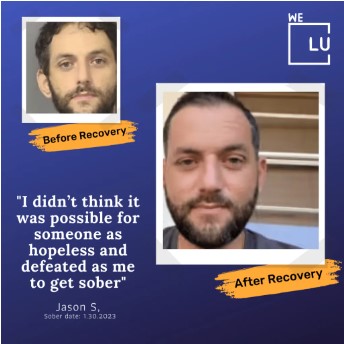
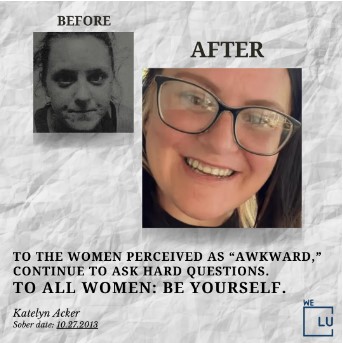
See our authentic success stories. Get inspired. Get the help you deserve.
Start a New Life
Begin with a free call to an addiction & behavioral health treatment advisor. Learn more about our dual-diagnosis programs. The We Level Up treatment center network delivers various recovery programs at each treatment facility. Call to learn more.
- Personalized Care
- Caring Accountable Staff
- Comfortable Amenities
- Licensed & Accredited
- Renowned w/ 5-Star Reviews
We’ll Call You
Search We Level Up NJ How Long Does Suboxone Stay in Your System? Detox Topics & Resources
Sources
[1] What is Buprenorphine? – Substance Abuse and Mental Health Services Administration (SAMHSA) How Long Does Suboxone Stay in Your System? & How Long Does Suboxone Last? Related topics.
[2] Buprenorphine Treatment Practitioner Locator – Substance Abuse and Mental Health Services Administration (SAMHSA) How Long Does Suboxone Stay in Your System? & How Long Does Suboxone Last? Related topics.
[3] SUBOXONE® sublingual film – Accessdata.fda.gov US Food & Drug Administration How Long Does Suboxone Stay in Your System? & How Long Does Suboxone Last? Related topics.
[4] SUBOXONE (buprenorphine and naloxone) sublingual tablets – Food & Drug Administration (FDA) How Long Does Suboxone Stay in Your System? & How Long Does Suboxone Last? Related topics.
[6] Kumar R, Viswanath O, Saadabadi A. Buprenorphine. [Updated 2023 Apr 29]. In: StatPearls [Internet]. Treasure Island (FL): StatPearls Publishing; 2023 Jan-. Available from: https://www.ncbi.nlm.nih.gov/books/NBK459126/ How Long Does Suboxone Stay in Your System? & How Long Does Suboxone Last? Related topics.
[7] Velander JR. Suboxone: Rationale, Science, Misconceptions. Ochsner J. 2018 Spring;18(1):23-29. PMID: 29559865; PMCID: PMC5855417. How Long Does Suboxone Stay in Your System? & How Long Does Suboxone Last? Related topics.
[8] Practice Guidelines for the Administration of Buprenorphine for Treating Opioid Use Disorder – Federal Register (.gov) How Long Does Suboxone Stay in Your System? & How Long Does Suboxone Last? Related topics.
[9] Blum K, Oscar-Berman M, Femino J, Waite RL, Benya L, Giordano J, Borsten J, Downs WB, Braverman ER, Loehmann R, Dushaj K, Han D, Simpatico T, Hauser M, Barh D, McLaughlin T. Withdrawal from Buprenorphine/Naloxone and Maintenance with a Natural Dopaminergic Agonist: A Cautionary Note. J Addict Res Ther. 2013 Apr 23;4(2):10.4172/2155-6105.1000146. Doi 10.4172/2155-6105.1000146. PMID: 24273683; PMCID: PMC3835595. How Long Does Suboxone Stay in Your System? & How Long Does Suboxone Last? Related topics.
[10] Deyo-Svendsen M, Cabrera Svendsen M, Walker J, Hodges A, Oldfather R, Mansukhani MP. Medication-Assisted Treatment for Opioid Use Disorder in a Rural Family Medicine Practice. J Prim Care Community Health. 2020 Jan-Dec;11:2150132720931720. Doi 10.1177/2150132720931720. PMID: 32507023; PMCID: PMC7278292. How Long Does Suboxone Stay in Your System? & How Long Does Suboxone Last? Related topics.