A dual diagnosis recovery program is a vital step for those who face both mental health and drug issues. It can make you feel very tired and hurt your daily life over time if left alone. Finding the right dual diagnosis recovery program is the first step toward a healthy and happy life. When these complex habits take over your daily life, it is hard to find peace at home. You might feel lost, scared, or alone, but you do not have to fight this. Professional help gives you a safe space to focus on getting better and much stronger. We Level Up New Jersey offers the expert care and support you need to recover. Reclaim your happiness today and let our team guide you to a life of wellness.

Table of Contents
What Is a Dual Diagnosis Recovery Program?
A dual diagnosis recovery program is a safe place where you learn to live without using any drugs. It uses therapy and medical care to help your brain heal from the effects of mental health issues. You work with a team of experts who understand how to manage your specific and unique health needs. This process helps you find new ways to handle stress and feel good every single day now.
Professional help for drug addiction is crucial for your long term health and your total safety today. These issues are very tough to handle alone without the right medical tools and support for you. A residential behavioral health center has skilled staff who know how to treat these complex issues. Trying to heal without help can lead to major health risks that are dangerous for your body.
The National Institute on Drug Abuse says many adults need help to stop using drugs safely every year. Many people need focused care to manage their conditions safely and build a healthy and new life. Knowing you are not alone can make it easier to reach out for the help you need. Effective treatment saves lives and helps families heal from the pain of these daily and hard struggles.
Signs You May Need Dual Diagnosis Recovery Programs
- Feeling like you need drugs to handle your deep feelings of sadness or your daily stress.
- Spending too much money on drugs instead of paying for your home and your healthy food.
- Noticing that your mood changes fast and you feel very angry or very scared of others.
- Having a hard time sleeping or feeling very paranoid and scared of people in your life.
- Losing interest in your job or your family because of your drug use and mental state.
- Trying to quit on your own but finding that you always go back to old habits.
- Feeling a strong sense of guilt or shame about your current drug and mental habits.
Get Help. Get Better. Get Your Life Back.
Searching for Accredited Drug & Alcohol Rehab Centers Near You? Or Mental Health Support?
Even if you have failed previously, relapsed, or are in a difficult crisis, we stand ready to support you. Our trusted behavioral health specialists will not give up on you. Call us when you feel ready or want someone to speak to about therapy alternatives to change your life. Even if we cannot assist you, we will lead you wherever you can get support. There is no obligation. Call our hotline today.
FREE Addiction Hotline – Call 24/7The Importance of Professional Care
Getting professional help is vital because this disorder can hurt your body in many deep and hard ways. Drugs can damage your heart and your brain if the habit lasts for a very long time. You might also miss out on the nutrition you need to stay strong and feel very good. Experts at a treatment center can stop this cycle and keep your body safe and very healthy.
We provide a safe space where you can focus on the root of the dual diagnosis problem. Our team looks at why you use and helps you find new ways to handle your mind. You get to work with doctors who understand the science behind your dual diagnosis recovery program. This level of care ensures that every part of your health is being watched very closely now.
Living with this disorder can make you feel very lonely and cut off from all your friends. Professional care brings you back into a community of people who want to see you succeed today. You will learn that you are not the only one facing these tough and daily battles now. We give you the strength to face your fears and build a better future for yourself.
Why Choose We Level Up New Jersey?
We Level Up New Jersey offers a top-tier dual diagnosis recovery program made for your specific life needs. Our center has a calm and safe vibe to help you focus only on getting better now. We have a team of kind experts who treat you with respect during your whole stay here. You can trust our skilled staff to guide you through every part of your healing journey today.
Our facility acts as a residential behavioral health center that treats the whole person and not just symptoms. We use proven therapies to help you understand your addiction and learn how to manage it well. Our team works with you to build a plan that fits your life and your goals now. This personal touch ensures you get the exact dual diagnosis recovery program needed to heal.
Choosing us means you get 24/7 care from people who truly care about your long-term and total success. We help you plan for life at home and keep you connected to supportive and kind friends. Our team wants you to succeed and gives you the resources to handle your real life now. We are here to help you build a life full of hope and free from pain.
Ready to get started? Call (201)389-9370 or email verifyadmissions@welevelup.com today. A better life is waiting for you.
Get Your Life Back
Find Hope & Recovery. Get Safe Comfortable Detox, Addiction Rehab & Mental Health Dual Diagnosis High-Quality Care at the We Level Up Treatment Centers Network.
Hotline (877) 378-4154“No wrong door” integrated care
SAMHSA’s “no wrong door” policy ensures that wherever you seek help—mental health clinic or substance use center—you’re assessed for both conditions and guided to the right services [8]. This seamless approach prevents your needs from falling through cracks.
| Model | Description |
|---|---|
| Coordinated care | Separate services with communication between providers |
| Co-located services | Mental health and addiction services in the same facility |
| Fully integrated | Single team delivers combined treatment, ensuring seamless collaboration and shared planning |
What to Expect During Co Occurring Recovery Treatment Plans
The path starts with a full check-up to see exactly what you need for your own recovery. Doctors look at your health history to make a safe and effective dual diagnosis care plan. This detailed look allows us to create a program that fits your specific and deep emotional needs. You will feel safe knowing we have a plan just for you as you start today.
Next, you engage in mental health programs to learn about your condition and how to heal fast. You will talk in groups and one-on-one sessions to build new skills for your daily life. Therapists use methods like behavioral therapy to change the habits that make you feel very bad now. These talks help you feel good and give you confidence to face the world again today.
We also teach you how to stay well after you leave our care and return back home. You will learn to handle stress and triggers without falling back into old and harmful drug habits. We connect you with support groups near your home for help whenever you might need it now. We make sure you leave our center ready to live a healthy life of true joy.
Benefits of Integrated Recovery Dual Diagnosis
- A safe place to heal away from the stress and the pain of your life.
- Constant care from doctors and nurses day and night for your total and complete safety.
- Therapy to help you understand your mind and your drug habits much better than before.
- Support from others who are going through the same hard and tough life things today.
- Learning tools to handle stress and emotions in very healthy and new ways for you.

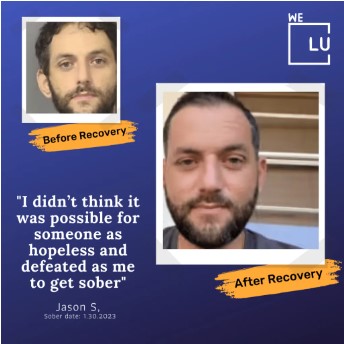
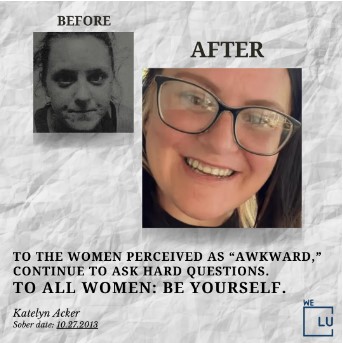
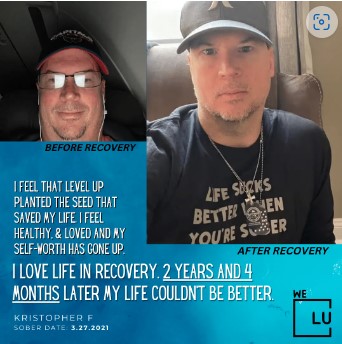
Experience Transformative Recovery at the We Level Up Treatment Center.
See our authentic success stories. Get inspired. Get the help you deserve.
Start a New Life
Begin with a free call to an addiction & behavioral health treatment advisor. Learn more about our dual-diagnosis programs. The We Level Up treatment center network delivers various recovery programs at each treatment facility. Call to learn more.
- Personalized Care
- Caring Accountable Staff
- Comfortable Amenities
- Licensed & Accredited
- Renowned w/ 5-Star Reviews
We’ll Call You
Long-Term Recovery and Aftercare
Recovery does not end when you leave our center; it is a lifelong path of true growth. We help you build a solid aftercare plan to keep you on the right and safe track. This plan includes seeing a therapist and joining support groups in your local and own community. Staying connected to help is the best way to ensure you stay healthy and very strong.
Our team teaches you how to spot the signs of a relapse before it ever happens now. You will have a list of tools to use when you feel very stressed or sad. Knowing what to do in hard times gives you the power to stay in total control. We want you to feel confident as you step back into your normal and daily life.
We also offer alumni programs where you can stay in touch with our caring staff members today. These programs let you share your success and get help if you ever feel very stuck. You are always part of our family, and we are here for you forever and ever. Long-term health is possible when you have a strong team standing right behind you every day.

Contact We Level Up New Jersey Today
Starting a dual diagnosis recovery program is a brave choice that can save your life and future. You can call We Level Up New Jersey right now to talk about how we can help. We will check your insurance fast to tell you about the costs and the help today. Our team is here all day and night to answer questions and to guide you.
FAQs About Dual Diagnosis Long Term Recovery
What is the main goal of treatment for this dual diagnosis condition now?
The main goal is to stop the use of drugs and heal your brain and body. We want to help you learn how to live a life that is truly happy today. Treatment also focuses on the feelings and thoughts that lead to your harmful and bad drug use. We aim to give you a healthy relationship with yourself and your own new body.
How do you treat dual diagnosis in a residential setting today at your center?
We use therapy to teach you how to handle the urges to use the drug again now. Our staff provides a safe space where you can focus on your own health and goals. We also use talk therapy to address any underlying stress or anxiety you have right now. This whole-person approach helps you heal both your mind and your body together as one.
Is dual diagnosis rehab the same thing as treatment for only alcohol use today?
While they are similar, dual diagnosis treatment focuses on the specific ways these issues hurt your brain. These issues affect your energy and your mood in a very deep and direct way now. Our team builds a plan that addresses these specific issues to help you recover very fast. Every person needs a different kind of care and we provide that for you today.
Can adults get help for drug use and mental health at your center?
We primarily focus on helping adults who are struggling with various drug and deep mental issues. Our programs are tailored to the needs of grown-ups facing complex life and health challenges today. If you are an adult seeking help, we have the right tools for you right now. We can also provide resources for your family if they need help or support today.
How long does it take to see progress in your dual diagnosis care?
Many people start to see changes within the first few weeks of professional and kind care. The time it takes depends on how long you have had the drug habit issues now. We work at your pace to ensure you feel safe and ready for change today. Consistency and support are the keys to making progress that lasts for your whole life.
Do I need a doctor’s referral to start your dual diagnosis program today?
You do not need a referral from another doctor to call us for help right now. You can reach out to our admissions team directly to start the process right away today. We will conduct our own assessment to see if our program fits your specific needs. Our goal is to make starting treatment as easy and fast as possible for you.
Will I have a private room during my stay here at your facility?
Room setups can vary, so please ask our team about the current available options for you. We strive to provide a comfortable and peaceful environment for every person we treat right here. Your comfort is important to us because it helps you focus on your own recovery today. We will do our best to accommodate your needs and make you feel home.
What happens if I start using drugs again after I leave your center?
If you have a setback, you should reach out to your support team as soon as possible. We provide you with an aftercare plan specifically for these types of tough and hard moments. A relapse does not mean you failed; it means you need a little more help today. We are always here to guide you back to health and your happy goals.
Ready to Get Started?
You do not have to fight the battle of dual diagnosis alone for one more day. We Level Up New Jersey is here to give you the expert treatment you need. Our team is ready to guide you to a life of health and peace. We offer a safe and supportive place where you can focus on getting better. We have the tools and the people to help you change your life now.Drug use and mental health can make you feel like you have no hope today. You have the power to change your story with the right help and the right plan. We help people just like you break free from pain and find true joy again. Do not let fear keep you from making the call that saves your own life. You deserve to be healthy and free from the eating disorder support of this struggle.
Ready to get started? Call (201)389-9370 or email verifyadmissions@welevelup.com today. A better life is waiting for you.