Many people ask the same question: does alcohol help anxiety? After a stressful day, a drink may seem like an easy way to relax. Some people say alcohol helps them feel calmer, less shy, or less worried in social settings. At first, it may feel like it works. You may notice your muscles relax. You may feel more talkative. Your racing thoughts may slow down for a short time. That early calm feeling can make alcohol seem helpful.
But the truth is more complex. While alcohol may bring short relief, it often makes anxiety worse later. Understanding the real alcohol effects on anxiety can help you to find mental health treatment for your health.
Table of Contents
Why Alcohol Feels Like It Helps Anxiety
When you drink alcohol, it slows down your brain. It reduces activity in parts of the brain that control fear and stress. That slowdown can make you feel relaxed or less nervous. For someone who often feels anxious, this calm feeling can seem like relief. If you struggle with social anxiety, alcohol may make it easier to talk or feel confident. That is why the does alcohol help anxiety question comes up so often.
However, this calm feeling does not last. Alcohol changes brain chemicals only for a short time. Once it leaves your body, the brain reacts in the opposite way. That reaction can increase anxiety.
How Alcohol Effects on Anxiety Change Over Time
The alcohol effects on anxiety are not simple. At first, alcohol slows the nervous system. Later, your brain tries to fix that slowdown. It sends stronger stress signals to stay balanced. When alcohol wears off, you may feel restless, tense, or worried. Your heart may beat faster. Your thoughts may race. This rebound effect is common.
If you drink often, your brain adjusts to regular alcohol use. It becomes more sensitive to stress. Over time, your normal anxiety level may rise. This means drinking can slowly increase anxiety instead of reducing it.
Get Your Life Back
Find Hope & Recovery. Get Safe Comfortable Detox, Addiction Rehab & Mental Health Dual Diagnosis High-Quality Care at the We Level Up Treatment Centers Network.
Hotline (877) 378-4154
Alcohol Anxiety Relief Myths
There are many alcohol anxiety relief myths that confuse people. These myths make alcohol seem like a safe solution for stress.
Myth 1: Alcohol is a Good Way to relax.
Alcohol may feel relaxing at first, but it does not solve the cause of anxiety. It only hides symptoms for a short time. When the alcohol leaves your system, stress often returns stronger. True relaxation comes from healthy habits. These include sleep, exercise and learning coping skills. Alcohol cannot replace those tools.
Myth 2: Drinking Helps Social Anxiety
Some people believe drinking makes them more confident. While alcohol may lower fear for a short time, it also lowers judgment. After the event, you may feel embarrassed or worried about what you said. Relying on alcohol in social settings can prevent real growth. Building confidence through practice lasts longer than confidence from drinking.
Myth 3: One Drink Is Harmless for Anxiety
Even small amounts of alcohol can affect mood and sleep. Some people feel anxious the next day after only one or two drinks. Everyone’s body reacts differently. The idea that alcohol always helps anxiety is a myth. For many people, it quietly makes things worse.
Get Help. Get Better. Get Your Life Back.
Searching for Accredited Drug & Alcohol Rehab Centers Near You? Or Mental Health Support?
Even if you have failed previously, relapsed, or are in a difficult crisis, we stand ready to support you. Our trusted behavioral health specialists will not give up on you. Call us when you feel ready or want someone to speak to about therapy alternatives to change your life. Even if we cannot assist you, we will lead you wherever you can get support. There is no obligation. Call our hotline today.
FREE Addiction Hotline – Call 24/7Drinking to Ease Anxiety Myths and Reality
Many people drink to ease anxiety because they want fast relief. It is understandable to want calm when your mind feels busy or fearful. But drinking to cope can create a cycle. You drink to feel better. Later, anxiety comes back stronger. You drink again to escape those feelings. Over time, this pattern can grow into alcohol dependence.
Drinking to ease anxiety myths can hide the real problem. Anxiety needs proper care, not temporary numbness. Without healthy support, both anxiety and drinking can grow worse together.
Alcohol Anxiety Symptoms to Watch For
If alcohol increases your anxiety, you may notice certain signs. Alcohol anxiety symptoms can appear during drinking, the next day, or during withdrawal.
Common symptoms include:
- Racing heart
- Shaking
- Sweating
- Trouble sleeping
- Restlessness
- Panic attacks
- Strong worry
- Feeling on edge
Many people experience hangover anxiety. This includes guilt, fear, and replaying events in your mind. If this happens often, alcohol may be worsening your anxiety.
Comfortable Facilities & Amenities
High-Quality Addiction & Mental Health Rehabilitation Treatment
Rehab Centers TourRenowned Addiction Centers. Serene Private Facilities. Inpatient rehab programs vary.
Addiction Helpline (877) 378-4154Proven recovery success experience, backed by a Team w/ History of:
15+
Years of Unified Experience
100s
5-Star Reviews Across Our Centers
10K
Recovery Success Stories Across Our Network
- Low Patient to Therapist Ratio
- Onsite Medical Detox Center
- Comprehensive Dual-Diagnosis Treatment
- Complimentary Family & Alumni Programs
- Coaching, Recovery & Personal Development Events
The Cycle of Alcohol and Anxiety
The connection between alcohol and anxiety often becomes a loop. Anxiety leads to drinking. Drinking increases anxiety later. Increased anxiety leads to more drinking. This cycle can slowly build over months or years. The brain becomes more sensitive to stress. You may feel anxious even when you are not drinking. Breaking this cycle can feel hard, but it is possible. With Medication Assisted Treatment, both alcohol use and anxiety can improve.
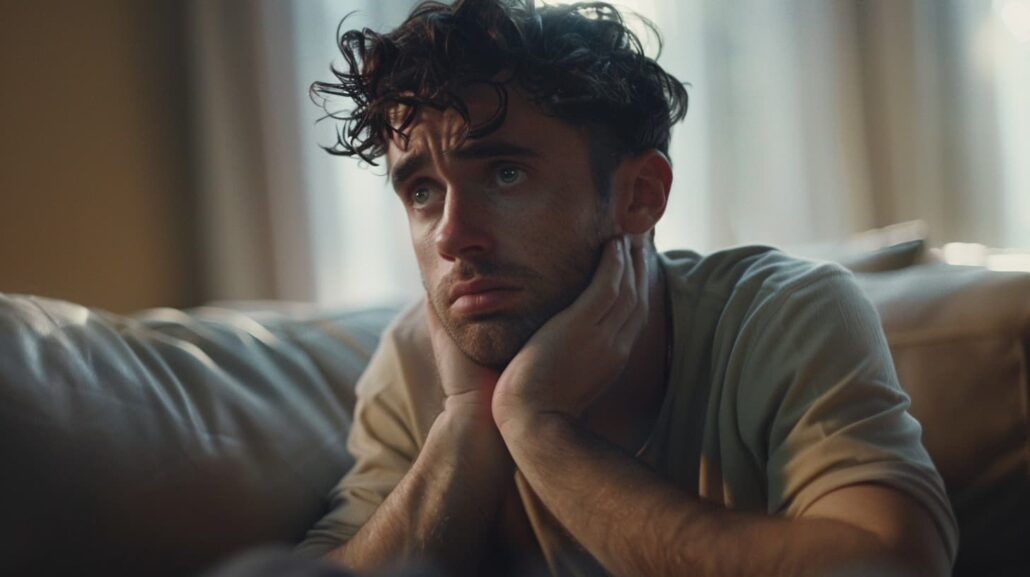
Healthy Ways to Manage Anxiety
If you wonder does alcohol help anxiety, the better question may be what truly helps anxiety long term. There are healthier ways to calm your nervous system.
You can try:
- Slow breathing exercises
- Daily walks or light exercise
- Talking with a therapist
- Joining support groups
- Keeping a regular sleep schedule
- Writing in a journal
These tools take practice. They may not work instantly like alcohol feels like it does. But they create steady and lasting change.
World-class, Accredited, 5-Star Reviewed, Effective Addiction & Mental Health Programs. Complete Behavioral Health Inpatient Rehab, Detox plus Co-occuring Disorders Therapy.
CALL (877) 378-4154End the Addiction Pain. End the Emotional Rollercoaster. Get Your Life Back. Start Drug, Alcohol & Dual Diagnosis Mental Health Treatment Now. Get Free No-obligation Guidance by Substance Abuse Specialists Who Understand Addiction & Mental Health Recovery & Know How to Help.
When to Seek Professional Help
If you notice that alcohol and anxiety are connected in your life, it may be time to talk to a professional. You may need help if:
- You drink daily to feel calm
- Anxiety feels worse after drinking
- You struggle to stop drinking
- Panic attacks happen often
- Drinking affects work or relationships
Treatment programs can help with both anxiety and alcohol use at the same time. This approach is called dual diagnosis care. Treating both conditions together leads to better results. You deserve help without shame. Many people face this same struggle.
Why Choose We Level Up NJ for Alcohol and Anxiety Treatment?
When alcohol and anxiety affect your life together, it can feel like a hard cycle to break. You may drink to feel calm, but later your anxiety comes back even stronger. At We Level Up NJ, care is designed to treat both alcohol use and anxiety at the same time. This helps you feel more balanced and supported from the start.
The team understands how these two issues are connected. Doctors, therapists, and support staff work closely with you to build a care plan that fits your needs. You are treated with kindness and respect, not judgment. This makes it easier to open up and begin healing in a safe space.
Ready to get started? Call (201)389-9370 or email verifyadmissions@welevelup.com today. A better life is waiting for you.
Experience Transformative Recovery at the We Level Up Treatment Center.
See our authentic success stories. Get inspired. Get the help you deserve.
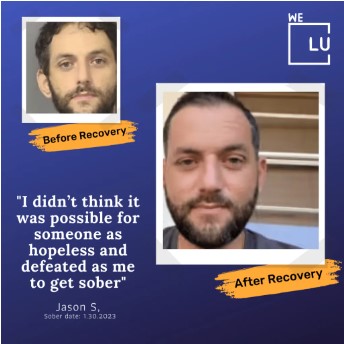
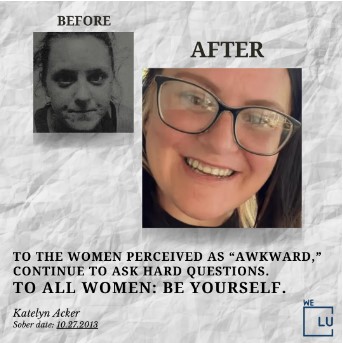
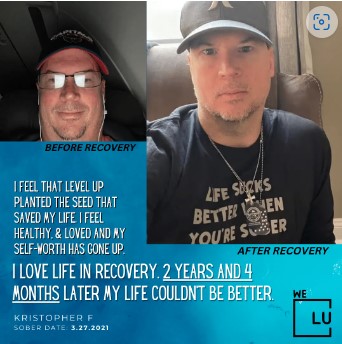
Start a New Life
Begin with a free call to an addiction & behavioral health treatment advisor. Learn more about our dual-diagnosis programs. The We Level Up treatment center network delivers various recovery programs at each treatment facility. Call to learn more.
- Personalized Care
- Caring Accountable Staff
- Comfortable Amenities
- Licensed & Accredited
- Renowned w/ 5-Star Reviews
We’ll Call You
Frequently Asked Questions
Does alcohol help anxiety?
Alcohol may feel calming at first, but it usually increases anxiety later. The relief is short-term.
Why do I feel anxious after drinking?
As alcohol leaves your body, stress chemicals increase. This can cause nervous feelings and racing thoughts.
Can alcohol cause panic attacks?
Yes. Alcohol anxiety symptoms can include panic attacks, especially during hangovers or withdrawal.
Is drinking to ease anxiety safe?
Drinking to ease anxiety myths suggest it helps, but it can lead to dependence and worse anxiety over time.
Can stopping alcohol improve anxiety?
For many people, reducing or stopping alcohol lowers anxiety gradually.
Where can I get help?
You can speak with a doctor, therapist or addiction treatment center for support.
Ready to get started?
So, does alcohol help anxiety? While it may feel calming for a short time, it often makes anxiety worse later. The cycle of alcohol and anxiety can grow stronger over time. Drinking to cope may seem easy, but it does not solve the root problem.
If you or someone you love struggles with anxiety and alcohol use, help is available. Reach out today to speak with a caring professional. With the right support, you can find healthier ways to manage anxiety and build a calmer, stronger future.
Ready to get started? Call (201)389-9370 or email verifyadmissions@welevelup.com today. A better life is waiting for you.