
Exploring the connection between trauma and addiction in recovery helps people see why healing takes time and care. Many people carry pain from the past that still affects their daily life. This pain can make them feel scared, sad, or alone, even when things seem okay. Some turn to drugs or alcohol to feel better for a short time, but this can lead to more problems later. Recovery is not just about stopping substance use, but also about healing the hurt inside. When people understand this link, they can begin to feel hope again. With the right support, they can learn new ways to cope and feel safe. This journey may be hard, but real change is possible.
Table of Contents

What Is the Connection Between Trauma and Addiction?
The connection between trauma and addiction means pain from the past can lead to substance use. Trauma is when a person goes through something very scary or harmful. This can include abuse, loss, or long stress over time. These events can change how the brain feels fear and stress each day. A person may feel sad, scared, or upset very often. To feel better, they may use drugs or alcohol for quick relief. This can seem to help at first, but it can lead to addiction later. Over time, the body and mind may start to depend on these substances.
The National Institute on Drug Abuse (NIDA) says trauma and stress can raise the risk of addiction. This shows how strong the trauma and addiction relationship can be for many people. When trauma is not treated, the pain can stay and grow worse over time. This makes it harder to stop using substances without help. Treatment should focus on both trauma and addiction at the same time. This helps people heal fully and learn safer ways to cope. With the right care, people can recover and build a better life.
Signs You May Need Help for Trauma and Addiction
- Use drugs or alcohol to feel calm
- Feel sad, scared, or upset most days
- Have bad dreams or trouble sleeping
- Avoid people or places from the past
- Get angry or stressed very fast
- Want to be alone most of the time
- Keep using even when it causes harm

Get Your Life Back
Find Hope & Recovery. Get Safe Comfortable Detox, Addiction Rehab & Mental Health Dual Diagnosis High-Quality Care at the We Level Up Treatment Centers Network.
Hotline (877) 378-4154Why Choose We Level Up NJ for Trauma and Addiction Treatment?
We Level Up NJ helps people heal from trauma and addiction in a safe way. Many people struggle with painful memories and substance use at the same time. This center understands how both problems are connected. The team gives care that focuses on healing the mind and body together. Each person gets a simple and clear plan for recovery. This helps them feel supported from the very first day. Staff members are trained to help with both trauma and addiction needs. They listen with care and treat each person with respect. The goal is to help people feel safe and understood during treatment.
We Level Up NJ also helps people break the cycle of trauma and addiction. Therapy sessions help patients talk about their past in a safe space. They also learn easy skills to handle stress and strong feelings. These skills help reduce the need to use drugs or alcohol. The center uses both group and one-on-one support for better healing. Patients also learn how to avoid triggers in daily life. This makes it easier to stay strong after treatment ends. The team also helps plan care after treatment for long-term support. With the right help, people can feel better and build a healthy life again.
Ready to get started? Call (201)389-9370 or email verifyadmissions@welevelup.com today. A better life is waiting for you.
What to Expect During Trauma and Addiction Treatment?
Treatment for trauma and addiction starts with a simple first step called an assessment. This is when the care team asks about your health, feelings, and past experiences. They also ask about substance use and daily struggles. This helps them understand your needs clearly. After this, a care plan is made just for you. The plan is easy to follow and focuses on both trauma and addiction. The goal is to help you feel safe and supported from the start. You do not have to face anything alone during this process.
Next, you will take part in therapy sessions during treatment. These sessions help you talk about pain in a safe and calm space. You will learn how trauma affects thoughts, feelings, and actions. You will also learn how trauma can lead to addiction over time. Simple tools are taught to help you manage stress and emotions. These tools can include breathing exercises and calm thinking skills. Group sessions also help you connect with others who understand your struggle. This support can help you feel less alone and more hopeful.
As treatment continues, you will also learn how to prevent relapse. This means learning how to stay away from triggers that cause substance use. You will make a plan for daily life after treatment ends. The team will also help you prepare for challenges in the real world. Aftercare support is offered to keep you strong after leaving treatment. This may include follow-up care and support groups. These steps help you stay on track and continue healing over time.
Benefits of Treating Trauma and Addiction Together
- Helps heal both pain and addiction at the same time
- Reduces chances of relapse after treatment
- Teaches healthy ways to handle stress and emotions
- Improves mood, sleep, and daily life functioning
- Builds stronger long-term recovery and stability
How to Get Started With Trauma and Addiction Treatment?
Getting help for the connection between trauma andW addiction is a brave first step today. We Level Up NJ makes it easy to start and feel supported right away. The team will guide you and answer all your questions with care.
Ready to get started? Call (201) 389-9370 or email verifyadmissions@welevelup.com now. You can ask about your options and check your insurance fast. Help is here, and you do not have to face this alone anymore.
Ready to get started? Call (201)389-9370 or email verifyadmissions@welevelup.com today. A better life is waiting for you.
FAQs About Connection Between Trauma and Addiction
What is the connection between trauma and addiction?
The connection between trauma and addiction means people use substances to cope with pain. Trauma can make feelings very strong and hard to handle. Drugs or alcohol may feel like quick relief at first. But this can lead to addiction over time.
How trauma leads to addiction?
How trauma leads to addiction starts with stress and emotional pain. People look for ways to feel better and may use substances. This can turn into a habit that is hard to stop. Over time, the body and mind depend on it.
What is the trauma addiction cycle?
The trauma addiction cycle is a loop that repeats again and again. Trauma leads to substance use, then more problems come. These problems cause more stress and more substance use. Treatment helps break this cycle safely.
What is trauma addiction treatment?
Trauma addiction treatment helps heal both trauma and addiction at once. It uses therapy, support, and care from trained experts. People learn new ways to handle stress and pain. This helps them stay sober longer.
Can trauma be treated without addiction care?
Treating trauma alone may not work if addiction is still present. Substance use can block healing and slow progress in therapy. Both issues need care together for best results. This is called dual diagnosis treatment.
How long does treatment take?
Treatment time can be short or long based on each person. Some stay for weeks, while others need more time. Healing takes patience and steady support each day. Aftercare helps keep progress strong after treatment ends.
Who is at risk for trauma and addiction relationship issues?
Anyone who has faced trauma may be at risk for addiction later. This includes people with loss, abuse, or stress over time. Not all will develop addiction, but risk is higher. Early help can lower this risk.
Why is professional help important?
Professional help gives safe and proven care for both trauma and addiction. Experts know how to guide healing step by step. Without help, recovery can feel hard and confusing. Support makes healing more possible and lasting.
Get Help. Get Better. Get Your Life Back.
Searching for Accredited Drug & Alcohol Rehab Centers Near You? Or Mental Health Support?
Even if you have failed previously, relapsed, or are in a difficult crisis, we stand ready to support you. Our trusted behavioral health specialists will not give up on you. Call us when you feel ready or want someone to speak to about therapy alternatives to change your life. Even if we cannot assist you, we will lead you wherever you can get support. There is no obligation. Call our hotline today.
FREE Addiction Hotline – Call 24/7From Trauma To Addiction “Co-Occuring Disorder/Dual Diagnosi
Experience Transformative Recovery at the We Level Up Treatment Center.
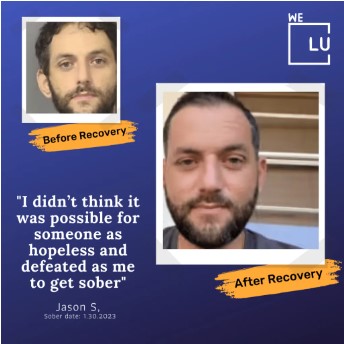
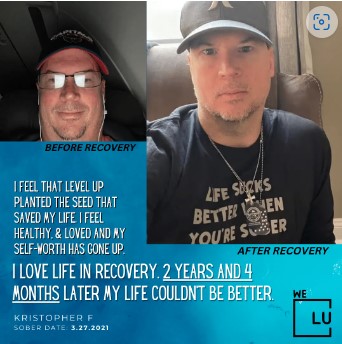
See our authentic success stories. Get inspired. Get the help you deserve.

Start a New Life
Begin with a free call to an addiction & behavioral health treatment advisor. Learn more about our dual-diagnosis programs. The We Level Up treatment center network delivers various recovery programs at each treatment facility. Call to learn more.
- Personalized Care
- Caring Accountable Staff
- Comfortable Amenities
- Licensed & Accredited
- Renowned w/ 5-Star Reviews
We’ll Call You
Sources:
[1,3] Substance use, childhood traumatic experience, and Posttraumatic Stress Disorder in an urban civilian population – National Center for Biotechnology Information
[2] Trauma Treatment – We Level Up