Living with bipolar and alcohol can feel confusing and overwhelming for many people. Mood swings can change quickly, and alcohol may seem like a way to cope. Many people do not realize how alcohol can worsen symptoms and make recovery more difficult over time.
When bipolar illness is mixed with drinking, bad things can happen. Mood swings and drinking can become a daily habit that gets worse over time. It is possible to heal with the right help. The trusted care at We Level Up NJ can help you handle your bipolar disorder and alcohol in a healthy way and make your life steadier.
Table of Contents
What Is Bipolar and Alcohol?
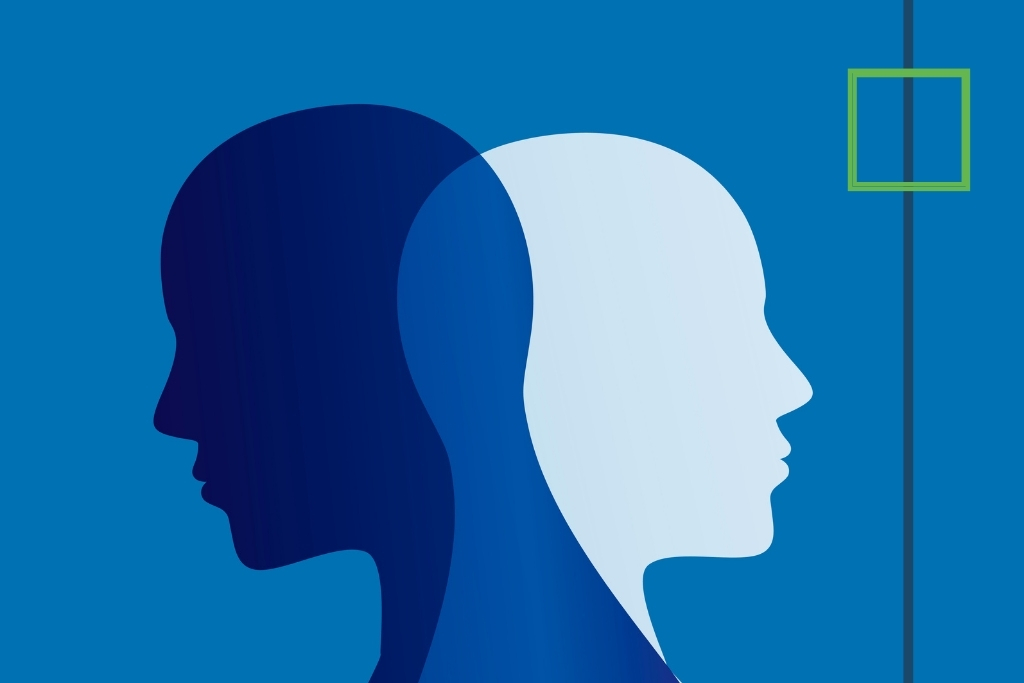
Bipolar and Alcohol talks about the link between bipolar illness and drinking. People who have bipolar disorder have mood swings that are very bad. Mood swings and times of high energy are some of these changes.
People who have bipolar disorder may drink when they are feeling down or stressed. Over time, this trend can make it harder to control bipolar disorder symptoms and lead to drug abuse.
Drinking alcohol changes the way your brain works and how you sleep. These changes can make symptoms worse and make mood swings happen more often. That’s why it’s important to get care from a professional.
Teams of people getting help often use structured treatment plans that deal with both drug abuse and mental health problems. This method helps people have better outcomes and heal more fully over time.
Get Help. Get Better. Get Your Life Back.
Searching for Accredited Drug & Alcohol Rehab Centers Near You? Or Mental Health Support?
Even if you have failed previously, relapsed, or are in a difficult crisis, we stand ready to support you. Our trusted behavioral health specialists will not give up on you. Call us when you feel ready or want someone to speak to about therapy alternatives to change your life. Even if we cannot assist you, we will lead you wherever you can get support. There is no obligation. Call our hotline today.
FREE Addiction Hotline – Call 24/7Signs You May Need Bipolar and Alcohol Treatment
- Mood swings that get worse after alcohol use
- Using drugs or alcohol to cope with emotions
- Trouble sleeping or staying on a daily routine
- Increased impulsive or risky behavior
- Struggles at work, school, or home
- Feeling depressed after drinking
- Difficulty managing symptoms of bipolar disorder
Get Your Life Back
Find Hope & Recovery. Get Safe Comfortable Detox, Addiction Rehab & Mental Health Dual Diagnosis High-Quality Care at the We Level Up Treatment Centers Network.
Hotline (877) 378-4154Why Choose We Level Up NJ for Bipolar and Alcohol?
We Level Up NJ helps people with bipolar disorder and drinking problems in every way. The program is mostly about dual diagnosis care, which helps both substance abuse and mental health problems at the same time.
Patients can get different types of care, such as help with detox placement, partial hospitalization, intensive inpatient programs, and outpatient programs. These choices make it possible to tailor care to each person’s needs.
CBT, DBT, trauma-informed care, and relapse prevention are some of the therapies that can help. These methods help people understand their actions and thoughts and learn good ways to deal with them.
The care team also talks about the risks of bipolar medications and drug interactions. This makes sure that the bipolar disorder medicine works well and safely while the person is being treated.
Everyone gets a plan that is just right for them. Licensed counselors and support staff work together to help people get better. Telehealth programs make it easier for people to get care.
Ready to get started? Call (201)389-9370 or email verifyadmissions@welevelup.com today. A better life is waiting for you.
Comfortable Facilities & Amenities
High-Quality Addiction & Mental Health Rehabilitation Treatment
Rehab Centers TourRenowned Addiction Centers. Serene Private Facilities. Inpatient rehab programs vary.
Addiction Helpline (877) 378-4154Proven recovery success experience, backed by a Team w/ History of:
15+
Years of Unified Experience
100s
5-Star Reviews Across Our Centers
10K
Recovery Success Stories Across Our Network
- Low Patient to Therapist Ratio
- Onsite Medical Detox Center
- Comprehensive Dual-Diagnosis Treatment
- Complimentary Family & Alumni Programs
- Coaching, Recovery & Personal Development Events
What to Expect During Bipolar and Alcohol Treatment
The first step in treatment is a full evaluation. Your mental health history, alcohol use, and present symptoms are looked at by providers. This step helps figure out if someone has bipolar II disorder or another type of the disease.
A care plan is made after the exam. Therapy, managing medications, and group support may be part of this plan. Patients with bipolar disorder can better understand how alcohol affects their illness if they know more about it.
People in treatment learn how to deal with triggers and make their daily habits better. During therapy, people work on controlling their emotions and making good habits.
Part of care is making sure that people don’t relapse. Patients learn how to stay away from dangerous scenarios and deal with their cravings. Planned aftercare makes sure that people continue to get help after treatment is over.
World-class, Accredited, 5-Star Reviewed, Effective Addiction & Mental Health Programs. Complete Behavioral Health Inpatient Rehab, Detox plus Co-occuring Disorders Therapy.
CALL (877) 378-4154End the Addiction Pain. End the Emotional Rollercoaster. Get Your Life Back. Start Drug, Alcohol & Dual Diagnosis Mental Health Treatment Now. Get Free No-obligation Guidance by Substance Abuse Specialists Who Understand Addiction & Mental Health Recovery & Know How to Help.
Benefits of Bipolar and Alcohol Treatment
- Integrated care for mental health and substance use
- Personalized treatment plans for each patient
- Safe use of medication for bipolar disorder
- Improved mood stability and daily function
- Support from trained and caring professionals
- Long-term recovery planning and aftercare
How Treatment Improves Outcomes
When both conditions are treated together, results improve. Patients learn how to manage moods without relying on alcohol. Education about bipolar alcohol interaction risks helps patients make safer choices.
Therapy supports emotional balance and helps reduce harmful behaviors. Medical care ensures medications are used safely. Over time, patients build confidence and stability. Support also focuses on long-term wellness. Patients learn skills that help them manage stress and maintain progress.
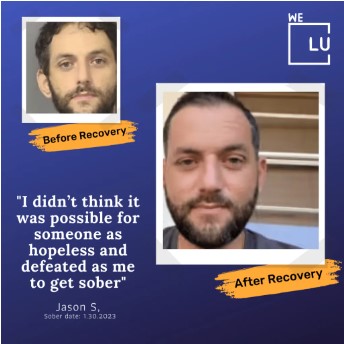
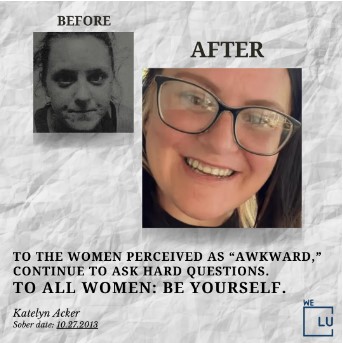
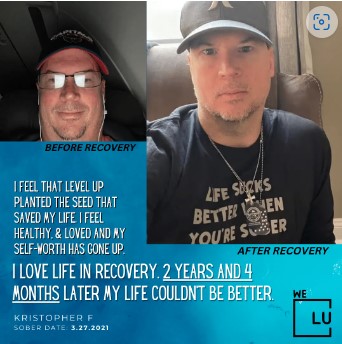
Experience Transformative Recovery at the We Level Up Treatment Center.
See our authentic success stories. Get inspired. Get the help you deserve.
Start a New Life
Begin with a free call to an addiction & behavioral health treatment advisor. Learn more about our dual-diagnosis programs. The We Level Up treatment center network delivers various recovery programs at each treatment facility. Call to learn more.
- Personalized Care
- Caring Accountable Staff
- Comfortable Amenities
- Licensed & Accredited
- Renowned w/ 5-Star Reviews
We’ll Call You
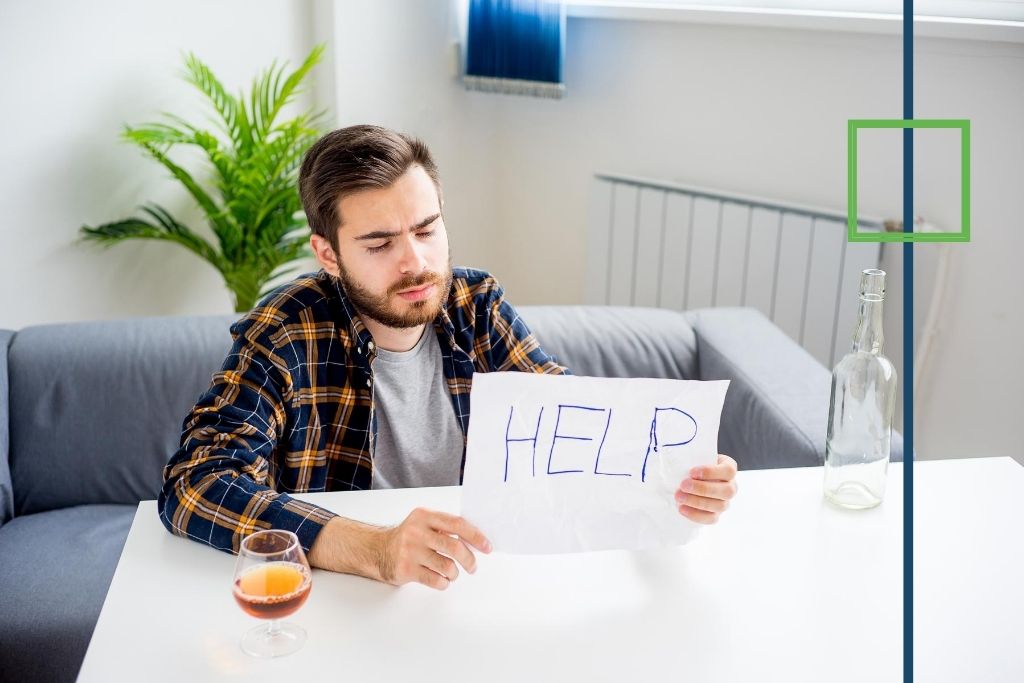
Understanding the Risks of Mixing Bipolar Disorder and Alcohol
Alcohol can increase the intensity of mood changes. During manic phases, it may lead to risky behavior. During depressive phases, it can deepen depression and isolation.
The drinking alcohol bipolar disorder risks include more frequent episodes, poor decision-making, and strained relationships. Alcohol may also interfere with treatments for bipolar disorder, making them less effective.
Sleep problems are common when alcohol is involved. Poor sleep can trigger mood episodes, which can then lead to more drinking. This cycle can continue without proper care.
Mixing Alcohol and Bipolar Medication
Bipolar disorder is often treated with both counseling and medication. Medication is crucial in the case of bipolar disorder. While bipolar disorder is physiologically based and can continue even when a person has significant psychological improvement during treatment, trauma and other personal variables can worsen and trigger its symptoms.
The mood stabilizers known as anticonvulsants are the ones that are most usually used for alcohol and bipolar disorder. Bipolar illness medications can help avoid or minimize the symptoms of mania and depression. Bipolar disorder sufferers run a high risk of major manic or depressive episodes if they stop taking their meds, believing their symptoms have been treated.
Abusing drugs or alcohol greatly increases the likelihood that an individual with bipolar disorder would stop taking their medications, which could result in the return of symptoms that may have been under control for a very long period. Additionally, substance abuse disrupts the treatment process, resulting in persons losing or forgetting abilities or insights gained during treatment. Dropping out of treatment for bipolar disorder can have profound implications, including hospitalization or even suicidal attempts.


Building Healthy Habits During Recovery
Recovery from bipolar and alcohol improves when daily habits are stable and simple. Small steps done every day can protect mood and reduce relapse risk. A steady routine helps the brain feel safe and balanced.
Sleep is very important. Getting up and going to bed at the same time every day can help keep your mood stable. Limiting your time spent on screens at night and not drinking alcohol before bed are both good sleep habits.
Food quality is also important. Well-balanced meals are good for your brain and give you steady energy. Limiting your coffee and water intake can help you feel less anxious and irritable.
Working out can make you feel better and lower your stress. Light exercises like yoga, walks, or stretching can help. Moving around regularly helps keep your emotions stable.
It’s important to have support services. Talking to trusted family, friends, or a doctor can help you feel less alone. People can share their stories and learn from each other in groups.
It can be helpful to keep track of your feelings and triggers. Keeping a journal can help people see trends in how their mood changes and how much alcohol they drink. Being aware helps you make better decisions.
As long as you follow your treatment plan and take your medicine as prescribed, your bipolar disorder symptoms will stay stable. Check-ins with providers on a regular basis make sure that care stays safe and efficient.
FAQs About Bipolar and Alcohol
What is bipolar disorder and alcohol, and why is it risky?
Bipolar and alcohol can worsen symptoms and increase relapse risk, making it harder to manage mental health conditions safely.
How does We Level Up NJ offer help?
We provide therapy, medical care, and support to treat bipolar and alcohol disorders together.
What are bipolar disorder alcohol effects?
Bipolar disorder alcohol effects include mood instability, sleep problems, and reduced treatment success.
Can alcohol trigger bipolar episodes?
Yes, drinking can make people with bipolar illness go through both manic and depressive episodes.
Are there bipolar medication alcohol interaction risks?
Yes, bipolar medication alcohol interaction include side effects and reduced effectiveness.
Is bipolar disorder substance abuse common?
Yes, bipolar disorder substance abuse are common due to emotional coping patterns.
How to Get Started
A lot of people put off getting help because they’re not sure what to do or are afraid. Addicts who also drink can find it hard to stay sober, and their symptoms may get worse over time. It can be hard to break the loop of mood swings and drinking if you don’t have help.
We make the process easy and helpful here at We Level Up NJ. Our staff helps you figure out what you need, make a plan, and get care right away. Every step of the way, you will get help.
To get in touch with our team, call (877) 378-4154 or fill out our verify insurance form. You can get better, and we’re here to help you when you need it most.
Ready to get started? Call (201)389-9370 or email verifyadmissions@welevelup.com today. A better life is waiting for you.