
Antibiotics and alcohol are often talked about together, and many people feel confused about what is safe. A person may wonder if they can drink while taking medicine for an infection. This question matters even more for people dealing with stress, mental health issues, or addiction. Mixing substances can affect both the body and the mind in ways that are not always clear at first.
This article explains antibiotics and alcohol in very simple terms. It shows the risks, the side effects, and what can happen when both are used together. It also shares safe steps and helpful advice so a person or their loved one can make better choices and protect their health.
Table of Contents
What are Antibiotics and Alcohol?
Antibiotics are medicines that help the body fight infections caused by bacteria. Doctors give them to treat many common problems like throat infections, skin infections, or lung infections. Alcohol is a drink that affects the brain and body. When people talk about antibiotics and alcohol, they mean using both at the same time. This mix can change how the medicine works and how the body reacts.
Many people think it is safe to drink a little alcohol while taking antibiotics. In some cases, this may not cause strong harm, but it is still not always safe. Some antibiotics can react badly with alcohol and cause serious symptoms. The body may not heal as well, and the infection may take longer to go away. According to health data from U.S. government sources, many people do not finish their antibiotics as directed, which can make infections harder to treat. Mixing alcohol can make this problem worse.

Get Your Life Back
Find Hope & Recovery. Get Safe Comfortable Detox, Addiction Rehab & Mental Health Dual Diagnosis High-Quality Care at the We Level Up Treatment Centers Network.
Hotline (877) 378-4154Antibiotics and Alcohol Effects Drug Facts
Signs You May Need to Be Careful With Antibiotics and Alcohol
Some signs show that mixing antibiotics and alcohol may not be safe for a person. It is important to watch for these signs and take them seriously.
- Feeling very tired or weak after drinking while on antibiotics
- Strong stomach pain, nausea, or vomiting
- Fast heartbeat or trouble breathing
- Feeling dizzy or lightheaded
- Headaches that feel worse than usual
- Trouble focusing or thinking clearly
- Skin flushing or sweating
These signs may seem small at first, but they can grow worse if ignored. A person should speak to a doctor if they notice any of these problems. Listening to the body can help prevent more serious health issues.
Why Choose We Level Up NJ for Antibiotics and Alcohol Support?
We Level Up NJ offers care for people who face both health and substance use challenges. The team understands that mixing antibiotics and alcohol can be part of a bigger struggle. Some people may drink to cope with stress, pain, or emotional problems. This makes recovery more complex and requires special care.
The center provides a safe place where people can heal with support and guidance. Licensed professionals work with each person to understand their needs and build a plan that fits their life. The care team includes doctors, therapists, and support staff who focus on both physical and mental health. This approach helps people feel heard and supported at every step.
Alcohol Use Facts & Resources Fact Sheet Made Publicly Available by Substance Abuse & Mental Health Services Administration (SAMHSA)
Get Help. Get Better. Get Your Life Back.
Searching for Accredited Drug & Alcohol Rehab Centers Near You? Or Mental Health Support?
Even if you have failed previously, relapsed, or are in a difficult crisis, we stand ready to support you. Our trusted behavioral health specialists will not give up on you. Call us when you feel ready or want someone to speak to about therapy alternatives to change your life. Even if we cannot assist you, we will lead you wherever you can get support. There is no obligation. Call our hotline today.
FREE Addiction Hotline – Call 24/7What to Expect During Antibiotics and Alcohol Care
Care for antibiotics and alcohol concerns often starts with a full health check. The team looks at the person’s medical history, current symptoms, and substance use habits. This helps them understand how alcohol and antibiotics may be affecting the body. The goal is to create a clear and safe plan for recovery.
After the first step, the person may take part in therapy and support programs. These can include one-on-one counseling, group sessions, and education about safe medicine use. The care team also helps with relapse prevention, which means teaching ways to avoid harmful habits in the future. This process helps build a strong and lasting recovery.
Benefits of Understanding Antibiotics and Alcohol
Learning about antibiotics and alcohol can help a person stay safe and make better choices. It also helps families support their loved ones in a caring way.
- Helps prevent harmful drug and alcohol interactions
- Supports faster healing from infections
- Reduces the risk of strong side effects
- Builds awareness about safe medicine use
- Encourages better mental and physical health
- Helps avoid long-term health problems
Understanding these benefits can give a person more control over their health and recovery journey.
Comfortable Facilities & Amenities
High-Quality Addiction & Mental Health Rehabilitation Treatment
Rehab Centers TourRenowned Addiction Centers. Serene Private Facilities. Inpatient rehab programs vary.
Addiction Helpline (877) 378-4154Proven recovery success experience, backed by a Team w/ History of:
15+
Years of Unified Experience
100s
5-Star Reviews Across Our Centers
10K
Recovery Success Stories Across Our Network
- Low Patient to Therapist Ratio
- Onsite Medical Detox Center
- Comprehensive Dual-Diagnosis Treatment
- Complimentary Family & Alumni Programs
- Coaching, Recovery & Personal Development Events
Antibiotics Alcohol Interaction Risks
Mixing antibiotics and alcohol can lead to different risks depending on the type of medicine. Some antibiotics, like metronidazole or tinidazole, can cause strong reactions when combined with alcohol. These reactions may include nausea, vomiting, and a fast heartbeat. This can feel very uncomfortable and even scary for some people.
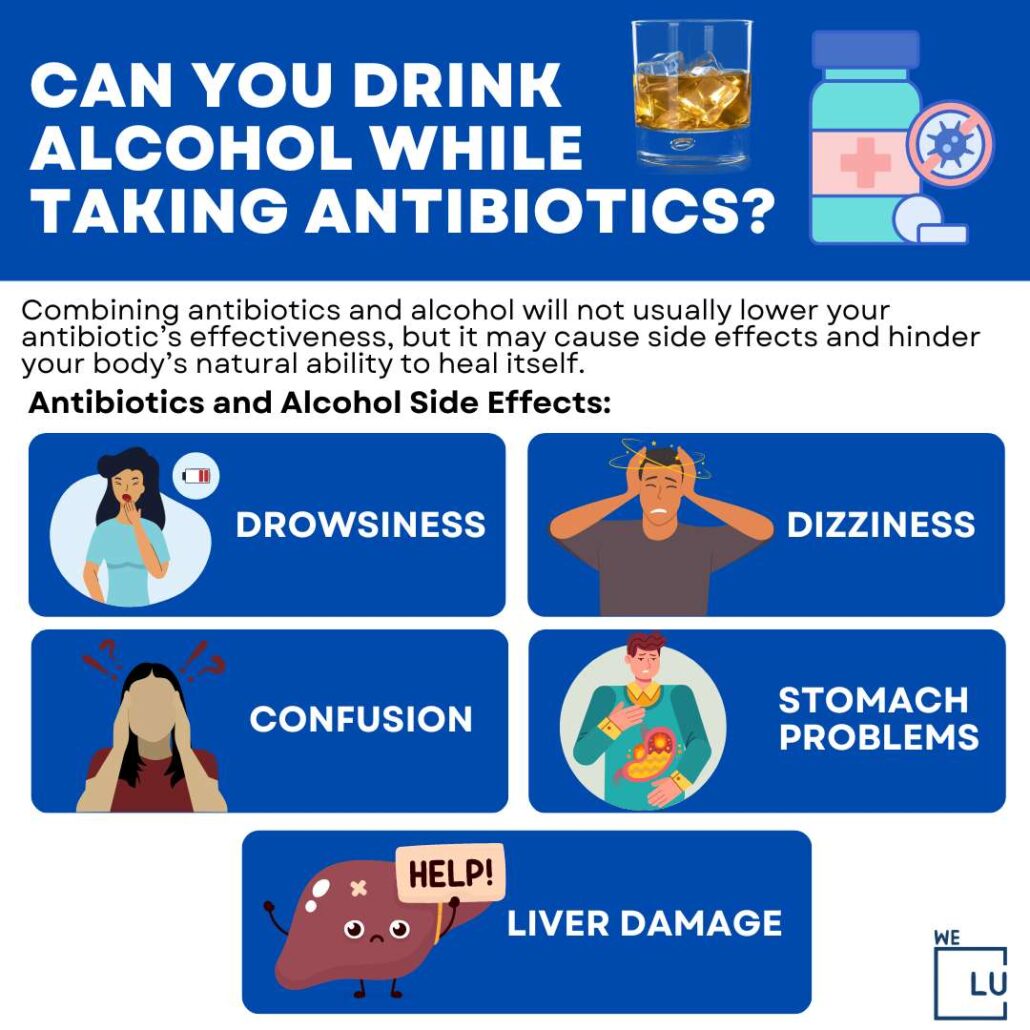
Even when the reaction is not strong, alcohol can still slow down healing. The body needs energy to fight infection, and alcohol can weaken the immune system. It can also make side effects like dizziness or drowsiness worse. This can affect daily life, work, and safety. These risks show why it is best to avoid alcohol during treatment.
Can You Drink on Antibiotics Safety
Many people ask if it is safe to drink while taking antibiotics. The answer depends on the type of antibiotic and the person’s health. Some doctors may say that small amounts of alcohol are not dangerous with certain medicines. However, this does not mean it is the best choice.
For people dealing with addiction or mental health issues, even small amounts of alcohol can be harmful. It can trigger cravings or lead to poor decisions. It may also affect how well a person follows their treatment plan. Choosing not to drink during antibiotic treatment is often the safest and most helpful option for overall health.
Antibiotic Alcohol Side Effects
Side effects can happen when antibiotics and alcohol are used together. These effects may feel mild at first but can become stronger over time. A person may feel more tired than usual or have trouble staying focused during the day.
Other side effects include stomach pain, nausea, and headaches. Some people may feel anxious or have trouble sleeping. These effects can make it harder to recover from illness and may also affect mental health. Being aware of these side effects helps people make safer choices and avoid discomfort.
World-class, Accredited, 5-Star Reviewed, Effective Addiction & Mental Health Programs. Complete Behavioral Health Inpatient Rehab, Detox plus Co-occuring Disorders Therapy.
CALL (877) 378-4154End the Addiction Pain. End the Emotional Rollercoaster. Get Your Life Back. Start Drug, Alcohol & Dual Diagnosis Mental Health Treatment Now. Get Free No-obligation Guidance by Substance Abuse Specialists Who Understand Addiction & Mental Health Recovery & Know How to Help.
Mixing Antibiotics Alcohol Dangers
The dangers of mixing antibiotics and alcohol go beyond simple side effects. In some cases, the combination can lead to serious health problems. The liver has to process both alcohol and medicine, which can put extra stress on the body. This may lead to damage over time if the habit continues.
Mixing these substances can also reduce the effectiveness of the antibiotic. This means the infection may not fully go away and could come back stronger. This can lead to longer illness and more treatment. These dangers show why careful use of medicine is important for long-term health.
Antibiotic Alcohol Warnings
Doctors often give clear warnings about mixing antibiotics and alcohol. These warnings are based on how the body reacts to certain medicines. Some antibiotics have strong reactions with alcohol that can cause sudden and severe symptoms.
It is important to read medicine labels and follow the doctor’s advice. A person should always ask questions if they are unsure about what is safe. Taking time to understand these warnings can prevent harm and support better recovery. Simple steps like avoiding alcohol during treatment can make a big difference.
FAQs
-
Can I drink a small amount of alcohol on antibiotics?
It depends on the medicine, but it is usually safer to avoid alcohol until treatment is complete.
-
What happens if I mix antibiotics and alcohol once?
Some people may feel mild effects, but others can have strong reactions depending on the drug.
-
Does alcohol stop antibiotics from working?
Alcohol can slow healing and may reduce how well the medicine works in some cases.
-
Which antibiotics should never be mixed with alcohol?
Medicines like metronidazole and tinidazole should not be mixed with alcohol at all.
-
Can alcohol make side effects worse?
Yes, alcohol can increase dizziness, nausea, and tiredness.
-
Is it okay to drink after finishing antibiotics?
It is best to wait at least 48 hours after finishing some antibiotics before drinking.
Take a Step Forward
Antibiotics and alcohol may seem like a small issue, but they can have a big impact on health and recovery. Mixing the two can lead to side effects, slow healing, and even serious risks. For people dealing with mental health or addiction, the effects can be even more harmful. Choosing to avoid alcohol while taking antibiotics is a simple step that can protect the body and support better healing.
If you or someone you love is struggling with alcohol use or has questions about safe treatment, help is available. Reach out to We Level Up NJ to get support, guidance, and a clear path toward better health and recovery.
Ready to get started? Call (201)389-9370 or email verifyadmissions@welevelup.com today. A better life is waiting for you.
Experience Transformative Recovery at the We Level Up Treatment Center.
See our authentic success stories. Get inspired. Get the help you deserve.
Start a New Life
Begin with a free call to an addiction & behavioral health treatment advisor. Learn more about our dual-diagnosis programs. The We Level Up treatment center network delivers various recovery programs at each treatment facility. Call to learn more.
- Personalized Care
- Caring Accountable Staff
- Comfortable Amenities
- Licensed & Accredited
- Renowned w/ 5-Star Reviews