
Amphetamine withdrawal can feel scary for many people. The body needs time to heal after stopping stimulants. Many people feel very tired and sad at first. Sleep and eating habits may also change quickly. This is normal during early recovery. A safe detox program can help during this hard time. Doctors and nurses watch symptoms day and night. They help people feel calm, safe, and cared for. Support makes the process easier and less stressful. Recovery takes time, but it is possible for everyone. With the right help, the brain and body can heal. Each day can feel a little better. A new and healthy life can begin with support.


Get Your Life Back
Find Hope & Recovery. Get Safe Comfortable Detox, Addiction Rehab & Mental Health Dual Diagnosis High-Quality Care at the We Level Up Treatment Centers Network.
Hotline (877) 378-4154Table of Contents
What Is Amphetamine Withdrawal?
Amphetamine withdrawal happens when a person stops using stimulants after using them often. These drugs change how the brain works every day. They raise energy, focus, and mood for a short time. When the drug stops, the brain feels slow and tired. The body needs time to learn how to work without the drug again. Many people feel very tired during this time. Some feel sad, worried, or stressed for no clear reason. Sleep may change a lot during early recovery. Some people sleep too much, while others cannot sleep well at night. Appetite may grow fast, and cravings may feel strong. These symptoms can feel scary, but they are normal. With care and time, the brain can heal and feel better again. This stage is also called amphetamine dependence withdrawal because the body has gotten used to the drug.
The National Institute on Drug Abuse (NIDA) says stimulant misuse can lead to strong withdrawal symptoms. Many people need help to stop safely and stay drug-free. Medical care can make this process safer and less stressful. Doctors and nurses watch for symptoms and help people stay comfortable. Therapy gives support for mood, stress, and cravings during recovery. Early treatment lowers health risks and improves recovery success. With the right help, people can heal step by step. Recovery takes time, patience, and strong support. A healthy and happy life is possible after withdrawal.
Signs You May Need Amphetamine Withdrawal
- Strong cravings for stimulants every day
- Feeling tired all the time
- Sudden sadness or mood changes
- Trouble focusing or thinking
- Anxiety or panic feelings
- Eating much more than usual
- Losing interest in daily life
Why Choose We Level Up NJ for Amphetamine Withdrawal?
We Level Up NJ provides safe and caring amphetamine withdrawal treatment for people who want a fresh start. The team includes doctors, nurses, and therapists who understand addiction and recovery. Each client receives a simple plan made for their needs and health. This helps people feel calm, safe, and supported from the first day. Staff treat every client with kindness, respect, and patience each day. The center offers a warm and peaceful place to begin healing. Clients never feel alone during this important step. Support is always close and ready when needed.
The center offers full amphetamine detox withdrawal treatment with care all day and night. Medical staff watch symptoms and help manage sleep, mood, and cravings. They provide medicine and therapy when it is helpful and safe. This support helps reduce stress and discomfort during early recovery. The program also focuses on long-term healing after amphetamine withdrawal ends. Clients learn simple coping skills and healthy daily habits. Mental health care is part of every treatment plan. This full approach helps prevent relapse and build a strong future.
Ready to get started? Call (201)389-9370 or email verifyadmissions@welevelup.com today. A better life is waiting for you.
What to Expect During Amphetamine Withdrawal?
The first step is a full health check. Doctors ask simple questions about drug use and health. They check sleep, mood, and body health. This helps them make a safe plan for care. Clients learn what will happen next. This helps them feel calm and ready. Staff explain each step in easy words. Support starts right away. People know they are not alone. The team stays close and ready to help. This step helps build trust and safety. It prepares the body and mind for detox.
Next comes the detox stage with medical care. This stage begins when the drug stops. The body starts to adjust and heal. People may feel very tired or sad. Some feel worried or restless. Sleep may change a lot. Staff watch symptoms day and night. They check mood, sleep, and eating daily. Medicines may help with anxiety and sadness. Comfort care helps people feel safe. The goal is to keep people calm and stable. This stage is the hardest for many people. Support makes it easier to get through each day.
After detox, therapy begins for long-term recovery. Clients join simple counseling and group talks. They learn ways to handle stress and cravings. Staff teach healthy habits for daily life. People learn how to avoid relapse risks. Family support may be part of care. Aftercare planning begins before treatment ends. Clients get support groups and follow-up care. Recovery continues step by step. Each day can feel a little better. A new routine slowly forms. Long-term healing becomes the main goal.

Understanding the Amphetamine Withdrawal Symptoms Timeline
The amphetamine withdrawal symptoms timeline is different for each person. Symptoms often start within one day after stopping drug use. Early care helps reduce stress and discomfort. Medical support makes detox safer.
During the first week, the stimulant withdrawal effects of amphetamine feel strongest. People feel very tired and may feel sad or anxious. Sleep and appetite often change quickly. This stage needs close support.
In the following weeks, symptoms slowly improve. Mood becomes more stable, and energy returns. Therapy helps people manage cravings. Recovery continues step by step.
Stimulant Withdrawal Management and Long-Term Recovery
Stimulant withdrawal management focuses on safety and comfort during detox. Medical teams track symptoms and adjust care. Therapy helps people understand cravings. Support builds confidence and hope.
Recovery includes learning healthy routines and life skills. Clients practice stress control and relapse prevention. Family therapy may help rebuild trust. These steps support long-term healing.
Aftercare planning keeps support strong after treatment ends. Clients receive referrals and support groups. Continued care lowers relapse risk. Long-term support improves success.
Benefits of Amphetamine Withdrawal
- Safe medical detox and monitoring
- Personalized treatment plans
- Therapy for mental health and addiction
- Reduced relapse risk
- Better coping and life skills
- Strong support system
How to Get Started with Amphetamine Withdrawal?
Starting amphetamine withdrawal treatment may feel overwhelming at first, but help is ready today. We Level Up NJ has a caring team that will answer questions and explain each step clearly. Support begins from the very first phone call. You will feel heard, safe, and guided right away.
Early treatment can improve comfort and recovery success. You do not need to face stimulant withdrawal alone anymore. Contact We Level Up NJ to schedule a private consultation today. Visit us at 276 Bakers Basin Rd, Lawrenceville, NJ 08648. Call (201) 389-9370 or email verifyadmissions@welevelup.com to begin your recovery journey now.
Ready to get started? Call (201)389-9370 or email verifyadmissions@welevelup.com today. A better life is waiting for you.
FAQs About Amphetamine Withdrawal
How long does amphetamine withdrawal last?
Amphetamine withdrawal may last several weeks for many people. The first week is often the hardest stage. Symptoms slowly improve over time with care. Professional treatment helps speed recovery safely.
What are common stimulant withdrawal amphetamine effects?
Common stimulant withdrawal amphetamine effects include tiredness, sadness, and strong cravings. Some people also have sleep problems and anxiety. Medical care helps manage these symptoms safely. Treatment makes recovery easier.
Is amphetamine detox withdrawal treatment necessary?
Yes, amphetamine detox withdrawal treatment is highly recommended. Medical support helps keep people safe during detox. It also reduces discomfort and relapse risk. Professional care improves recovery success.
Can amphetamine dependence withdrawal cause depression?
Yes, depression is common during amphetamine dependence withdrawal. Brain chemicals need time to balance again. Therapy and support help manage these feelings. Emotional care is very important.
What helps stimulant withdrawal management work best?
Stimulant withdrawal management works best with therapy and medical care. Support groups and aftercare also help recovery. Healthy routines lower relapse risk. Long-term support keeps recovery strong.
When should someone seek help for amphetamine withdrawal?
People should seek help as soon as they stop stimulant use. Early care improves safety and comfort. Treatment offers support and guidance. Starting early leads to better outcomes.

World-class, Accredited, 5-Star Reviewed, Effective Addiction & Mental Health Programs. Complete Behavioral Health Inpatient Rehab, Detox plus Co-occuring Disorders Therapy.
CALL (877) 378-4154End the Addiction Pain. End the Emotional Rollercoaster. Get Your Life Back. Start Drug, Alcohol & Dual Diagnosis Mental Health Treatment Now. Get Free No-obligation Guidance by Substance Abuse Specialists Who Understand Addiction & Mental Health Recovery & Know How to Help.
Experience Transformative Recovery at the We Level Up Treatment Center.
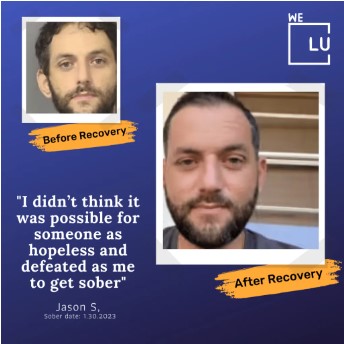
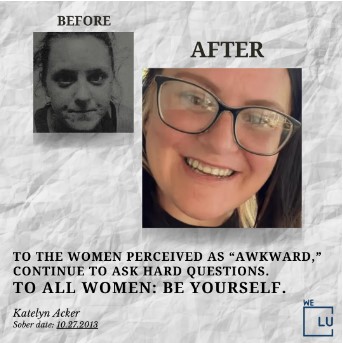
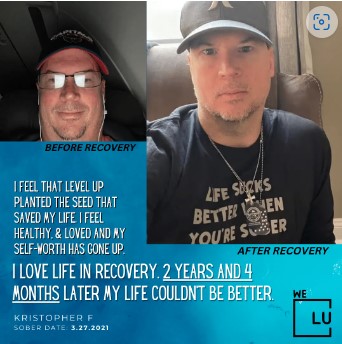
See our authentic success stories. Get inspired. Get the help you deserve.
Start a New Life
Begin with a free call to an addiction & behavioral health treatment advisor. Learn more about our dual-diagnosis programs. The We Level Up treatment center network delivers various recovery programs at each treatment facility. Call to learn more.
- Personalized Care
- Caring Accountable Staff
- Comfortable Amenities
- Licensed & Accredited
- Renowned w/ 5-Star Reviews
We’ll Call You
Sources:
[1] NCBI – https://pubmed.ncbi.nlm.nih.gov/11687170/
[2] NIH – https://medlineplus.gov/ency/patientinstructions/000792.htm
[3] NCBI – https://www.ncbi.nlm.nih.gov/pmc/articles/PMC3554477/
[4] NCBI – https://www.ncbi.nlm.nih.gov/books/NBK64119/
[5] NIH – https://medlineplus.gov/druginfo/meds/a616004.html