If you or someone you love is struggling with alcohol, you may feel scared, confused, or alone. Many people feel this way at first. The good news is that help is available. One of the most trusted support systems in the world is Alcoholics Anonymous. This program has helped millions of people stop drinking and build better lives. This guide will explain what Alcoholics Anonymous is, how it works, and how it may help you or your loved one.
What Is Alcoholics Anonymous?
Alcoholics Anonymous, often called AA, is a free support group for people who want to stop drinking alcohol. It started in 1935 and now has meetings all over the world. The program brings people together who share the same goal, which is living a life without alcohol.
The heart of Alcoholics Anonymous is peer support. This means people help each other. Members share their stories, listen without judgment, and offer hope. No one acts like a boss or teacher. Everyone is equal and understands how hard recovery can be.
The Alcoholics Anonymous program is built on a plan called the 12-step program for alcohol. These steps guide people through personal growth, honesty, and healing. Many people say the steps help them feel stronger and more peaceful over time.
How the Alcoholics Anonymous Program Works
The Alcoholics Anonymous program follows a clear and simple structure. It focuses on small daily actions instead of quick fixes. Members attend meetings, work through the 12 steps and often choose a sponsor to guide them.
A sponsor is someone who has stayed sober and wants to help others. This person listens, gives advice and supports you during hard times. Having someone who understands your struggle can make a big difference.
AA support meetings are held in person and online. Some meetings are open to anyone, including family members. Other meetings are closed and only for people who want to stop drinking. This gives members a safe place to speak honestly.

Skip To:
Understanding the 12-Step Program for Alcohol
What Are the 12 Steps?
The 12-step program for alcohol is a set of guiding principles. These steps help people admit they have a problem, take responsibility for their actions, and make positive changes. The steps also encourage spiritual growth, but they do not require a specific religion.
Each step builds on the one before it. Members move at their own pace, and no one forces them to finish quickly. The goal is steady progress, not perfection.

Why the Steps Matter
The steps teach people to look at their behavior with honesty and courage. They help members repair broken relationships and let go of guilt. Many people say this process gives them peace and self-respect.
By following the 12 steps, members learn new ways to cope with stress, anger, and fear. Instead of drinking, they build healthy habits that support long-term recovery.

Get Your Life Back
Find Hope & Recovery. Get Safe Comfortable Detox, Addiction Rehab & Mental Health Dual Diagnosis High-Quality Care at the We Level Up Treatment Centers Network.
Hotline (877) 378-4154What Happens at AA Support Meetings?
Walking into your first meeting can feel scary. You might worry about being judged or misunderstood. In most cases, you will find kind and welcoming people who remember their own first meeting. During AA support meetings, members sit together and share their experiences. Some meetings focus on reading from AA literature. Others allow open sharing about struggles and successes. You can choose to speak or just listen.
Meetings often end with words of encouragement and a reminder that no one has to fight addiction alone. Many people leave feeling lighter and more hopeful than when they arrived.
Get Help. Get Better. Get Your Life Back.
Searching for Accredited Drug & Alcohol Rehab Centers Near You? Or Mental Health Support?
Even if you have failed previously, relapsed, or are in a difficult crisis, we stand ready to support you. Our trusted behavioral health specialists will not give up on you. Call us when you feel ready or want someone to speak to about therapy alternatives to change your life. Even if we cannot assist you, we will lead you wherever you can get support. There is no obligation. Call our hotline today.
FREE Addiction Hotline – Call 24/7Who Can Join Alcoholics Anonymous?
Anyone who wants to stop drinking can join Alcoholics Anonymous. You do not need a doctor’s note or a formal diagnosis. The only requirement is a desire to quit alcohol. People from all backgrounds attend AA recovery groups. Members may be young or old, rich or poor, religious or not religious. Addiction does not choose one type of person, and neither does AA.
Family members and loved ones can also find support. Some meetings are open to guests and there are related groups like Al-Anon for families affected by alcohol use.
Comfortable Facilities & Amenities
High-Quality Addiction & Mental Health Rehabilitation Treatment
Rehab Centers TourRenowned Addiction Centers. Serene Private Facilities. Inpatient rehab programs vary.
Addiction Helpline (877) 378-4154Proven recovery success experience, backed by a Team w/ History of:
15+
Years of Unified Experience
100s
5-Star Reviews Across Our Centers
10K
Recovery Success Stories Across Our Network
- Low Patient to Therapist Ratio
- Onsite Medical Detox Center
- Comprehensive Dual-Diagnosis Treatment
- Complimentary Family & Alumni Programs
- Coaching, Recovery & Personal Development Events
Benefits of AA Recovery Groups
AA recovery groups offer more than just a place to talk. They provide a steady support system that many people need during recovery. When you attend meetings often, you build friendships with others who understand your journey.
Here are some key benefits of Alcoholics Anonymous:
- Free meetings with no membership fees
- Daily support in many communities
- A clear step-by-step recovery plan
- A sponsor for one-on-one guidance
- A safe place to share without judgment
Many members say they feel less alone after joining AA. The sense of belonging helps them stay strong during hard days.
Is Alcoholics Anonymous Enough on Its Own?
For some people, Alcoholics Anonymous works well as their main support system. Others may need more help, especially if they have severe addiction or mental health issues. In these cases, combining AA with professional treatment can be very helpful.
Treatment centers often provide medical detox, therapy, and mental health care. After treatment, many people continue attending AA support meetings to stay on track. This combination creates strong layers of support. If you feel unsure about what level of care you need, speaking with a treatment professional can guide you. You do not have to figure it out alone.
Alcoholics Anonymous and Mental Health
Many people who struggle with alcohol also deal with anxiety, depression, or trauma. Alcohol may seem like a way to cope, but it often makes mental health worse over time. The Alcoholics Anonymous program encourages honesty about emotions and struggles. While AA does not replace therapy, it can support emotional growth. Members often feel understood when others share similar mental health challenges.
If mental health symptoms feel strong or overwhelming, professional therapy can work alongside AA recovery groups. This approach supports both your mind and body.
World-class, Accredited, 5-Star Reviewed, Effective Addiction & Mental Health Programs. Complete Behavioral Health Inpatient Rehab, Detox plus Co-occuring Disorders Therapy.
CALL (877) 378-4154End the Addiction Pain. End the Emotional Rollercoaster. Get Your Life Back. Start Drug, Alcohol & Dual Diagnosis Mental Health Treatment Now. Get Free No-obligation Guidance by Substance Abuse Specialists Who Understand Addiction & Mental Health Recovery & Know How to Help.
How to Find Alcoholics Anonymous Meetings Near You
Finding AA support meetings is easier than ever. Many communities have daily meetings at local churches, community centers, or treatment facilities. Online meetings are also available for people who cannot attend in person. You can search online for Alcoholics Anonymous meetings in your city. Most meeting lists show times, locations, and whether the meeting is open or closed. This makes it simple to choose one that fits your needs.
If you feel nervous about going alone, consider bringing a trusted friend or calling the meeting contact ahead of time. Taking that first step may feel hard, but it can change your life.
Common Challenges in AA and How to Overcome Them
Some people worry that they will not fit in at Alcoholics Anonymous. It is normal to feel unsure at first. Many members say they felt the same way during their first few meetings.
Another challenge can be staying motivated. Recovery takes effort and patience. Attending meetings regularly, calling your sponsor, and working through the steps can help you stay focused.
If one meeting does not feel right, try another. Each group has its own style and energy. Keep looking until you find a place where you feel comfortable and supported.

Why Choose We Level Up NJ for Alcoholics Anonymous Treatment?
Alcoholics Anonymous can be a strong support system, but many people need more help along the way. At We Level Up NJ, you get both professional care and support that works well with AA recovery groups. This combined approach helps you feel more stable and supported during your recovery journey.
The team understands how the Alcoholics Anonymous program works and how to guide you through it. You are treated with respect and kindness from the start. Doctors, therapists, and support staff work together to create a plan that fits your needs. This helps you feel more confident as you build a life without alcohol.
Ready to get started? Call (201)389-9370 or email verifyadmissions@welevelup.com today. A better life is waiting for you.
FAQs
-
Is Alcoholics Anonymous really free?
Yes, Alcoholics Anonymous is free to attend. Meetings may collect small donations to cover rent and supplies, but giving money is not required. No one is turned away for not paying.
-
Do I have to believe in God to join AA?
The Alcoholics Anonymous program speaks about a higher power, but it does not require a specific religion. Many members define a higher power in their own way. You can choose what feels right for you.
-
How often should I attend AA support meetings?
Many people attend meetings several times a week, especially in early recovery. The more support you have, the stronger your foundation becomes. You can decide a schedule that works for you.
-
Can I join AA if I still drink sometimes?
Yes, you can attend even if you are still drinking. The only requirement is a desire to stop. Many people begin attending before they fully quit alcohol.
-
What is a sponsor and do I need one?
A sponsor is an experienced member who guides you through the 12-step program for alcohol. While not required, having a sponsor often improves success in recovery.
-
Can Alcoholics Anonymous replace rehab?
AA can support recovery but it may not replace medical treatment for severe addiction. Many people use both rehab and AA recovery groups for stronger results.
Taking the First Step Toward Recovery
Choosing to seek help takes courage. Alcoholics Anonymous offers a safe and welcoming space where people understand what you are going through. The Alcoholics Anonymous program provides structure, support and hope for lasting change. Whether you attend AA support meetings alone or combine them with professional treatment, you deserve care and understanding. If you or someone you love needs help, reach out We Level Up NJ today. A healthier, alcohol-free life can begin with one simple step.
Ready to get started? Call (201)389-9370 or email verifyadmissions@welevelup.com today. A better life is waiting for you.
Experience Transformative Recovery at the We Level Up Treatment Center.
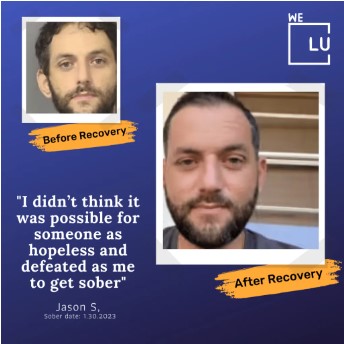
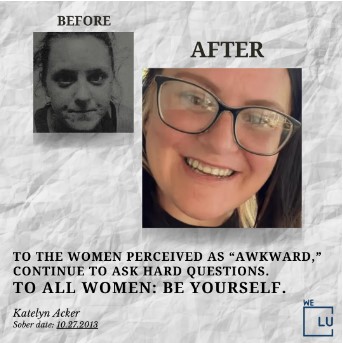
See our authentic success stories. Get inspired. Get the help you deserve.
Start a New Life
Begin with a free call to an addiction & behavioral health treatment advisor. Learn more about our dual-diagnosis programs. The We Level Up treatment center network delivers various recovery programs at each treatment facility. Call to learn more.
- Personalized Care
- Caring Accountable Staff
- Comfortable Amenities
- Licensed & Accredited
- Renowned w/ 5-Star Reviews