Many people drink alcohol to relax. After a stressful day, a drink may seem like a quick way to feel calm. Some people believe alcohol helps them feel less nervous in social situations. At first, it can feel like it works. But the truth about alcohol and anxiety is different. Alcohol may calm you for a short time, but it often makes anxiety worse later. Over time, drinking can increase fear, stress, and panic instead of helping them.
If you or someone you love struggles with anxiety and drinking, you are not alone. The alcohol and anxiety connection is common. Understanding it can help you to find right treatment for your mental health.
How Alcohol Affects Anxiety in the Brain
Your brain controls your thoughts, feelings, sleep, and stress levels. It uses tiny chemical messengers to keep everything balanced. When you feel calm, those chemicals are working in harmony. When you drink alcohol, it changes how those brain chemicals work. At first, alcohol slows down certain brain signals. This can make you feel relaxed, less shy, or less worried. That early calm feeling may seem helpful.
But the brain always tries to stay balanced. After alcohol leaves your body, your brain becomes more alert to fix the slowdown. This can cause racing thoughts, a fast heartbeat, and nervous feelings. This is one way alcohol affects anxiety.
Table of Contents
The Alcohol and Anxiety Connection
The alcohol and anxiety connection can turn into a cycle. You may drink because you feel anxious. The alcohol makes you feel better for a short time. Later, anxiety returns stronger. When anxiety comes back, you may drink again to calm it. Over time, this pattern can repeat again and again. The brain becomes more sensitive to stress with each cycle.
Drinking anxiety effects can grow slowly. At first, it may seem harmless. After months or years, anxiety may feel worse than before you started drinking.

Get Your Life Back
Find Hope & Recovery. Get Safe Comfortable Detox, Addiction Rehab & Mental Health Dual Diagnosis High-Quality Care at the We Level Up Treatment Centers Network.
Hotline (877) 378-4154
Why Alcohol Makes Anxiety Worse Over Time
Alcohol slows the nervous system when you drink. Your body responds by trying to stay awake and alert. It increases stress signals to balance things out. When alcohol leaves your body, those stress signals remain high. You may feel shaky, tense, or restless. Your heart may beat faster. Your mind may feel busy and worried.
Sleep also becomes poor when you drink often. You may fall asleep quickly, but your sleep becomes light and broken. Poor sleep makes anxiety stronger. This is another reason alcohol and anxiety often worsen together.
Alcohol Anxiety Symptoms to Watch For
Alcohol anxiety symptoms can happen while drinking, the next day, or when someone stops drinking after heavy use. These symptoms can feel intense and scary.
Common alcohol anxiety symptoms include:
- Fast heartbeat
- Sweating
- Shaking
- Restlessness
- Trouble sleeping
- Feeling on edge
- Panic attacks
- Strong worry
Some people feel very anxious the morning after drinking. They may replay conversations in their mind and feel embarrassed or guilty. This feeling is sometimes called hangover anxiety.
Drinking Anxiety Effects in Social Situations
Many people drink to feel more confident around others. If someone has social anxiety, alcohol may feel like a helpful tool. It can reduce shyness for a short time. But drinking anxiety effects can appear later. After the event, you may worry about what you said or did. You may fear that others will judge you. This can increase social anxiety instead of helping it.
When alcohol becomes the main way to feel comfortable around others, it prevents you from building real confidence. Learning social skills while sober builds stronger and lasting confidence.
Get Help. Get Better. Get Your Life Back.
Searching for Accredited Drug & Alcohol Rehab Centers Near You? Or Mental Health Support?
Even if you have failed previously, relapsed, or are in a difficult crisis, we stand ready to support you. Our trusted behavioral health specialists will not give up on you. Call us when you feel ready or want someone to speak to about therapy alternatives to change your life. Even if we cannot assist you, we will lead you wherever you can get support. There is no obligation. Call our hotline today.
FREE Addiction Hotline – Call 24/7Alcohol Withdrawal and Anxiety
If someone drinks heavily for a long time and suddenly stops, anxiety can become very strong. This is called withdrawal. The body has become used to alcohol, and stopping can shock the system.
Withdrawal anxiety can include:
- Severe shaking
- Fast heartbeat
- Sweating
- Confusion
- Panic
- Trouble sleeping
In serious cases, withdrawal can be dangerous. Medical support is important for heavy drinkers who plan to stop. Safe alcohol detox protects both physical and mental health.
Comfortable Facilities & Amenities
High-Quality Addiction & Mental Health Rehabilitation Treatment
Rehab Centers TourRenowned Addiction Centers. Serene Private Facilities. Inpatient rehab programs vary.
Addiction Helpline (877) 378-4154Proven recovery success experience, backed by a Team w/ History of:
15+
Years of Unified Experience
100s
5-Star Reviews Across Our Centers
10K
Recovery Success Stories Across Our Network
- Low Patient to Therapist Ratio
- Onsite Medical Detox Center
- Comprehensive Dual-Diagnosis Treatment
- Complimentary Family & Alumni Programs
- Coaching, Recovery & Personal Development Events
Can Alcohol Cause Anxiety Disorders?
Yes, long-term heavy drinking can increase the risk of developing anxiety disorders. When the brain stays in a stressed state for long periods, it becomes more reactive. Even people who did not have anxiety before may begin to feel panic or constant worry after years of drinking. This shows how strong the alcohol and anxiety connection can be.
If someone already has anxiety, drinking can make the condition harder to treat. Alcohol interferes with therapy progress and medication balance.

Healthier Ways to Cope With Anxiety
If you drink to calm your nerves, you are not weak. Many people look for fast relief from stress. The good news is that safer tools can work better over time.
Here are healthier ways to manage anxiety.
- Slow breathing exercises
- Gentle daily walks
- Talking to a therapist
- Joining support groups
- Keeping a regular sleep routine
- Writing down worries in a journal
These tools support your nervous system instead of harming it. They take practice but they create long-lasting change.
World-class, Accredited, 5-Star Reviewed, Effective Addiction & Mental Health Programs. Complete Behavioral Health Inpatient Rehab, Detox plus Co-occuring Disorders Therapy.
CALL (877) 378-4154End the Addiction Pain. End the Emotional Rollercoaster. Get Your Life Back. Start Drug, Alcohol & Dual Diagnosis Mental Health Treatment Now. Get Free No-obligation Guidance by Substance Abuse Specialists Who Understand Addiction & Mental Health Recovery & Know How to Help.
When to Seek Professional Help
If alcohol and anxiety feel connected in your life, professional help can make a big difference. You may benefit from support if:
- You drink to calm anxiety every day
- Anxiety feels worse after drinking
- You struggle to stop drinking
- Panic attacks happen often
- Drinking affects your job or relationships
Treatment programs can address both alcohol use and anxiety. This approach is often called dual diagnosis treatment. Treating both conditions at the same time leads to better recovery.
You deserve support and care without judgment.

Why Choose We Level Up NJ for Alcohol and Anxiety Treatment?
When alcohol and anxiety affect your life at the same time, it can feel hard to break the cycle. You may drink to feel calm, but later your anxiety becomes stronger. At We Level Up NJ, care is designed to treat both problems together. This helps you feel more stable and supported from the start.
The team understands how closely alcohol and anxiety are connected. Doctors, therapists, and support staff work together to create a plan that fits your needs. You are treated with respect and kindness, not judgment. This makes it easier to open up and begin real healing.
Ready to get started? Call (201)389-9370 or email verifyadmissions@welevelup.com today. A better life is waiting for you.
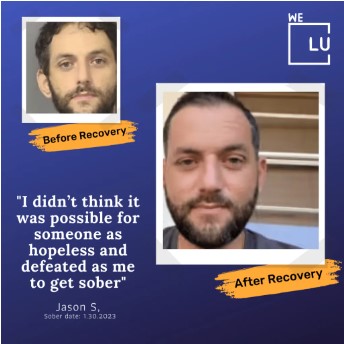
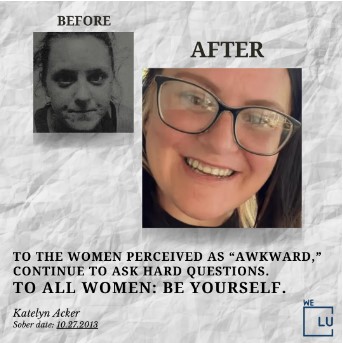
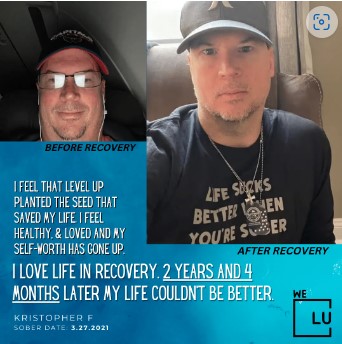
Experience Transformative Recovery at the We Level Up Treatment Center.
See our authentic success stories. Get inspired. Get the help you deserve.
Start a New Life
Begin with a free call to an addiction & behavioral health treatment advisor. Learn more about our dual-diagnosis programs. The We Level Up treatment center network delivers various recovery programs at each treatment facility. Call to learn more.
- Personalized Care
- Caring Accountable Staff
- Comfortable Amenities
- Licensed & Accredited
- Renowned w/ 5-Star Reviews
We’ll Call You
Frequently Asked Questions
Does alcohol reduce anxiety?
Alcohol may feel calming at first, but it usually increases anxiety later.
Why do I feel anxious the day after drinking?
As alcohol leaves your body, stress chemicals increase. This can cause nervous feelings.
Can alcohol cause panic attacks?
Yes. Drinking anxiety effects can include panic attacks during hangovers or withdrawal.
Is anxiety common during alcohol withdrawal?
Yes. Anxiety is one of the most common withdrawal symptoms.
Can stopping alcohol improve anxiety?
For many people, reducing or stopping alcohol lowers anxiety over time.
Where can I get help?
You can speak with a doctor, therapist or addiction treatment center for support.
Ready to get started?
Alcohol and anxiety are closely connected. While drinking may bring short-term calm feelings, it often increases stress and panic later. Over time, this cycle can make anxiety stronger and harder to manage. If you notice drinking anxiety effects in your life, you are not alone. Help is available.
Reaching out today can protect your mental health and your future. Speak with a caring professional who understands both anxiety and alcohol use. Recovery and peace are possible, and support is ready when you are.
Ready to get started? Call (201)389-9370 or email verifyadmissions@welevelup.com today. A better life is waiting for you.
Search We Level Up NJ Alcohol & Anxiety Plus Addiction Resources
Sources
[1] NIH – https://medlineplus.gov/anxiety.html
[2] WHO – https://www.who.int/news-room/fact-sheets/detail/depression
[3] NCBI – https://www.ncbi.nlm.nih.gov/pmc/articles/PMC1295099/
[4] NCBI – https://www.ncbi.nlm.nih.gov/pmc/articles/PMC3860396/
[5] we level up – 5 Ways to Manage Anxiety
Alcohol Research—Anxiety and Alcohol Use Disorders Comorbidity and Treatment Considerations
Anxiety And Depression Associates Of America—Substance Use Disorders
National Institute on Alcohol Abuse and Alcoholism—Alcohol Use Disorder
Kushner MG, Abrams K, Thuras P, et al. Follow-up study of anxiety disorder and alcohol dependence in comorbid alcoholism treatment patients. Alcohol Clin Exp Res. 2005;29(8):1432-1443. PMID: 16131851.
Chan YF, Dennis ML, Funk RR. Prevalence and comorbidity of major internalizing and externalizing problems among adolescents and adults presenting to substance abuse treatment. J Subst Abuse Treat. 2008;34(1):14-24. PMID: 17574804.