
Klonopin Detox in New Jersey: Safe Withdrawal Treatment
Klonopin detox is often the first step for people who depend on this benzodiazepine medicine. Many people use Klonopin to manage anxiety or seizures, but long use can cause dependence. When they stop fast, they may have hard or life threatening withdrawal symptoms that need care. Without help, the detox process can feel scary and […]
Editor Yamilla Francese
Clinically Reviewed by Lauren Barry, LMFT, MCAP, QS
Medically Reviewed by Ali Nikbakht, PsyD
Updated on May 26, 2026 — Editorial Policy | Research Policy

Klonopin detox is often the first step for people who depend on this benzodiazepine medicine. Many people use Klonopin to manage anxiety or seizures, but long use can cause dependence.
When they stop fast, they may have hard or life threatening withdrawal symptoms that need care. Without help, the detox process can feel scary and raise the risk of relapse or problems.
Many people feel unsure or afraid about withdrawal and early recovery. They may also feel confused. This is especially true without clear guidance or trusted medical help. At We Level Up NJ, our team gives kind, medically supervised care to help people start recovery safely.
Table of Contents
Get Your Life Back
Find Hope & Recovery. Get Safe Comfortable Detox, Addiction Rehab & Mental Health Dual Diagnosis High-Quality Care at the We Level Up Treatment Centers Network.
Hotline (877) 378-4154What Is Klonopin Detox?
Klonopin detox is a medically supervised process that helps people stop using clonazepam after dependence forms. This plan helps patients get care while their bodies adjust to lower levels of the drug. Doctors and nurses watch vital signs, mental health, and body symptoms during the detox process. Their goal is to lower risk and help each person move away from dependence in a safe way.
This process is very important for people who take high doses or use Klonopin for a long time. Long use can cause strong physical and mental dependence, making it hard to stop alone. Trying to quit fast may lead to severe withdrawal symptoms that feel scary or unsafe. Professional detox is safer because the dose is slowly lowered with expert care.
During Klonopin detox, clinicians follow a taper plan that lowers the dose little by little over time. This method helps reduce withdrawal symptoms and lets the body adjust more easily. Patients may get medicine to ease pain, help sleep, and keep mood stable during the process. A safe setting makes sure any problems are handled fast and in the right way.
Detox programs offer medical care. They also provide emotional support. Mental support is available during treatment, too. People may start therapy to help with anxiety, substance use disorder, and other issues. Early therapy helps patients learn coping skills and get ready for more recovery care. This mix of care helps both the body and mind stay steady during detox.
According to the United States Drug Testing Laboratories, misuse of benzodiazepines is a growing problem in the United States. Millions of prescriptions raise the risk of dependence and substance abuse each year. This shows why safe, supervised detox services are very important for those in need. Getting professional help can improve results and support long-term recovery success.
Signs You May Need Klonopin Detox
Knowing when you need klonopin detox treatment NJ can help stop serious health problems later. Common signs include:
- Needing higher doses to feel calm like before
- Having withdrawal symptoms when you miss or lower doses
- Using Klonopin in ways not told by your doctor
- Trouble managing anxiety without the medicine
- Mixing Klonopin with alcohol or other drugs
- Spending a lot of time getting or using the drug
- Still using even when it harms health or relationships
Why Choose We Level Up NJ for Klonopin Detox?
Picking the right treatment facility is important when dealing with benzo addictions and withdrawal. We Level Up NJ offers benzodiazepine detox services in a safe and supportive environment for healing.
Our trained medical team gives care all day and night to keep clients safe during the withdrawal process. We also use proven therapies like cognitive behavioral therapy (CBT) to treat anxiety and substance use disorder.
Our recovery center builds care plans based on each person’s needs, history, and goals. With different levels of care, clients can move from detox to more treatment with ease. This helps people build coping skills and lower relapse risk over time.
Ready to get started? Call (201)389-9370 or email verifyadmissions@welevelup.com today. A better life is waiting for you.
Benzodiazepines Drug Fact Sheet
Publicly Made Available by the Drug Enforcement Administration (DEA) for Drug Addiction Awareness
Comfortable Facilities & Amenities
High-Quality Addiction & Mental Health Rehabilitation Treatment
Rehab Centers TourRenowned Addiction Centers. Serene Private Facilities. Inpatient rehab programs vary.
Addiction Helpline (877) 378-4154Proven recovery success experience, backed by a Team w/ History of:
15+
Years of Unified Experience
100s
5-Star Reviews Across Our Centers
10K
Recovery Success Stories Across Our Network
- Low Patient to Therapist Ratio
- Onsite Medical Detox Center
- Comprehensive Dual-Diagnosis Treatment
- Complimentary Family & Alumni Programs
- Coaching, Recovery & Personal Development Events
What to Expect During Klonopin Detox?
The klonopin detox process starts with a full medical and mental check to learn about substance abuse and health needs. Based on this, the team makes a plan to manage withdrawal symptoms in a safe way.
Most patients follow a taper plan that lowers the dose slowly to reduce discomfort and prevent serious problems.
During detox, people get medical care, emotional support, and therapy to help both body and mind. As they feel better, they join counseling to learn about triggers and coping skills.
This plan helps make detox safer and prepares people for more care at a rehab center.
Benefits of Klonopin Detox Treatment
Choosing treatment can help people start recovery from benzodiazepine dependence in a safe way. A structured and medically supervised plan gives safety, support, and care during detox.
These programs help with both body and mind during withdrawal and support long-term healing. With proper care, people can build a strong base for lasting recovery.
Here are some benefits:
- Supportive environment helps long-term recovery and growth
- Medically supervised care reduces risks linked to life threatening withdrawal problems
- Personalized plans treat addiction and mental health needs at the same time
- Structured setting helps people manage withdrawal symptoms more easily
- Therapy helps with healing and relapse prevention skills
- Easy move into more levels of care after detox
World-class, Accredited, 5-Star Reviewed, Effective Addiction & Mental Health Programs. Complete Behavioral Health Inpatient Rehab, Detox plus Co-occuring Disorders Therapy.
CALL (877) 378-4154End the Addiction Pain. End the Emotional Rollercoaster. Get Your Life Back. Start Drug, Alcohol & Dual Diagnosis Mental Health Treatment Now. Get Free No-obligation Guidance by Substance Abuse Specialists Who Understand Addiction & Mental Health Recovery & Know How to Help.
How to Get Started with Klonopin Detox
Starting klonopin detox begins by reaching out to a trusted treatment facility like We Level Up NJ. Their admissions team can check your insurance, answer questions, and help you feel more at ease. We will guide you through a simple assessment to understand your needs and create a safe plan.
Acting early can help stop symptoms from getting worse and make the detox process easier. You do not have to face this alone, and support is always available whenever you are ready to begin.
Call We Level Up NJ today at (201) 389-9370 to speak with a caring specialist and begin your recovery journey.
Ready to get started? Call (201)389-9370 or email verifyadmissions@welevelup.com today. A better life is waiting for you.
Get Help. Get Better. Get Your Life Back.
Searching for Accredited Drug & Alcohol Rehab Centers Near You? Or Mental Health Support?
Even if you have failed previously, relapsed, or are in a difficult crisis, we stand ready to support you. Our trusted behavioral health specialists will not give up on you. Call us when you feel ready or want someone to speak to about therapy alternatives to change your life. Even if we cannot assist you, we will lead you wherever you can get support. There is no obligation. Call our hotline today.
FREE Addiction Hotline – Call 24/7Klonopin Detox Recovery Story Inspired By True Events
Dr. Al and the We Level Up Klonopin detox treatment team played a pivotal role in helping his patient, who we will call Jane Doe, recover from a challenging Klonopin addiction. Jane Doe had been using the medication for anxiety, but over time, her dependence had spiraled into addiction. Dr. Al and his team began by conducting a thorough assessment of Jane Doe’s medical history and the extent of her addiction. They created a tailored treatment plan that included a gradual tapering of Klonopin to minimize withdrawal symptoms and potential dangers.
Throughout the process, Dr. Al and the We Level Up team provided unwavering support and monitored Jane Doe’s progress closely. They recommended therapy to address the underlying issues contributing to her anxiety and addiction. Jane Doe also joined a support group to connect with others facing similar struggles.
Dr. Al and We Level Up’s compassionate and holistic approach, combined with Jane Doe’s determination, proved successful. Over time, she learned healthier coping strategies and gradually reduced her reliance on Klonopin. Dr. Al’s dedication, medical expertise, and commitment to Jane Doe’s well-being were instrumental in her recovery, ultimately helping her break free from Klonopin addiction and regain control of her life.
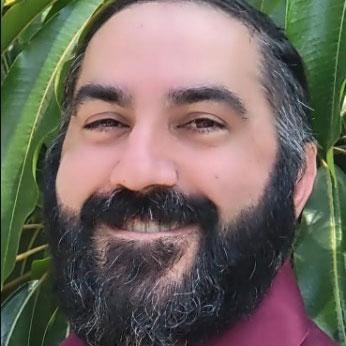
Introducing Dr. Al: A Specialist in Addiction Studies and Mental Health Disorders.
With over 15 years of expertise in behavioral health, Dr. Al has dedicated his career to transforming lives. He, his team, plus the We Level Up treatment center network have successfully guided countless patients through the most daunting obstacles they have ever encountered. Join Dr. Al and We Level Up on a journey toward healing and triumph. Learn more about Dr. Al here.
FAQs About Klonopin Detox
1. What is the klonopin withdrawal timeline?
The klonopin withdrawal timeline is different for each person based on dose and use time. Symptoms often start one to three days after the last dose and can peak in the first week. Some people have symptoms for weeks or longer after long use. Medical care helps manage symptoms and lower risks during each step of the withdrawal process.
2. Is klonopin detox dangerous without medical supervision?
Yes, klonopin detox without help can be dangerous and even life threatening in some cases. People may have seizures, strong anxiety, or unstable feelings that need medical care. A supervised klonopin detox helps watch and treat symptoms right away. It also gives support during a hard and emotional time.
3. How does klonopin detox treatment NJ help manage anxiety?
Klonopin detox treatment in New Jersey uses therapy to treat both drug dependence and anxiety problems. Doctors use methods like cognitive behavioral therapy (CBT) to teach patients how to manage triggers. This helps people feel more stable and rely less on medicine. Over time, they learn better ways to cope and stay well.
4. What symptoms occur during Klonopin withdrawal management?
Klonopin withdrawal management helps treat symptoms like poor sleep, mood swings, muscle pain, and anxiety. Some people may also have shaking, sweating, or fast heart rate during detox. In serious cases, seizures or confusion can happen and need quick care. Supervised detox helps keep people safe and more comfortable.
5. How long does supervised Klonopin detox typically last?
Supervised Klonopin detox may last from a few days to a few weeks for most people. Time depends on higher doses, long use, and overall health. A slow taper may make detox longer but safer and easier. Doctors adjust care to keep the process safe and helpful.
6. Can people relapse after klonopin detox?
Yes, relapse can happen after klonopin detox if people do not continue treatment or support. Detox helps the body, but recovery also needs therapy and care. Going to a rehab center after detox can lower relapse risk. Ongoing help builds strength and supports long-term sobriety.
7. What levels of care are available after detox?
After detox, people can move to different levels of care based on their needs. These include inpatient care, partial programs, or outpatient treatment. Each level gives support, therapy, and relapse prevention tools. This helps people stay on track through every stage of recovery.
8. Who should consider benzodiazepine detox services?
Anyone who depends on Klonopin or similar drugs should think about benzodiazepine detox services. This includes people taking higher doses or using longer than prescribed. Those with withdrawal symptoms when cutting back need help the most. Early care can improve results and lower risks from substance abuse.
Experience Transformative Recovery at the We Level Up Treatment Center.
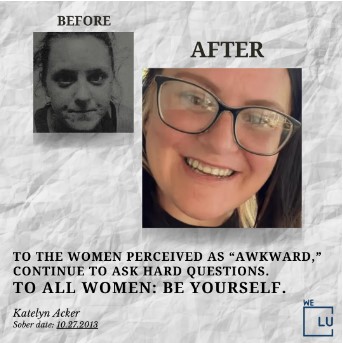
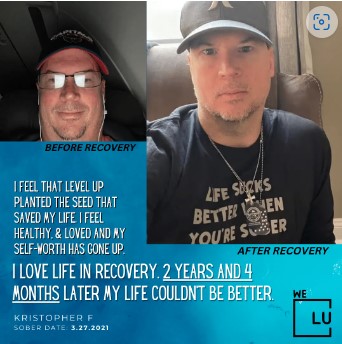
See our authentic success stories. Get inspired. Get the help you deserve.
Start a New Life
Begin with a free call to an addiction & behavioral health treatment advisor. Learn more about our dual-diagnosis programs. The We Level Up treatment center network delivers various recovery programs at each treatment facility. Call to learn more.
- Personalized Care
- Caring Accountable Staff
- Comfortable Amenities
- Licensed & Accredited
- Renowned w/ 5-Star Reviews
We’ll Call You
Search We Level Up NJ Klonopin Detox, Mental Health Topics & Resources
Sources
[1] We Level Up NJ – Klonopin Detox Treatment – https://www.welevelupnj.com/blog/klonopin-detox-treatment
[2] MedlinePlus – Clonazepam – https://medlineplus.gov/druginfo/meds/a682279.html
[3] Oregon Health Authority – Tapering Benzodiazepines – https://www.oregon.gov/oha/HPA/DSI-Pharmacy/MHCAGDocs/Tapering-Benzodiazepines.pdf
[4] United States Drug Testing Laboratories – The Prevalence of Benzodiazepines in Today’s Opioid Epidemic – https://www.usdtl.com/blog/the-prevalence-of-benzodiazepines-in-todays-opioid-epidemic
[5] National Center for Biotechnology Information – Benzodiazepines (StatPearls) – https://www.ncbi.nlm.nih.gov/books/NBK470241/