
What Fentanyl Does to You: Effects and Health Risks
What Does Fentanyl Do To You? Pain can be managed effectively with fentanyl, a potent synthetic opioid. It produces its effects by interacting with the body’s opioid receptors, which results in a profound sense of euphoria and decreased pain sensitivity.
Editor Yamilla Francese
Clinically Reviewed by Lauren Barry, LMFT, MCAP, QS
Medically Reviewed by Ali Nikbakht, PsyD
Updated on May 21, 2026 — Editorial Policy | Research Policy
What Does Fentanyl Do to You? Risks and Recovery Help
Many people do not realize how powerful this drug is until it is too late. It can slow the body within minutes. Some people take it by choice. Others are exposed to it without knowing because it is mixed into other substances.
If you are asking what does fentanyl do to you, you are trying to understand real danger. This synthetic opioid has caused a sharp rise in fatal overdoses across the country.
If you or someone you love is struggling, We Level Up Lawrenceville NJ offers professional support for those affected by this powerful drug.
Table of Contents
What Is This Synthetic Opioid
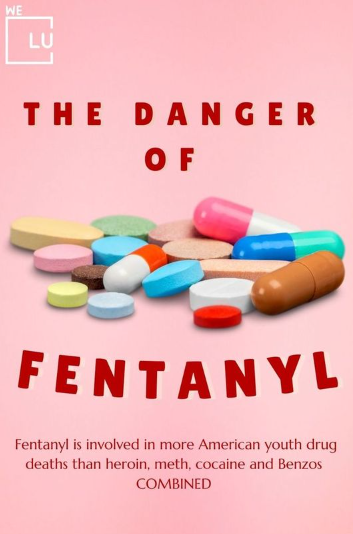
This substance is a lab-made opioid that is much stronger than many prescription opioids. Doctors sometimes use it in hospitals to treat severe pain. It may come in patches, lozenges, or nasal sprays for medical use.
However, illegal versions are often made in labs and sold on the street. It is commonly mixed into illegal drugs like heroin, cocaine, meth, or fake pain pills. Many people do not know they are taking it.
That is one reason overdose deaths have increased so quickly.
Learn More:

Get Your Life Back
Find Hope & Recovery. Get Safe Comfortable Detox, Addiction Rehab & Mental Health Dual Diagnosis High-Quality Care at the We Level Up Treatment Centers Network.
Hotline (877) 378-4154What Does Fentanyl Do to You in the Brain
When someone takes this opioid, it attaches to opioid receptors in the brain. These receptors control pain, pleasure, and breathing.
It may cause:
- Strong relaxation
- Warm or numb feelings
- Pain relief
- Slower breathing
The brain quickly links these feelings with reward. Over time, it becomes harder to feel normal without the drug. This is part of the long-term fentanyl drug impact on the brain.
Fentanyl Effects on the Body
The fentanyl effects on the body can appear very fast. Even a small amount of fentanyl may slow breathing.
This drug depresses the central nervous system. It lowers heart rate and breathing speed. When oxygen levels drop, brain injury can occur within minutes.
Some people feel sleepy or confused. Others may collapse without warning.
Because the dose of fentanyl needed for overdose is so small, it is one of the leading causes of fatal overdoses today.
Fentanyl Drug Facts
Fentanyl Overview
What does fentanyl do to you? Fentanyl is a synthetic opioid that is many times more potent than heroin and is primarily used for pain management. It can cause pain relief, sedation, and respiratory depression but can also lead to dangerous side effects and overdose. Fentanyl abuse can cause long-term physical and mental health problems, addiction, and dependence. It is a highly dangerous drug that should only be used as a healthcare provider prescribes.
Fentanyl Abuse Signs
- Pinpoint pupils.
- Drowsiness or nodding off.
- Confusion or disorientation.
- Slurred speech.
- Shallow breathing or difficulty breathing.
- Nausea or vomiting.
- Constipation.
- Itching or skin rash.
- Muscle rigidity or muscle weakness.
- Social withdrawal or isolation.
- Changes in behavior or mood.
- Financial problems or stealing to obtain drugs.
It’s important to note that these signs can vary depending on the individual and the severity of their abuse. If you suspect someone is abusing fentanyl, it’s important to seek professional help.
Fentanyl Addiction Treatment
Fentanyl addiction is a serious condition that requires professional treatment. Here are some common treatments for fentanyl addiction:
- Medication-assisted treatment (MAT): MAT involves using medications, such as methadone or buprenorphine, to manage withdrawal symptoms and cravings. MAT is often combined with behavioral therapy.
- Behavioral therapy: Behavioral therapy involves counseling and other behavioral interventions to address the underlying causes of addiction and help individuals develop coping skills to prevent relapse.
- Inpatient treatment: Inpatient treatment involves staying at a treatment facility for a period of time to receive intensive therapy and support.
- Outpatient treatment: Outpatient treatment allows individuals to receive treatment while living at home and attending work or school.
- Support groups: Support groups, such as Narcotics Anonymous, can provide individuals with a supportive community of people who have also struggled with addiction.
It’s important to note that recovery from fentanyl addiction is lifelong and may require ongoing treatment and support. It’s also important to seek professional help from a healthcare provider or addiction specialist for the most effective treatment.
Why Small Amounts Are So Dangerous
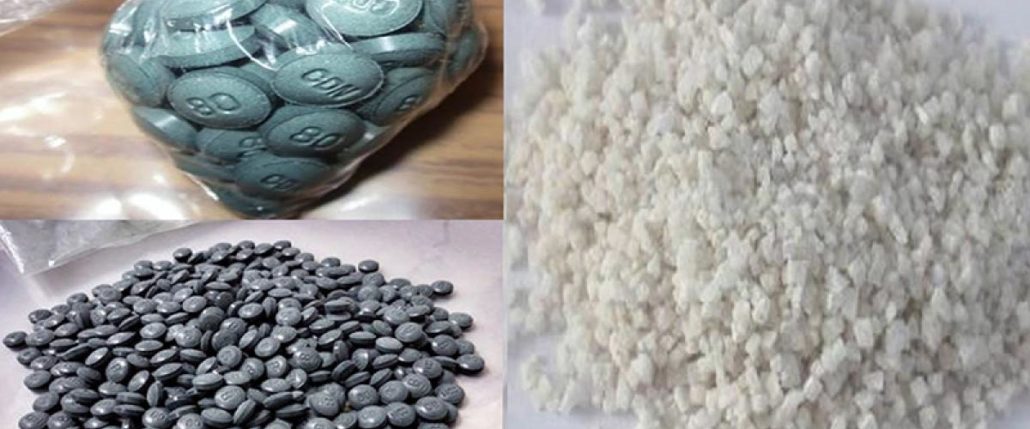
One major risk is that users rarely know the exact amount of fentanyl in what they take. Street drugs are not regulated. A pill may look safe but contain a deadly dose.
A tiny dose of fentanyl can shut down breathing. That is why accidental overdose is common.
Even people who think they are using only prescription-style pills may actually be exposed to this synthetic opioid.
Short-Term Effects
In the short term, this drug may cause:
- Extreme drowsiness
- Slowed breathing
- Nausea
- Poor focus
- Confusion
- Weak pulse
These symptoms may seem mild at first. However, breathing can slow more and more until it stops.
That is why asking what fentanyl does to you is so important before experimenting with drugs.
Get Help. Get Better. Get Your Life Back.
Searching for Accredited Drug & Alcohol Rehab Centers Near You? Or Mental Health Support?
Even if you have failed previously, relapsed, or are in a difficult crisis, we stand ready to support you. Our trusted behavioral health specialists will not give up on you. Call us when you feel ready or want someone to speak to about therapy alternatives to change your life. Even if we cannot assist you, we will lead you wherever you can get support. There is no obligation. Call our hotline today.
FREE Addiction Hotline – Call 24/7Long-Term Impact on Mental and Physical Health
Repeated use changes the brain. The body builds tolerance quickly. A person needs more to feel the same effect.
Over time, the fentanyl drug impact may include:
- Strong physical dependence
- Depression
- Anxiety
- Memory problems
- Hormone imbalance
- Social isolation
Addiction can develop rapidly. Many people lose control faster than expected.
Comfortable Facilities & Amenities
High-Quality Addiction & Mental Health Rehabilitation Treatment
Rehab Centers TourRenowned Addiction Centers. Serene Private Facilities. Inpatient rehab programs vary.
Addiction Helpline (877) 378-4154Proven recovery success experience, backed by a Team w/ History of:
15+
Years of Unified Experience
100s
5-Star Reviews Across Our Centers
10K
Recovery Success Stories Across Our Network
- Low Patient to Therapist Ratio
- Onsite Medical Detox Center
- Comprehensive Dual-Diagnosis Treatment
- Complimentary Family & Alumni Programs
- Coaching, Recovery & Personal Development Events
Synthetic Opioid Effects and Withdrawal
Stopping use can cause painful withdrawal symptoms. This is part of the severe synthetic opioid effects.
Withdrawal may include:
- Sweating
- Body aches
- Restlessness
- Vomiting
- Diarrhea
- Intense cravings
These symptoms make quitting alone very hard. Many people return to use just to stop withdrawal discomfort.
Medical detox can improve safety and reduce relapse risk.
Fentanyl Overdose Risks
Fentanyl overdose risks are extremely high because breathing slows so quickly.
During an overdose, a person may:
- Stop breathing
- Turn blue around the lips.
- Become unconscious
- Make choking sounds
Without fast treatment, brain damage or death can occur. The rise in fatal overdoses is linked to hidden exposure to other drugs. Many people never intended to use this opioid.
World-class, Accredited, 5-Star Reviewed, Effective Addiction & Mental Health Programs. Complete Behavioral Health Inpatient Rehab, Detox plus Co-occuring Disorders Therapy.
CALL (877) 378-4154End the Addiction Pain. End the Emotional Rollercoaster. Get Your Life Back. Start Drug, Alcohol & Dual Diagnosis Mental Health Treatment Now. Get Free No-obligation Guidance by Substance Abuse Specialists Who Understand Addiction & Mental Health Recovery & Know How to Help.
Why It Is Mixed Into Other Drugs
Drug dealers often mix this substance into heroin, cocaine, and fake pills. It increases strength at a low cost.
People may believe they are using other illegal drugs, but they are actually exposed to a powerful opioid.
Some individuals now carry a fentanyl test strip. This small tool can detect if the drug is present in a sample. While this may reduce risk, it does not make use safe.
Even with testing, the amount of fentanyl may still vary.
Prescription Use vs Street Use
In hospitals, trained professionals carefully control the dose of fentanyl. It may be given through IV, patch, or nasal sprays for severe pain.
Street versions are different. They are not measured safely. They may be far stronger than expected.
Comparing medical supervision to unregulated drug use shows how dangerous uncontrolled exposure can be.
How Addiction Develops
Addiction happens because the brain adapts quickly. After repeated use, normal pleasure feels dull without the drug.
Cravings become strong. Withdrawal feels unbearable. The cycle continues.
This is part of the full fentanyl drug impact on daily life. Jobs, relationships, and mental health often suffer.
Signs Someone May Be Using
Warning signs may include:
- Extreme sleepiness
- Mood swings
- Isolation
- Financial trouble
- Small pupils
- Secretive behavior
Recognizing these signs early may prevent overdose.
Experience Transformative Recovery at the We Level Up Treatment Center.
See our authentic success stories. Get inspired. Get the help you deserve.
Start a New Life
Begin with a free call to an addiction & behavioral health treatment advisor. Learn more about our dual-diagnosis programs. The We Level Up treatment center network delivers various recovery programs at each treatment facility. Call to learn more.
- Personalized Care
- Caring Accountable Staff
- Comfortable Amenities
- Licensed & Accredited
- Renowned w/ 5-Star Reviews
We’ll Call You
Treatment for Synthetic Opioid Addiction
Recovery is possible with professional help. Treatment often includes:
- Medical detox
- Medication-assisted treatment
- Individual therapy
- Group counseling
- Relapse prevention planning
Because fentanyl overdose risks are high, supervised care is strongly recommended.
Why Choose We Level Up NJ
When someone searches what does fentanyl do to you, they are often scared. They may worry about overdose or addiction.
We Level Up NJ provides fentanyl addiction detox. The team offers detox support, therapy, and mental health treatment. Clients receive personalized plans focused on safety and long-term healing.
The goal is not only to stop drug use. The goal is to rebuild stability, confidence, and health.If you are concerned about fentanyl effects on the body or addiction risks, professional care can make a real difference.
Ready to get started? Call (201)389-9370 or email verifyadmissions@welevelup.com today. A better life is waiting for you.
Life After Opioid Addiction
Recovery takes time. The brain heals slowly. Cravings may still appear during stress.
Ongoing therapy and support groups help protect progress. Structured aftercare reduces relapse risk.
With commitment and guidance, people can regain control and rebuild their lives.
FAQs About What Does Fentanyl Do to You
What does fentanyl do to you?
It refers to how it slows breathing, causes euphoria, and increases overdose risk.
What are the effects of fentanyl on the body?
Fentanyl effects on the body include slow breathing, low heart rate, confusion, and possible fatal overdose.
What is the long-term impact of the fentanyl drug?
The fentanyl drug impact may include addiction, depression, memory problems, and severe dependence.
What are synthetic opioid effects?
Synthetic opioid effects include sedation, slowed breathing, strong cravings, and painful withdrawal.
What are the risks of fentanyl overdose?
Fentanyl overdose risks include stopped breathing, brain damage, and death from even a small amount.
How does We Level Up NJ help with fentanyl addiction?
We Level Up NJ provides detox, therapy, medication support, and structured recovery planning.
Take the First Step Toward Safety
If you are asking what fentanyl does to you, it may mean you are worried about yourself or someone you love. This drug can take control quickly and lead to life-threatening consequences. You do not have to wait for a crisis to get help.
Call (877) 378-4154 to speak with We Level Up NJ today. A simple phone call can move you away from danger and toward safety, stability, and real recovery. Your life is worth protecting, and help is ready when you are.
Ready to get started? Call (201)389-9370 or email verifyadmissions@welevelup.com today. A better life is waiting for you.
Jen’s Addiction Recovery Testimonial
Search We Level Up NJ What Does Fentanyl Do To You? Topics & Resources
Sources:
- National Institute on Drug Abuse (NIDA) – Fentanyl Drug Facts: https://www.drugabuse.gov/publications/drugfacts/fentanyl tags: What does fentanyl do to you?
- U.S. Drug Enforcement Administration (DEA) – Fentanyl: https://www.dea.gov/factsheets/fentanyl tags: What does fentanyl do to you?
- Department of Health and Human Services (HHS) – Opioid Crisis: https://www.hhs.gov/opioids/ tags: What does fentanyl do to you?
- National Safety Council (NSC) – Fentanyl: https://www.nsc.org/home-safety/safety-topics/drugs/fentanyl tags: What does fentanyl do to you?
