
Relapse Prevention: Simple, Caring Support for Long-Term Recovery
Addiction Relapse Prevention
Editor Yamilla Francese
Clinically Reviewed by Lauren Barry, LMFT, MCAP, QS
Medically Reviewed by Ali Nikbakht, PsyD
Updated on May 21, 2026 — Editorial Policy | Research Policy
Recovery from drugs or alcohol is a brave and life-changing step. It takes strength, patience, and support. Many people believe relapse means failure, but that is not true. Relapse can be part of the recovery journey, and it does not erase progress. What matters most is learning how to prepare for hard moments before they happen.
Relapse prevention is about building skills, support, and daily habits that protect recovery. It helps people understand their triggers, manage stress, and make healthier choices. With the right relapse prevention program, long-term recovery is possible, and hope can grow stronger every day.
Table of Contents
What Is Relapse Prevention?
Relapse prevention is a plan that helps people stay sober after treatment. It teaches ways to handle cravings, stress, and emotional pain without returning to drugs or alcohol. The goal is not perfection. The goal is progress, awareness, and safety.
Relapse prevention helps people notice warning signs early. It gives tools to respond before a slip turns into a full relapse. With practice and support, these tools become part of daily life and help recovery feel more stable and manageable.


Get Your Life Back
Find Hope & Recovery. Get Safe Comfortable Detox, Addiction Rehab & Mental Health Dual Diagnosis High-Quality Care at the We Level Up Treatment Centers Network.
Hotline (877) 378-4154Why Relapse Prevention Matters in Recovery
Addiction changes how the brain handles stress, emotions, and reward. Even after detox or rehab, those changes can remain for some time. This is why relapse prevention is a key part of long-term healing.
A strong relapse prevention program supports the mind, body, and emotions. It helps people feel prepared instead of afraid. When people know what to do during hard moments, they feel more confident and less alone in recovery.
Get Help. Get Better. Get Your Life Back.
Searching for Accredited Drug & Alcohol Rehab Centers Near You? Or Mental Health Support?
Even if you have failed previously, relapsed, or are in a difficult crisis, we stand ready to support you. Our trusted behavioral health specialists will not give up on you. Call us when you feel ready or want someone to speak to about therapy alternatives to change your life. Even if we cannot assist you, we will lead you wherever you can get support. There is no obligation. Call our hotline today.
FREE Addiction Hotline – Call 24/7
Understanding Relapse as a Process
Relapse Does Not Happen All at Once
Relapse usually happens in stages. It often starts with emotional changes before any substance use occurs. A person may feel stressed, angry, lonely, or tired and not talk about it.
Next comes mental relapse. This is when thoughts of using return. A person may remember past use in a positive way or think one time will not hurt. Physical relapse happens last. This is when substances are used again.
Early Warning Signs to Watch For
Knowing early warning signs helps prevent relapse before it happens. These signs can be emotional, mental, or behavioral changes that feel small at first but grow over time.
Common warning signs include:
- Romanticizing past substance use
- Pulling away from support people
- Skipping therapy or meetings
- Poor sleep or appetite
- Feeling overwhelmed or hopeless
Comfortable Facilities & Amenities
High-Quality Addiction & Mental Health Rehabilitation Treatment
Rehab Centers TourRenowned Addiction Centers. Serene Private Facilities. Inpatient rehab programs vary.
Addiction Helpline (877) 378-4154Proven recovery success experience, backed by a Team w/ History of:
15+
Years of Unified Experience
100s
5-Star Reviews Across Our Centers
10K
Recovery Success Stories Across Our Network
- Low Patient to Therapist Ratio
- Onsite Medical Detox Center
- Comprehensive Dual-Diagnosis Treatment
- Complimentary Family & Alumni Programs
- Coaching, Recovery & Personal Development Events
The Role of Structure and Routine
Daily structure creates safety and balance in recovery. When days have purpose, there is less room for cravings and stress to take control. Simple routines help people feel grounded.
A strong routine may include regular sleep, healthy meals, therapy sessions, work or school, and time for rest. Structure supports relapse prevention by keeping recovery active and consistent.
Why Support Systems Matter So Much
Family, Friends, and Peer Support
Recovery does not happen alone. Support from others helps people feel seen, heard, and understood. Trusted family members and friends can offer encouragement and accountability.
Peer support groups are also powerful. Talking with others who understand addiction helps reduce shame and fear. These connections remind people that they are not alone in recovery.
Professional Support and Ongoing Care
Professional support is a key part of relapse prevention. Therapy, counseling, and aftercare programs provide guidance and structure. These services help people work through challenges as they arise.
Addiction relapse prevention NJ programs often include therapy, group support, and long-term planning. Ongoing care helps recovery stay strong during life changes and stressful events.
Sober Living and Community Support in New Jersey
Sober living support NJ offers a safe place to practice recovery skills. These homes provide structure, accountability, and peer support in early recovery. Residents learn how to live sober while rebuilding daily life.
Living in a sober community helps reduce isolation and risk. It also gives time to build confidence before returning fully to independent living. This support can greatly improve relapse prevention success.
Creating a Personal Relapse Prevention Plan
A relapse prevention plan is a written guide for staying sober. It helps people know what to do when stress or cravings appear. Plans should be simple, clear, and personal.
A strong plan often includes:
- Personal triggers and warning signs
- Coping tools that work best
- Support contacts to call
- Daily recovery habits
- Steps to take if a slip happens
Core Recovery Relapse Prevention Strategies
Learning Your Personal Triggers
Triggers are people, places, feelings, or situations that increase the urge to use. Everyone’s triggers are different. Some triggers are stress, conflict, boredom, or sadness.
Relapse prevention helps people name their triggers clearly. Once triggers are known, it becomes easier to plan healthy responses. Awareness turns risk into opportunity for growth and choice.

Building Healthy Coping Skills
Coping skills help manage emotions without substances. These skills take practice, but they become stronger over time. Healthy coping supports both emotional safety and physical health.
Helpful coping skills include:
- Deep breathing and grounding exercises
- Exercise or movement
- Journaling thoughts and feelings
- Talking openly with a trusted person
- Creative activities like art or music
World-class, Accredited, 5-Star Reviewed, Effective Addiction & Mental Health Programs. Complete Behavioral Health Inpatient Rehab, Detox plus Co-occuring Disorders Therapy.
CALL (877) 378-4154End the Addiction Pain. End the Emotional Rollercoaster. Get Your Life Back. Start Drug, Alcohol & Dual Diagnosis Mental Health Treatment Now. Get Free No-obligation Guidance by Substance Abuse Specialists Who Understand Addiction & Mental Health Recovery & Know How to Help.
How Loved Ones Can Support Relapse Prevention
Family members often want to help but do not know how. Learning about relapse prevention can make support more effective and compassionate. Clear communication builds trust and safety.
Loved ones can help by listening without judgment, encouraging treatment, and respecting boundaries. Support is not about control. It is about walking beside someone during recovery.
Relapse Prevention Is About Hope, Not Fear
Relapse prevention is not meant to scare people. It is meant to empower them. Learning skills and building support gives people confidence in their ability to stay sober.
Recovery is a journey with ups and downs. With the right tools, setbacks can become learning moments. Each day of effort matters and brings growth.
FAQs
What should I do if I feel a craving coming on?
Stop and breathe deep. Call someone in your support group right away. Distract yourself with a walk or hobby. Remind yourself cravings pass. Use your plan to handle it.
Is relapse the end of recovery?
No. Many people relapse and then get back to sobriety stronger. See it as a chance to learn. Get help fast. Adjust your plan. You can still succeed.
How do I know my triggers?
Think about past times you used. What happened before? Stress? People? Places? Write them down. Talk with your counselor. Over time, you spot patterns.
Can family help prevent relapse?
Yes. Loved ones can give support and understanding. They learn not to judge. Join family therapy. Set healthy rules at home. Their love helps a lot.
What if I relapse after a long time sober?
It hurts, but do not give up. Reach out for help immediately. Go to a meeting or call your sponsor. Look at what led to it. Strengthen your plan. Recovery is for life.
How can family members help with relapse prevention?
Family members can help by learning about addiction, offering emotional support, and encouraging treatment without judgment.
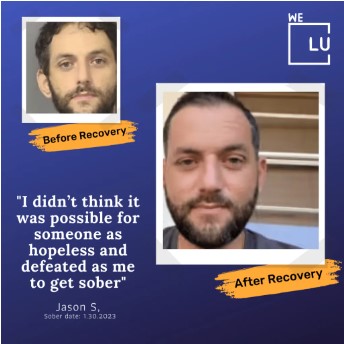
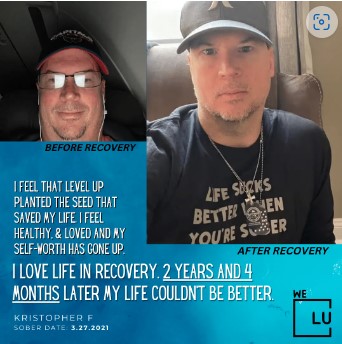
Experience Transformative Recovery at the We Level Up Treatment Center.
See our authentic success stories. Get inspired. Get the help you deserve.

Start a New Life
Begin with a free call to an addiction & behavioral health treatment advisor. Learn more about our dual-diagnosis programs. The We Level Up treatment center network delivers various recovery programs at each treatment facility. Call to learn more.
- Personalized Care
- Caring Accountable Staff
- Comfortable Amenities
- Licensed & Accredited
- Renowned w/ 5-Star Reviews
We’ll Call You
Next Step to Take
Relapse prevention is about learning, support, and hope. It gives people tools to face challenges with confidence instead of fear. Recovery does not have to be perfect to be real. It only needs commitment and care.
If you or someone you love is struggling, help is available. A strong relapse prevention program can make recovery safer and more lasting. Reach out today to learn how addiction relapse prevention NJ services and sober living support NJ can help you build a healthier, more stable future.
Ready to get started? Call (201)389-9370 or email verifyadmissions@welevelup.com today. A better life is waiting for you.