How is Breast Milk Produced?
Breast milk is produced by mammary glands found in the breast tissue. These mammary glands are present from birth but become fully useful for milk production only during pregnancy. Several hormones regulate the development of the mammary glands and the initiation and maintenance of lactation. The most significant of these hormones are oxytocin and prolactin, both produced in the pituitary gland in the brain. Prolactin, together with other hormones (examples are estrogen and progesterone), regulates the final development of the mammary glands during pregnancy. After birth, the woman’s hormonal situation changes, and in this setting, prolactin can start milk secretion from the mammary glands.
Get Your Life Back
Find Hope & Recovery. Get Safe Comfortable Detox, Addiction Rehab & Mental Health Dual Diagnosis High-Quality Care at the We Level Up Treatment Centers Network.
Hotline (877) 378-4154Can Alcohol Be Found in Breast Milk?
According to the Centers for Disease Control and Prevention (CDC), alcohol levels are normally highest in breast milk 30-60 minutes after an alcoholic drink is drunk and can usually be detected in breast milk for around two to three hours per alcoholic drink is consumed. However, the time alcoholic drinks can be seen in breast milk will increase the more alcohol a mother drinks. For instance, alcohol from one drink can be detected in breast milk for about two to three hours, alcohol from two drinks can be seen for about four to five hours, and so on.
Blood alcohol levels and the length of time alcohol can be detected in breast milk after drinking will depend on several factors, including the amount of alcohol consumed, how fast the alcohol is consumed, whether it is finished with food, how much a mother weighs, and how fast alcohol is broken down in a mother’s body. Alcohol is not stored in the mother’s breast, so the liver metabolizes the alcohol, causing the blood alcohol level to drop in the breastmilk. Lactating women should not breastfeed for several hours after drinking until their blood alcohol levels have declined again.

Get Help. Get Better. Get Your Life Back.
Searching for Accredited Drug & Alcohol Rehab Centers Near You? Or Mental Health Support?
Even if you have failed previously, relapsed, or are in a difficult crisis, we stand ready to support you. Our trusted behavioral health specialists will not give up on you. Call us when you feel ready or want someone to speak to about therapy alternatives to change your life. Even if we cannot assist you, we will lead you wherever you can get support. There is no obligation. Call our hotline today.
FREE Addiction Hotline – Call 24/7What You Should Know About Drinking Alcohol and Breastfeeding?
- Drinking beer does not increase the lactating mother’s milk supply, as the urban myth suggests.
- Drinking alcohol of any kind may decrease the breast milk the baby drinks.
- Drinking alcohol and breastfeeding can change the taste of breast milk, and some infants may not like it.
- Drinking alcohol and breastfeeding an infant can pose a risk to the baby if he or she consumes breast milk with alcohol.
- Pumping or expressing milk after drinking alcohol and then discarding it (pumping and dumping) does not reduce the amount of alcohol in the milk quicker. As the alcohol blood level falls over time, the level of alcohol in the breast milk will also decrease. Breast milk continues to contain alcohol if alcohol is still in the bloodstream.
- Current research says that occasional use of alcohol (1-2 drinks) does not appear to harm the nursing baby. Many experts recommend against drinking more than 1-2 drinks per week.
- Excess levels of alcohol in milk may lead to drowsiness, deep sleep, weakness, and decreased growth in the infant. Reduction of let-downs is reported when the mother drinks heavily. Drinking alcohol and breastfeeding may reduce the baby’s sucking time at the breast but not the volume of milk consumed.
- Never share a bed or other sleeping surface with your baby if you have been drinking alcohol and breastfeeding. Drinking affects your natural reflexes, and drinking and bed-sharing are more associated with sudden infant death syndrome (SIDS).
Comfortable Facilities & Amenities
High-Quality Addiction & Mental Health Rehabilitation Treatment
Rehab Centers TourRenowned Addiction Centers. Serene Private Facilities. Inpatient rehab programs vary.
Addiction Helpline (877) 378-4154Proven recovery success experience, backed by a Team w/ History of:
15+
Years of Unified Experience
100s
5-Star Reviews Across Our Centers
10K
Recovery Success Stories Across Our Network
- Low Patient to Therapist Ratio
- Onsite Medical Detox Center
- Comprehensive Dual-Diagnosis Treatment
- Complimentary Family & Alumni Programs
- Coaching, Recovery & Personal Development Events
What are the Effects of Drinking Alcohol and Breastfeeding?
Of course, not drinking alcohol is the safest way for breastfeeding mothers. Typically, moderate alcohol consumption by a breastfeeding mother (up to one standard drink per day) is not known to be harmful to the baby, especially if the mother waits at least two hours after a single drink before breastfeeding. However, drinking alcohol above moderate levels through breast milk could damage a baby’s growth, development, and sleep patterns. Alcohol consumption above average levels may also undermine a mother’s judgment and ability to care for her child safely.
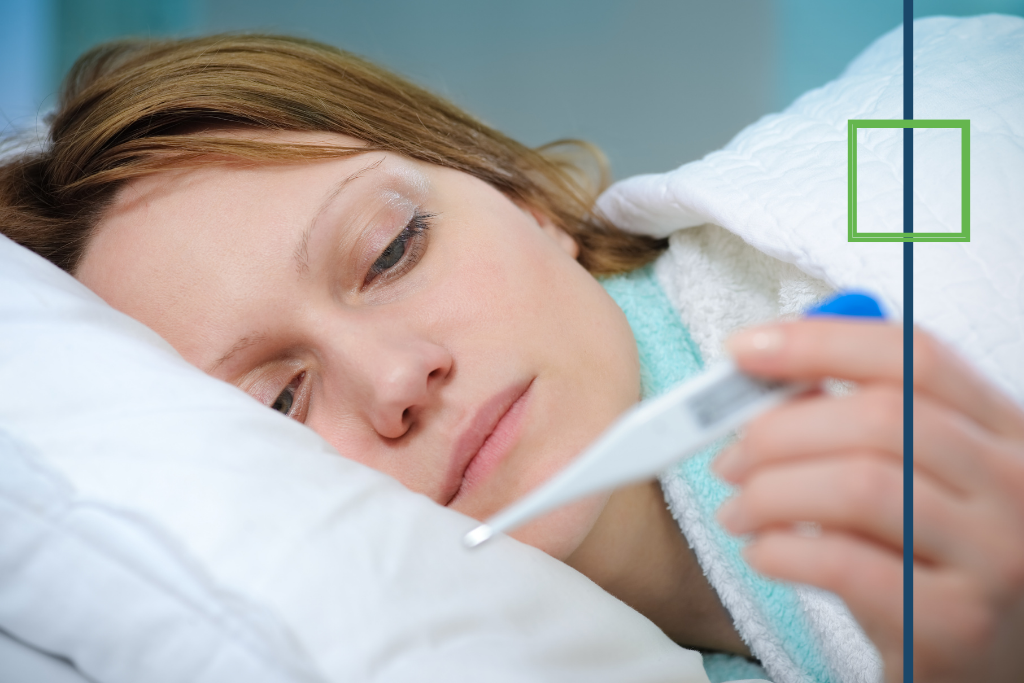
considered safe for a baby to drink.
Risk of Drinking Alcohol and Breastfeeding an Infant
- Sleep disturbances
- Increased arousal
- Increased crying
- Increased startling
- Increased rapid eye movement (REM) sleep from 3.5 to 24 hours after alcohol exposure.
- Decreased weight gain
- Decreased milk intake by the baby
- Growth retardation
- Impaired immune function
- Delay of motor development
- Potential impairment of cognitive development
- Reduction in the ability for abstract reasoning at school age (6-7 years)
World-class, Accredited, 5-Star Reviewed, Effective Addiction & Mental Health Programs. Complete Behavioral Health Inpatient Rehab, Detox plus Co-occuring Disorders Therapy.
CALL (877) 378-4154End the Addiction Pain. End the Emotional Rollercoaster. Get Your Life Back. Start Drug, Alcohol & Dual Diagnosis Mental Health Treatment Now. Get Free No-obligation Guidance by Substance Abuse Specialists Who Understand Addiction & Mental Health Recovery & Know How to Help.
What If I Get Drunk?
If intoxicated, you should not breastfeed until you are completely sober, when most of the alcohol will have left your body. Drinking alcohol and breastfeeding to the point of intoxication or binge drinking has been shown to impact how infants sleep. The negative impact on sleep occurs when the infants are exposed to alcohol through milk containing alcohol at the level it would be found in human milk one hour after a mother consumed a significant amount of alcohol (0.3 grams per kilogram of their body weight).
Find the Help You Need at We Level Up NJ
Remember, breastfeeding is the best way to feed a newborn and is recommended until a baby is at least age one. If you choose to drink, plan carefully to avoid exposing your baby to alcohol. Drinking alcohol and breastfeeding are not mutually exclusive. You can safely nurse your baby after the alcohol has left your breast milk.
Ask your doctor or lactation consultant if you have questions about breastfeeding and alcohol. Helping yourself or a loved one should be achieved without sacrificing comfort and safety. We level Up NJ provides is a safe and comfortable inpatient alcohol rehab program with licensed therapists and 24 hours health monitoring. Call us now. We have a 24/7 hotline that is ready to assist you.
Experience Transformative Recovery at the We Level Up Treatment Center.
See our authentic success stories. Get inspired. Get the help you deserve.
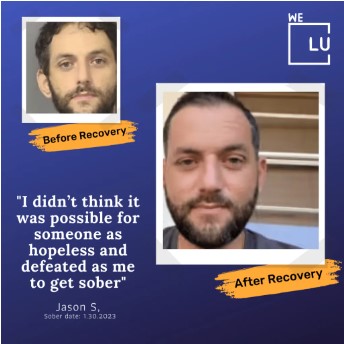
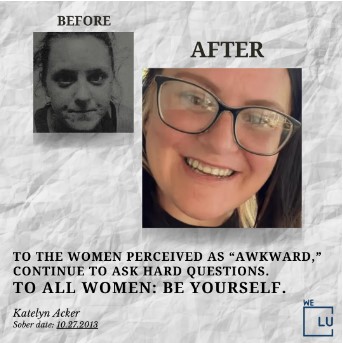
Start a New Life
Begin with a free call to an addiction & behavioral health treatment advisor. Learn more about our dual-diagnosis programs. The We Level Up treatment center network delivers various recovery programs at each treatment facility. Call to learn more.
- Personalized Care
- Caring Accountable Staff
- Comfortable Amenities
- Licensed & Accredited
- Renowned w/ 5-Star Reviews