

Inpatient vs Outpatient Mental Health Care: Key Differences
At We Level Up NJ, we help people understand inpatient vs outpatient mental health care, explained in simple terms. Inpatient care means you stay at a treatment center full-time for support and safety. Outpatient care means you attend therapy sessions but live at home. The right choice depends on your symptoms, safety, and daily needs. […]
Editor Yamilla Francese
Clinically Reviewed by Lauren Barry, LMFT, MCAP, QS
Medically Reviewed by Ali Nikbakht, PsyD
Updated on May 22, 2026 — Editorial Policy | Research Policy
At We Level Up NJ, we help people understand inpatient vs outpatient mental health care, explained in simple terms. Inpatient care means you stay at a treatment center full-time for support and safety. Outpatient care means you attend therapy sessions but live at home. The right choice depends on your symptoms, safety, and daily needs. Our team listens to your concerns and completes a full assessment. Then we guide you toward the best level of care. We make the process clear, calm, and supportive. You do not have to figure it out alone. We are here to help you feel safe, stable, and ready to heal.
Table of Contents

What Is Inpatient vs. Outpatient Mental Health Care?
Inpatient vs. outpatient mental health care means two different ways to get help for mental health problems. Inpatient care means you stay at a treatment center day and night. You sleep there and follow a daily plan with therapy, group support, and medical checkups. This type of care is best for people who feel unsafe, very depressed, or unable to cope alone. It gives a safe and calm place away from stress. Doctors, nurses, and therapists are there all the time. They watch your health closely and help you feel stable. Inpatient care gives strong support when symptoms feel too hard to manage at home.
Outpatient mental health care is different because you live at home while getting treatment. You visit a center for therapy during the day or evening. After your session, you return home and keep your normal routine. This works well for people who are stable but still need help. You may attend therapy once a week or several times a week. Outpatient care teaches coping skills you can practice in daily life. Both options help people feel better over time. The right choice depends on your safety, symptoms, and support system. A mental health professional can help decide which level of care fits your needs best.
Signs You May Need Inpatient vs. Outpatient Mental Health Care
Here are signs you may need help choosing a level of care:
- Thoughts of self-harm. Thinking about hurting yourself or feeling like life is not worth living.
- Severe depression. Feeling very sad, tired, or hopeless most days for weeks.
- Panic attacks often. Include sudden fear, fast heartbeat, shaking, or trouble breathing, many times.
- Trouble working or going to school. Missing work or school because emotions feel too hard to manage.
- Mood swings that hurt relationships. Big changes in mood that cause fights or distance from loved ones.
- Using drugs or alcohol with mental illness. Drinking or using substances to cope with stress or sadness.
- Feeling unsafe at home. Living in a place where you do not feel protected or supported.
These signs show you may need professional support. A mental health provider can assess your symptoms and suggest the right level of care. Choosing inpatient vs. outpatient mental health care depends on safety, stability, and daily functioning. Getting help early can improve long-term recovery and emotional health.
Get Help. Get Better. Get Your Life Back.
Searching for Accredited Drug & Alcohol Rehab Centers Near You? Or Mental Health Support?
Even if you have failed previously, relapsed, or are in a difficult crisis, we stand ready to support you. Our trusted behavioral health specialists will not give up on you. Call us when you feel ready or want someone to speak to about therapy alternatives to change your life. Even if we cannot assist you, we will lead you wherever you can get support. There is no obligation. Call our hotline today.
FREE Addiction Hotline – Call 24/7Why Choose We Level Up NJ for Inpatient vs. Outpatient Mental Health Care?
At We Level Up NJ, we guide people through inpatient vs outpatient mental health care with kindness. We listen first and learn about your needs. Then we suggest the safest level of care. Our goal is to keep you safe and help you heal.
We offer both residential and outpatient care options. This means you can move to a lower level of care when ready. Our team includes licensed therapists and medical staff. They work together to build your care plan.
When you compare inpatient vs outpatient mental health treatment, safety is most important. We provide a clean and calm space for healing. We also treat co-occurring addiction issues. Our treatment setting comparison helps you feel sure about your choice.
Ready to get started? Call (201)389-9370 or email verifyadmissions@welevelup.com today. A better life is waiting for you.
What to Expect During Inpatient vs. Outpatient Mental Health Care?
First, you will complete a full mental health check. We ask about your symptoms and history. This helps us see which level of care fits you. Safety always comes first. In inpatient care, you stay at the center. You follow a daily schedule with therapy, group sessions, and check-ins. Staff are there all day and night. This helps people who need close support.
In outpatient mental health treatment, you attend therapy on set days. You return home after each visit. You learn coping skills and practice them in daily life. Both levels include relapse prevention planning. Mental health levels of care can change over time. Some people start inpatient and step down to outpatient. Others begin with outpatient only. The goal is steady progress and long-term stability.
Comfortable Facilities & Amenities
High-Quality Addiction & Mental Health Rehabilitation Treatment
Rehab Centers TourRenowned Addiction Centers. Serene Private Facilities. Inpatient rehab programs vary.
Addiction Helpline (877) 378-4154Proven recovery success experience, backed by a Team w/ History of:
15+
Years of Unified Experience
100s
5-Star Reviews Across Our Centers
10K
Recovery Success Stories Across Our Network
- Low Patient to Therapist Ratio
- Onsite Medical Detox Center
- Comprehensive Dual-Diagnosis Treatment
- Complimentary Family & Alumni Programs
- Coaching, Recovery & Personal Development Events
Benefits of Inpatient vs. Outpatient Mental Health Care
Here are some key benefits of choosing the right level of care:
- Matches care to symptom level. You get the right type of treatment for how severe your symptoms are. People with serious issues may need full-time inpatient care, while others can improve with outpatient therapy.
- Provides safe and structured support. Inpatient programs give 24-hour supervision and a calm, controlled environment. Outpatient care gives structured therapy sessions while you maintain your daily routine safely.
- Treats mental health and addiction together. Many programs address both mental health conditions and substance use. Integrated care helps people build skills to stay sober and improve emotional health at the same time.
- Builds coping skills for daily life. Both inpatient and outpatient care teach practical tools for managing stress, emotions, and difficult situations. You learn skills you can use at home, work, or school.
- Allows step-down care when ready. People can start in inpatient care and transition to outpatient care once they are stable. This step-down approach ensures continued support while returning to everyday life.
These benefits help people recover safely and steadily. Choosing the right level of care gives the support, skills, and structure needed to feel better and maintain long-term mental health.
How to Get Started with Inpatient vs Outpatient Mental Health Care?
Ready to get started? Taking the first step may feel scary, but you are not alone. At We Level Up NJ, we make the process simple and clear. You can call us today at (201) 389-9370.
Our team will answer your questions in a kind way. We will check your insurance and explain your options. Then we schedule an assessment to learn about your needs. We help you choose inpatient vs outpatient mental health care with confidence.
You can visit us at 276 Bakers Basin Rd, Lawrenceville, NJ 08648. Healing begins with one phone call. Your recovery can start today.
Ready to get started? Call (201)389-9370 or email verifyadmissions@welevelup.com today. A better life is waiting for you.
World-class, Accredited, 5-Star Reviewed, Effective Addiction & Mental Health Programs. Complete Behavioral Health Inpatient Rehab, Detox plus Co-occuring Disorders Therapy.
CALL (877) 378-4154End the Addiction Pain. End the Emotional Rollercoaster. Get Your Life Back. Start Drug, Alcohol & Dual Diagnosis Mental Health Treatment Now. Get Free No-obligation Guidance by Substance Abuse Specialists Who Understand Addiction & Mental Health Recovery & Know How to Help.
FAQs About Inpatient vs Outpatient Mental Health Care
What is the main difference between inpatient and outpatient care?
Inpatient care means staying at a center full-time. Outpatient care means going to therapy and living at home. The choice depends on safety and symptom level.
How do I know which mental health level of care I need?
A licensed provider will assess your symptoms. They look at safety risks and daily function. Then they suggest inpatient or outpatient care.
Is inpatient care only for severe problems?
Inpatient care is often used for serious symptoms. It helps when someone feels unsafe or out of control. It provides close supervision.
Can I move from inpatient to outpatient care later?
Yes. Many people start inpatient and later step down to outpatient. This allows steady progress and support.
Does insurance pay for inpatient vs outpatient mental health treatment?
Most insurance plans cover both levels. Coverage depends on medical need and your plan details.
How long does treatment last?
Treatment length depends on the person. Some inpatient stays last weeks. Outpatient therapy may last several months.
Can children and teens receive inpatient or outpatient care?
Yes. Both inpatient and outpatient programs can be tailored for children and teens. Therapists adjust treatment to match age, development, and specific needs. This ensures safe, effective care for younger patients.
What types of therapy are included in inpatient and outpatient programs?
Programs may include individual therapy, group therapy, family sessions, and skill-building activities. Some programs also offer medication management and coping strategies. Care focuses on real-life skills and emotional support.
Experience Transformative Recovery at the We Level Up Treatment Center.
See our authentic success stories. Get inspired. Get the help you deserve.
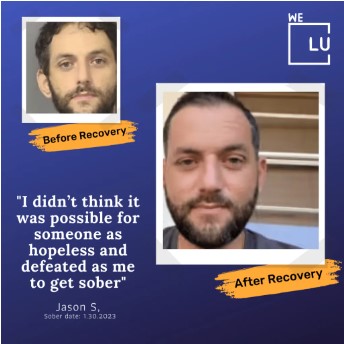

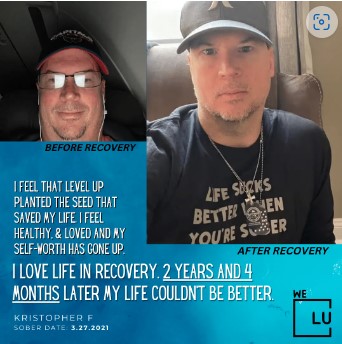
Start a New Life
Begin with a free call to an addiction & behavioral health treatment advisor. Learn more about our dual-diagnosis programs. The We Level Up treatment center network delivers various recovery programs at each treatment facility. Call to learn more.
- Personalized Care
- Caring Accountable Staff
- Comfortable Amenities
- Licensed & Accredited
- Renowned w/ 5-Star Reviews