Suboxone is a medicine that helps people recover from opioid addiction. It can reduce cravings and help people feel stable during recovery. But sometimes, people start to depend on it and find it hard to stop. This can feel confusing, stressful, and even scary. It can affect daily life, work, and family relationships. Many people feel stuck and do not know what to do next.
A suboxone rehab program can help in a safe and caring way. It provides medical care, therapy, and support to guide recovery. With the right help, people can slowly feel better and take back control of their lives. This guide explains how treatment works and how it supports long-term recovery simply and clearly.
Table of Contents
What is a Suboxone Rehab Program?
A suboxone rehab program helps people who depend on Suboxone. It gives medical care, therapy, and support in a safe place. These programs focus on both the body and the mind. They help people stop misuse and learn how to live without dependence.
Stopping on your own can be hard. Withdrawal symptoms and cravings can feel strong. This can make it difficult to stay on track. This is why professional care is important. Many people struggle with opioid use each year. A structured program helps people recover in a safer and more stable way.
Patients also learn new skills during treatment. These skills help them handle stress and avoid triggers. Over time, they build healthy habits that support recovery.

Signs You May Need a Suboxone Rehab Program
It is not always easy to notice when Suboxone use becomes a problem. Some signs may start small and grow over time. A suboxone rehab program may be needed if these signs are present:
- Taking more than the prescribed dose
- Feeling unable to stop using
- Feeling sick without the drug
- Strong cravings during the day
- Problems at work, school, or home
- Using without a doctor’s advice
- Hiding use from loved ones
These signs show that help is needed. Getting support early can make recovery easier and safer. Ignoring these signs can lead to bigger problems. Early treatment helps prevent long-term harm and supports a healthier future.
Get Help. Get Better. Get Your Life Back.
Searching for Accredited Drug & Alcohol Rehab Centers Near You? Or Mental Health Support?
Even if you have failed previously, relapsed, or are in a difficult crisis, we stand ready to support you. Our trusted behavioral health specialists will not give up on you. Call us when you feel ready or want someone to speak to about therapy alternatives to change your life. Even if we cannot assist you, we will lead you wherever you can get support. There is no obligation. Call our hotline today.
FREE Addiction Hotline – Call 24/7Why Choose We Level Up NJ for the Suboxone Rehab Program?
Choosing the right treatment center is very important. We Level Up NJ offers trusted suboxone rehab center services with a caring and skilled team. The center focuses on both mental health and addiction recovery. Each patient receives a plan that fits their needs.
The staff includes trained doctors, nurses, and therapists. They understand addiction and know how to provide safe and effective care. Patients stay in a calm and supportive space where they can focus on healing. The center also provides daily monitoring and support. Progress is checked often, and treatment plans are adjusted when needed. This helps patients feel more comfortable and confident during recovery.
Ready to get started? Call (201)389-9370 or email verifyadmissions@welevelup.com today. A better life is waiting for you.
What to Expect During a Suboxone Rehab Program
A suboxone rehab treatment program follows clear steps to support recovery. The process begins with an assessment. The care team learns about the patient’s health and creates a plan. Next, detox may be needed. The body begins to adjust with medical support. This helps manage symptoms and reduce discomfort. After detox, therapy becomes the main focus.
Patients take part in individual and group therapy sessions. They learn how to manage stress, control cravings, and avoid triggers. Relapse prevention is also part of the program. These steps prepare patients for life after rehab. They build skills that support long-term recovery and stability.

Benefits of Suboxone Rehab Program
A suboxone recovery treatment program offers many benefits that support healing and growth.
- Safe and supervised care
- Personalized treatment plans
- Support for mental health
- Help with cravings and triggers
- Care from trained professionals
- Tools to prevent relapse
These benefits help patients feel stronger and more confident as they recover. They also help build a strong base for long-term success. Patients learn how to manage their lives in a healthy way.

Get Your Life Back
Find Hope & Recovery. Get Safe Comfortable Detox, Addiction Rehab & Mental Health Dual Diagnosis High-Quality Care at the We Level Up Treatment Centers Network.
Hotline (877) 378-4154Understanding Suboxone Addiction Recovery
Suboxone addiction recovery is a process that takes time and effort. It focuses on healing both the body and the mind. Patients learn how to understand their behavior and make better choices. Recovery also includes building new habits. Patients learn how to handle stress and avoid situations that may lead to relapse. This helps them stay on track.
Support is very important during recovery. Therapy, support groups, and family involvement all help patients feel stronger. Over time, recovery becomes more stable and lasting.
Types of Suboxone Rehab Treatment Programs
There are different suboxone rehab treatment programs to meet each person’s needs. The right program depends on the level of addiction and personal situation.
Inpatient Rehab Programs
Inpatient programs provide full-time care at a treatment center. Patients stay there and receive support all day and night. This helps remove outside stress and distractions. This option is helpful for people with severe addiction. It allows them to focus fully on recovery in a safe environment.
Outpatient Rehab Programs
Outpatient programs allow patients to live at home while attending treatment sessions. This option offers more flexibility. It is a good choice for people with mild addiction or strong support at home. Patients can continue their daily lives while receiving care.
Therapies Used in Suboxone Rehab Program
Therapy is a key part of buprenorphine addiction rehab services. It helps patients understand their thoughts, feelings, and actions.
Individual Therapy
In individual therapy, patients talk with a counselor. They learn how to manage emotions and deal with challenges. This helps build better habits.
Group Therapy
Group therapy allows patients to share experiences with others. It helps them feel less alone and more supported. This builds confidence and motivation. Both types of therapy work together to support recovery.
How Family Support Helps Recovery
Family support plays a big role in recovery. Loved ones can provide care, encouragement, and understanding. This helps patients feel supported and less alone. Family therapy helps improve communication and rebuild trust. It also teaches families how to support recovery in a healthy way. A strong support system can make recovery easier and more successful. Patients feel more confident when they know they are not alone.
Life After Suboxone Rehab Program
Recovery does not end after rehab. Patients need to continue using the skills they learned. Many people continue therapy or join support groups. Healthy routines help patients stay on track. They learn how to manage stress and avoid triggers. Over time, they build a stable and healthy life. Recovery is a long process, but each step brings progress. With support and effort, long-term success is possible.
How to Start a Suboxone Rehab Program
Starting treatment may feel difficult, but it is an important step. Many people feel unsure at first, and that is normal. The first step is reaching out to a treatment center. A care team member will explain the process and answer questions. Then an assessment is done. After that, a treatment plan is created. Patients begin care in a safe and supportive place. Taking this step can lead to a better and healthier life.
FAQs
How long does a suboxone rehab program take?
It depends on the person. Some programs last a few weeks, while others take longer.
Is detox always needed?
Not always, but some patients may need detox before therapy.
Can someone recover without rehab?
Some try, but professional care improves success.
What happens after rehab?
Patients continue therapy or support groups.
Does insurance cover treatment?
Many programs accept insurance.
Can family be involved?
Yes, family support is often included.
Take a step forward
A suboxone rehab program provides safe and caring support for people who want to overcome dependence. It offers medical care, therapy, and clear steps toward recovery. With the right help, people can slowly rebuild their lives and feel stronger again. Recovery may take time, but each step brings progress and hope. No one has to face this alone. Support is available for both patients and their families. Taking the first step today can lead to a healthier and more stable future. A caring team is ready to guide each step and support lasting recovery.
Ready to get started? Call (201)389-9370 or email verifyadmissions@welevelup.com today. A better life is waiting for you.
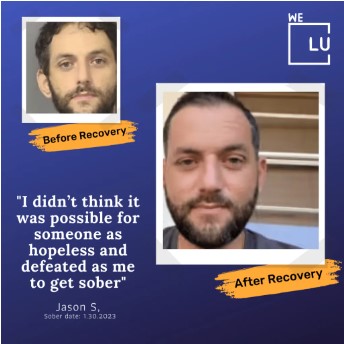
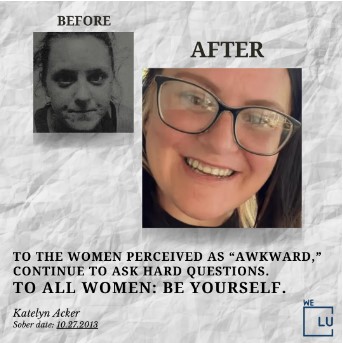
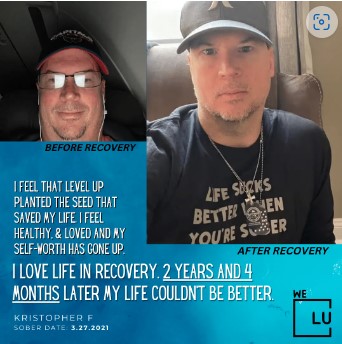
Experience Transformative Recovery at the We Level Up Treatment Center.
See our authentic success stories. Get inspired. Get the help you deserve.
Start a New Life
Begin with a free call to an addiction & behavioral health treatment advisor. Learn more about our dual-diagnosis programs. The We Level Up treatment center network delivers various recovery programs at each treatment facility. Call to learn more.
- Personalized Care
- Caring Accountable Staff
- Comfortable Amenities
- Licensed & Accredited
- Renowned w/ 5-Star Reviews