
Morphine Detox in New Jersey: Medical Withdrawal Support
Addiction to morphine develops for a number of reasons, especially when someone consistently abuses this powerful drug. Read more about the treatment options for you or your loved ones struggling with morphine addiction.
Editor Yamilla Francese
Clinically Reviewed by Lauren Barry, LMFT, MCAP, QS
Medically Reviewed by Ali Nikbakht, PsyD
Updated on May 7, 2026 — Editorial Policy | Research Policy
If you or someone you love is using morphine and cannot stop, you may feel scared or tired. You may not know what to do next. Morphine is a strong pain medicine. Doctors use it to treat serious pain. But when it is used for a long time, the body can become dependent on it. When this happens, stopping suddenly can feel very hard. Morphine detox is a safe way to stop using morphine with medical help.
Detox is the first step in recovery. It helps your body clear the drug while doctors and nurses keep you safe. If you are searching for morphine detox treatment NJ, you deserve clear answers and caring support. You do not have to face this alone. Help is available at We Level Up Lawrenceville NJ, and healing can begin today.
What Is Morphine Detox?
Morphine detox is the process of removing morphine from your body. When you use morphine often, your brain gets used to it. Your body begins to depend on it to feel normal. If you stop taking it, your body reacts. This reaction is called withdrawal.
A medical morphine detox program helps manage these withdrawal symptoms. Doctors and nurses watch your health closely. They give medicine if needed to ease pain, nausea, or anxiety. The goal is to keep you safe and as comfortable as possible during this time.
Detox does not fix addiction by itself. It prepares your body and mind for the next stage of treatment. Once the drug is out of your system, you can focus on therapy and long term recovery.

Skip to:
Why Detoxing Alone Can Be Risky
Many people think they can quit morphine at home. They may want privacy or feel ashamed to ask for help. But detoxing alone can be dangerous and very uncomfortable.
Withdrawal symptoms may include:
- Body aches
- Sweating and chills
- Stomach cramps
- Nausea or vomiting
- Trouble sleeping
- Strong cravings
- Anxiety or mood swings
These symptoms can feel overwhelming. Some people start using again just to stop the pain. This can increase the risk of overdose. A program that offers opioid withdrawal management helps reduce these risks. Medical staff monitor your health and step in quickly if problems appear.
What Happens During Morphine Detox Treatment NJ
Medical Check and Care Plan
When you enter morphine detox treatment NJ, the first step is a full health check. Doctors ask about your drug use, medical history, and mental health. This helps them build a care plan that fits your needs. The staff explains each step in simple terms. You will know what is happening and why. Clear information helps reduce fear and builds trust.
24 Hour Monitoring and Support
During detox, medical staff are available day and night. They check your blood pressure, heart rate, and overall condition. If symptoms become strong, they adjust your care. This type of medical morphine detox makes the process safer and more manageable. You are not alone in a room trying to push through pain. Trained professionals support you every step of the way.
Get Your Life Back
Find Hope & Recovery. Get Safe Comfortable Detox, Addiction Rehab & Mental Health Dual Diagnosis High-Quality Care at the We Level Up Treatment Centers Network.
Hotline (877) 378-4154Morphine Withdrawal Timeline
Withdrawal does not look the same for everyone, but most people follow a similar pattern. In the first 8 to 12 hours, early symptoms may begin. You might feel restless or anxious. Sweating and muscle aches may start.
During days one to three, symptoms often become stronger. This is usually the hardest stage. Nausea, stomach pain, and sleep problems may peak. Medical care helps ease these symptoms.
After day three or four, many physical symptoms slowly improve. You may still feel tired or emotional. Cravings can last longer. That is why treatment after detox is very important.
Inpatient Opioid Detox
An inpatient opioid detox program means you stay at the treatment center during detox. This setting provides constant care and structure. You are away from outside stress and easy access to drugs.
Inpatient care is often best for people who have used morphine for a long time. It is also helpful for those who tried to quit before but could not finish detox. The safe environment allows you to focus fully on healing. During inpatient care, you may also meet with counselors. Emotional support during detox can make a big difference in how you feel.

Emotional and Mental Support During Detox
Detox is not only physical. It can bring strong emotions. Some people feel sadness, guilt, or fear. Others feel anger or shame. These feelings are normal. Treatment programs include counseling during detox. Therapists help you talk through your thoughts and fears. They teach simple coping skills to handle stress without drugs.
Family support may also be part of care. Loved ones can learn how to support you in healthy ways. When family understands addiction, recovery becomes stronger.
Comfortable Facilities & Amenities
High-Quality Addiction & Mental Health Rehabilitation Treatment
Rehab Centers TourRenowned Addiction Centers. Serene Private Facilities. Inpatient rehab programs vary.
Addiction Helpline (877) 378-4154Proven recovery success experience, backed by a Team w/ History of:
15+
Years of Unified Experience
100s
5-Star Reviews Across Our Centers
10K
Recovery Success Stories Across Our Network
- Low Patient to Therapist Ratio
- Onsite Medical Detox Center
- Comprehensive Dual-Diagnosis Treatment
- Complimentary Family & Alumni Programs
- Coaching, Recovery & Personal Development Events
What Comes After Morphine Detox
Detox is the beginning, not the end. Once morphine leaves your body, the real work of recovery begins. Continued care helps prevent relapse.
After detox, you may move into:
- Inpatient rehab
- Outpatient therapy
- Group counseling
- Medication support
- Family therapy
Choosing morphine detox treatment NJ that includes follow up care gives you the best chance of long term success. Recovery takes time, patience, and support.
Signs You May Need Morphine Detox
It can be hard to see when morphine use has become a problem. Many people start with a prescription. Over time, they may need more to feel the same effect.
You may need detox if you:
- Take more morphine than prescribed
- Feel sick if you miss a dose
- Crave morphine often
- Hide your use from others
- Tried to quit but could not
If these signs sound familiar, you are not alone. Opioid withdrawal management can help you start fresh in a safe way.
World-class, Accredited, 5-Star Reviewed, Effective Addiction & Mental Health Programs. Complete Behavioral Health Inpatient Rehab, Detox plus Co-occuring Disorders Therapy.
CALL (877) 378-4154End the Addiction Pain. End the Emotional Rollercoaster. Get Your Life Back. Start Drug, Alcohol & Dual Diagnosis Mental Health Treatment Now. Get Free No-obligation Guidance by Substance Abuse Specialists Who Understand Addiction & Mental Health Recovery & Know How to Help.

Choosing the Right Morphine Detox Program
When looking for help, choose a licensed and accredited center. Make sure the program offers 24 hour medical supervision. Ask about staff training and aftercare services.
A good medical morphine detox program will answer your questions clearly. Staff should treat you with kindness and respect. You should feel safe from your first phone call. Finding the right help may feel overwhelming, but taking action is a strong step. You deserve care that supports your health and dignity.
Get Help. Get Better. Get Your Life Back.
Searching for Accredited Drug & Alcohol Rehab Centers Near You? Or Mental Health Support?
Even if you have failed previously, relapsed, or are in a difficult crisis, we stand ready to support you. Our trusted behavioral health specialists will not give up on you. Call us when you feel ready or want someone to speak to about therapy alternatives to change your life. Even if we cannot assist you, we will lead you wherever you can get support. There is no obligation. Call our hotline today.
FREE Addiction Hotline – Call 24/7Frequently Asked Questions
What is morphine detox?
Morphine detox is the process of clearing morphine from the body with medical supervision to manage withdrawal safely.
How long does morphine detox last?
Most detox programs last about five to seven days. The exact time depends on your health and how long you used morphine.
Is morphine withdrawal dangerous?
Withdrawal can be very uncomfortable and sometimes risky without medical help. Professional care makes it safer.
What is opioid withdrawal management?
It is medical care that monitors and treats withdrawal symptoms during detox.
What is inpatient opioid detox?
It means staying at a treatment center full time while medical staff supervise detox.
What happens after detox?
After detox, you continue with therapy and addiction treatment to support long term recovery.
Take a Step Forward
Morphine addiction can feel heavy and overwhelming, but recovery is possible. Morphine detox gives you a safe place to begin healing. With professional opioid withdrawal management, your body can adjust with medical care and support. Choosing morphine detox treatment NJ means choosing safety, compassion, and a clear path forward. You do not have to do this alone. If you or someone you love is ready to take the first step, reach out today. Help is here, and a healthier future can begin now.
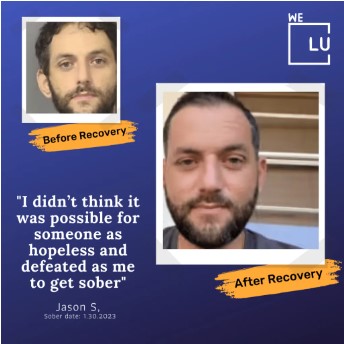
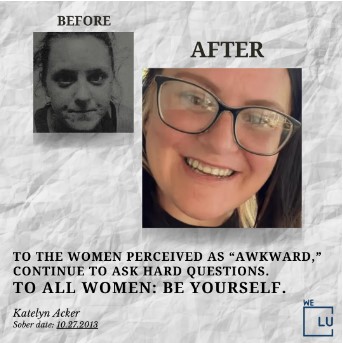
Experience Transformative Recovery at the We Level Up Treatment Center.
See our authentic success stories. Get inspired. Get the help you deserve.
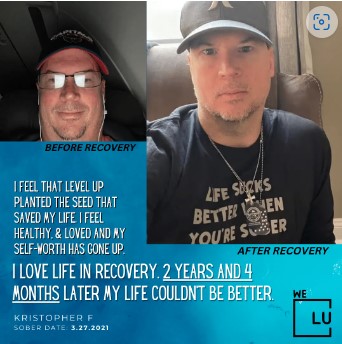
Start a New Life
Begin with a free call to an addiction & behavioral health treatment advisor. Learn more about our dual-diagnosis programs. The We Level Up treatment center network delivers various recovery programs at each treatment facility. Call to learn more.
- Personalized Care
- Caring Accountable Staff
- Comfortable Amenities
- Licensed & Accredited
- Renowned w/ 5-Star Reviews