Many people search for an oxycodone rehab center when they feel stuck using pain medicine. Oxycodone is a prescription opioid. It can help with pain, but it can also lead to serious problems. Over time, the body may begin to depend on it.
This can feel scary and confusing. You may feel like you cannot stop. You are not alone. With the right help, recovery is possible. We Level Up NJ can guide you as your trusted oxycodone rehab center for safe care and support.
Table of Contents
What is an Oxycodone Rehab Center?
An oxycodone rehab center helps people who are having problems with drug use. Both mental and physical health are addressed at this rehab center.
Opioids like oxycodone are prescribed drugs. It changes how the brain processes pain, making it work. It can also make you feel calm. In the long run, this can turn into physical dependence and abuse.
A lot of people who have problems with drug use need help to stop using safely. Care, structure, and direction are provided by an oxycodone rehab facility for opioid addiction. This helps people improve while under a doctor’s supervision.
How Oxycodone Affects the Body and Brain
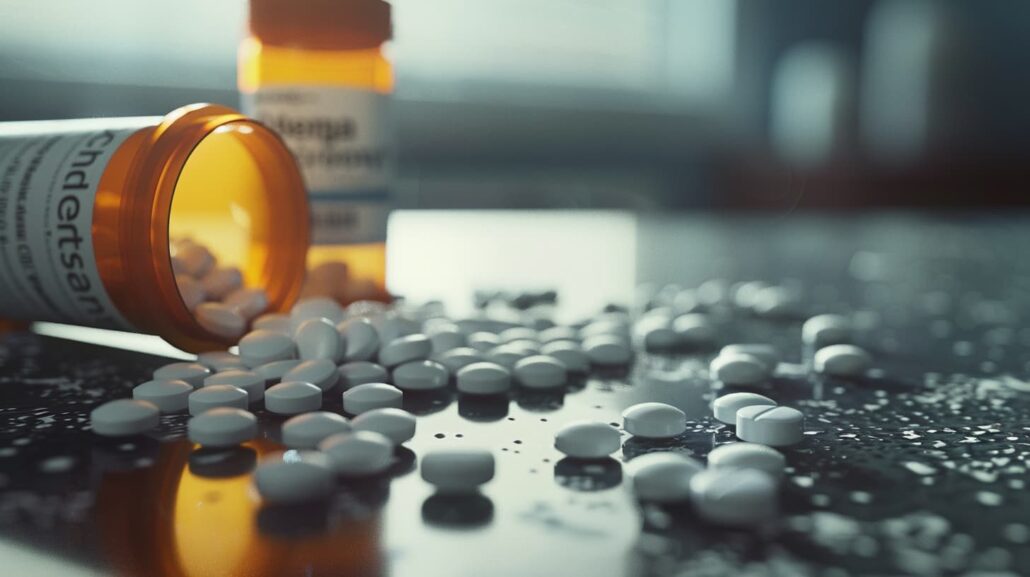
Oxycodone slows the brain’s activity and blocks pain signals. In addition, it makes you feel good. People might want to use it again after seeing this. The brain changes over time.
It might need more of the drug to be just as strong. This makes you physically dependent on it. These effects can be undone with the help of an oxycodone addiction center. Both the mind and the body can heal from it.
Get Help. Get Better. Get Your Life Back.
Searching for Accredited Drug & Alcohol Rehab Centers Near You? Or Mental Health Support?
Even if you have failed previously, relapsed, or are in a difficult crisis, we stand ready to support you. Our trusted behavioral health specialists will not give up on you. Call us when you feel ready or want someone to speak to about therapy alternatives to change your life. Even if we cannot assist you, we will lead you wherever you can get support. There is no obligation. Call our hotline today.
FREE Addiction Hotline – Call 24/7Signs You May Need an Oxycodone Rehab
- Using oxycodone in higher doses than prescribed
- Feeling unable to stop using
- Cravings or strong urges
- Experiencing symptoms of oxycodone withdrawal
- Changes in mood or behavior
- Trouble sleeping or focusing
- Avoiding family or daily responsibilities
These signs may show dependence on oxycodone. They are common in substance use disorders. Getting help early can make recovery easier.
Treatment Options for Oxycodone Addiction
You can treat addiction in a lot of different ways. Each person needs a plan that works for them. Some people need to stay in a treatment center for full help. Some people may use private care.
These choices are all part of the oxycodone rehab center programs. Opioid use disorder may be treated with medicines. These help with healing and reduce cravings. Care looks at the person as a whole.
Why Choose We Level Up NJ for Oxycodone Rehab?
We Level Up NJ helps people with both drug and mental health problems. The group knows what opioid use problems are and how they hurt the body.
Every person gets a plan that works for them. Therapy, help with detox, and oxycodone withdrawal support are all part of the oxycodone rehab center programs. This helps people get better one step at a time.
The patients are also told about medicines that can help with drug use disorder. These can help you feel better and reduce your cravings. The goal is to help people heal completely and get better for good.
Ready to get started? Call (201)389-9370 or email verifyadmissions@welevelup.com today. A better life is waiting for you.

What to Expect During Oxycodone Rehab
The first step in treatment is a full health check. Providers consider your past, your symptoms, and your needs. This makes the plan clearer.
The first step might be to clean. This helps the body get used to not having the drug. At this point, safety is ensured by oxycodone addiction treatment under medical monitoring.
Therapy starts after detox. Patients learn how to manage worry and avoid triggers that set them off. The oxycodone rehab services keep going, giving people care and support.
Benefits of Oxycodone Rehab
Treatment can improve many parts of life.
- Better physical health and energy
- Improved mood and focus
- Reduced cravings
- Stronger relationships
- Healthier routines
- Greater confidence
These benefits help people move forward and stay strong in recovery.
Long-Term Recovery and Support
It takes time to recover. The process will take a long time and require help and effort. People learn how to deal with their triggers so they don’t return. They also make good habits that help them get through the day.
The oxycodone rehab services help people stay on track. Long-term support makes recovery stronger and more stable.
Understanding Withdrawal and Detox
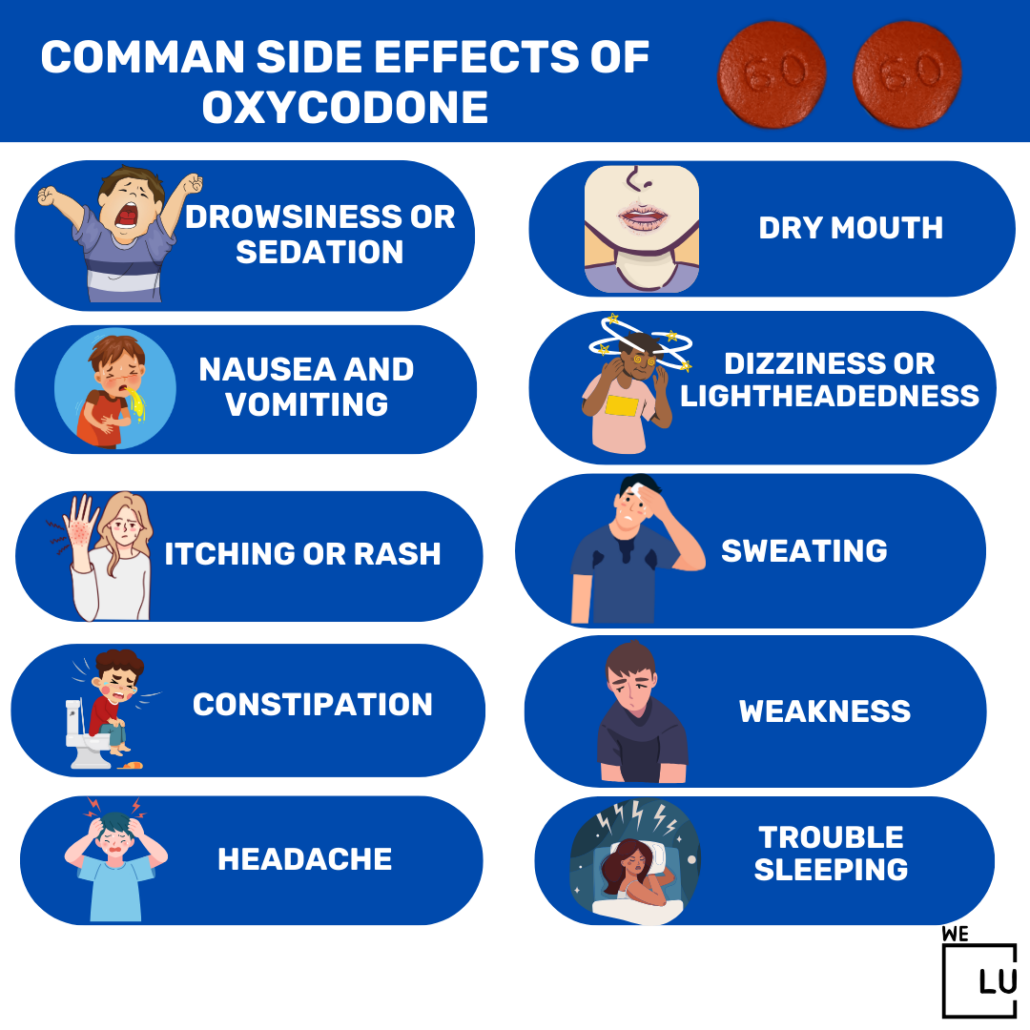
Oxycodone withdrawal may start when a person stops using it. Some of these signs are body aches, stress, and trouble sleeping. Detox is a safe way to deal with these conditions.
This step needs to be supervised by a doctor. It makes things less painful and dangerous. As a part of inpatient care, this process is often used. At first, it gives people a safe place to get better.
Therapy and Emotional Healing
Most of the time, addiction is linked to stress or mental pain. Therapy helps people see these patterns for what they are. Counseling and group assistance are part of the oxycodone recovery treatment programs. These shows show people how to deal with life in new ways.
Mental health problems can also be helped by therapy. This sets the stage for long-term healing.

Get Your Life Back
Find Hope & Recovery. Get Safe Comfortable Detox, Addiction Rehab & Mental Health Dual Diagnosis High-Quality Care at the We Level Up Treatment Centers Network.
Hotline (877) 378-4154Risks of Continued Oxycodone Use
Using oxycodone for a long time can be dangerous. It can affect breathing, heart health, and mental well-being. Taking higher doses increases the risk of overdose. It can also make mental health conditions worse.
Seeking help at an opioid addiction oxycodone rehab facility can reduce these risks. Early care can protect your health and future.
The Role of Medical Support
Getting medical help is very important while you’re recovering. They help people manage their symptoms and monitor their growth. Medical care during detox and early recovery is an important part of oxycodone addiction treatment. It also helps deal with physical dependence.
People feel more secure when they get the right care. This makes it easier and safer to get better.
The Importance of Support Systems
Having help from other people helps them stay strong. People from family, friends, and work all play a part. People can talk about their problems in group therapy. In this way, trust and a relationship are built.
Help tools guide each step of the recovery process. They help people keep going and stay on track.
Building a Healthy Life After Rehab
Recovery lets people start over with their lives. It lets them concentrate on health and growth. Having good habits is very important.
As part of this, get enough sleep, work out regularly, and eat well-balanced foods. There is more faith with each step forward. People can build a safe and happy life over time.
FAQs About Oxycodone Rehab Center
What is an oxycodone rehab center?
It provides care for addiction through detox, therapy, and support.
How does We Level Up NJ offer help with an oxycodone rehab center?
We provide care through oxycodone rehab center programs that support recovery and healing.
What are oxycodone rehab center programs?
Oxycodone rehab center programs include detox, therapy, and long-term support.
What is an opioid addiction oxycodone rehab facility?
An opioid addiction oxycodone rehab facility treats dependence and supports recovery.
What are oxycodone recovery treatment programs?
Oxycodone recovery treatment programs help people heal through therapy and support.
What are oxycodone rehab services?
Oxycodone rehab services include detox, counseling, and relapse prevention.
How to Get Started
Living with opioid addiction can feel overwhelming. You may feel stuck or unsure about what to do next. These feelings are common, but help is available.
At We Level Up NJ, you will find care designed for your needs. Our team provides support, therapy, and guidance for long-term recovery. We help you build healthy habits and regain control of your life.
If you are ready to take the next step, call (877) 378-4154 or complete the insurance verification form. You do not have to face this alone. A better future starts today.
Ready to get started? Call (201)389-9370 or email verifyadmissions@welevelup.com today. A better life is waiting for you.
Experience Transformative Recovery at the We Level Up Treatment Center.
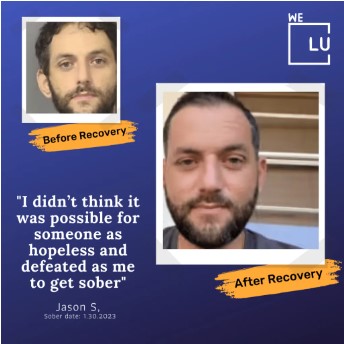
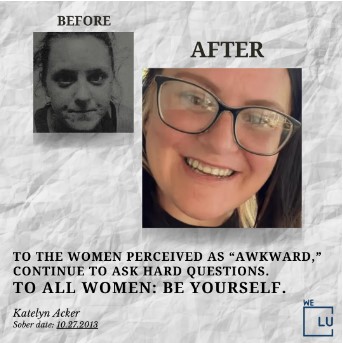
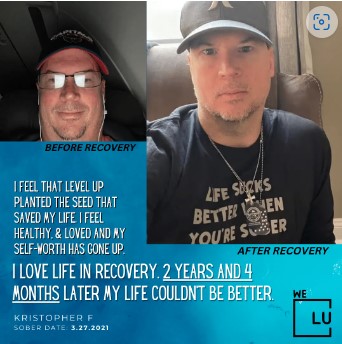
See our authentic success stories. Get inspired. Get the help you deserve.
Start a New Life
Begin with a free call to an addiction & behavioral health treatment advisor. Learn more about our dual-diagnosis programs. The We Level Up treatment center network delivers various recovery programs at each treatment facility. Call to learn more.
- Personalized Care
- Caring Accountable Staff
- Comfortable Amenities
- Licensed & Accredited
- Renowned w/ 5-Star Reviews