Many people search for a codeine rehab treatment center when they feel stuck using codeine. It may begin as a way to manage pain, but it can slowly lead to codeine abuse. Over time, the body and mind can depend on it.
This can feel overwhelming, but help is available. Understanding your options is the first step. With the right care, healing is possible. We Level Up NJ can guide you through your codeine rehab with trusted support and recovery.
Table of Contents
What Is Codeine Rehab Treatment Center?
A codeine drug treatment center helps people who are addicted to codeine. These places are good for both the mind and the body.
Codeine is a brain drug called an opioid. It changes how the body feels pain and makes you feel calm. Over time, repeated use can lead to physical dependence. In other words, the body starts to depend on the drug to work.
A codeine detox treatment center helps the body remove the drug safely. Medical professionals monitor symptoms and provide medical assistance when needed. This is important because codeine withdrawal symptoms can be uncomfortable. Professional care makes the process safer and easier.

How Codeine Affects the Body and Mind
Codeine slows brain activity and blocks pain signals from reaching the brain. It might make you feel calm or at ease. The body changes over time. This makes your body dependent on it, so you need bigger doses.
This could make things more dangerous. The opioid addiction codeine rehab center approach helps restore balance. It supports healing in both the mental and physical body.
Get Help. Get Better. Get Your Life Back.
Searching for Accredited Drug & Alcohol Rehab Centers Near You? Or Mental Health Support?
Even if you have failed previously, relapsed, or are in a difficult crisis, we stand ready to support you. Our trusted behavioral health specialists will not give up on you. Call us when you feel ready or want someone to speak to about therapy alternatives to change your life. Even if we cannot assist you, we will lead you wherever you can get support. There is no obligation. Call our hotline today.
FREE Addiction Hotline – Call 24/7Signs You May Need Codeine Rehab
- Using codeine more often or in higher doses
- Feeling unable to stop using
- Experiencing cravings or strong urges
- Having codeine withdrawal symptoms
- Changes in mood or behavior
- Trouble sleeping or focusing
- Pulling away from family or friends
These signs may point to substance use disorders. Early action can prevent the problem from becoming worse.

Treatment Options for Codeine Addiction
There are many treatment options available. The right plan depends on each person’s needs. Some people need detox and medical care. Others benefit from therapy and long-term support.
The codeine rehab treatment programs combine these approaches. Treatment for codeine addiction focuses on healing the whole person. This includes both emotional and physical recovery.
Why Choose We Level Up NJ for Codeine Rehab
We Level Up NJ offers care for both addiction and mental health conditions. The team understands how codeine affects the brain and body. Each person receives a plan based on their needs. The codeine rehab treatment programs focus on healing both mental and physical health. This helps patients build a strong foundation for recovery.
Patients learn about side effects that medical professionals often see with opioid misuse. This knowledge helps them better understand their condition. The goal is to support lasting change and long-term wellness.
Ready to get started? Call (201)389-9370 or email verifyadmissions@welevelup.com today. A better life is waiting for you.
Long-Term Recovery and Lifestyle Changes
It takes time to get better. You need to work at it, get help, and form good habits. People learn how to deal with threats and stay sober. Building habits and learning new ways to manage stress are part of this. The codeine addiction rehab process helps people rebuild their lives. With the right support, long-term recovery is possible.

What to Expect During Codeine Rehab
The process starts with a full assessment. Providers review health history, substance use, and personal needs. This helps create a clear treatment plan.
The first stage may involve a codeine detox treatment center program. During this time, the body adjusts without the drug. Medical assistance helps manage symptoms and keep patients safe.
After detox, therapy begins. Patients learn new ways to manage stress and emotions. This step supports long-term recovery and prevents relapse.
Benefits of Codeine Rehab
Getting help can improve many parts of life.
- Better physical health and energy
- Improved mood and focus
- Reduced cravings and urges
- Stronger relationships
- Healthier daily habits
- Increased confidence
These changes support a healthier and more stable future.

Get Your Life Back
Find Hope & Recovery. Get Safe Comfortable Detox, Addiction Rehab & Mental Health Dual Diagnosis High-Quality Care at the We Level Up Treatment Centers Network.
Hotline (877) 378-4154Understanding Withdrawal and Detox
When someone stops taking codeine, they may start to feel sick. Some of these signs are body aches, stress, and trouble sleeping. Codeine withdrawal effects can be very bad, especially if you don’t have anyone to help you.
A codeine detox treatment center can help you safely deal with these effects. Medical professionals care for patients and monitor their progress. During detox, this makes things less painful and safer.

Therapy and Emotional Support
Most of the time, addiction is caused by worry or bad memories. Therapy helps people see these patterns for what they are. Counseling and support groups are part of the codeine recovery treatment programs. This kind of help teaches people new ways to deal with problems.
Mental health problems are also dealt with in therapy. This makes people feel safer and more in charge of their lives.
The Risks of Continued Codeine Use
Continued use can lead to serious health problems. It can affect breathing, heart function, and mental health. Using higher doses increases the risk of overdose. It can also worsen mental health conditions over time.
Seeking help at an opioid addiction codeine rehab center reduces these risks. Early treatment can protect both health and safety.
The Role of Support Systems
Support services are very important for getting better. Family, friends, and experts can help and support you. People can also feel less alone in group treatment.
Sharing stories brings people together and builds trust. These tools help with every step of the recovery process. They keep people on track and moving forward.
Building a Healthy Future
People can rebuild their lives after recovery. It makes room for healing and growth. Long-term success depends on having healthy habits. This includes getting enough sleep, working out regularly, and eating a healthy diet.
Every step you take toward improvement boosts your confidence. People can make their lives safer and more satisfying over time with help.
FAQs About Codeine Rehab Treatment
What is a codeine rehab treatment center?
A codeine rehab treatment center provides care for addiction through detox, therapy, and recovery support.
How does We Level Up NJ offer help?
We provide care through codeine rehab treatment programs that support long-term recovery and healing.
What are codeine rehab treatment programs?
Codeine rehab treatment programs include detox, therapy, and relapse prevention strategies.
What is a codeine detox treatment center?
A codeine detox treatment center helps manage withdrawal safely with medical supervision.
What is opioid addiction codeine rehab center care?
Opioid addiction codeine rehab center care treats dependence and supports full recovery.
What are codeine recovery treatment programs?
Codeine recovery treatment programs provide long-term support for mental and physical healing.
How to Get Started with Codeine Rehab
Living with codeine addiction can feel overwhelming. You may feel stuck or unsure about your next step. These feelings are normal, but help is available.
At We Level Up NJ, you can find care designed for your needs. Our team provides medical assistance, therapy, and support for lasting recovery. We focus on helping you heal both mentally and physically.
If you are ready to take a step towards recovery, call (877) 378-4154 or complete the insurance verification form. You do not have to face this alone. A better future starts today.
Ready to get started? Call (201)389-9370 or email verifyadmissions@welevelup.com today. A better life is waiting for you.
Experience Transformative Recovery at the We Level Up Treatment Center.
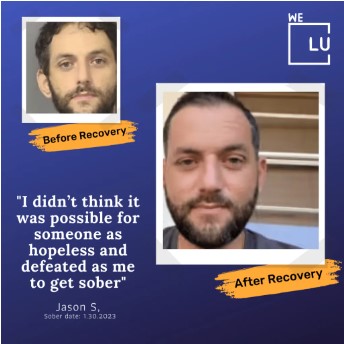
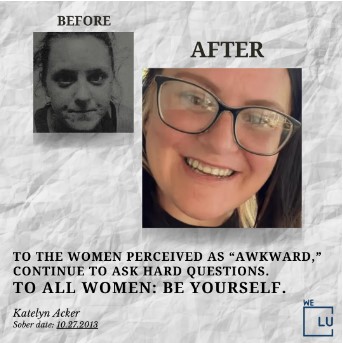
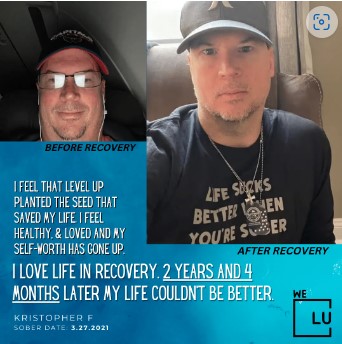
See our authentic success stories. Get inspired. Get the help you deserve.
Start a New Life
Begin with a free call to an addiction & behavioral health treatment advisor. Learn more about our dual-diagnosis programs. The We Level Up treatment center network delivers various recovery programs at each treatment facility. Call to learn more.
- Personalized Care
- Caring Accountable Staff
- Comfortable Amenities
- Licensed & Accredited
- Renowned w/ 5-Star Reviews