Recovery is not only about stopping substance use. It is also about healing the body and mind. Many people feel stress, pain, and tension during this time. That is where massage therapy for recovery can help. It supports both physical and emotional healing in a gentle way. When used properly, it can ease discomfort and improve overall well-being.
The body often holds on to old worry while it heals. It gets harder to sleep, muscles stay tight, and the mind may feel restless. If you don’t address these problems, they can delay healing. Adding supportive care, such as massage, can help ease stress and make you feel better.
More than just symptoms should be addressed in a comprehensive healing plan. It should focus on long-term health. A variety of treatments are used in programs like We Level Up NJ to help people make lasting changes. This includes care for mental health issues, help for addiction, and natural ways to heal the body as well as the mind.
Table of Contents
What Is Massage Therapy for Recovery?
Massage therapy for recovery is a treatment that uses touch to relax the body and reduce stress. A trained therapist applies safe pressure to muscles and soft tissues. This helps improve blood flow, ease pain, and calm the nervous system.
This therapy is often used in addiction and mental health treatment programs. It supports people who are dealing with anxiety, stress, or physical discomfort during recovery. It is not a replacement for medical care. Instead, it works alongside therapy, counseling, and support programs.
According to the National Center for Complementary and Integrative Health (NCCIH), about 20 percent of adults in the United States use complementary health approaches, such as massage therapy. This shows growing trust in holistic methods. Massage therapy can help people feel more relaxed and balanced. It also supports emotional healing when used as part of a complete care plan.
Signs You May Need Massage Therapy for Recovery
If you are in recovery, your body may show signs of stress. You may benefit from this therapy if you notice:
- Muscle pain or body tension
- Trouble sleeping or feeling restless
- High stress or anxiety
- Feeling unable to relax
- Cravings linked to stress
- Low mood or emotional fatigue
- Difficulty staying calm
These signs are common during recovery and should not be ignored.

Get Help. Get Better. Get Your Life Back.
Searching for Accredited Drug & Alcohol Rehab Centers Near You? Or Mental Health Support?
Even if you have failed previously, relapsed, or are in a difficult crisis, we stand ready to support you. Our trusted behavioral health specialists will not give up on you. Call us when you feel ready or want someone to speak to about therapy alternatives to change your life. Even if we cannot assist you, we will lead you wherever you can get support. There is no obligation. Call our hotline today.
FREE Addiction Hotline – Call 24/7Why Choose We Level Up NJ
We Level Up NJ offers a complete approach to healing. The focus is on both addiction recovery and mental health care. Each person receives a plan that fits their needs. The facility provides a safe and structured environment. Licensed professionals guide every step of care. This includes massage therapists, medical providers, and support staff.
Clients have access to services such as detox placement support, dual diagnosis treatment, trauma-informed therapy, and relapse prevention. These services work alongside massage therapy, mental health, and rehab methods to support healing. The goal is to help each person build strong coping skills. This reduces the risk of relapse and improves overall well-being.
Ready to get started? Call (201)389-9370 or email verifyadmissions@welevelup.com today. A better life is waiting for you
What to Expect During Massage Therapy for Recovery
The process starts with an assessment. A professional reviews your health history and recovery goals. This helps create a safe and personalized plan. During sessions, therapists use gentle techniques to reduce tension. Pressure is adjusted based on your comfort level. The focus is always on relaxation and healing.
Sessions are part of a larger treatment plan. Clients continue therapy, counseling, and group sessions alongside massage care. This ensures balanced support. Over time, massage therapy helps reduce stress triggers. This makes it easier to manage cravings and stay focused on recovery. It is a key part of holistic therapy massage addiction programs.

Benefits of Massage Therapy for Recovery
Massage therapy offers several benefits during recovery:
- Reduces stress and anxiety
- Improves sleep quality
- Relieves muscle pain
- Supports emotional balance
- Enhances relaxation
- Complements other treatments
Many people find that massage therapy stress addiction recovery methods help them feel calmer and more in control.

Get Your Life Back
Find Hope & Recovery. Get Safe Comfortable Detox, Addiction Rehab & Mental Health Dual Diagnosis High-Quality Care at the We Level Up Treatment Centers Network.
Hotline (877) 378-4154How Massage Supports the Mind and Body in Recovery
It takes time to heal, and the body plays a big role in that. A lot of people who are in recovery feel both physical and mental worry at the same time. These two go well together. The mind often feels nervous or stressed when the body feels tight.
This cycle can be broken with massage treatment. It relaxes muscles and tells the brain to calm down. This makes me feel better and less anxious. The mind can feel more stable as the body starts to relax.
This is why body therapy addiction rehab techniques are so crucial. They help people heal more deeply than talk treatment alone. Regular massage therapy can help you concentrate, sleep, and keep your emotions in check. People who make these changes are more likely to stay committed to their healing and form better habits over time.
The Role of Holistic Care in Long-Term Recovery
Getting better isn’t just about making short-term changes. It’s about making choices that support your long-term health. All-around care is a big part of this process. It considers a person’s mental, social, and physical needs as a whole.
One part of this method is massage treatment. Along with medical care, counseling, and group treatment, it helps. These methods work well together to make a strong support system. This reduces stress and helps prevent relapse.
Holistic therapy, massage, and addiction programs educate participants on how to take good care of their bodies. This means learning to stay present, calm down, and manage stress. These skills become more natural over time. People are more likely to stay on track when they feel better in their bodies and minds. Because of this, holistic care is an important part of long-term healing.
FAQs About Massage Therapy for Recovery
Is massage therapy safe during recovery?
Yes, it is safe when done by trained professionals. It supports relaxation and does not replace medical care. It is used alongside treatment.
How does massage therapy help with addiction recovery?
It reduces stress and tension, which can trigger relapse. Massage therapy addiction recovery benefits include better sleep and improved mood.
Can massage therapy support mental health?
Yes, it helps calm the body and mind. Many programs use massage therapy mental health rehab to reduce anxiety and stress.
How often should I get massage therapy?
This depends on your needs. Some people benefit from weekly sessions, while others need less frequent care.
Does massage therapy reduce cravings?
It does not directly stop cravings. However, it helps manage stress, which can lower the chances of relapse.
How does We Level Up NJ offer help with massage therapy for recovery?
We Level Up NJ includes massage therapy as part of a full treatment plan. Clients receive care that combines therapy, medical support, and holistic services. This helps improve both physical and emotional health.
Is massage therapy part of holistic treatment?
Yes, it is a key part of body therapy addiction rehab. It supports the whole person, not just the addiction.
How to Get Started
Getting started is simple. The first step is to speak with a treatment provider. They can help you understand your options and create a plan. At We Level Up NJ, the team will review your needs and guide you through the process. You can verify insurance and explore available programs.
Recovery takes time, but support can make the journey easier. Adding therapies like massage can improve comfort and help you stay focused. Recovery can feel overwhelming when stress and physical pain build up over time. Many people struggle to relax, sleep, or feel at ease during this process. Without proper support, these challenges can slow progress.
At We Level Up NJ, care focuses on both the mind and body. Programs include therapy, medical care, and holistic options like massage therapy to support healing. If you or someone you care about needs help, you can contact (877) 378-4154 to learn more and explore your next step toward recovery.
Ready to get started? Call (201)389-9370 or email verifyadmissions@welevelup.com today. A better life is waiting for you
Experience Transformative Recovery at the We Level Up Treatment Center.
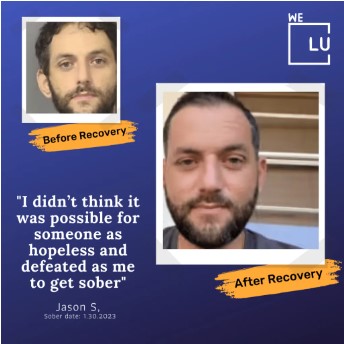
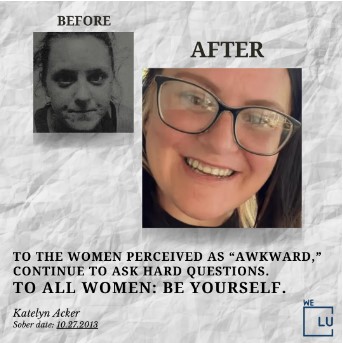
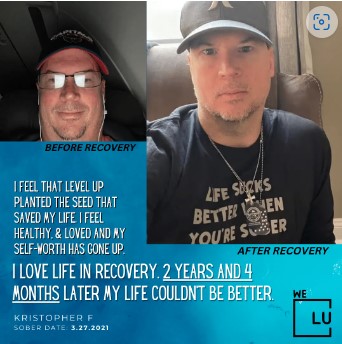
See our authentic success stories. Get inspired. Get the help you deserve.
Start a New Life
Begin with a free call to an addiction & behavioral health treatment advisor. Learn more about our dual-diagnosis programs. The We Level Up treatment center network delivers various recovery programs at each treatment facility. Call to learn more.
- Personalized Care
- Caring Accountable Staff
- Comfortable Amenities
- Licensed & Accredited
- Renowned w/ 5-Star Reviews